athletic fields and trails
hackley school
2012
tarrytown, ny
280 acres
landscape, campus planning
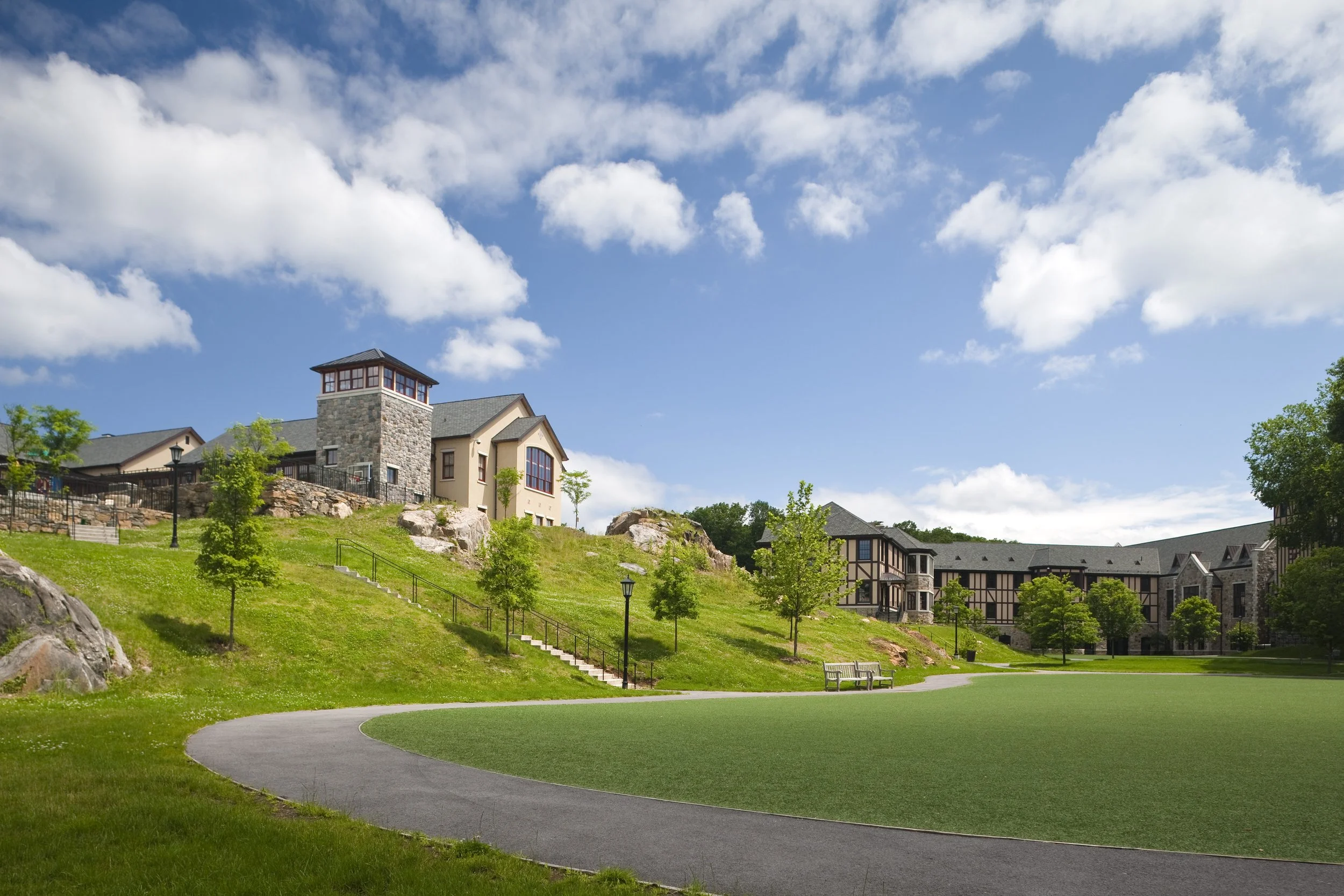
a sustainable upper-campus precinct of athletic fields, track, and connected trails.
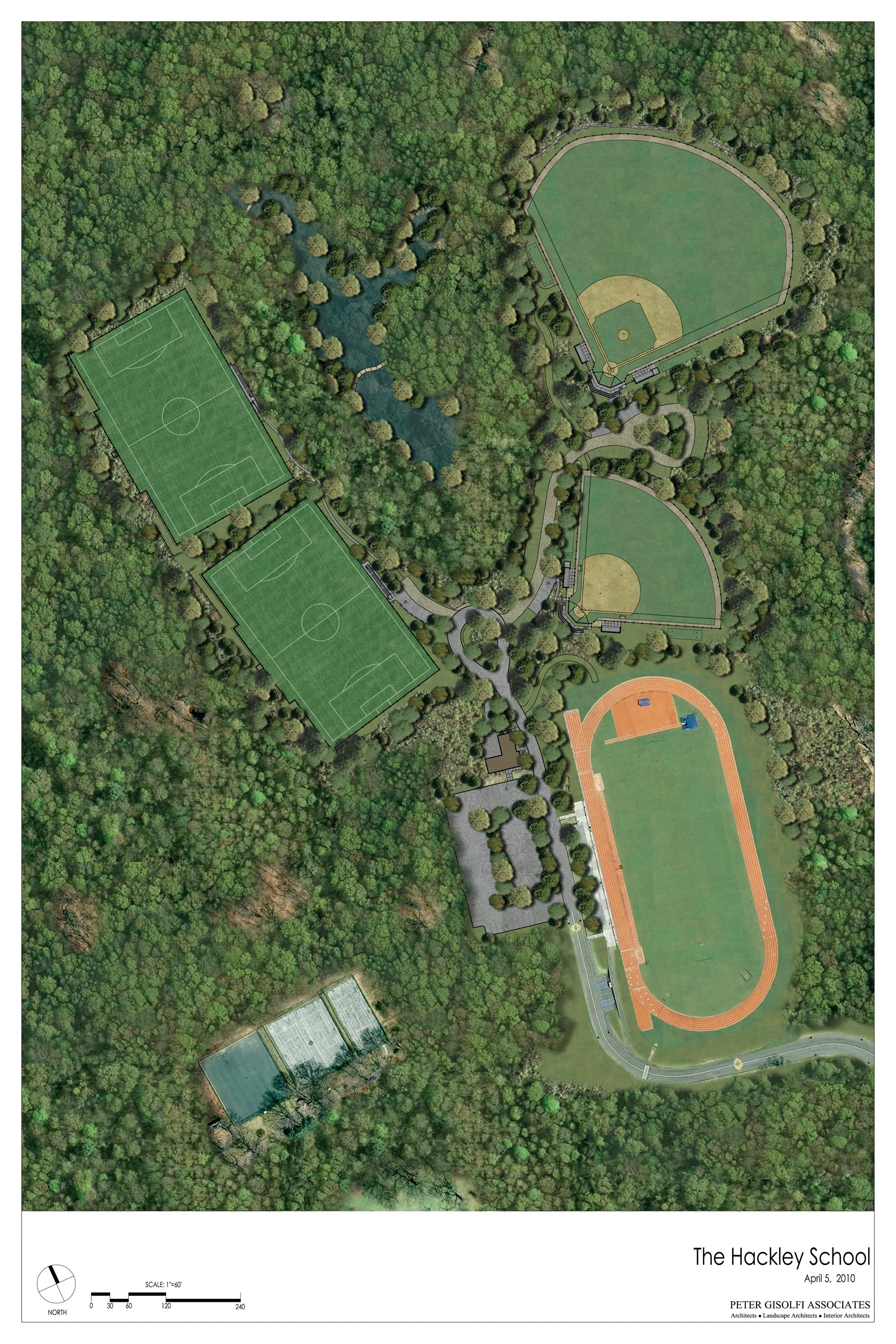
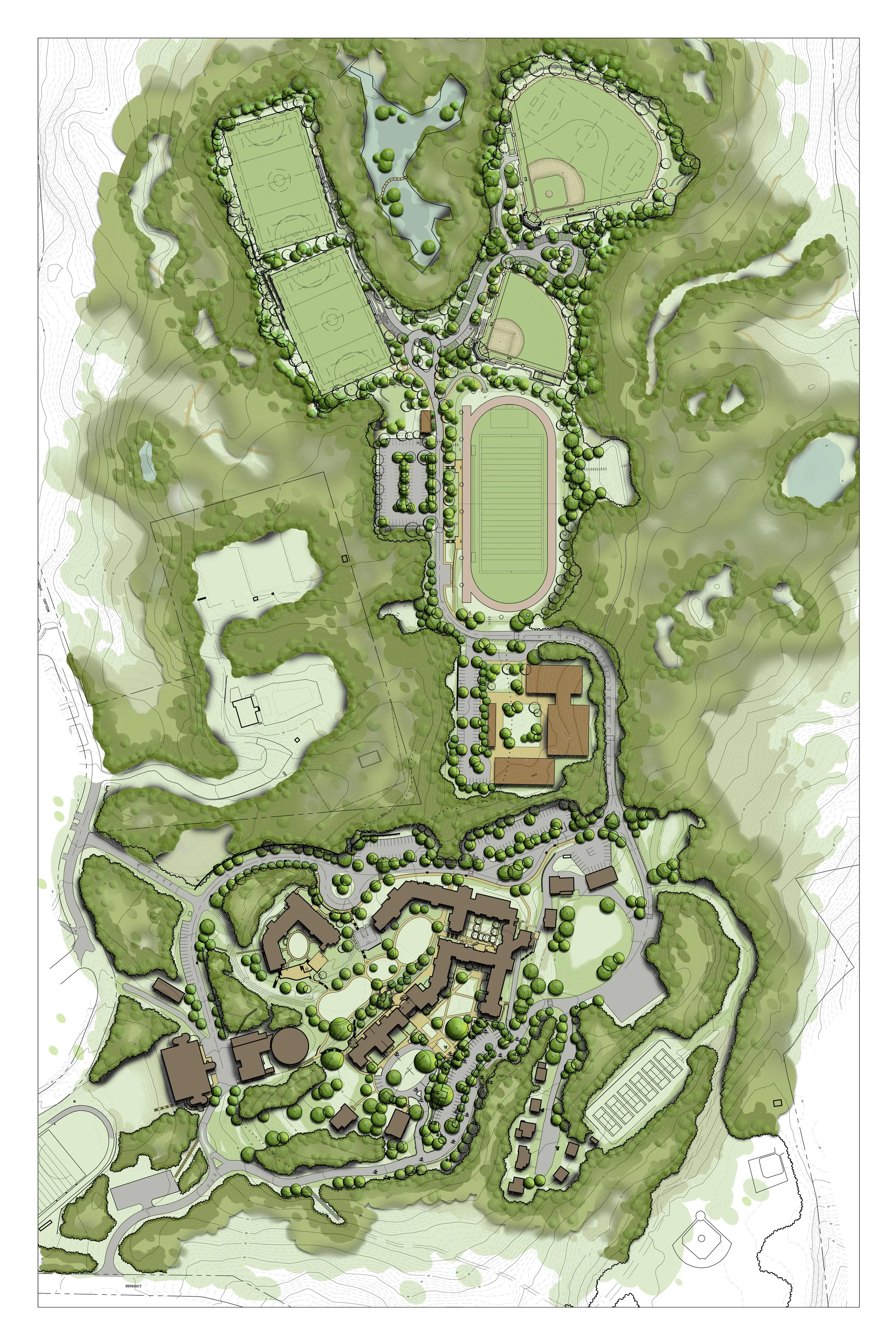
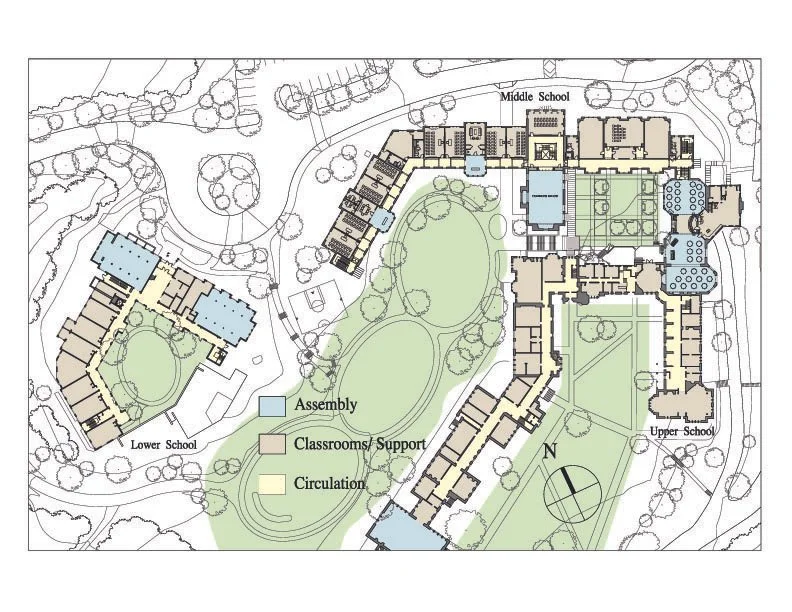
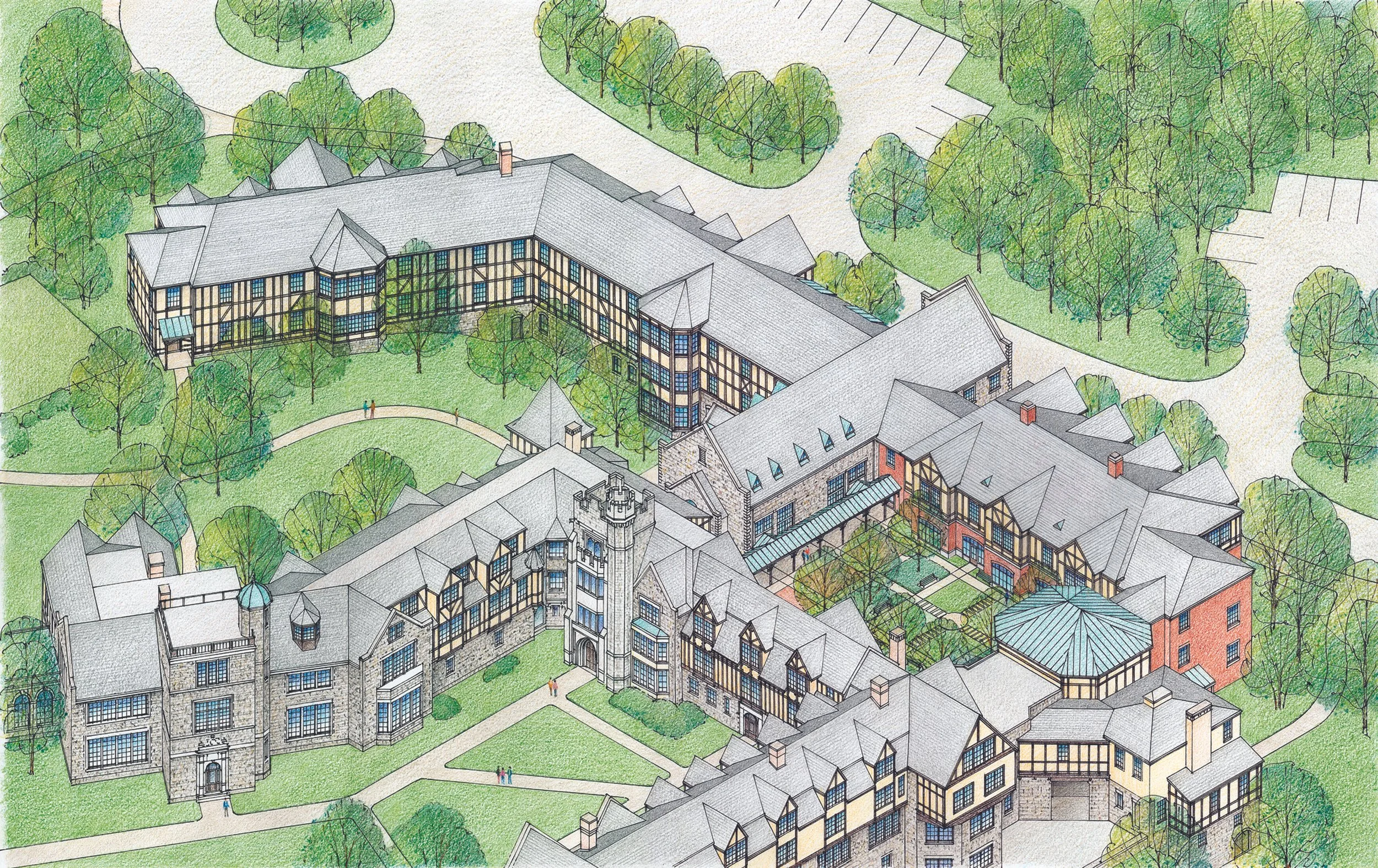
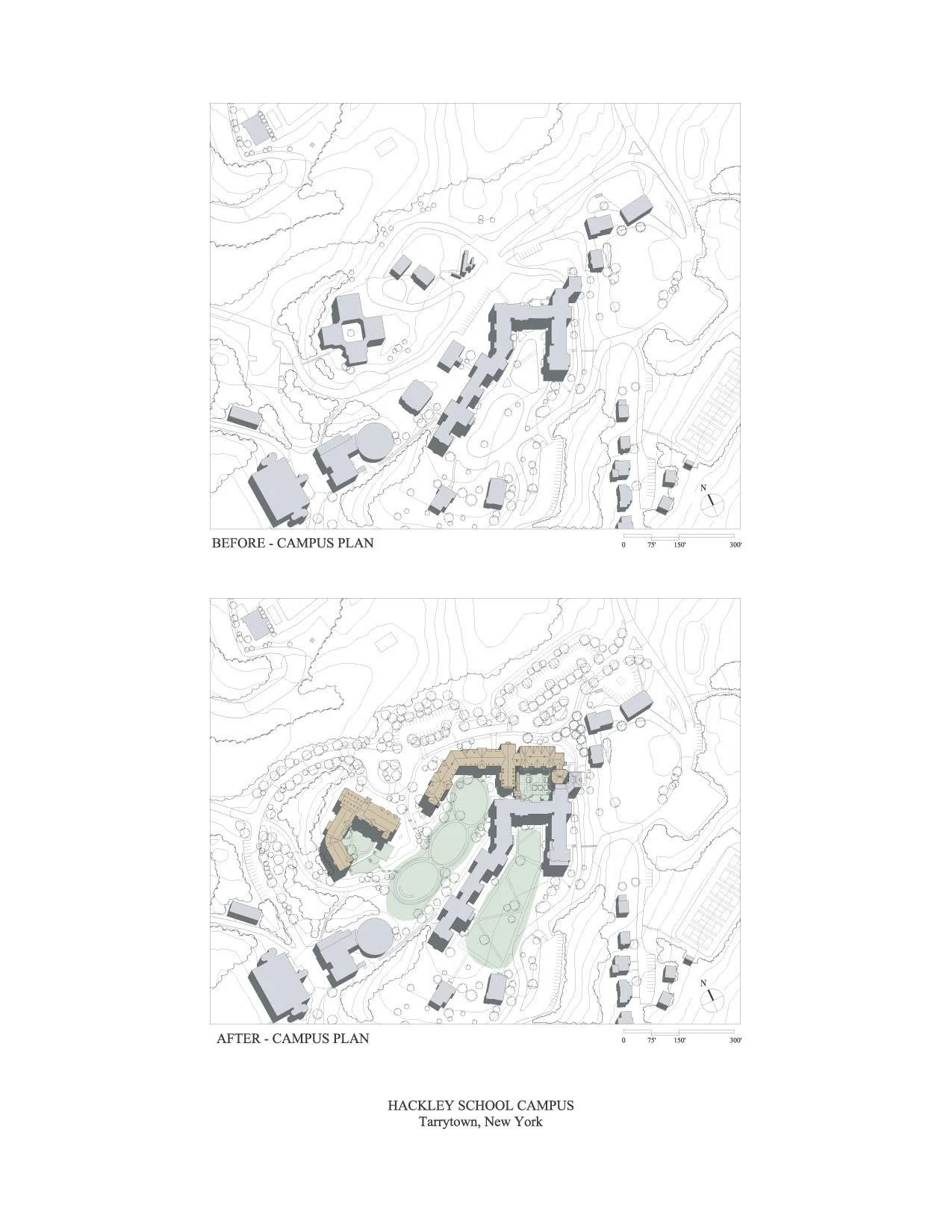
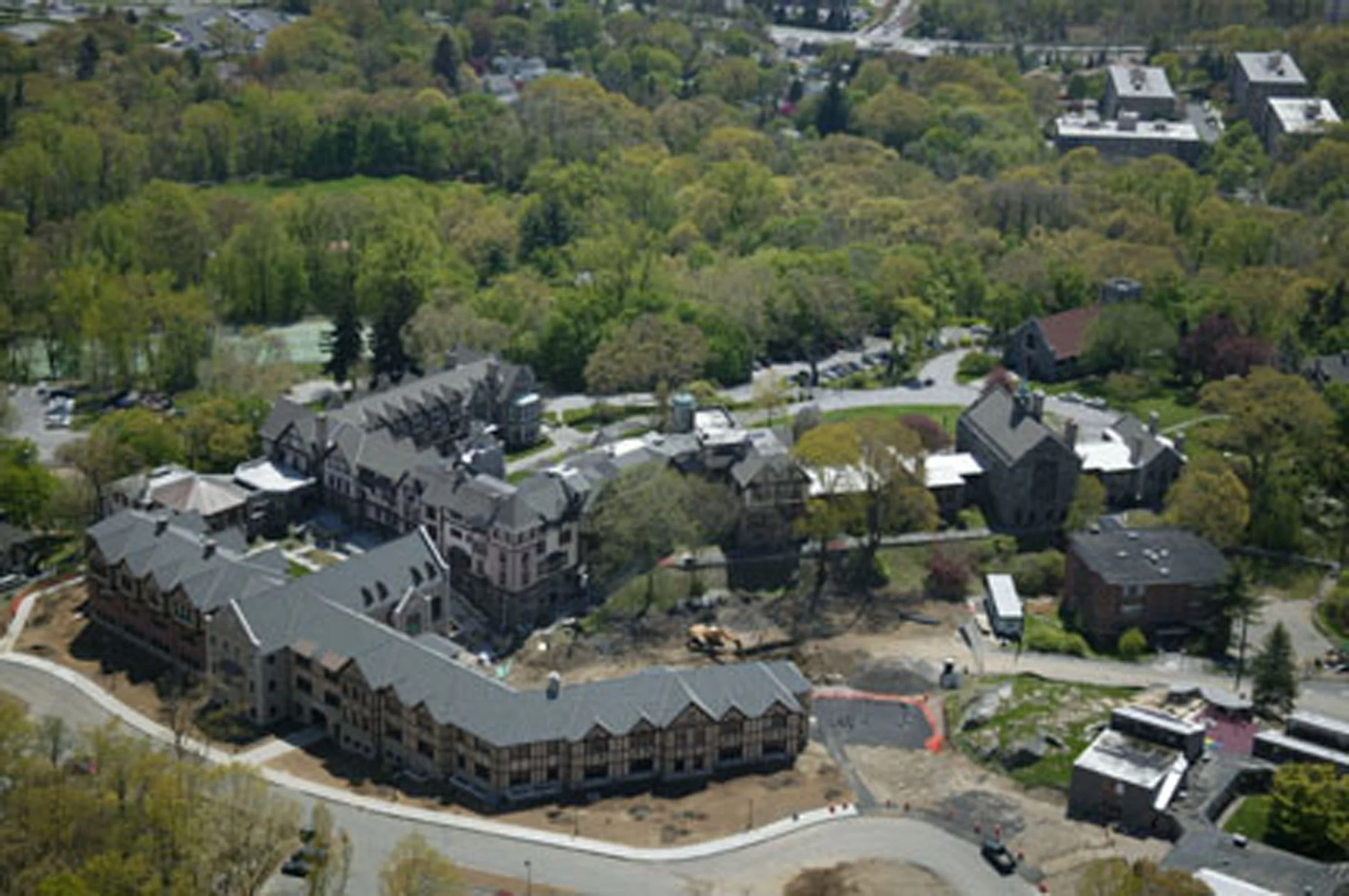
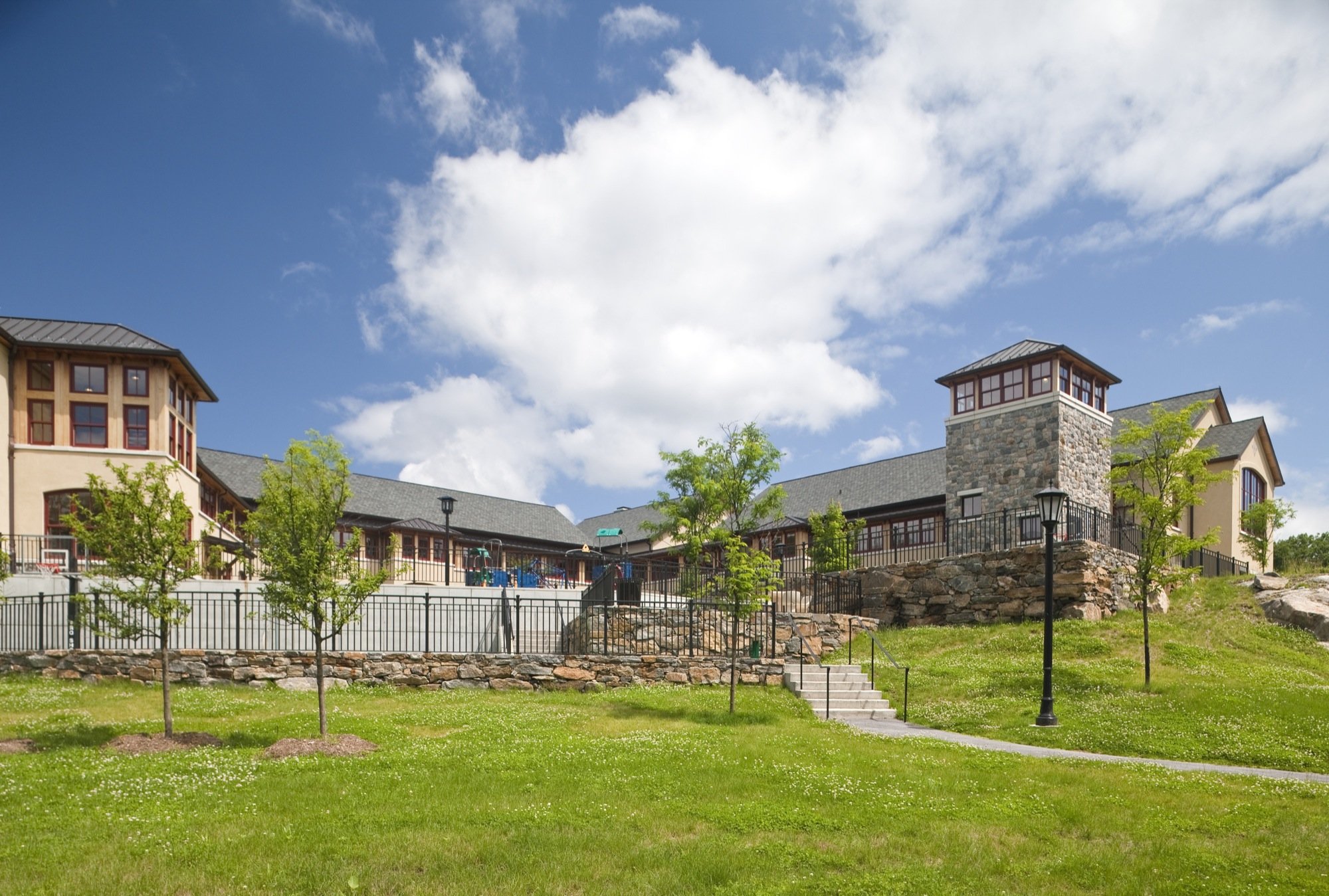
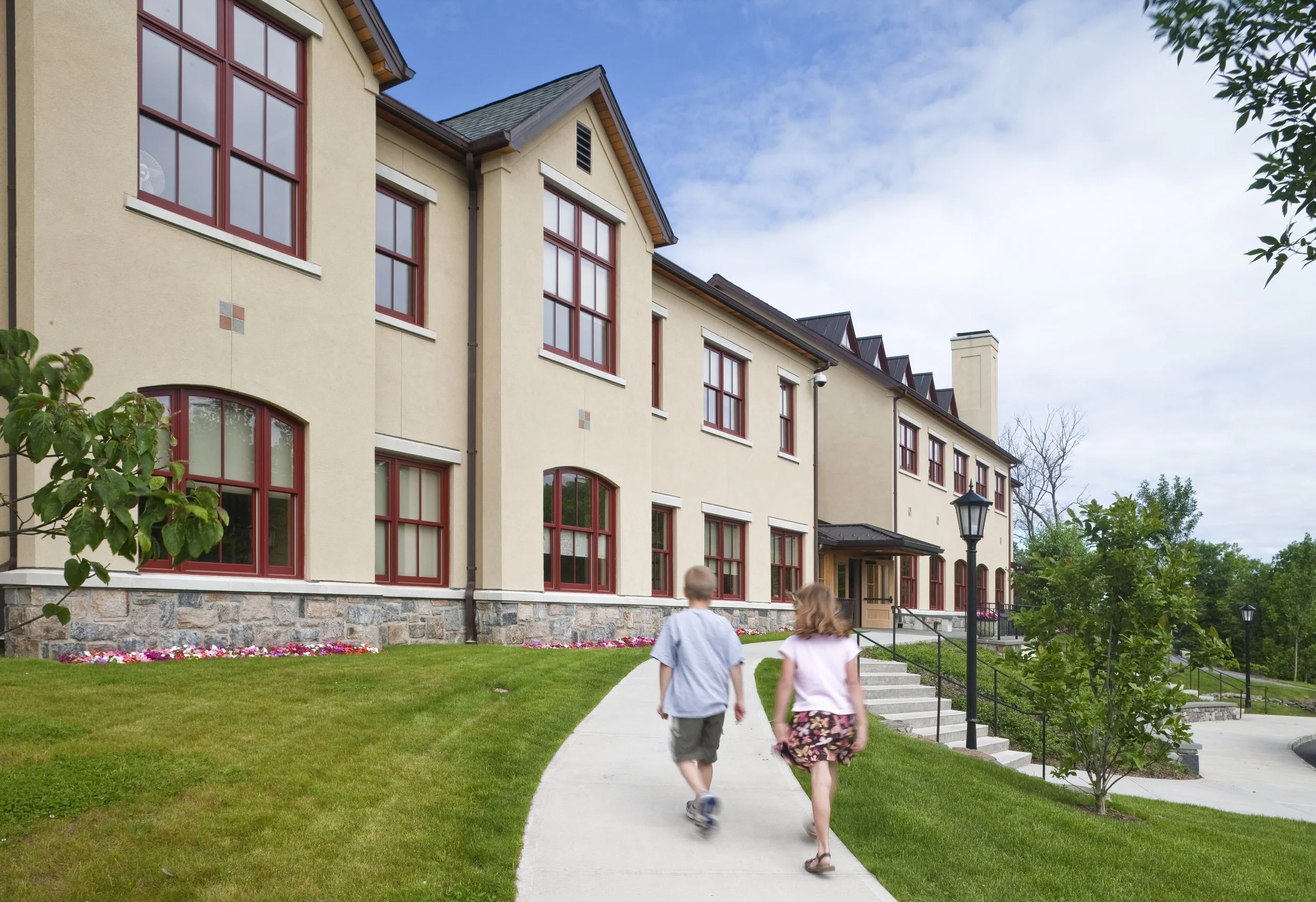
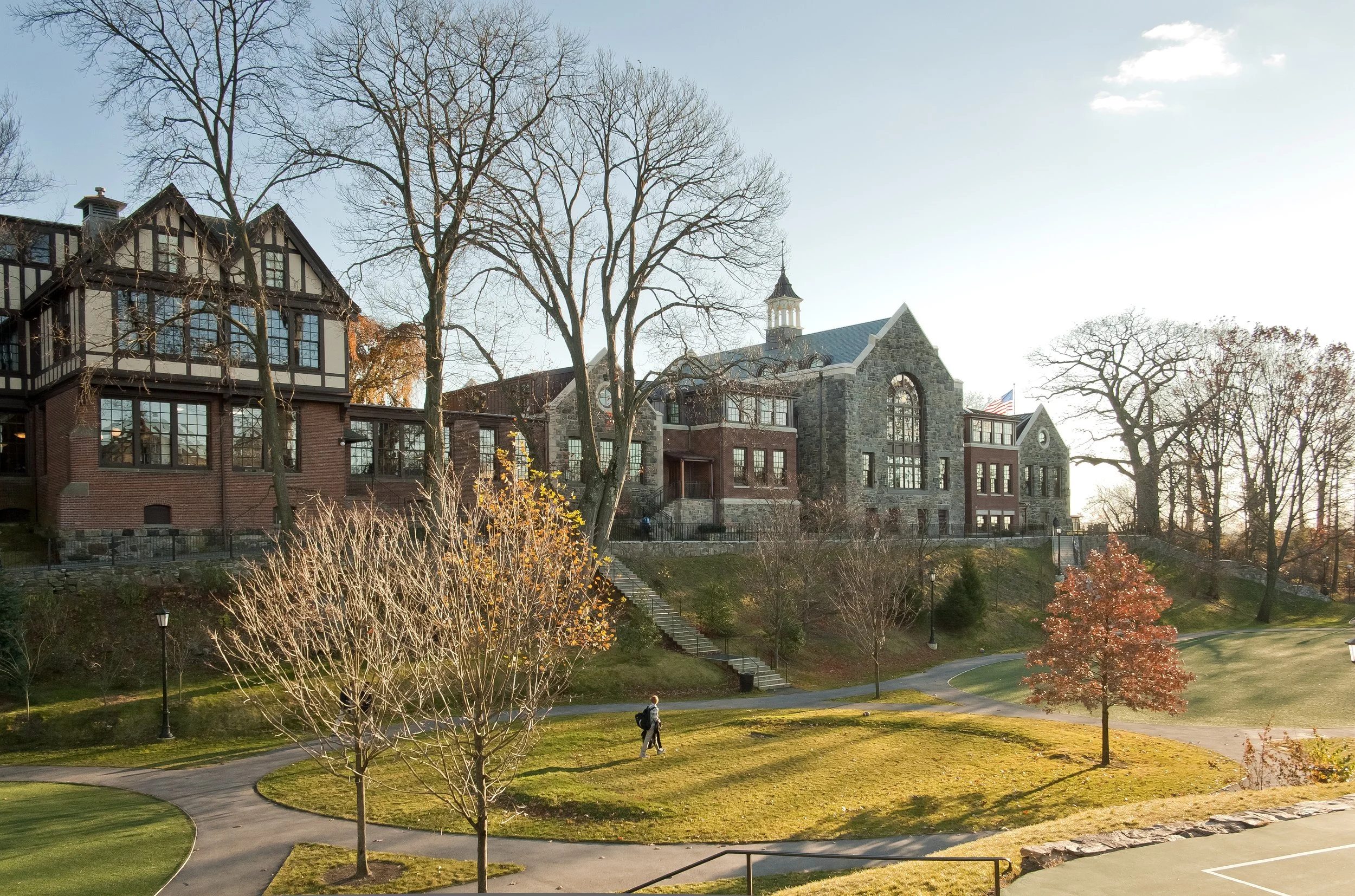
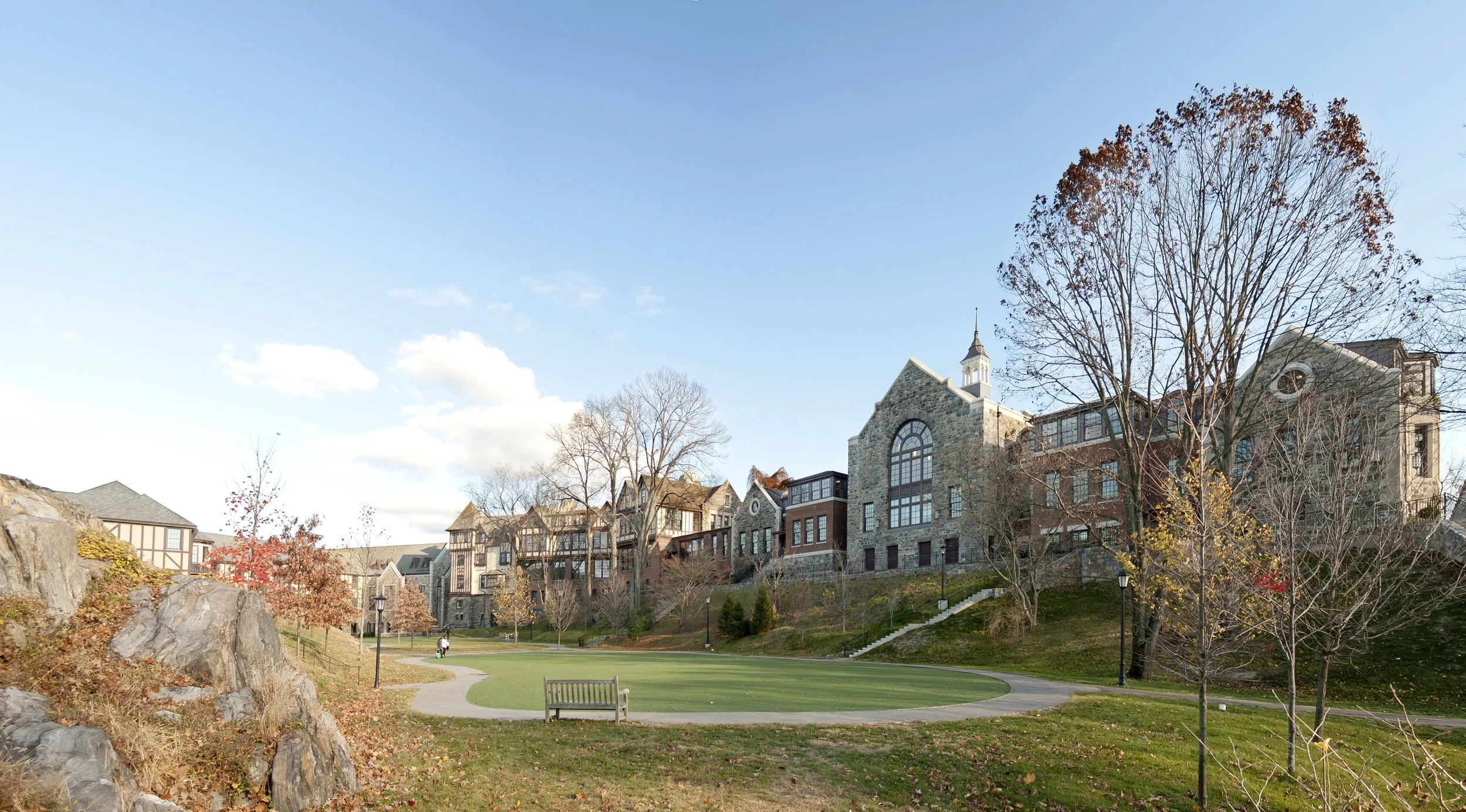
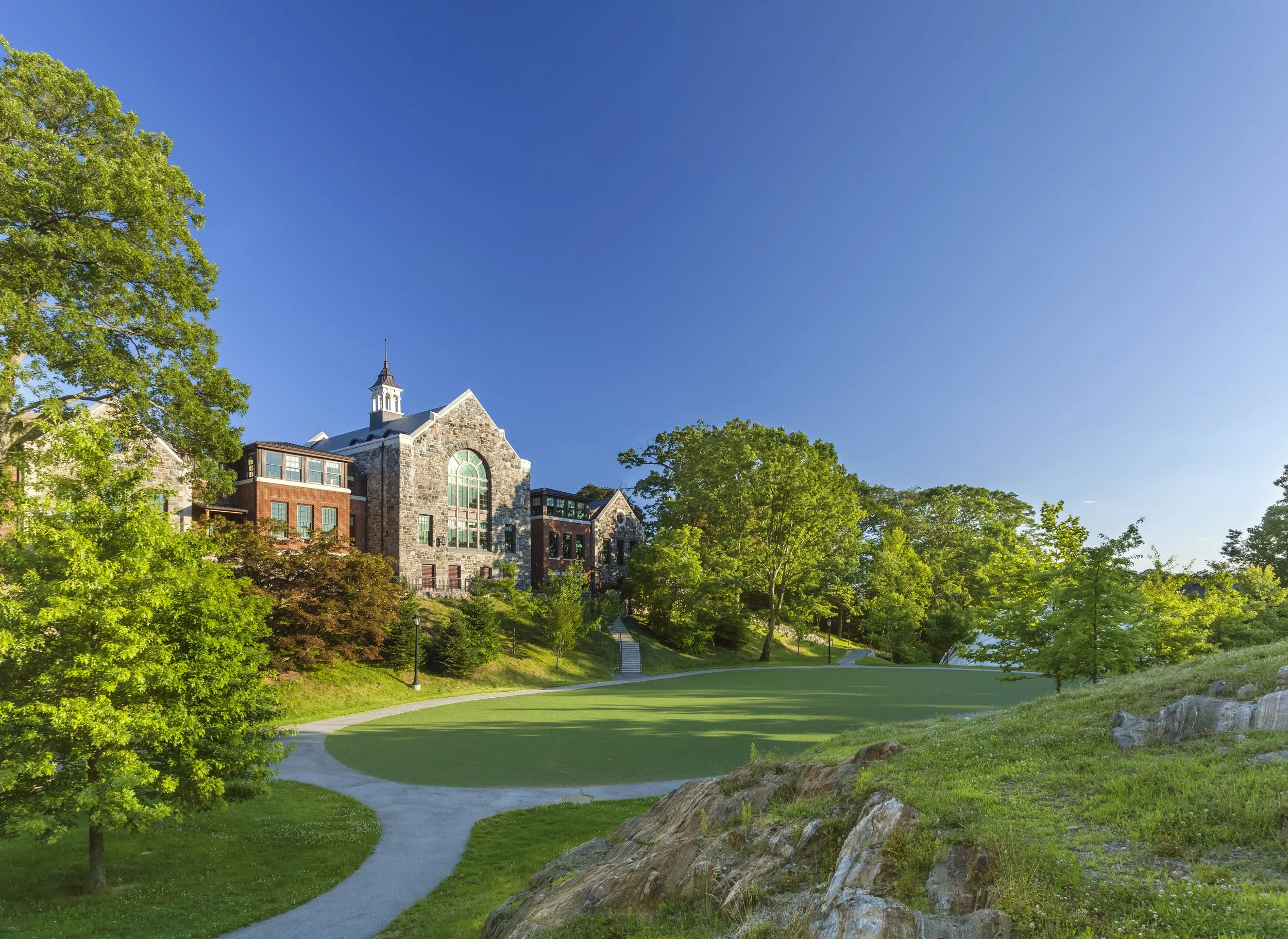
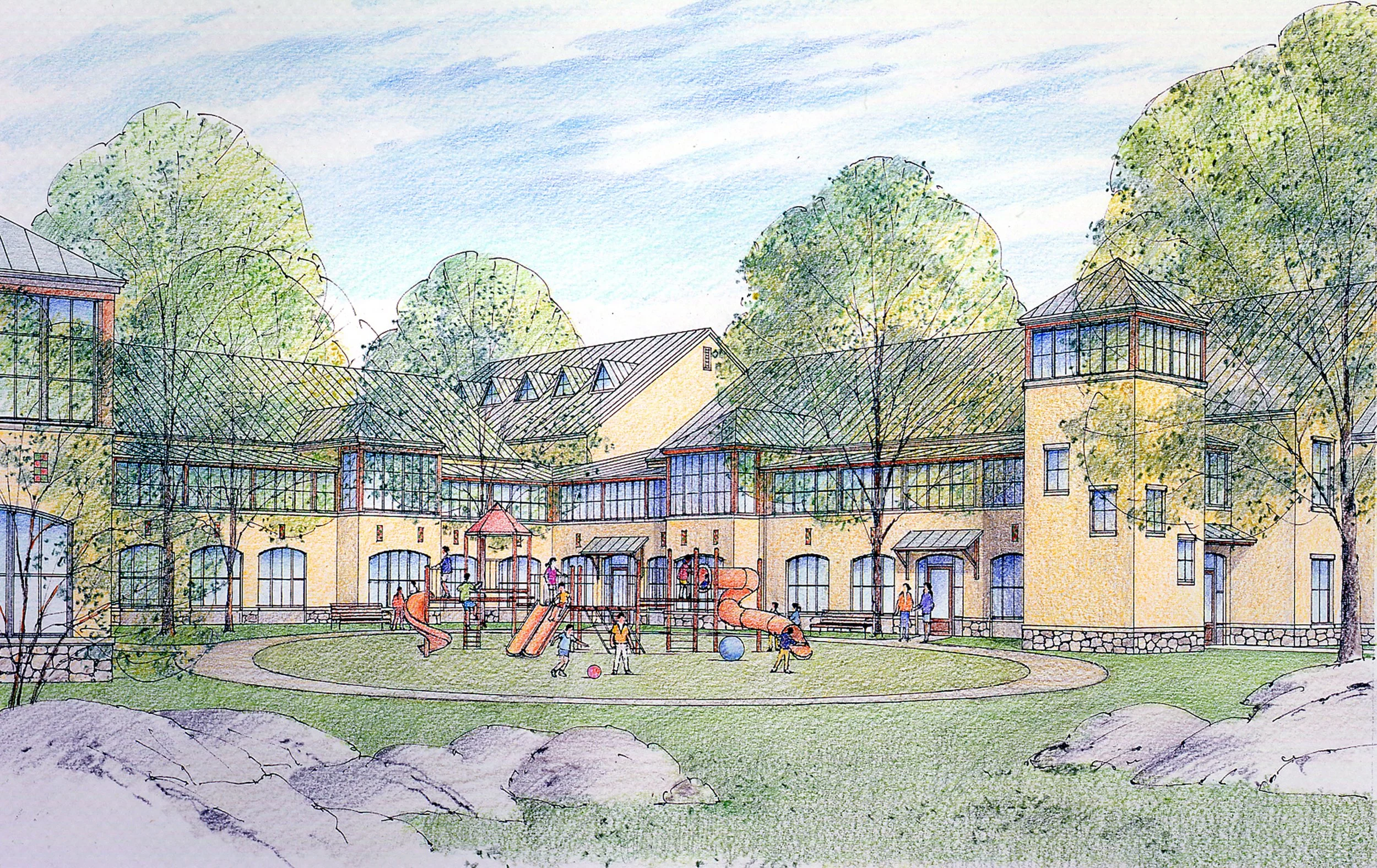
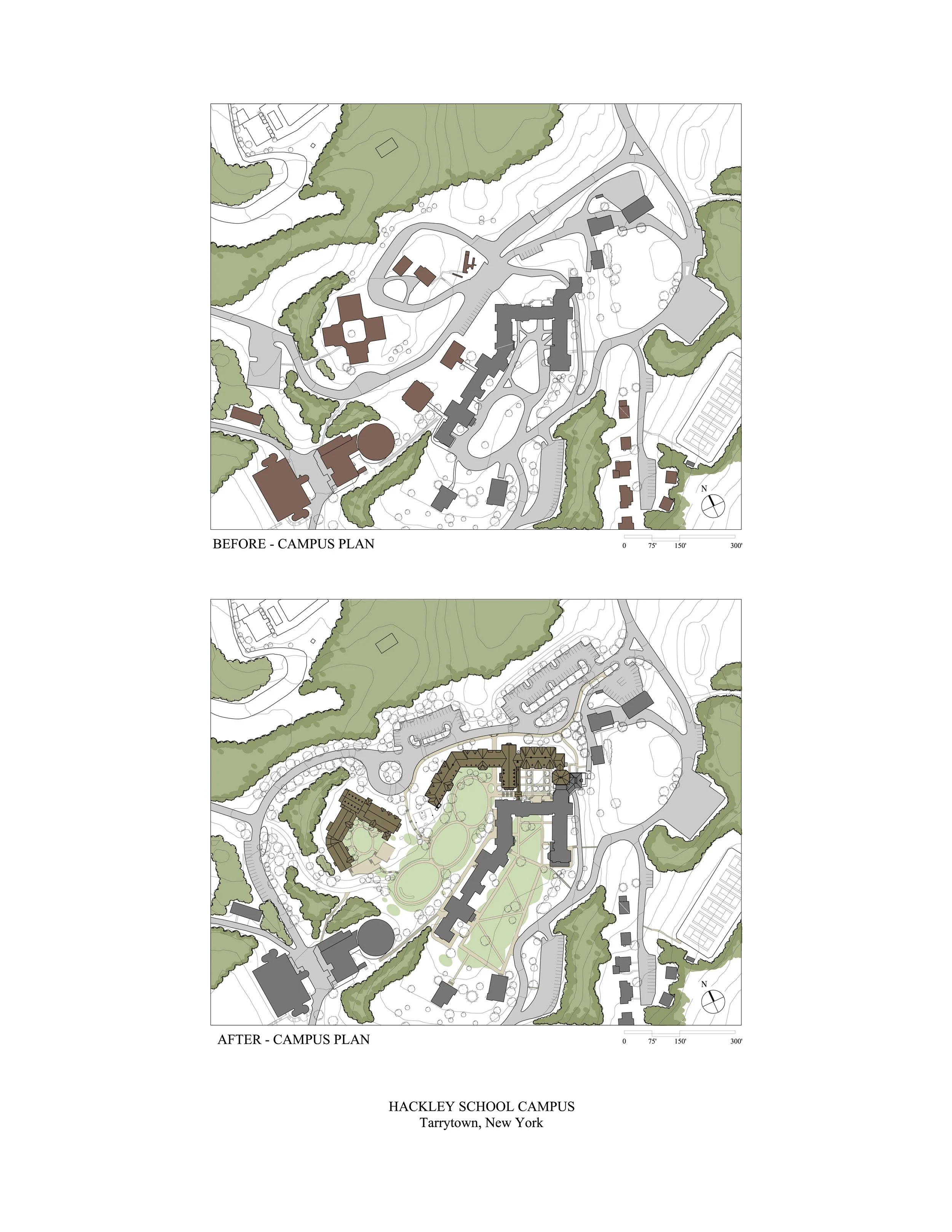
Hackley School occupies a large wooded campus and adopted a master plan that separates academic and athletic precincts. The athletic fields and trails project developed the upper campus as a coherent sports precinct, responding to the school's needs for organized play, spectator facilities, and safe circulation while respecting ecological constraints.
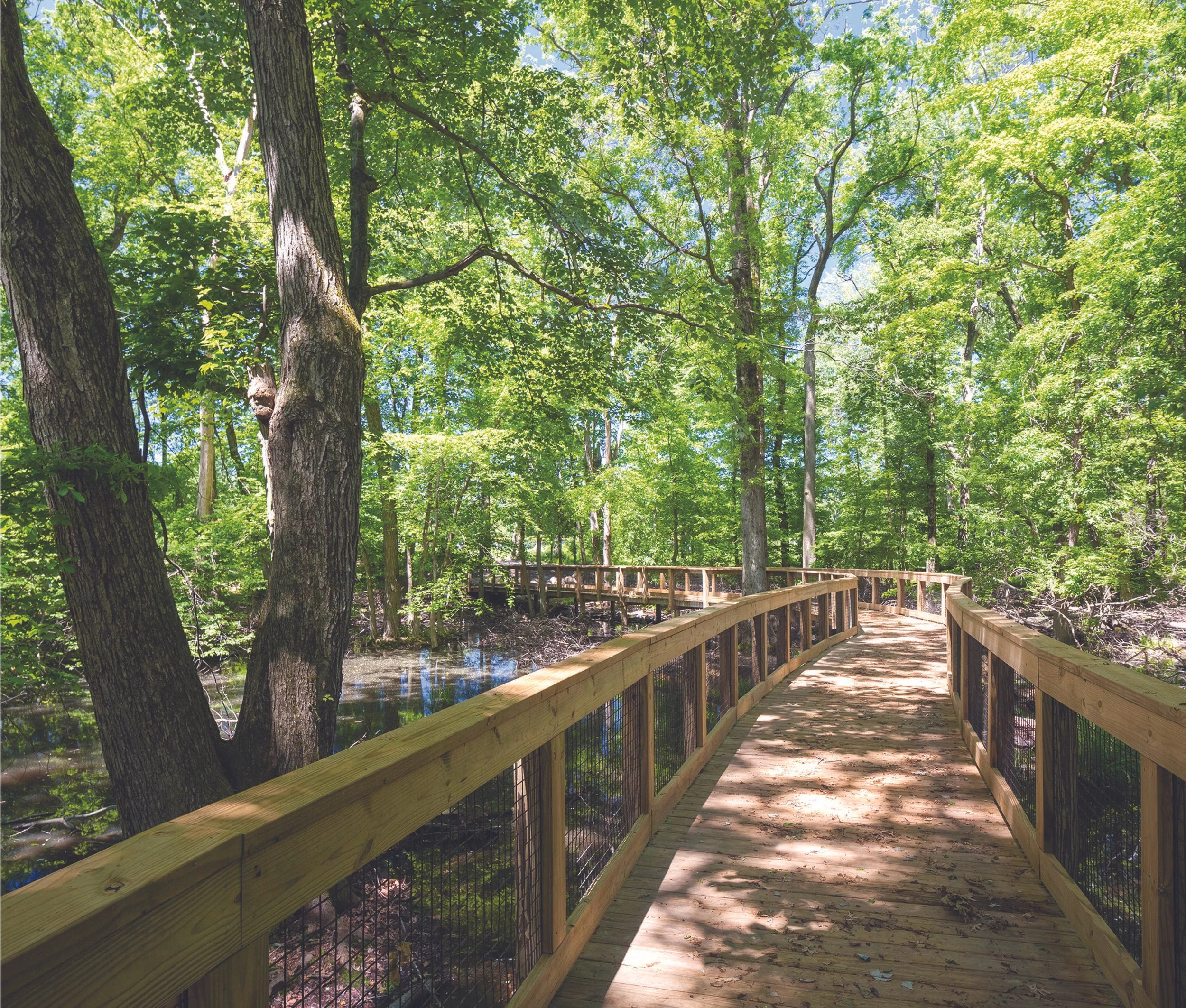
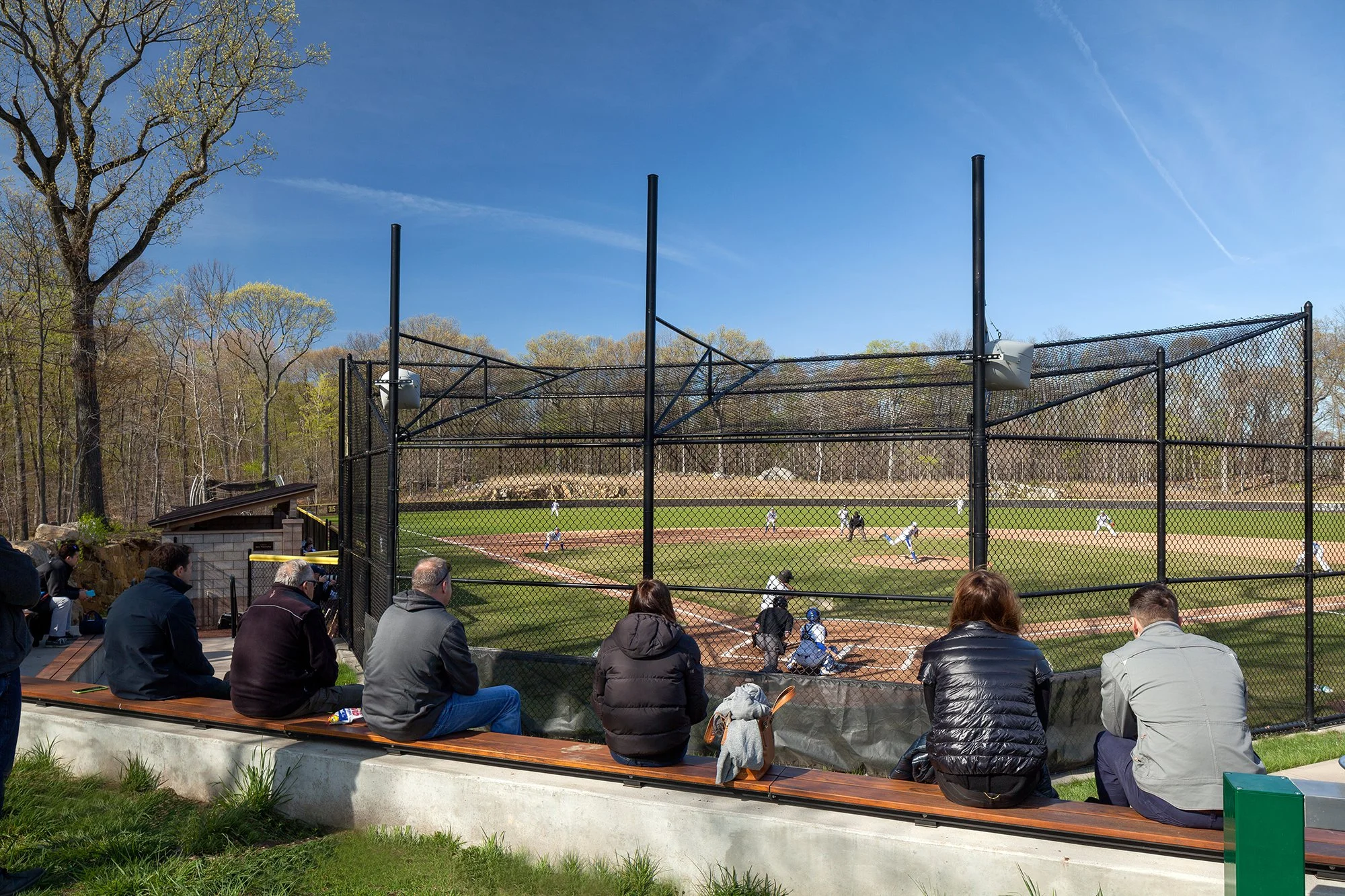
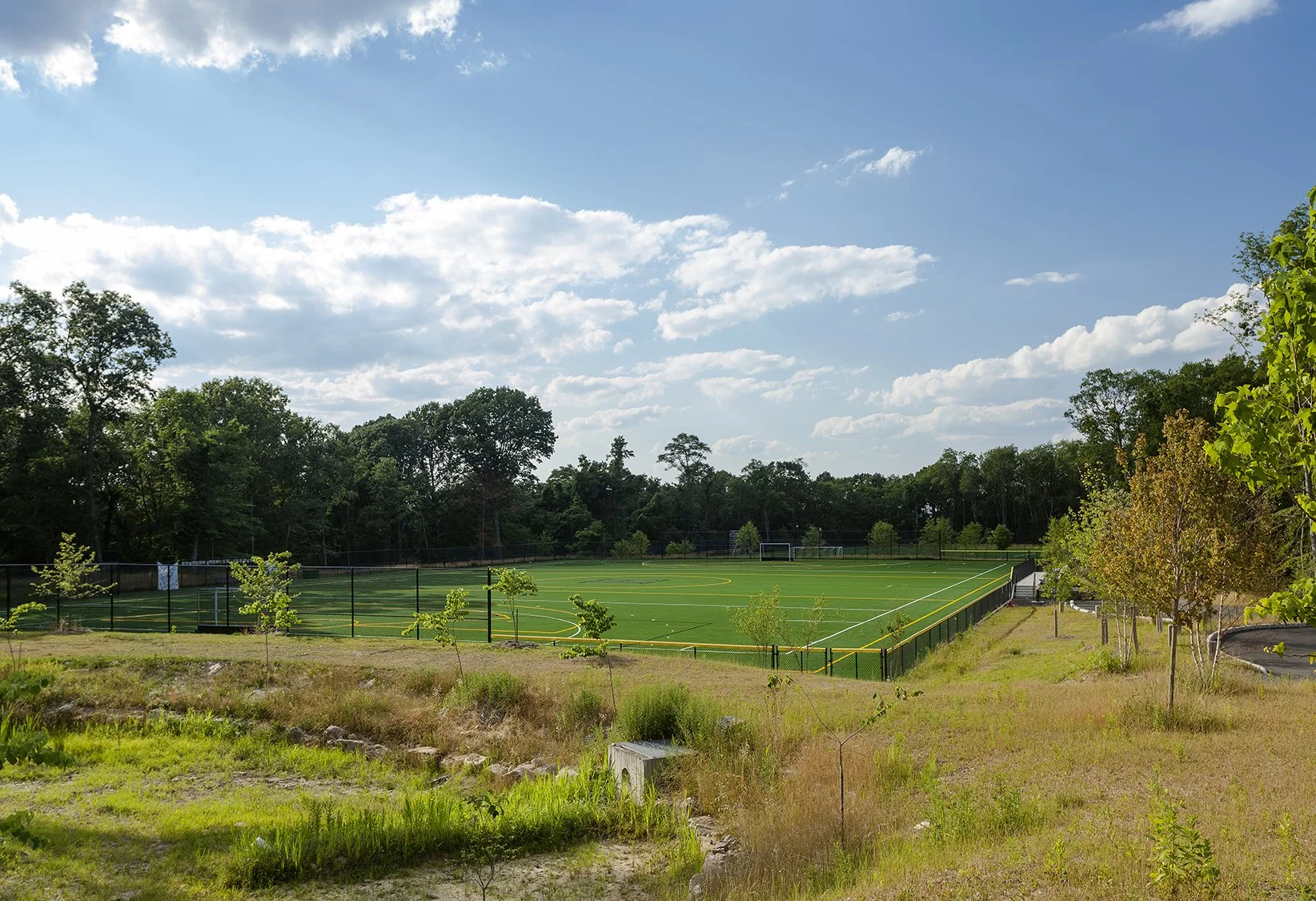
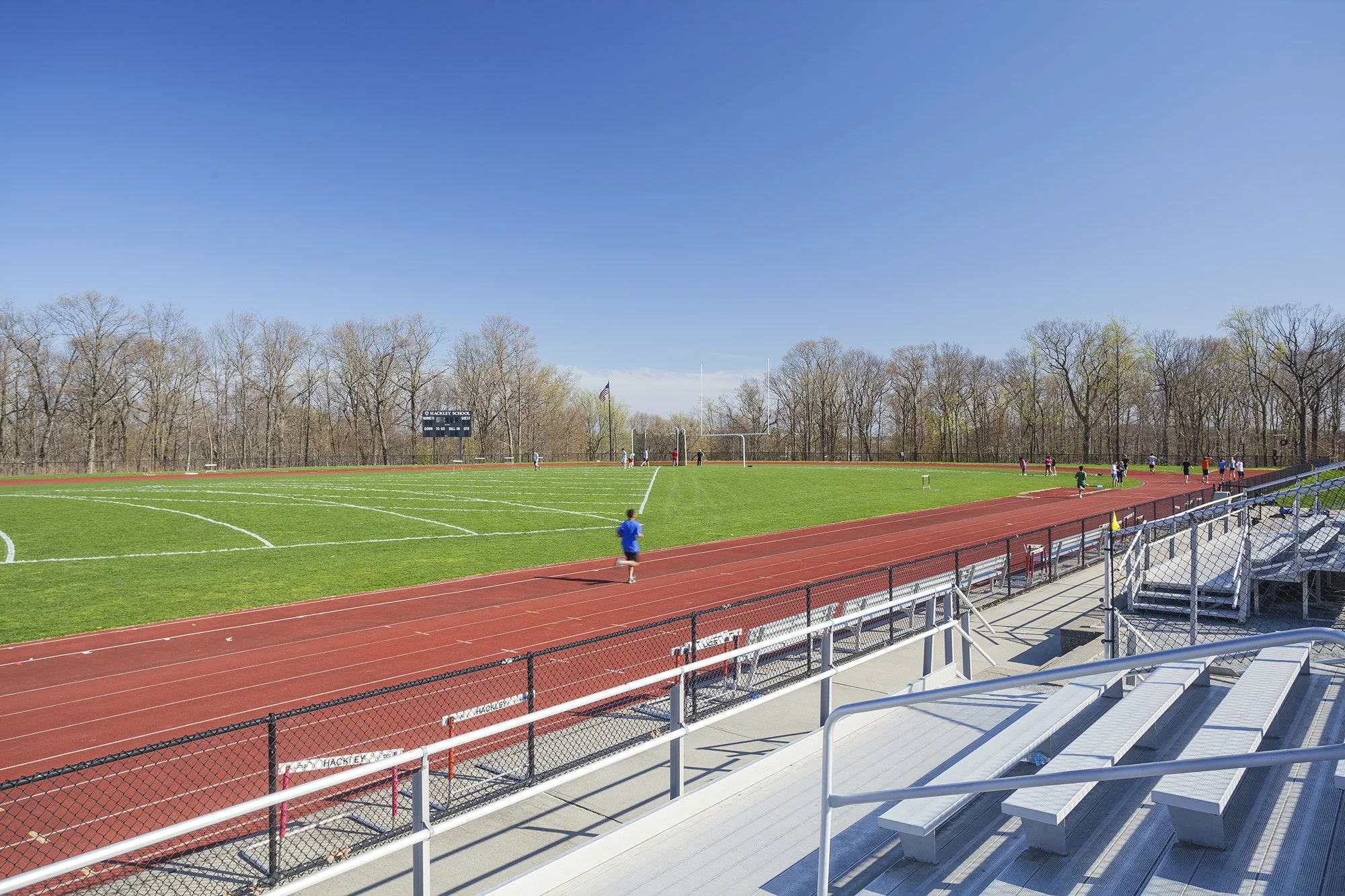
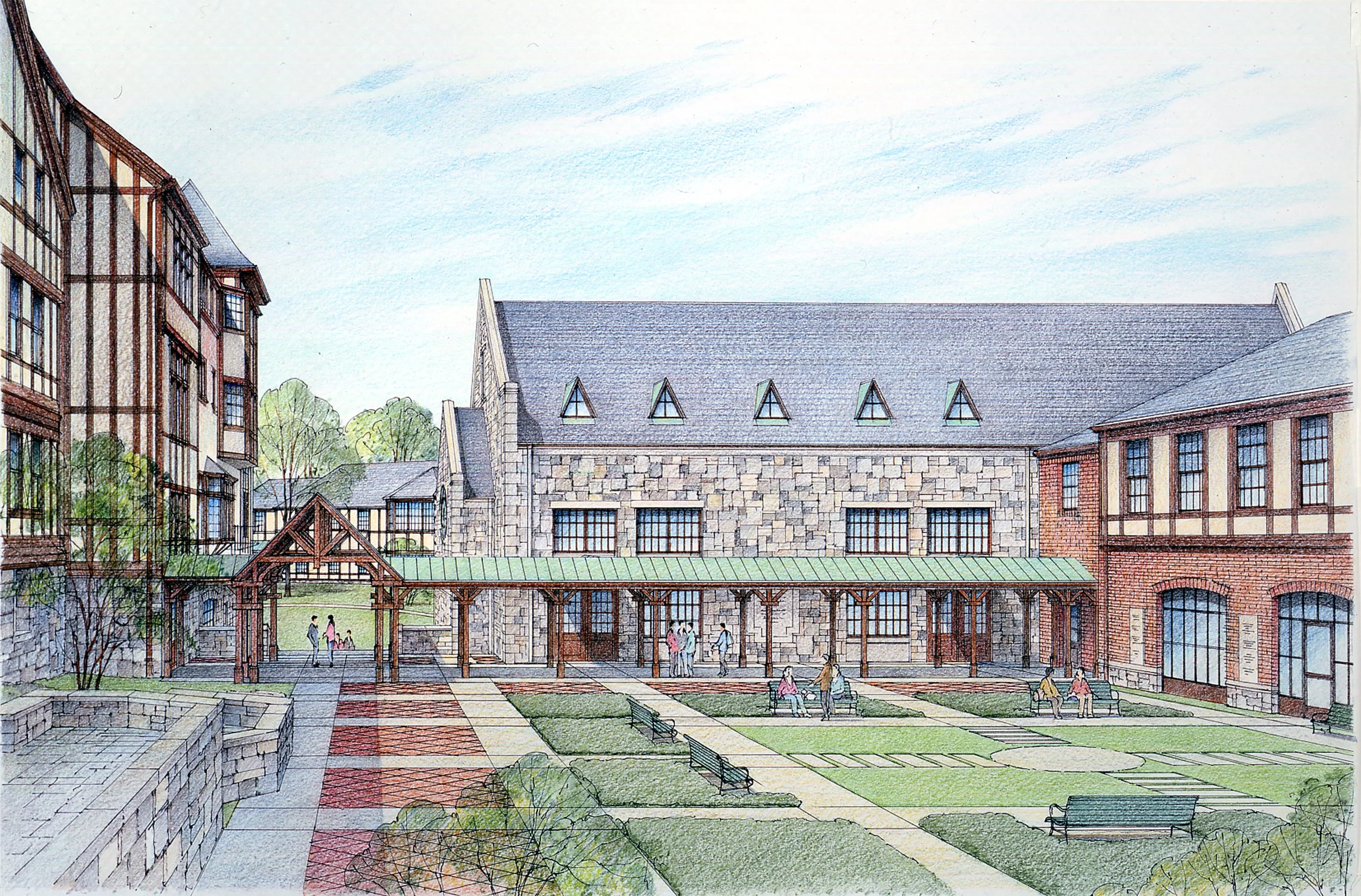
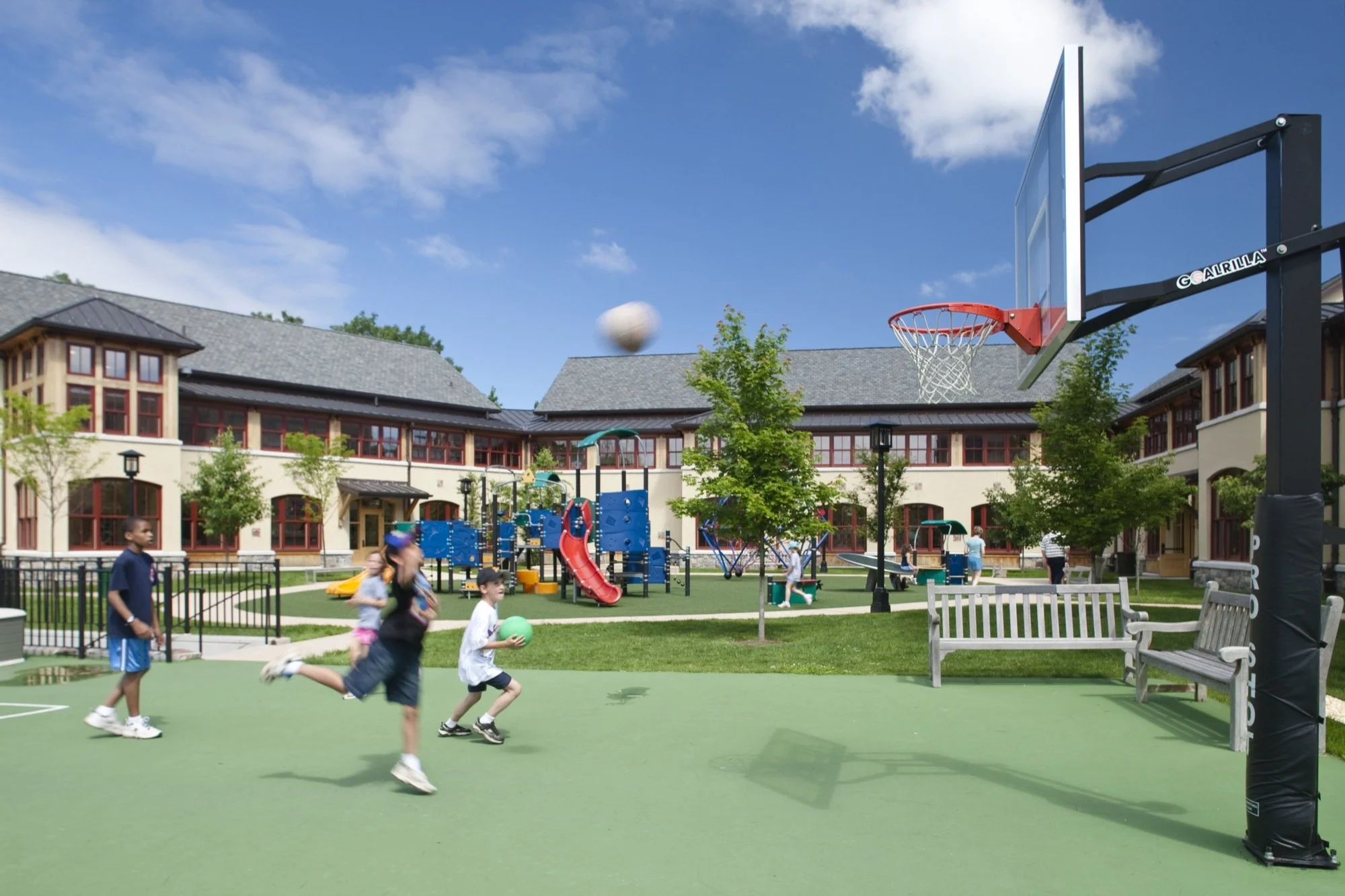
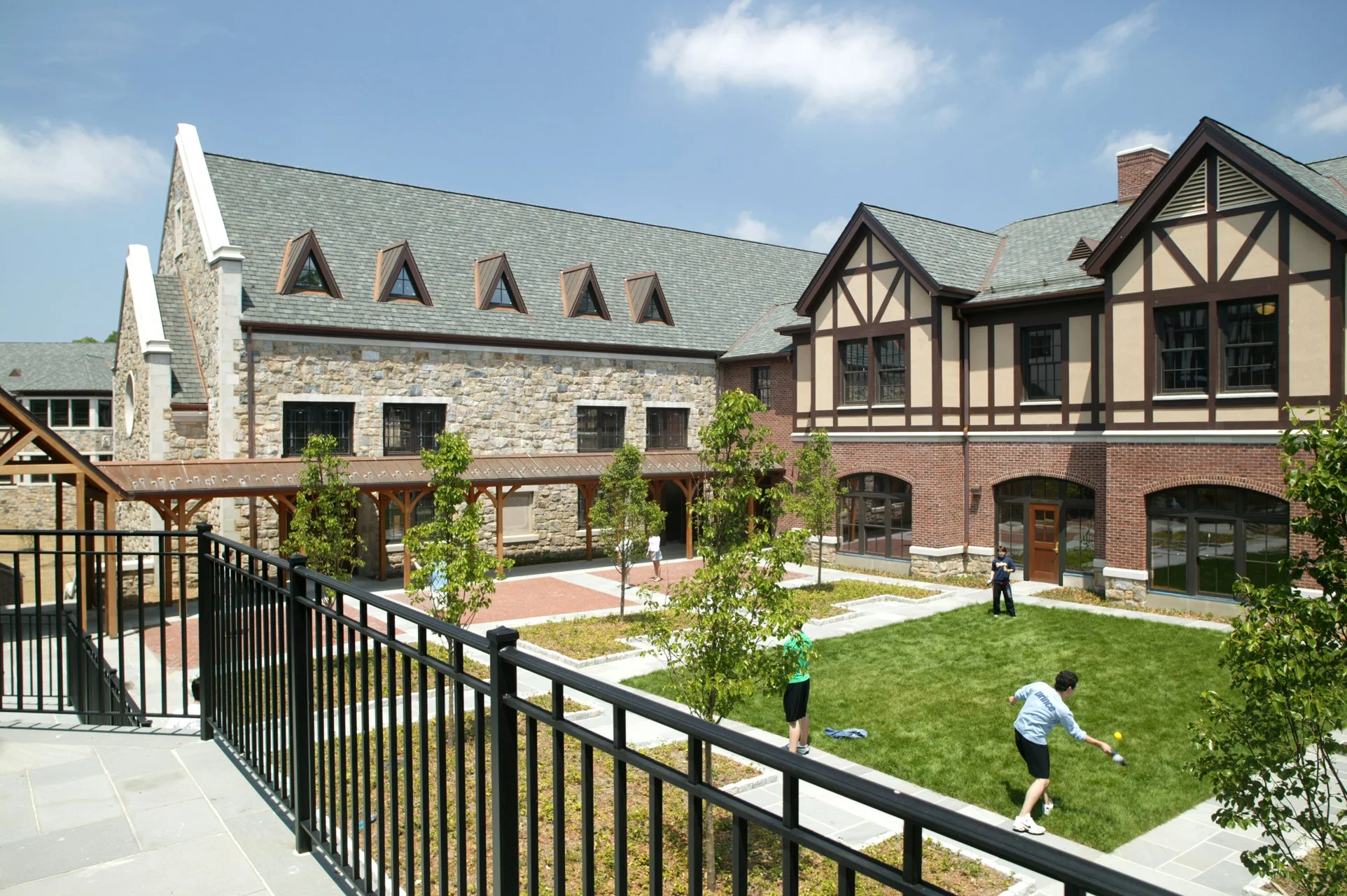
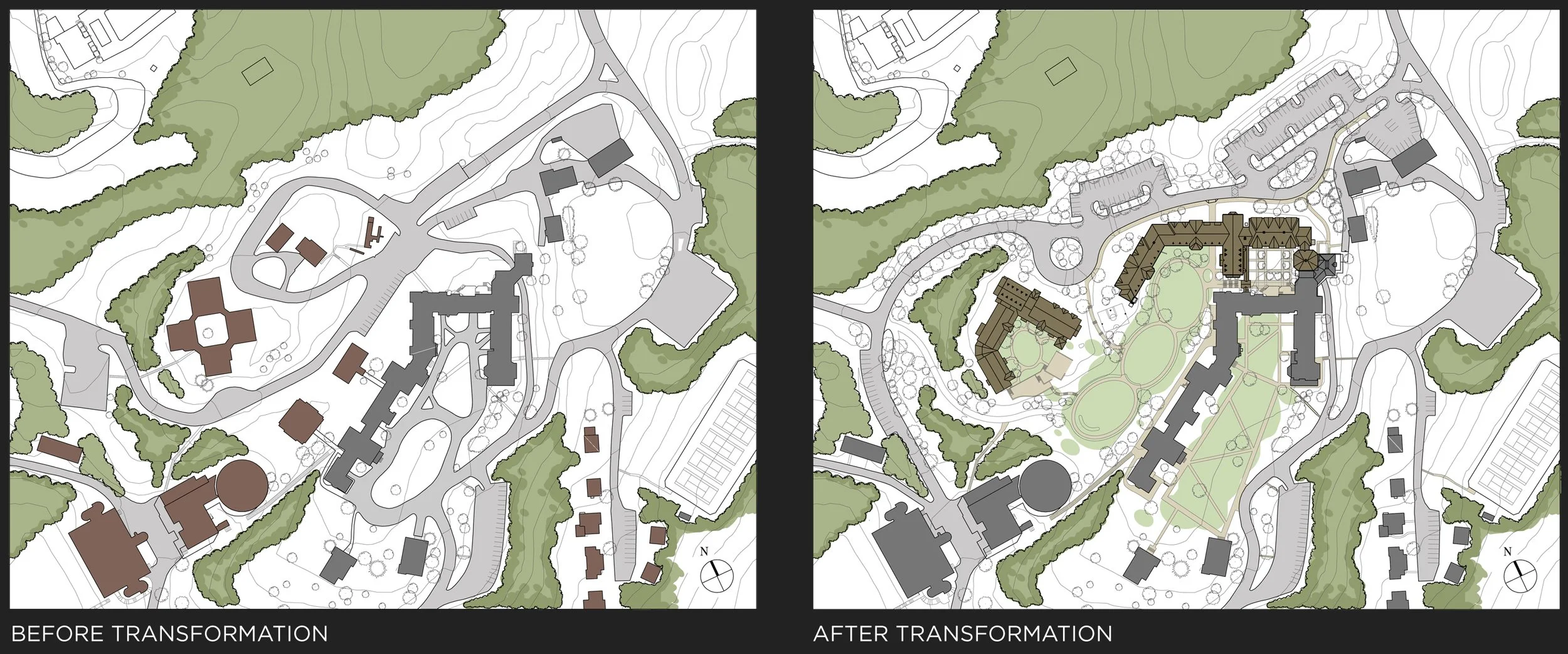
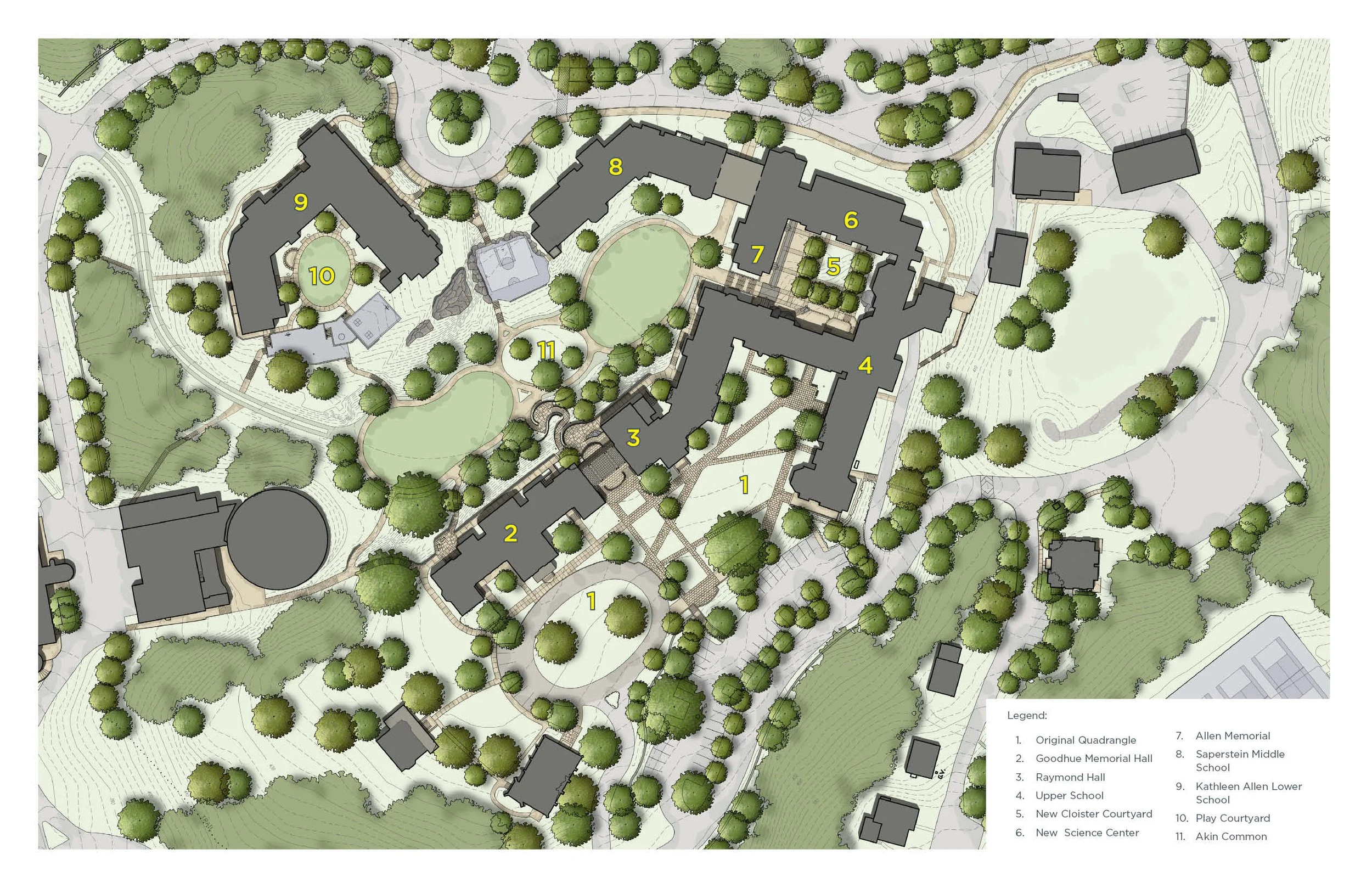
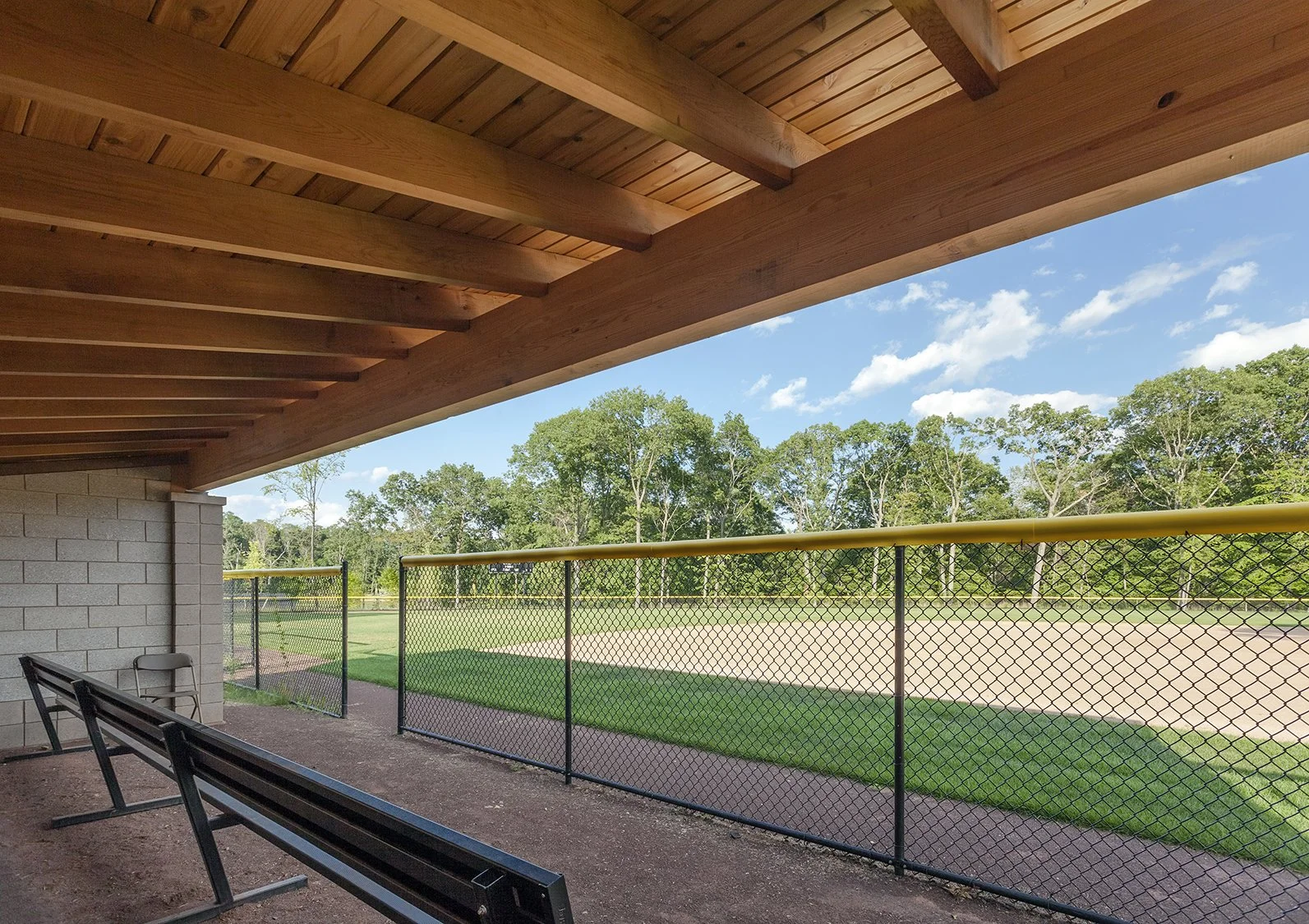
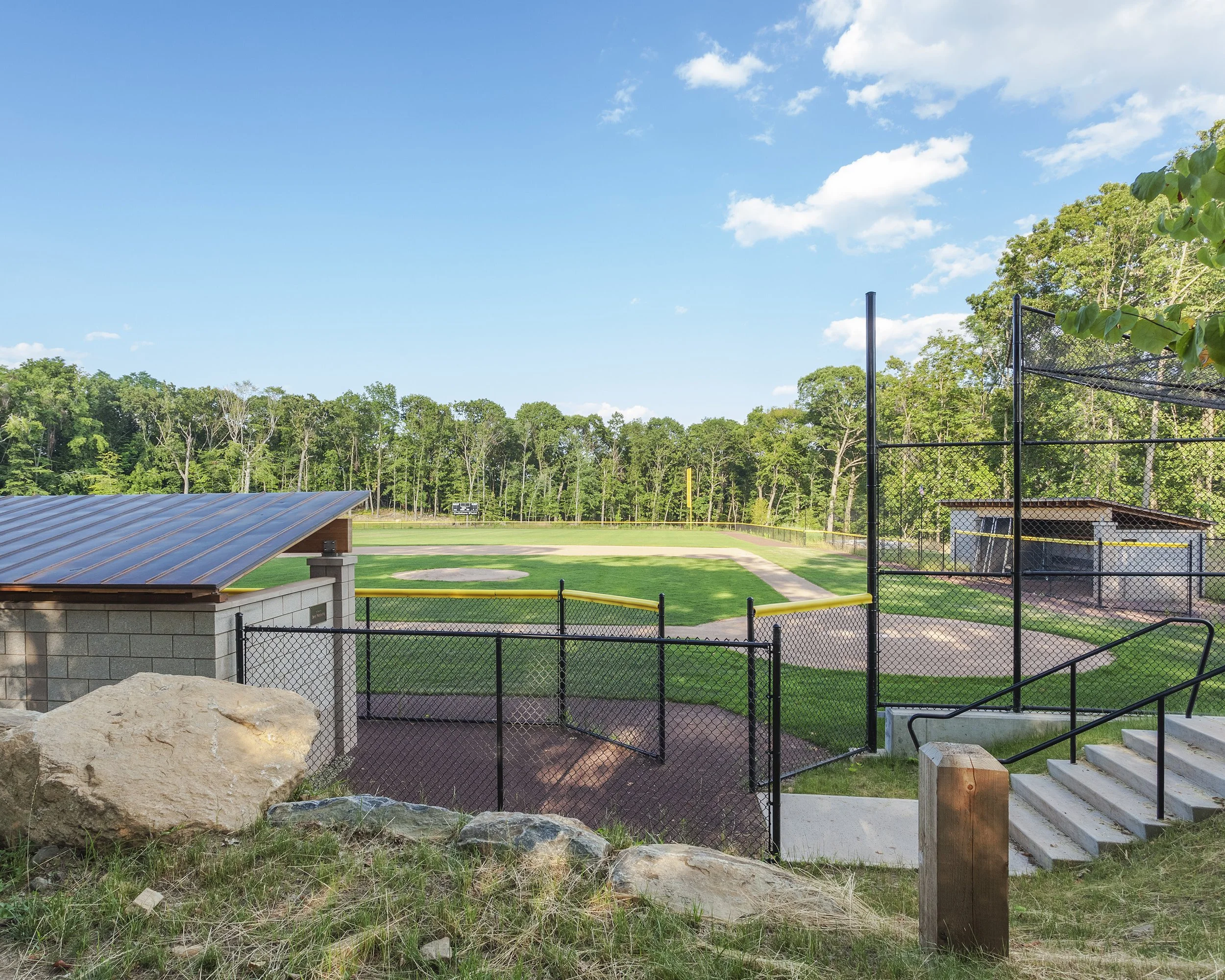
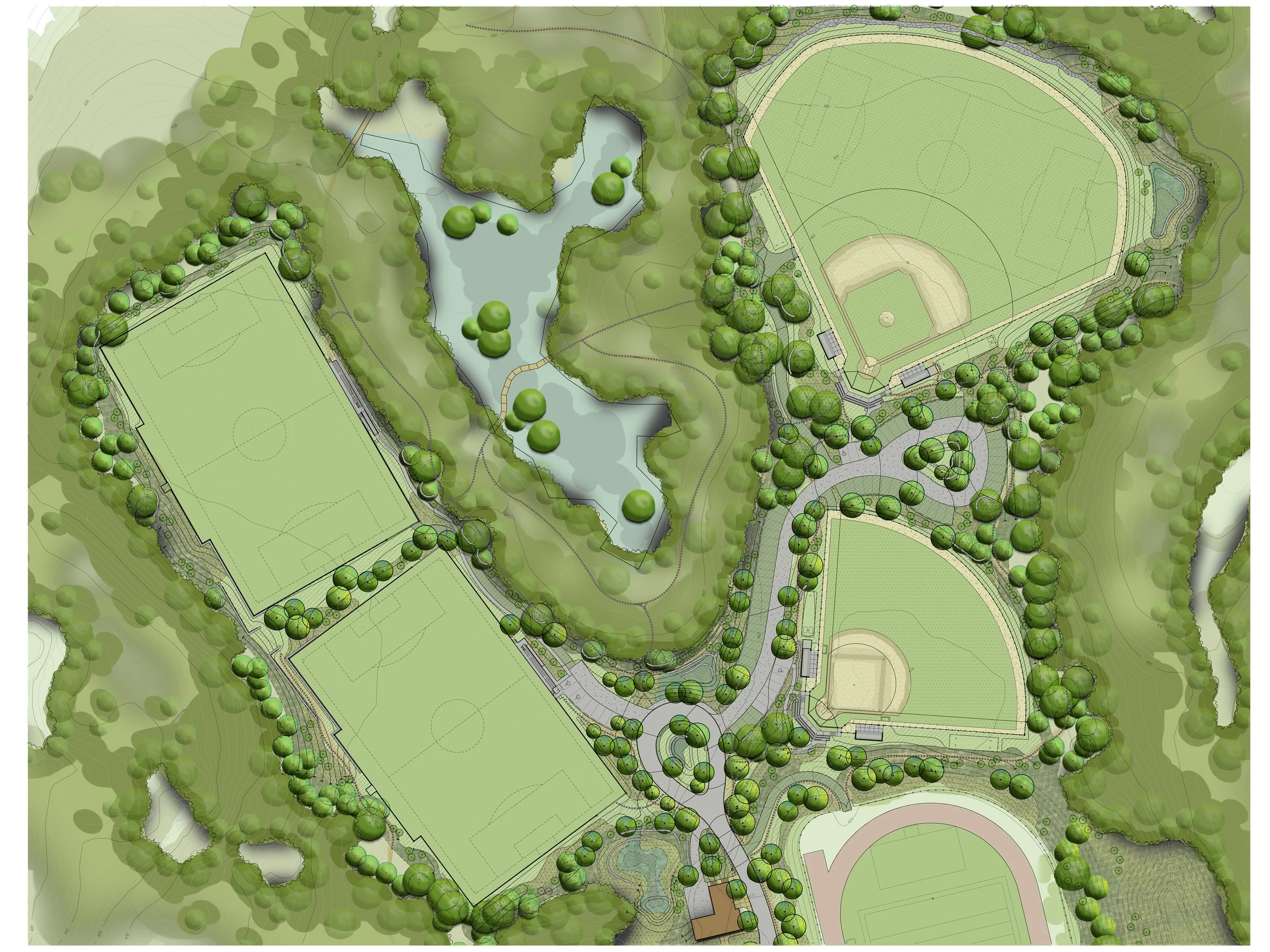
The design clusters new playing fields, an all-weather track, spectator seating, dugouts, and a support building to create clear circulation and program adjacencies. A new trail system was carefully routed to provide loop runs, race paths, and small walking circuits for ecological study, connecting athletic areas with academic zones without disturbing sensitive landscape features.
project narrative
-
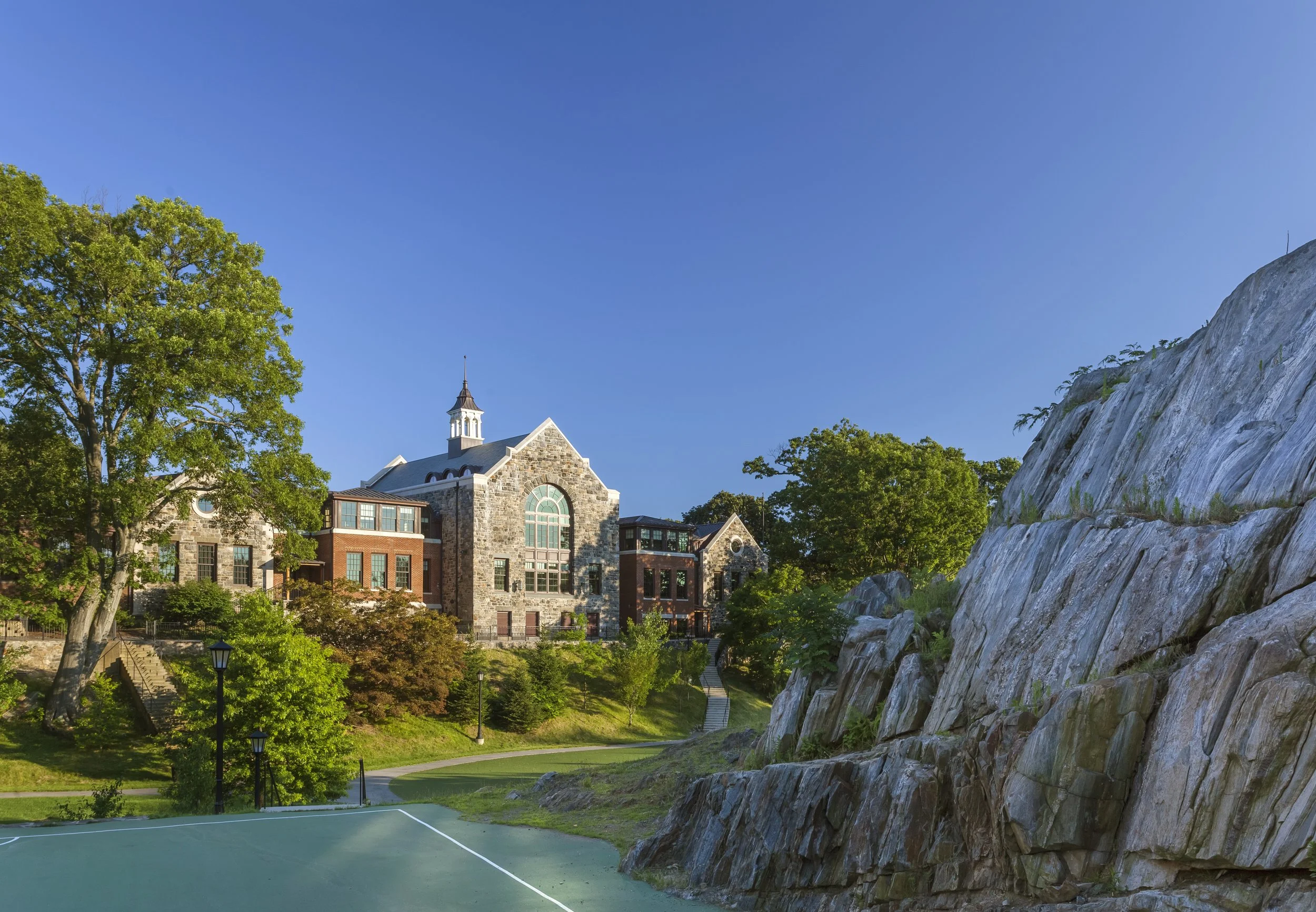
Hackley’s expanded property included steep slopes, rock outcrops, wetlands, and a conservation easement that constrained development.
The school needed organized, durable athletic facilities and safe circulation without compromising the character of the wooded site.
To address this, the design had to accommodate multiple sports programs, spectator needs, and cross-country routing while limiting ecological impact.
-
Building on a campus master plan that separated academic and athletic life, the concept concentrated sports facilities into an upper precinct sited on less sensitive terrain.
This strategy preserves the larger landscape by minimizing grading and intrusion, while creating a legible cluster of fields and support spaces.
A complementary trail network weaves through the site to balance recreation, competition, and ecological learning.
-
The approach paired careful siting with durable materials and simple support buildings to reduce maintenance and footprint.
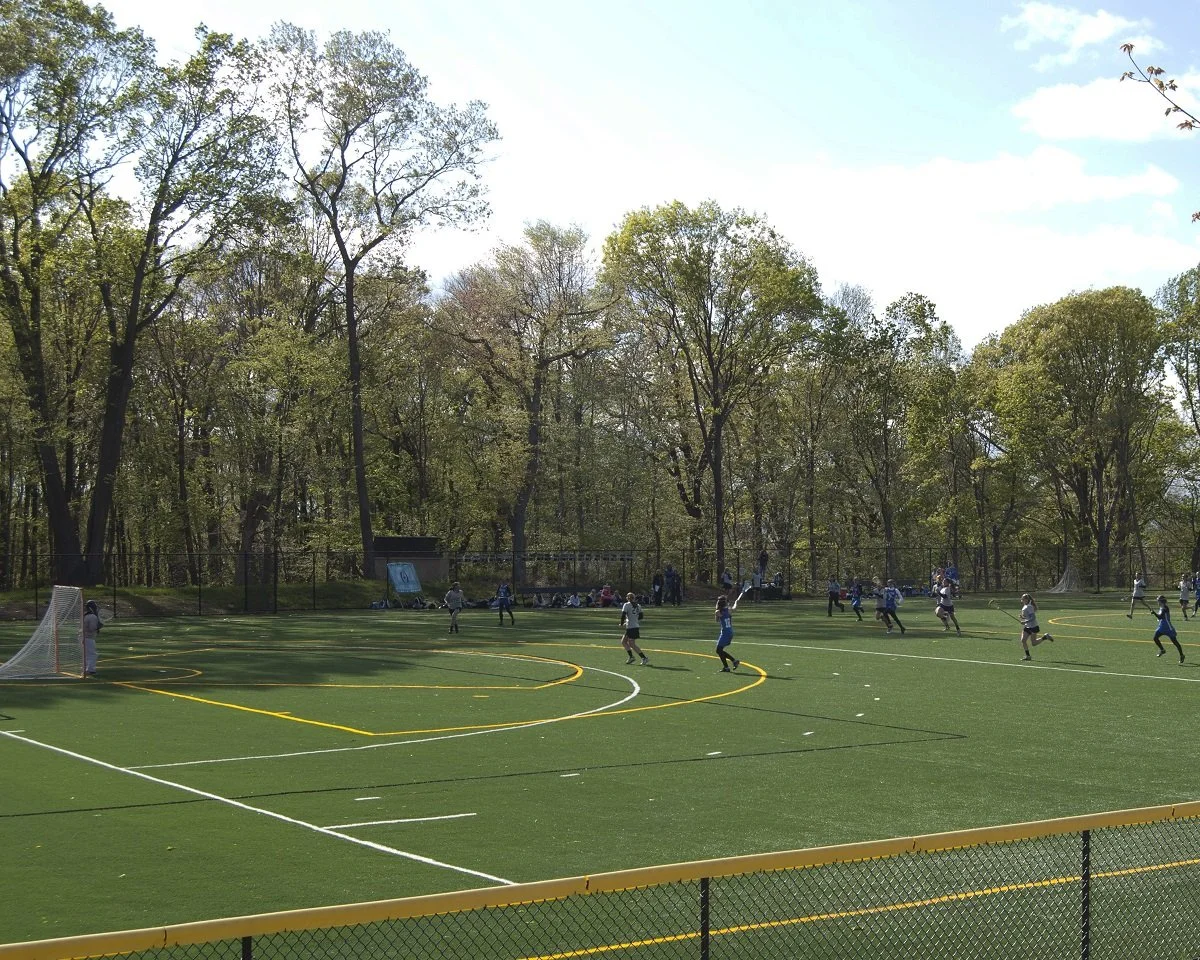
Fields and the track were placed to respect topography and views, while synthetic turf and all-weather surfacing provide year-round use.
Trail alignments avoid wetlands and rock outcrops, and loops of varying length connect to playing fields and academic areas to support events and daily campus activity.
project outcome
A clear hierarchy of paths and sidelines supports predictable movement between play areas, spectator seating, and service points. Separate circulation for athletes, event logistics, and casual users clarifies flows during practices and competitions.
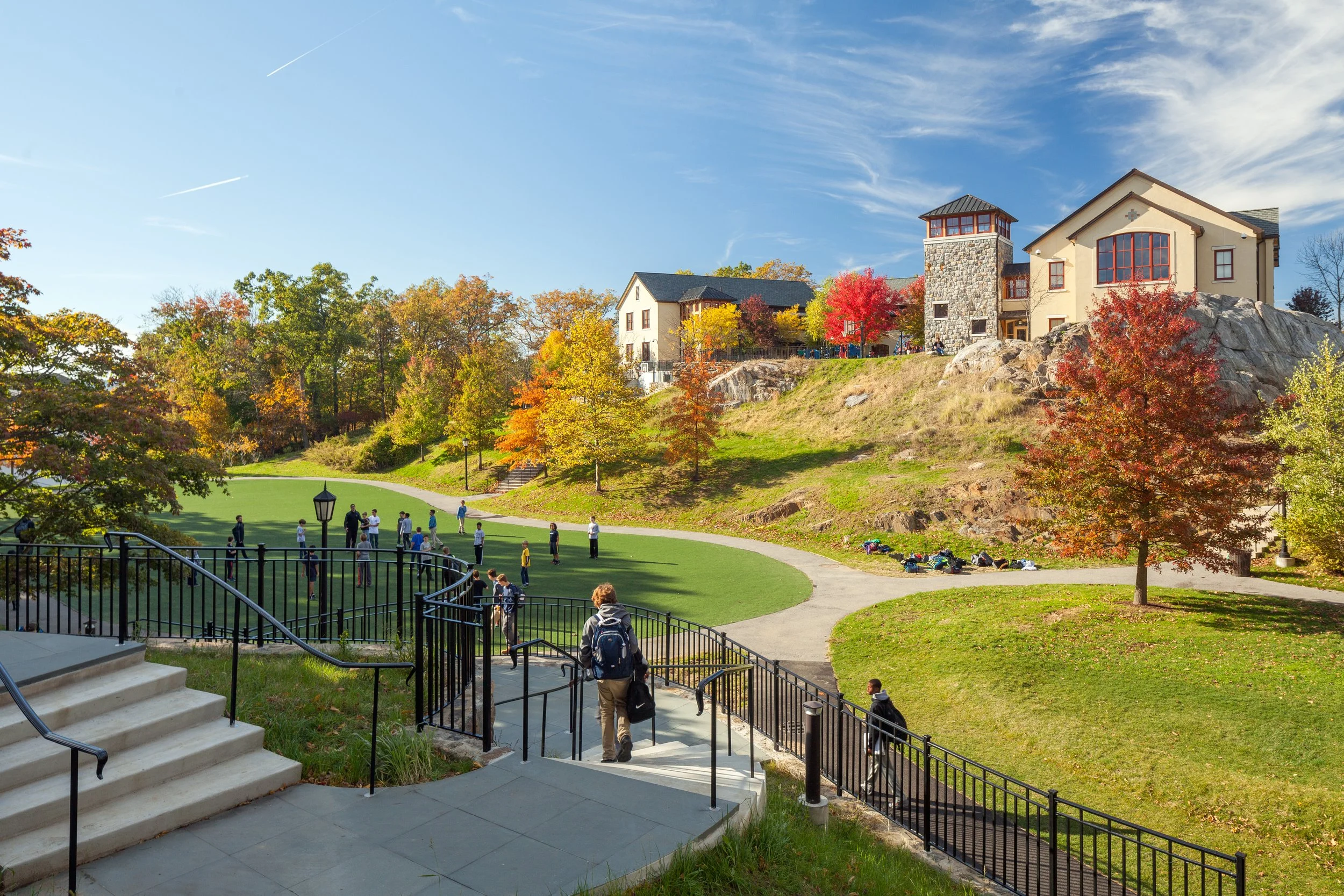
Open playing surfaces provide broad sightlines that support supervision and maintain visual connection across the precinct. Woodland edges moderate daylight and noise along trail segments, offering varied spatial conditions between open fields and wooded circuits. Trail crossings and entry points are legible and reinforce orientation for runners and walkers.
Durable surface materials accommodate intensive, year-round use and reduce maintenance interruptions. Flexible field layouts and compact support facilities connect to trail loops and service routes, supporting a range of events and routine campus activity.
let’s continue the conversation
Every project begins with listening. If you’re considering a new campus, building, or landscape, we’d welcome the chance to talk through your goals, challenges, and aspirations. Our team works collaboratively to shape places that feel grounded, connected, and built to serve people well over time.