campus planning
college of mount saint vincent
2007, 2015, ongoing
riverdale, ny
70 acres
campus planning, landscape
collaborators
Structural: Anastos Engineering
MEP: Princeton Design Group
Site/Civil: TRC
Site/Civil: Raymond Keyes
Other: Watsky
Higher Ed. Planner: Paulien & Associates
a master plan that organizes a terraced hudson river campus into connected outdoor rooms.
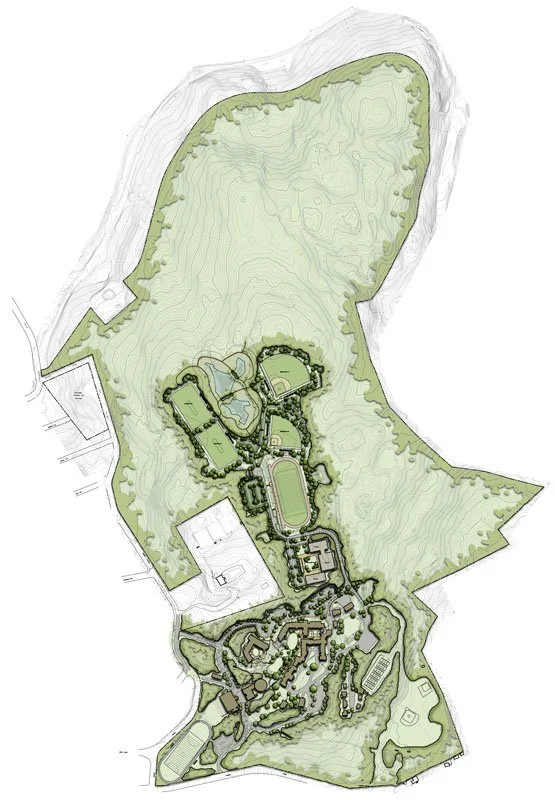
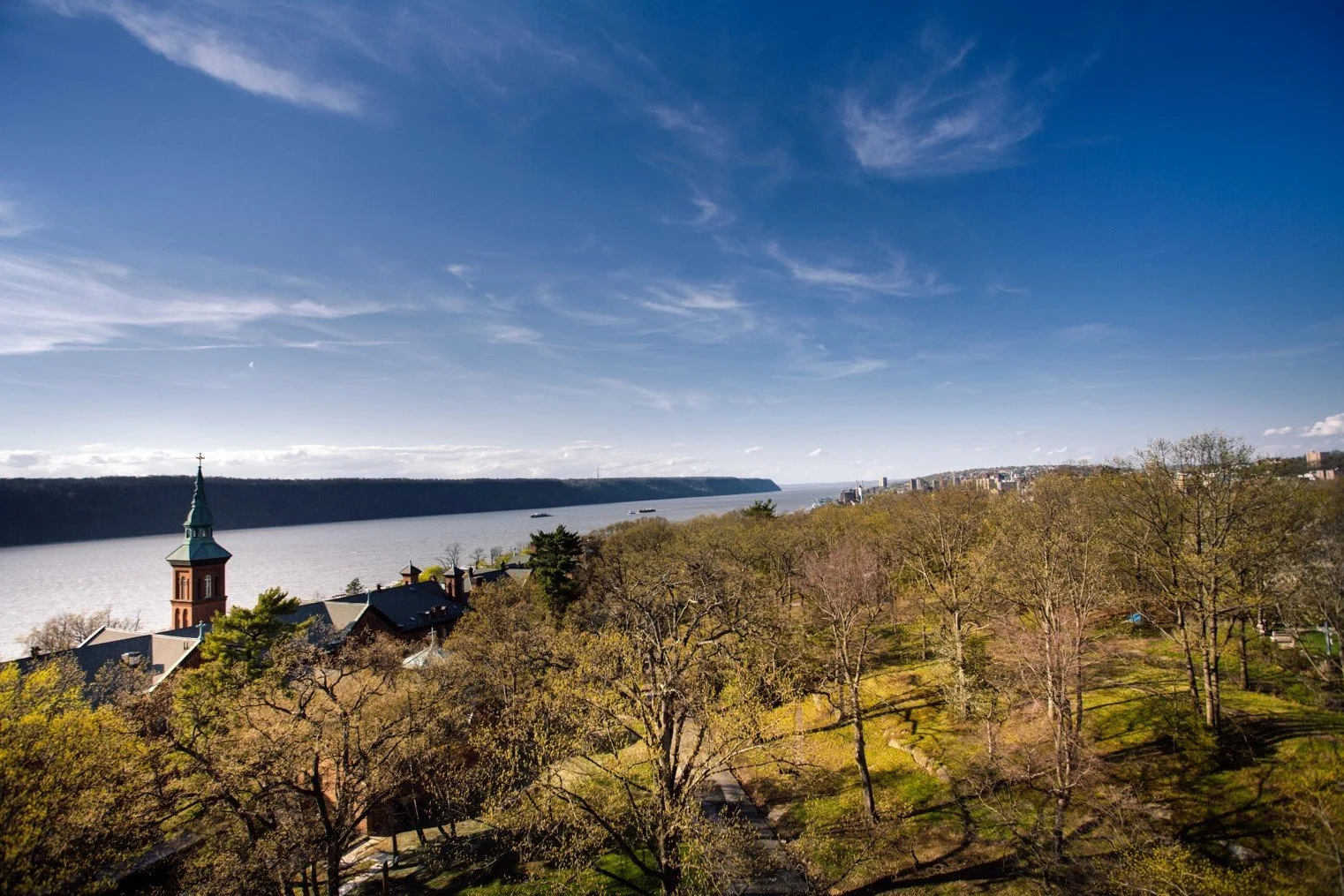
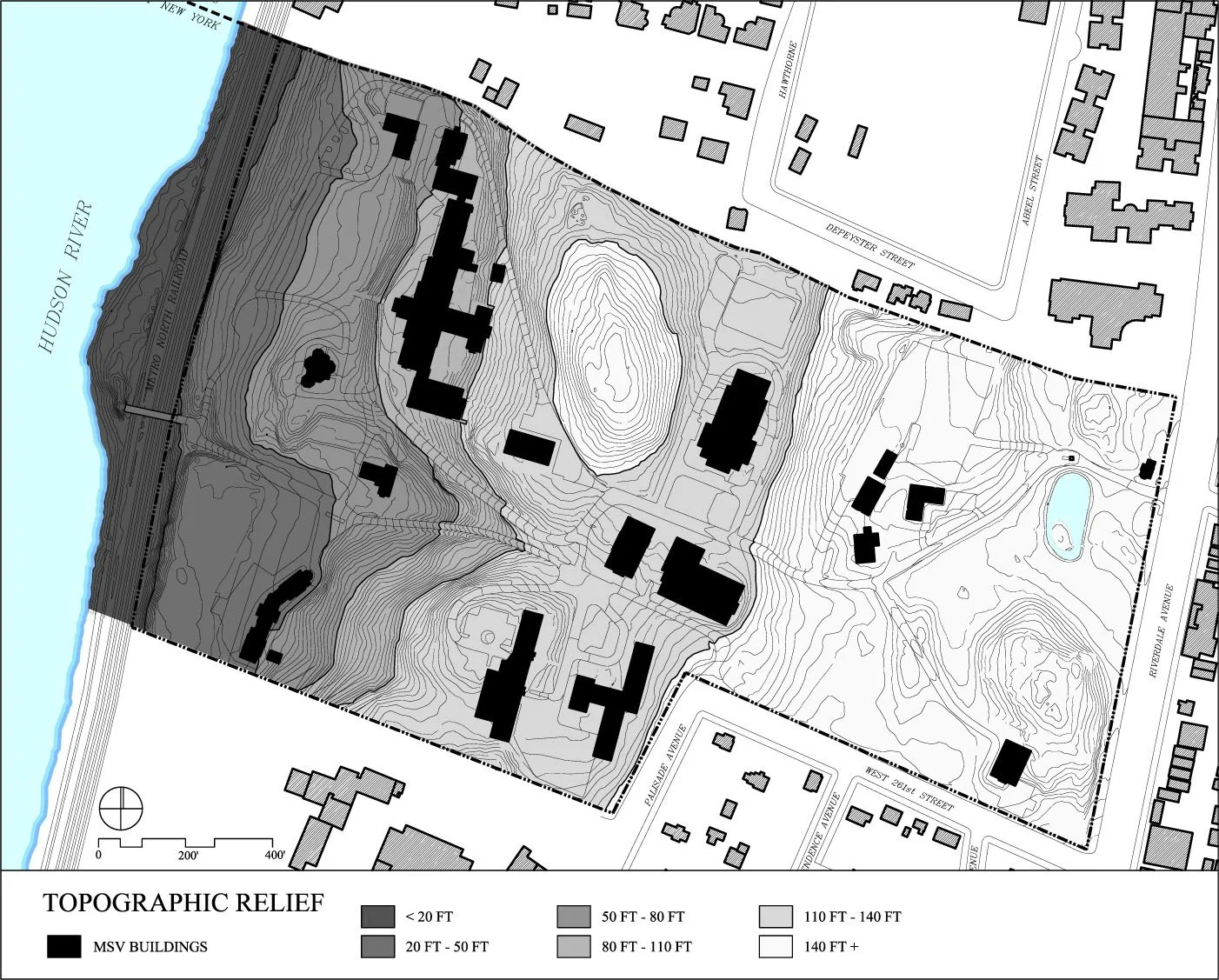
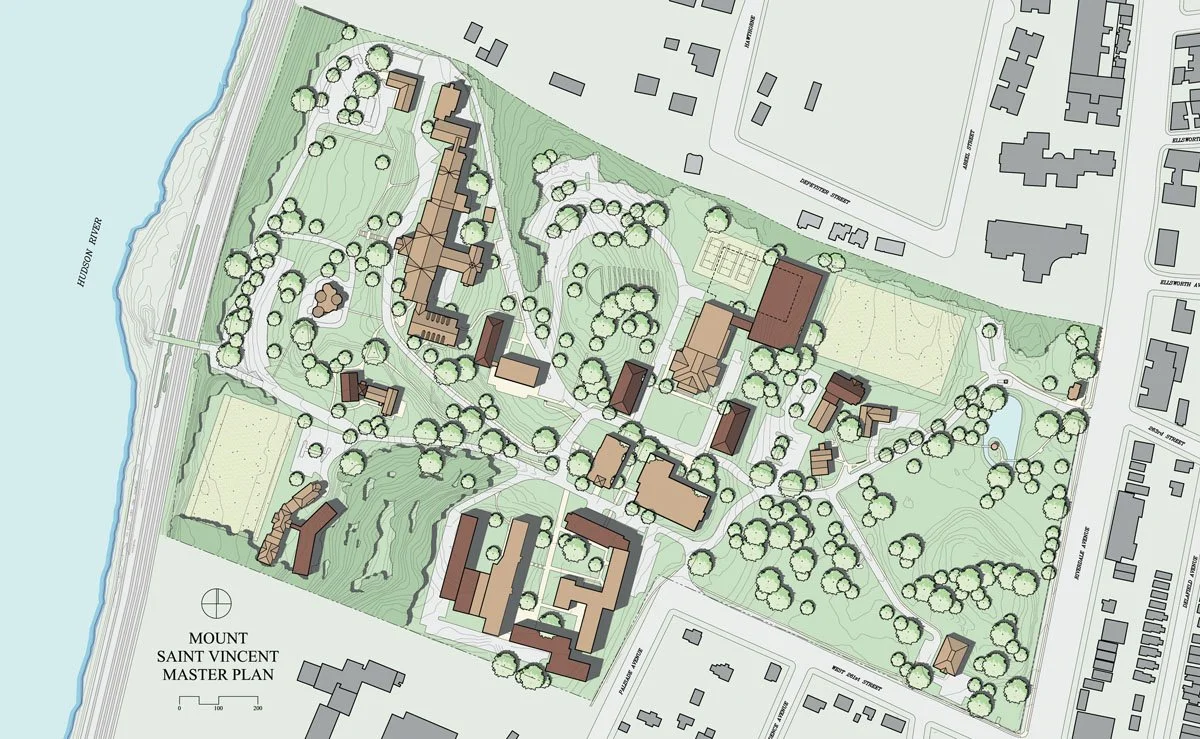
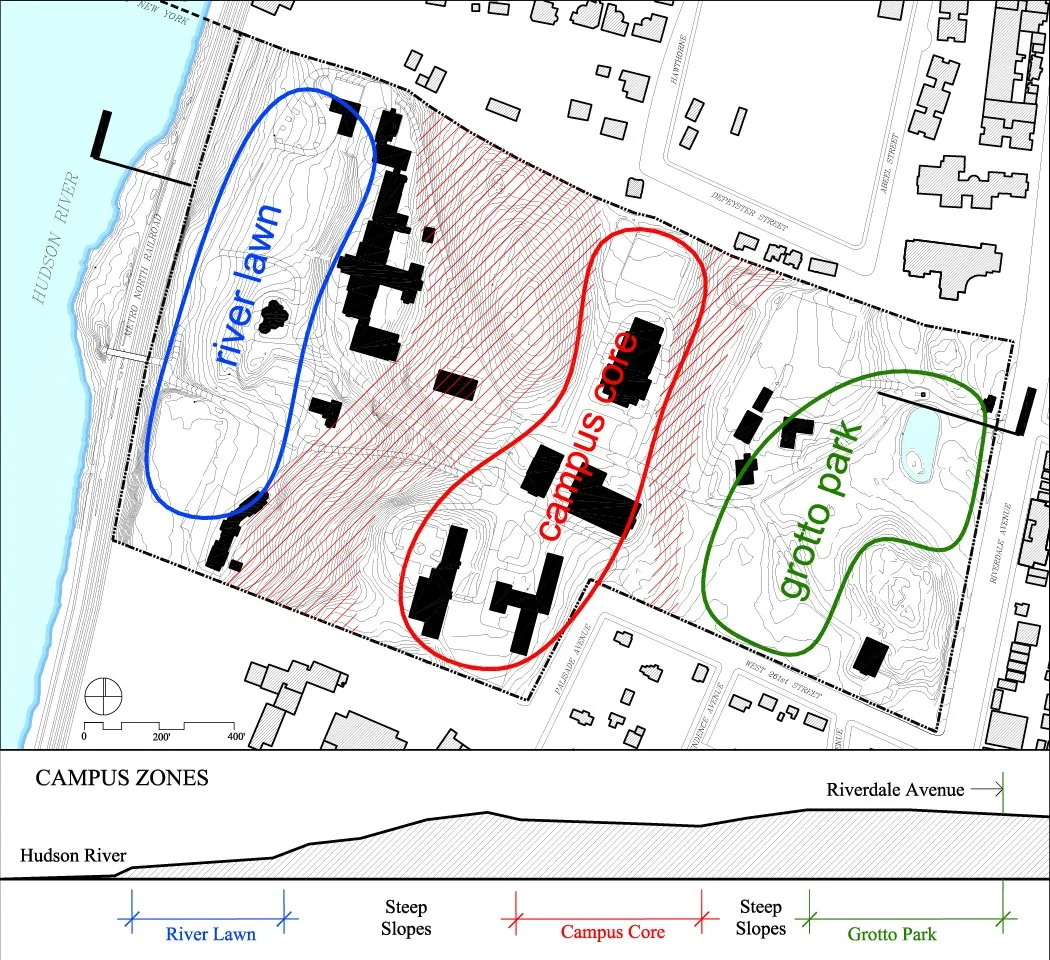
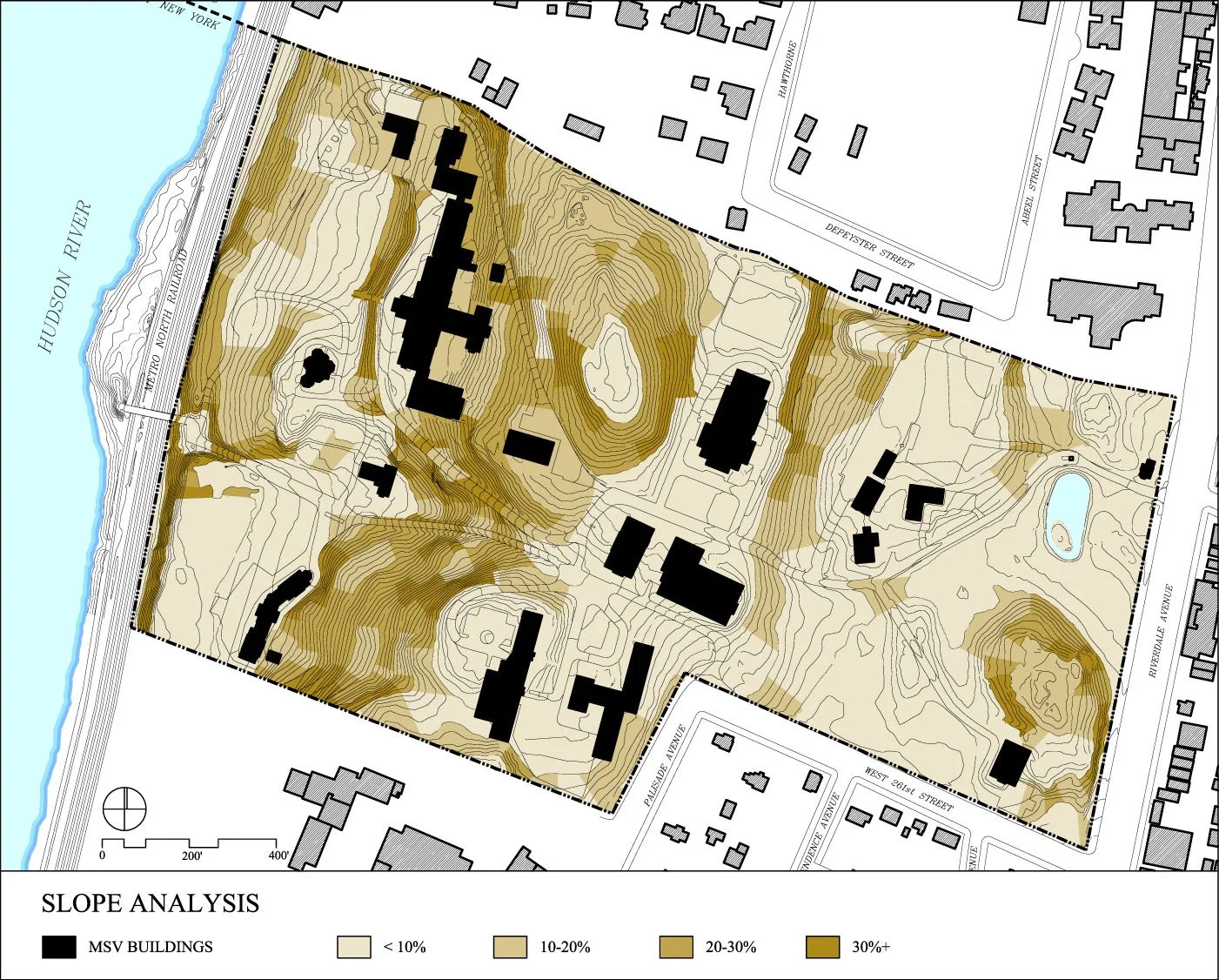
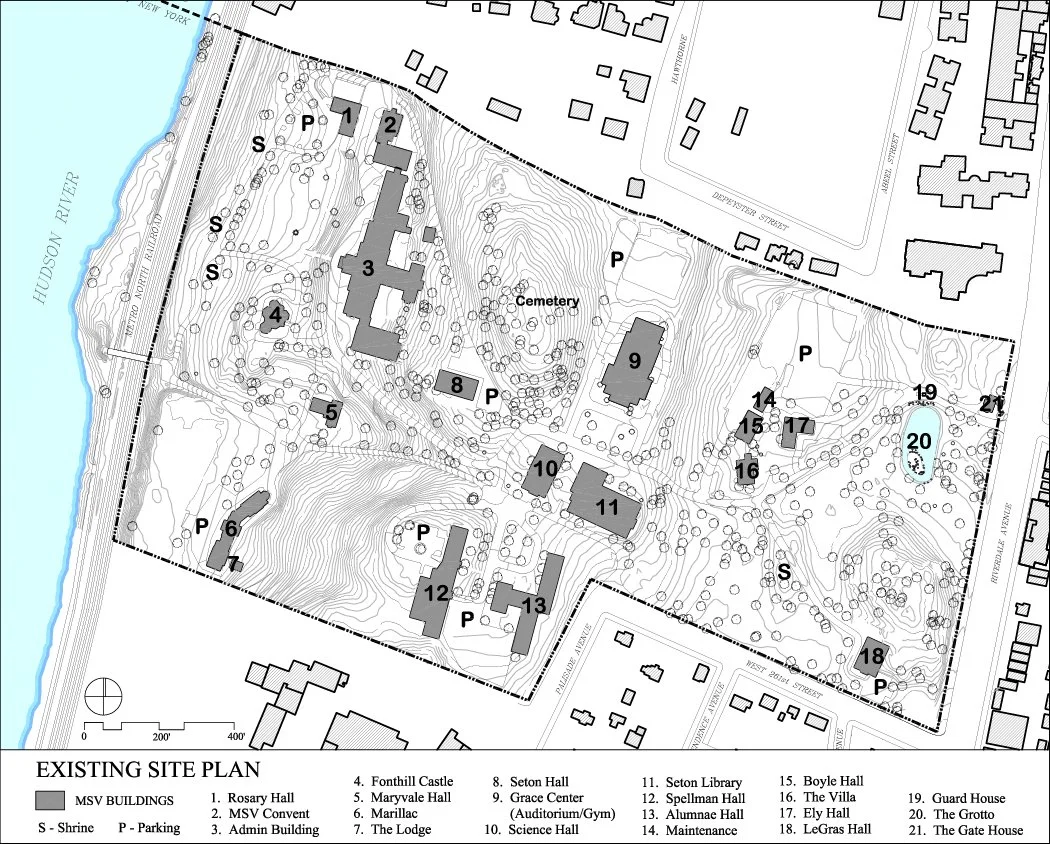
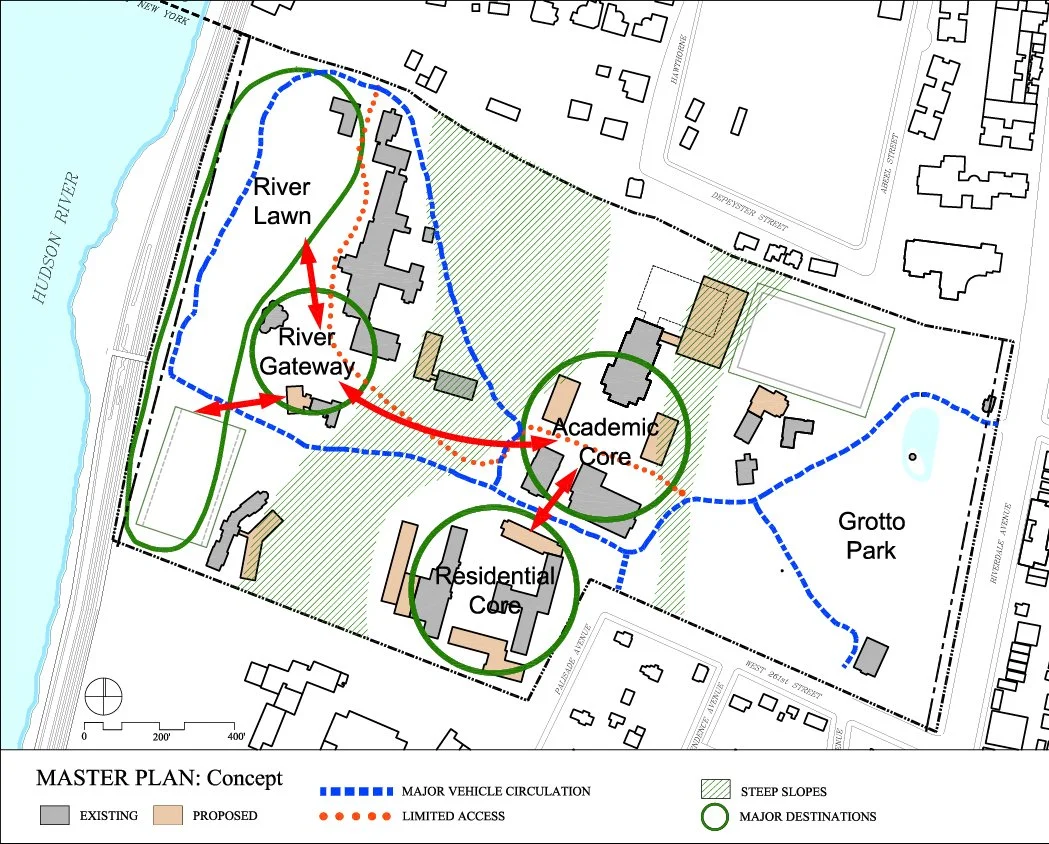
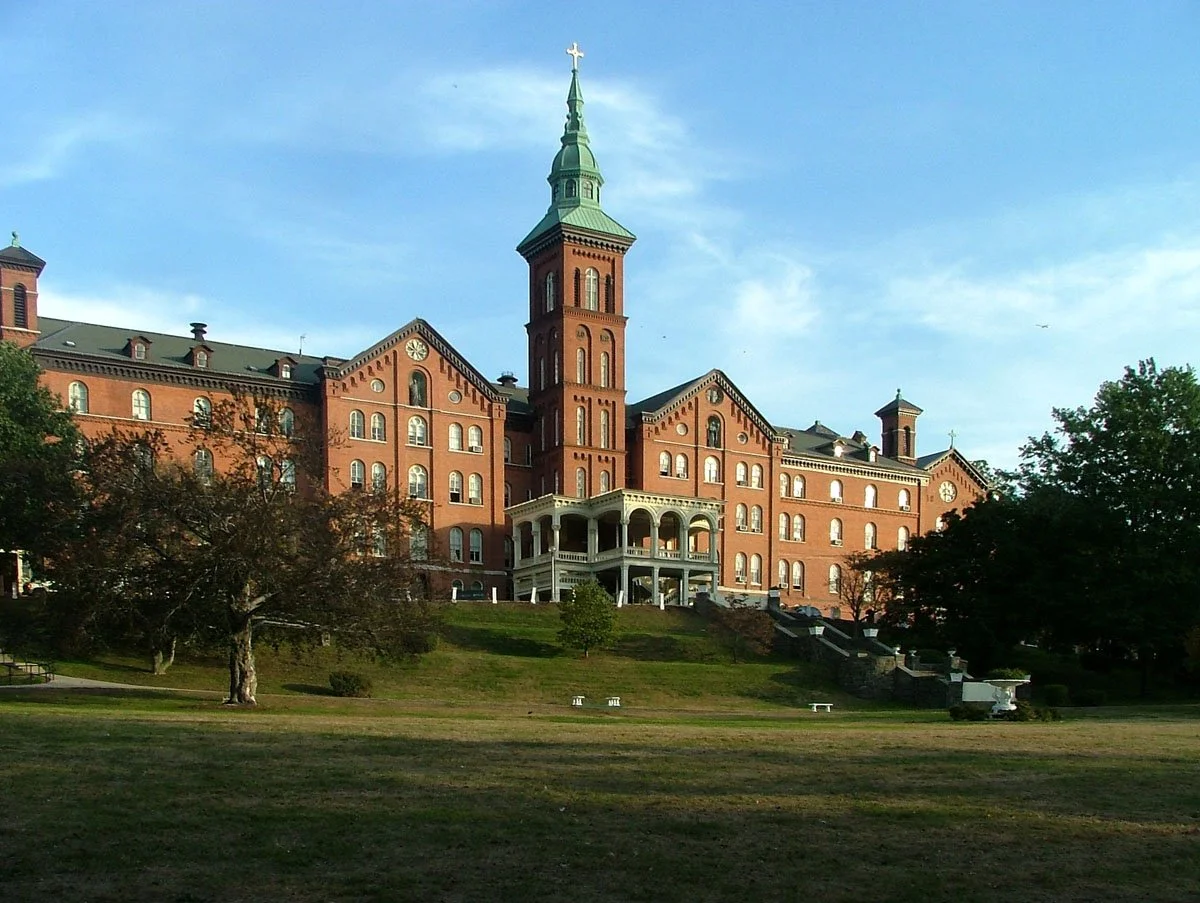
Perched above the Hudson on a scenic 70-acre site, the College’s campus combined notable historic buildings with later additions but lacked a cohesive structure. The master plan began with a site analysis that identified three distinct plateaus — grotto park, campus core, and river lawn — and used that logic to set priorities for future growth.
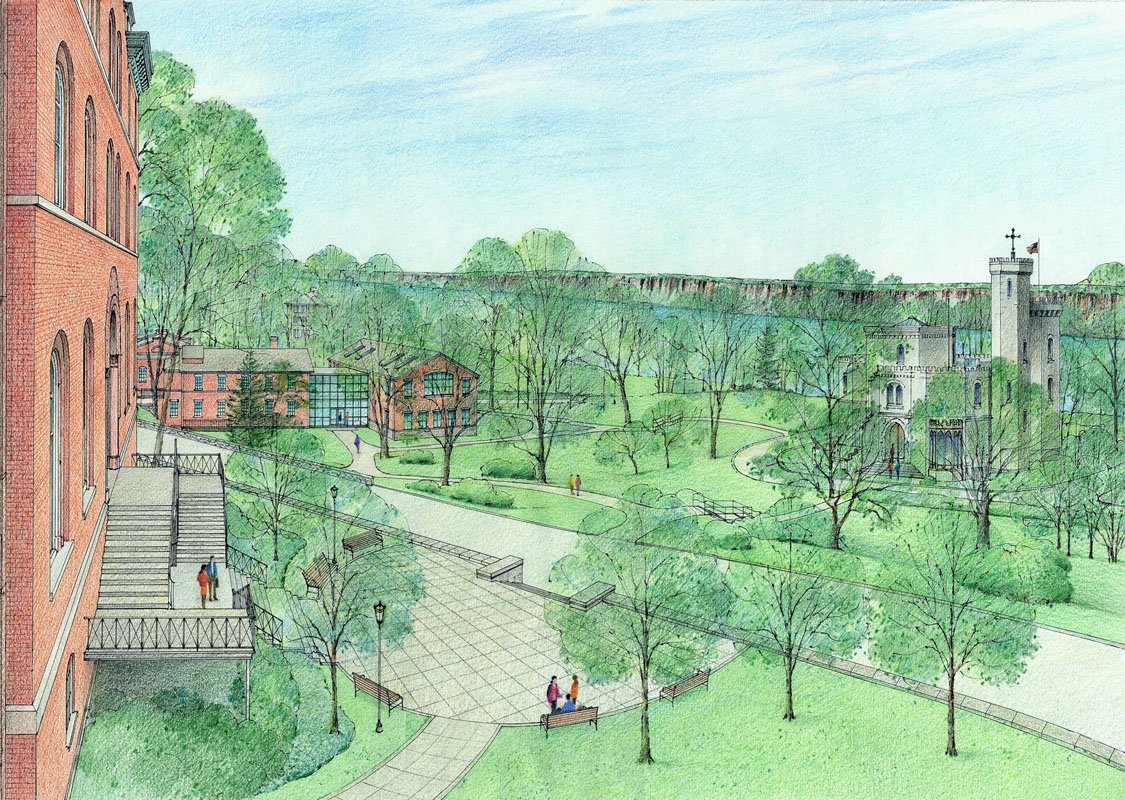
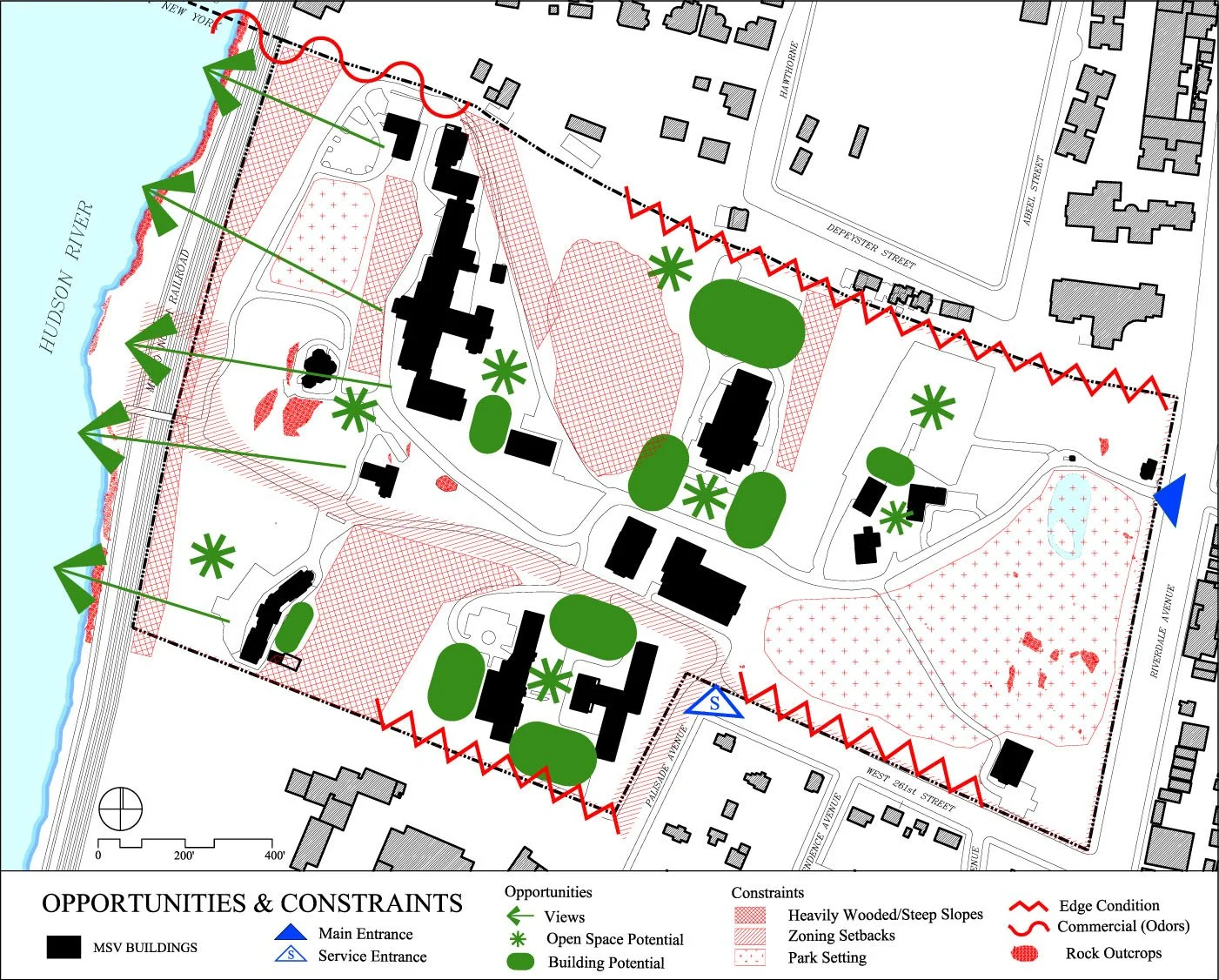
The plan proposed a landscape framework that reinforces topography, preserves key views, and creates interconnected outdoor rooms at the mid-level terrace. It also clarified separate pedestrian and vehicular routes, defining how new construction and renovations could knit buildings into a more legible campus.
project narrative
-
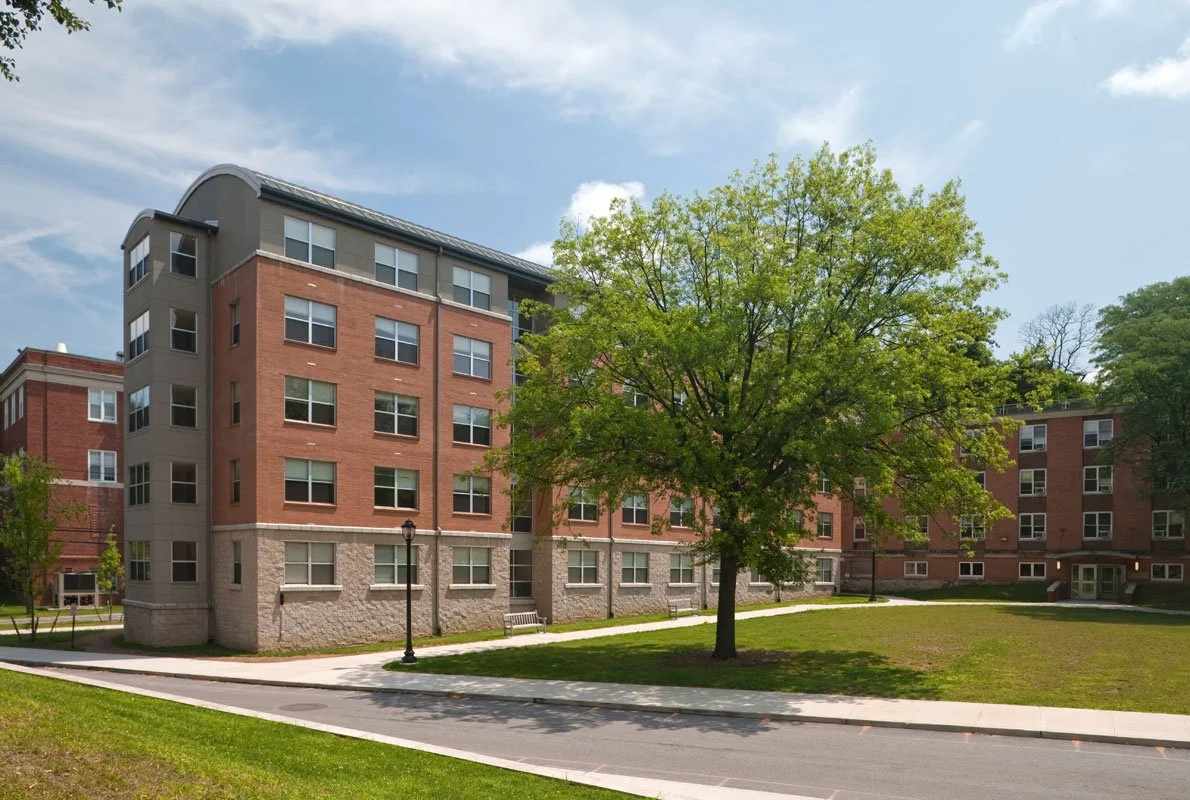
The college occupies a sloping, 70-acre site with a mix of 19th- and 20th-century buildings and more recent additions, which together resulted in a fragmented campus experience.
To address this, the plan needed to reconcile dramatic topography, protect views to the Hudson, and provide a clear framework for both landscape and built interventions that would guide future work.
-
Building on a careful reading of slope and program, the master plan organized the campus into three landscape plateaus that establish distinct spatial identities.
This concept uses the plateaus to locate civic, academic, and recreational functions, and pairs those places with a network of terraces and outdoor rooms that strengthen connections between buildings and landscape.
-
The approach translated the concept into a sequence of landscape moves: defining terraces, siting new connections at mid-slope, and separating pedestrian and vehicular paths to improve legibility.
Together these choices informed placement of renovations and new work, assuring that individual projects contribute to a coherent campus composition.
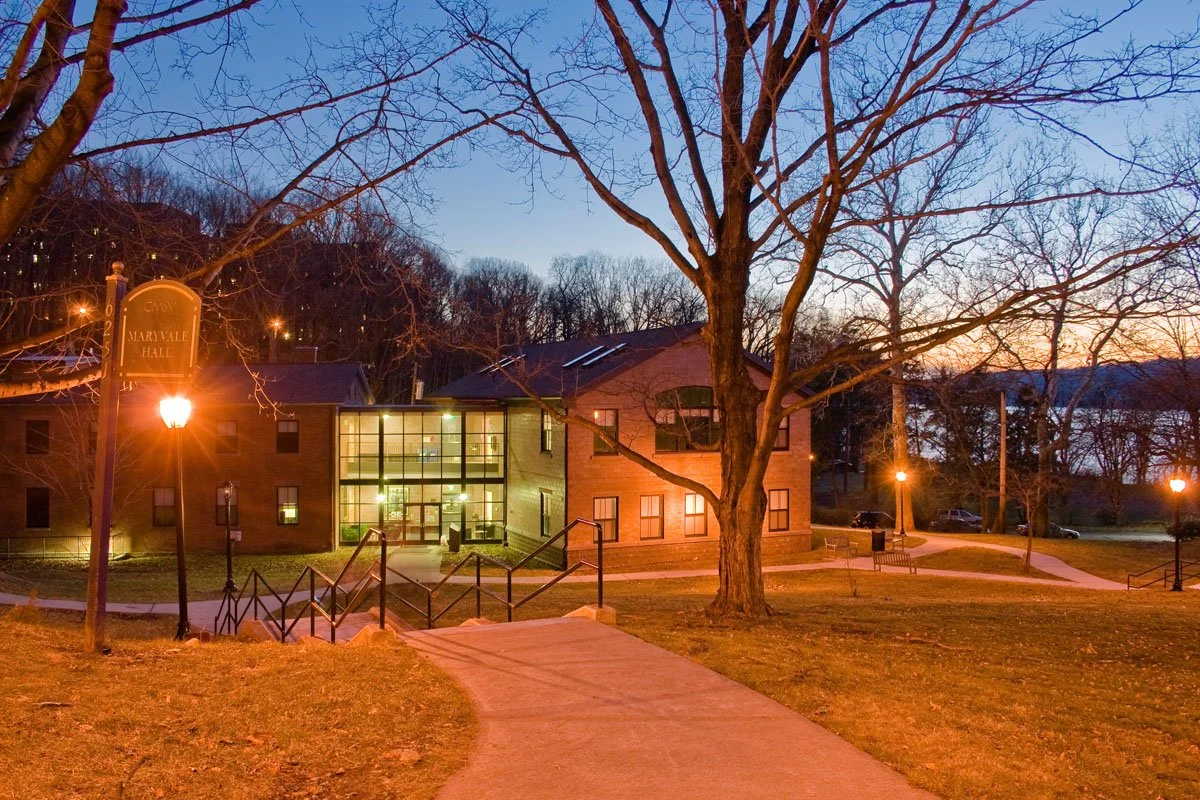
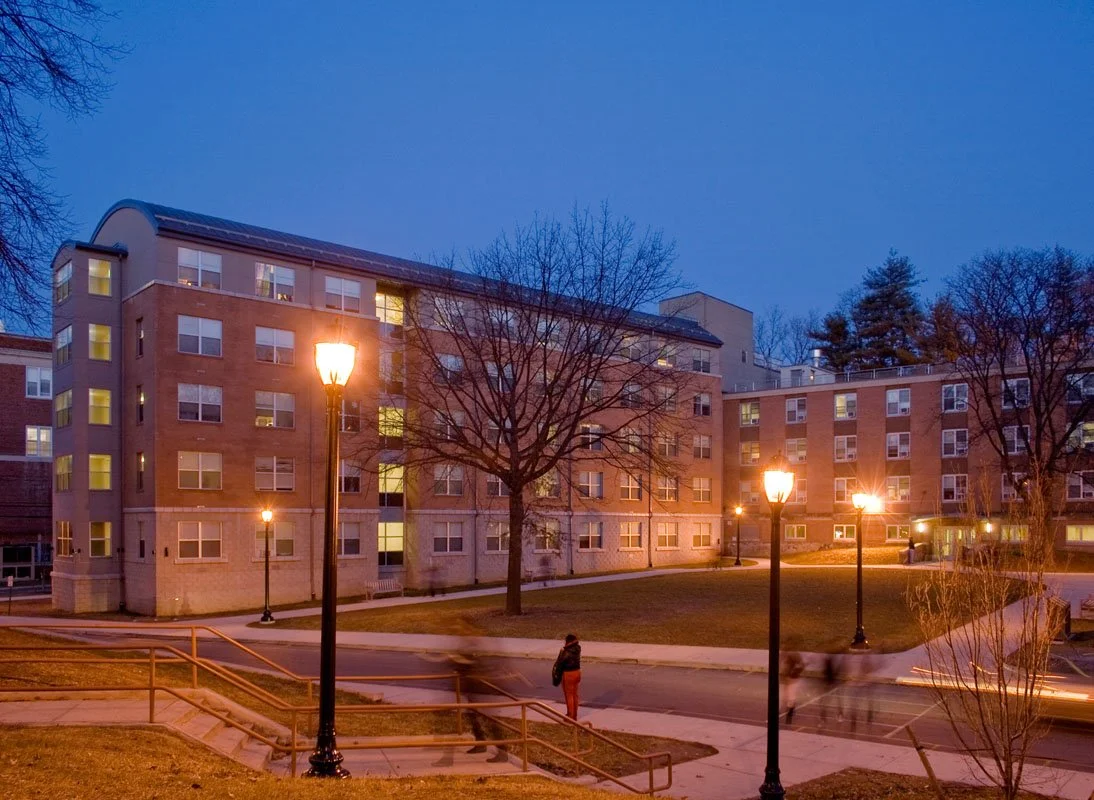
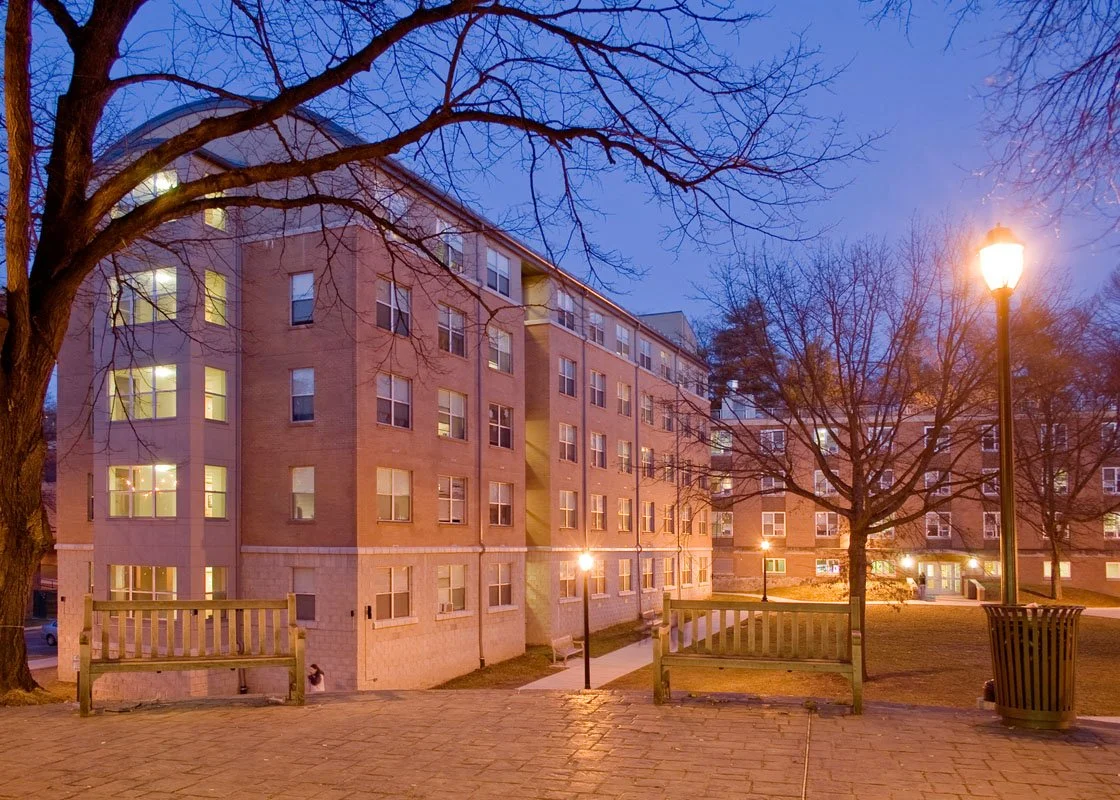
project outcome
Pedestrian and vehicular movement is clarified by distinct circulation routes, which reduce conflicts and improve legibility across the sloped site. Mid-slope connections support direct lines between academic cores and residences, shortening walking distances and concentrating movement along defined terraces. Entry thresholds and stepping points reinforce intuitive wayfinding.
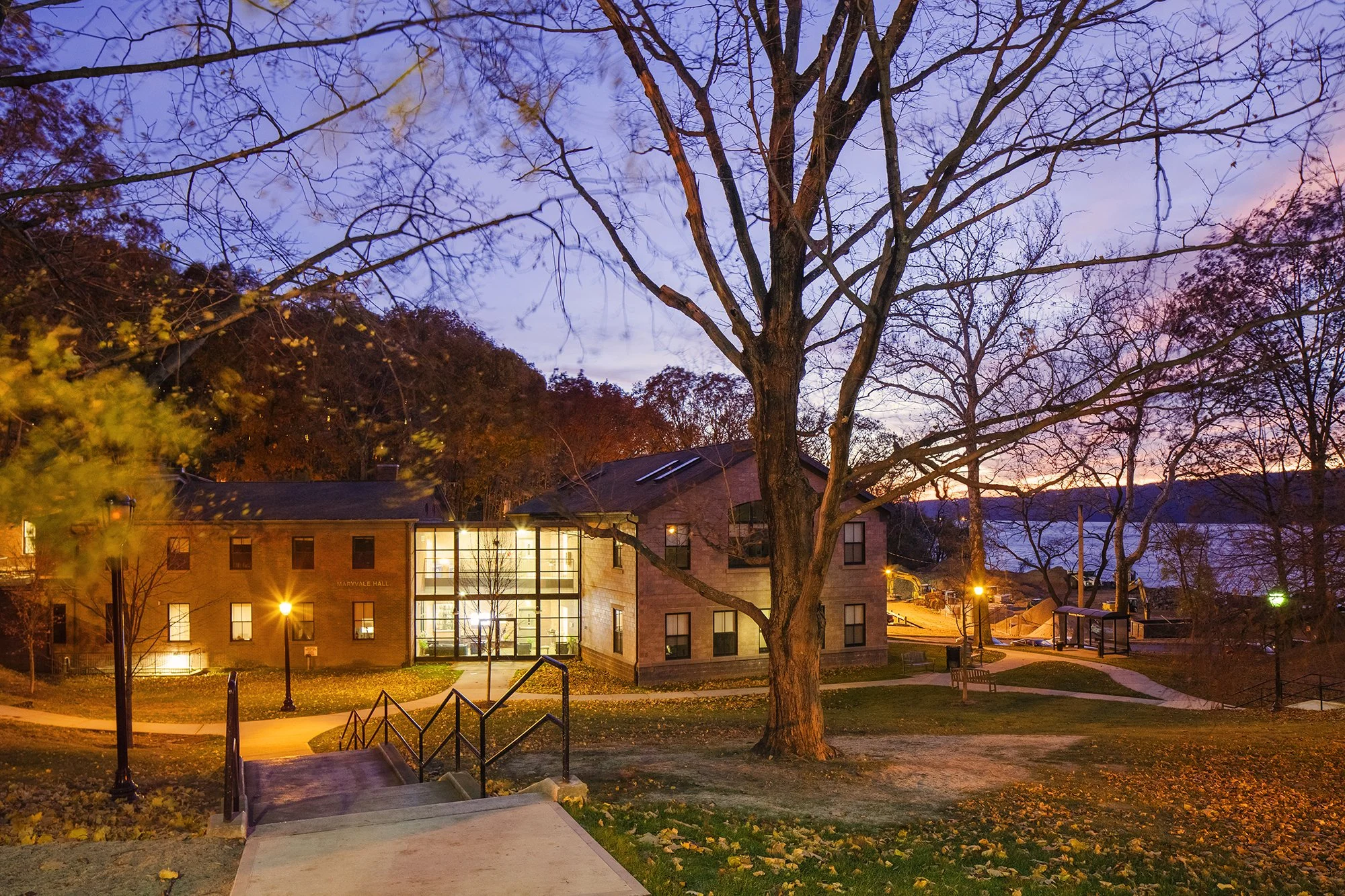
Layered terraces modulate daylight and frame outward views, producing varied light conditions across interiors and exterior rooms. Visual connections between levels maintain visibility and orientation while preserving moments of enclosure at the mid-level terraces. Material and planting rhythms reinforce spatial sequence and human scale.
The sequence of outdoor rooms accommodates phased building updates while maintaining coherent relationships among functions. Open terraces and connective corridors support multiple activities and flexible programming over time. Infrastructure placement and incremental linkages reinforce durability and ease of maintenance.
let’s continue the conversation
Every project begins with listening. If you’re considering a new campus, building, or landscape, we’d welcome the chance to talk through your goals, challenges, and aspirations. Our team works collaboratively to shape places that feel grounded, connected, and built to serve people well over time.