manhattanville college
2008
purchase, ny
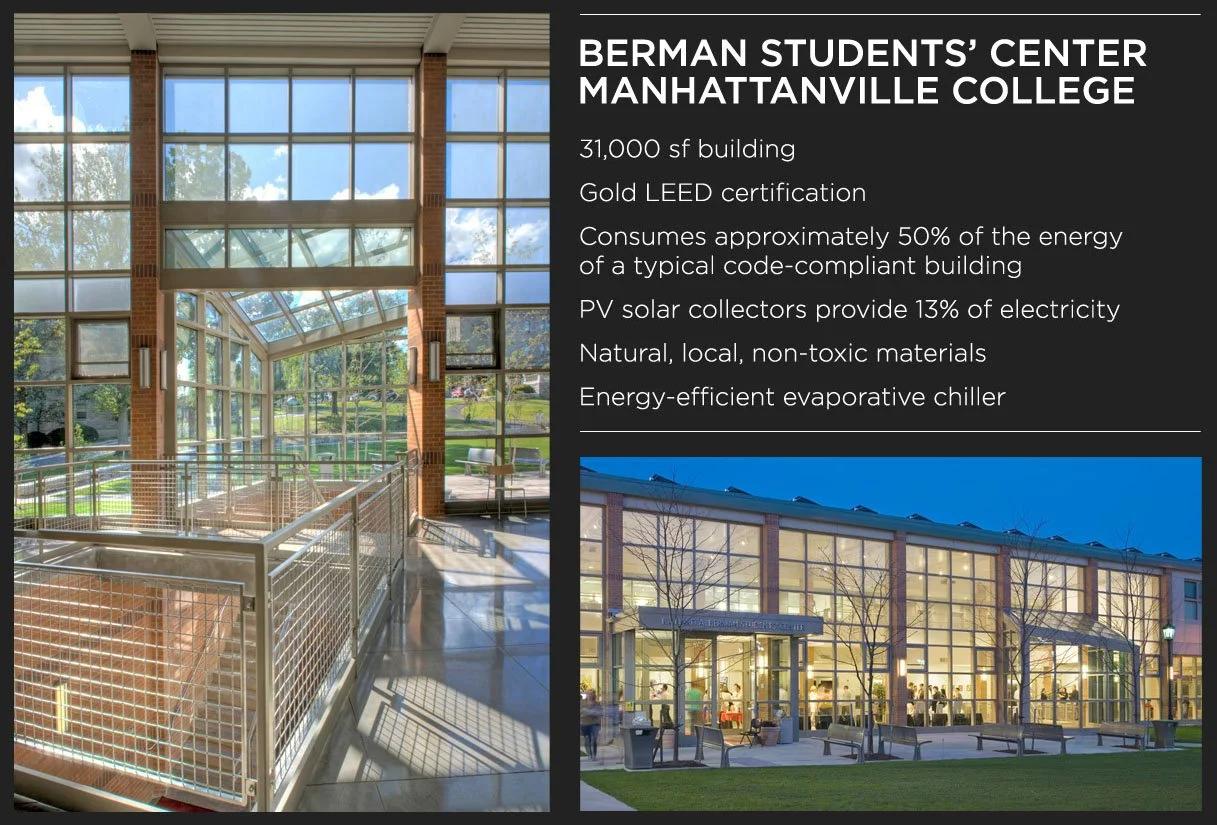
31,000 sf
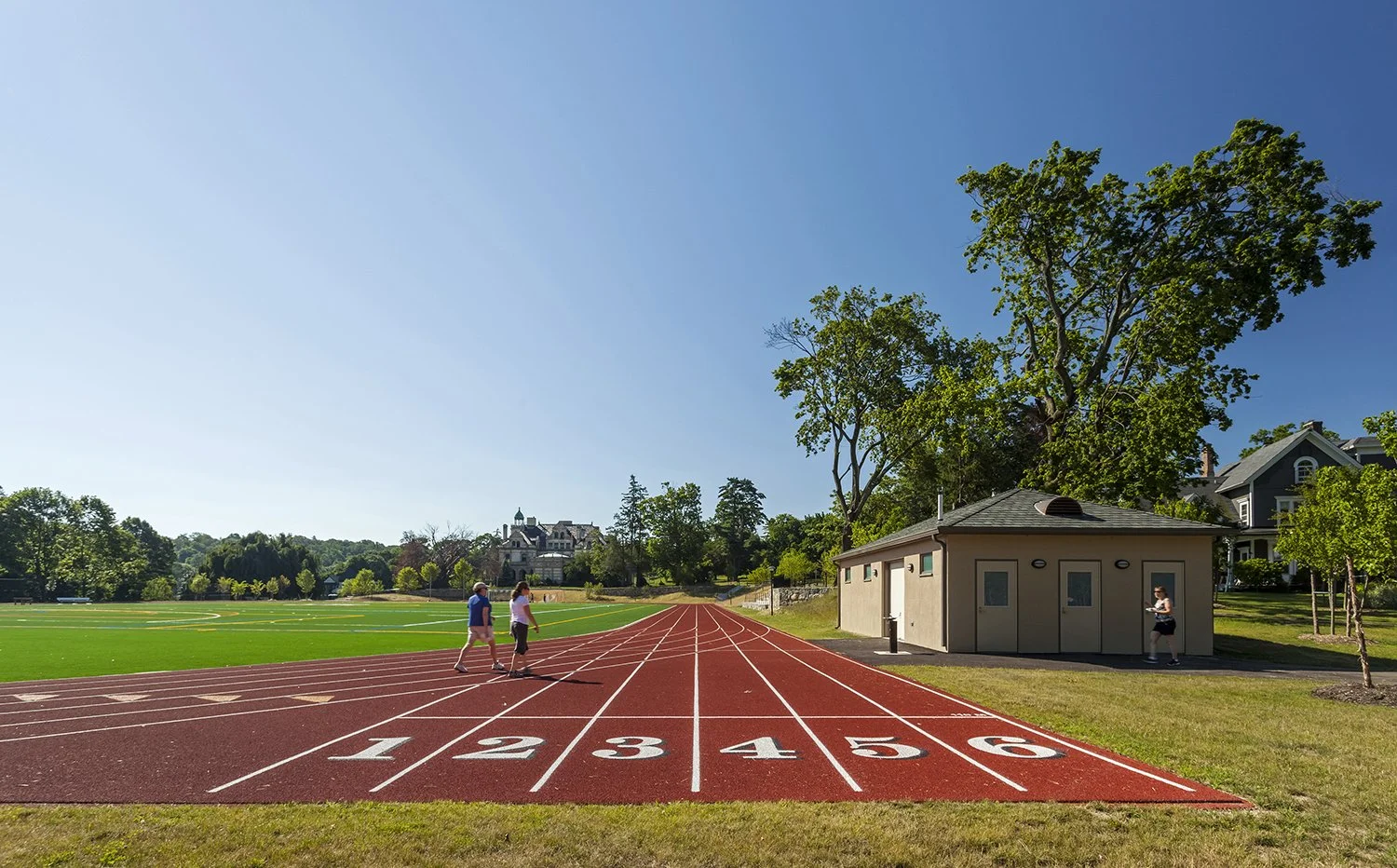
campus planning; berman student center (athletics, wellness, visual arts & performance)
2009, AIA Westchester / Hudson Valley
Design Award
2009, Learning by Design
Outstanding Project
2008, American School & University
Outstanding Design Award - Post-Secondary Institution
2008, College Planning & Management
Judge's Choice Award
awards
Project Manager: Michael Tribe
Project Architect: Klaus Kalmbach
Landscape Architect: Ronen Wilk
Designer: Crosby Scott
Structural: Robert Silman Associates
Code: Bruce Spiewak
Sustainability: Viridian
collaborators
a student center and campus gateway that prioritizes daylight, transparency, and sustainability.
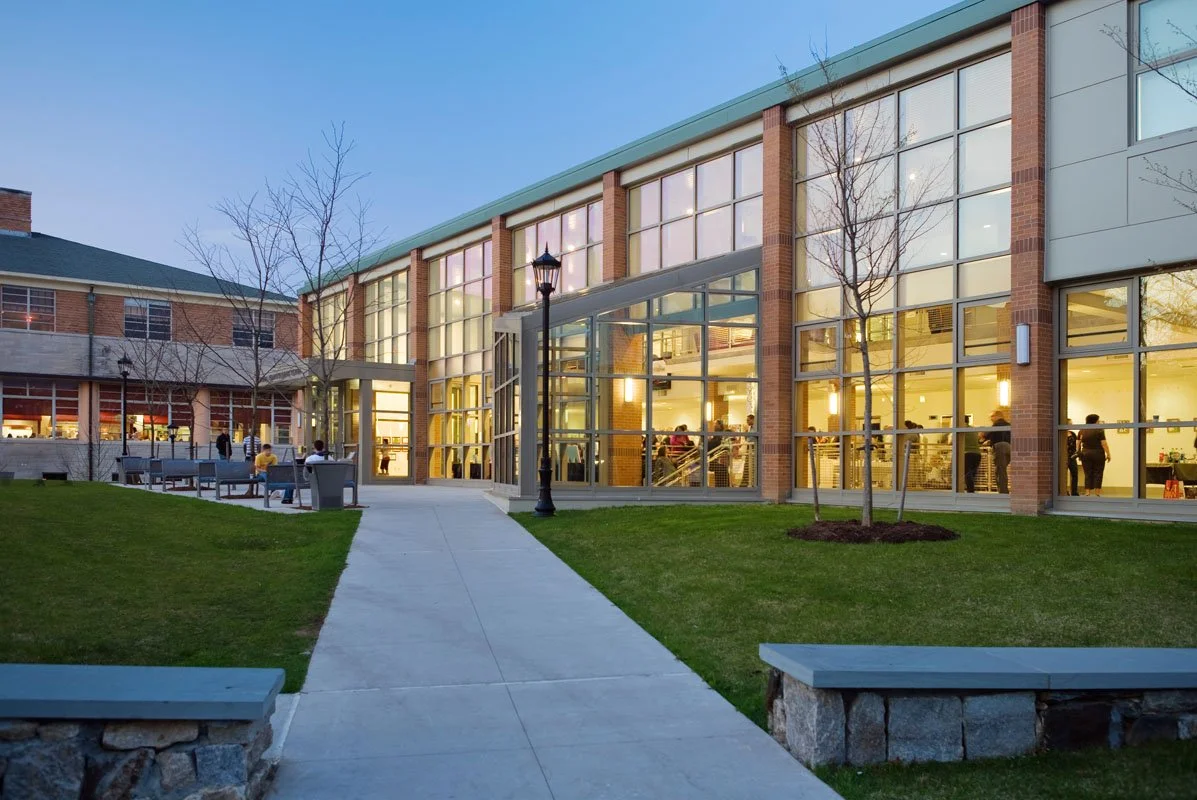
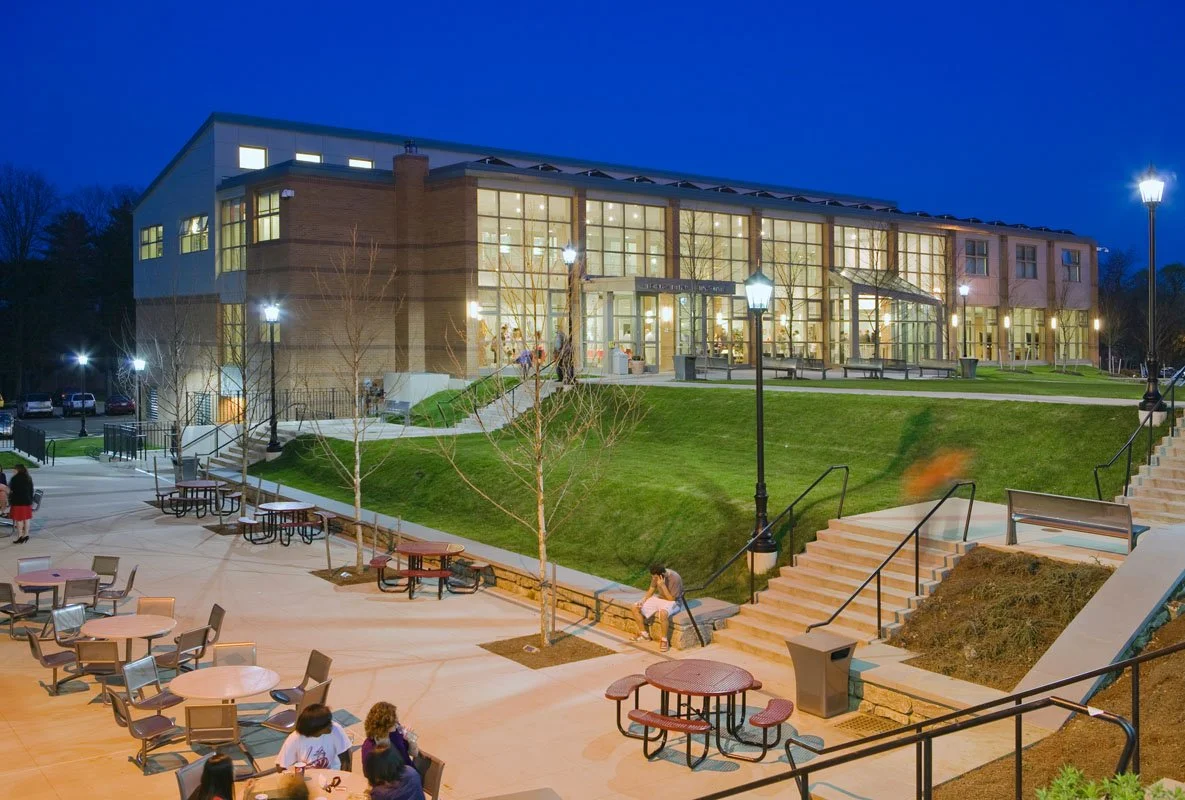
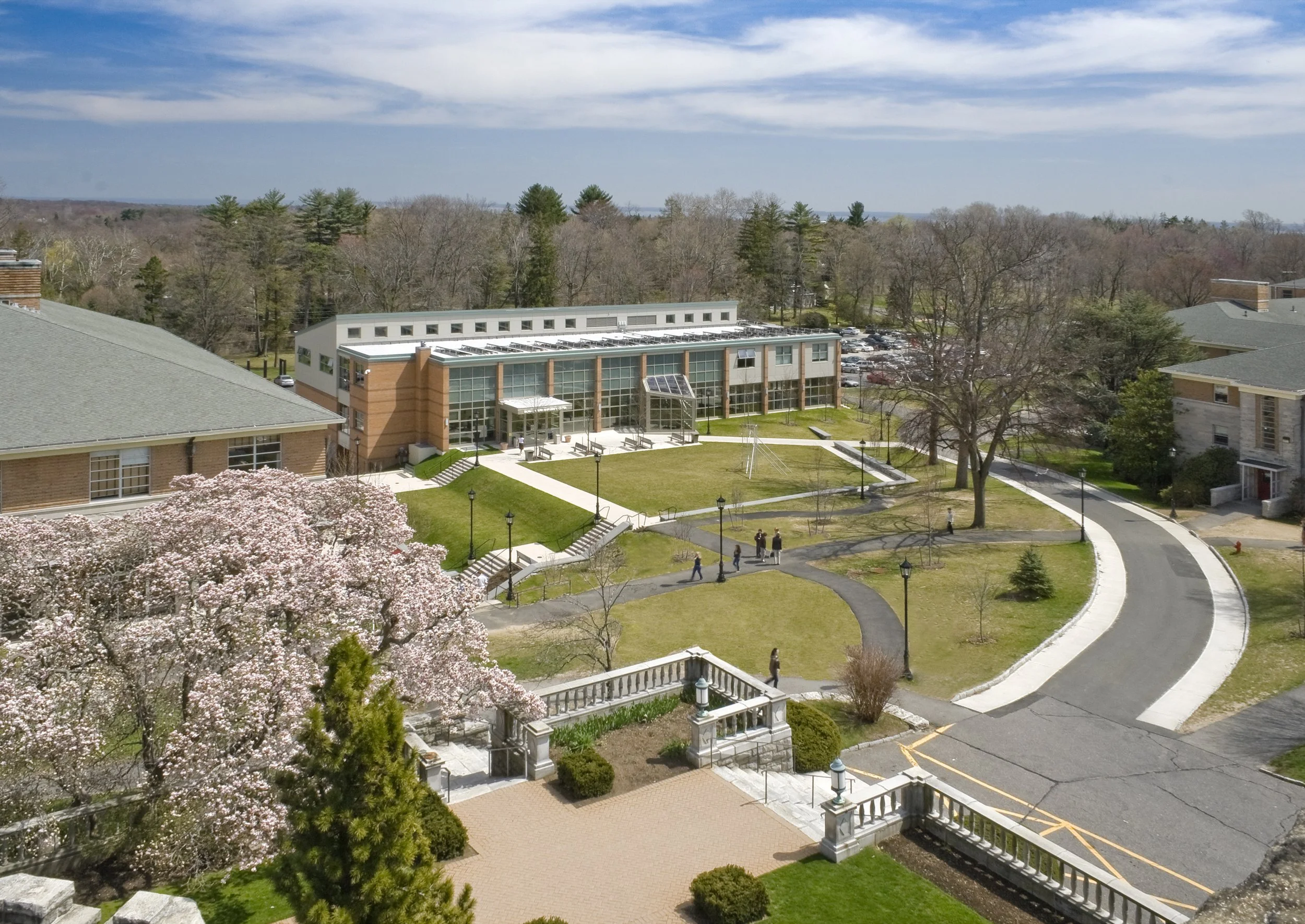
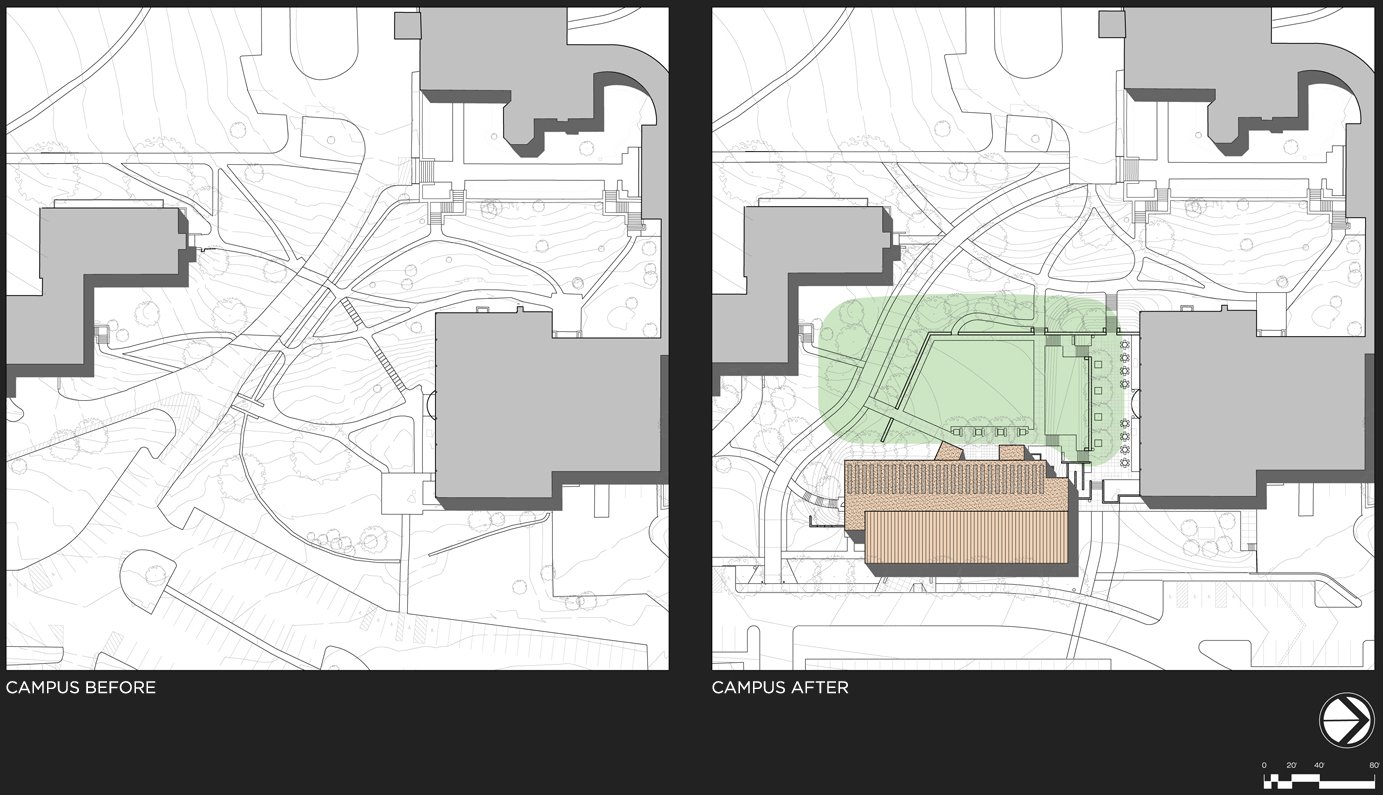
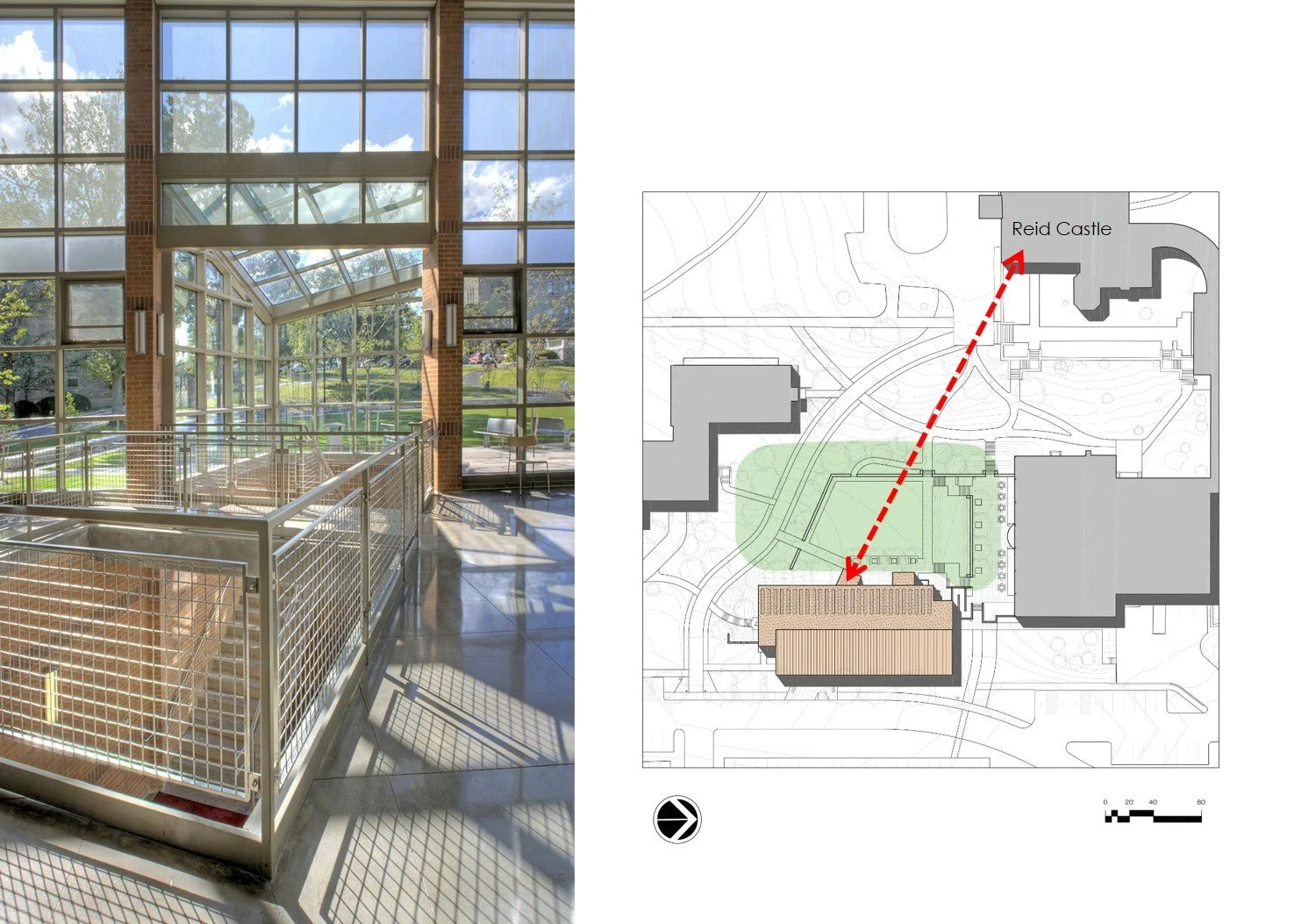
Located on Manhattanville’s 90-acre campus, the new Berman Student Center sits east of Reid Castle to form the edge of a new, smaller quadrangle. Placed between a dormitory and dining hall at the parking lot edge, it serves as the college’s east gateway and gathers spaces for wellness, student life, and the arts.
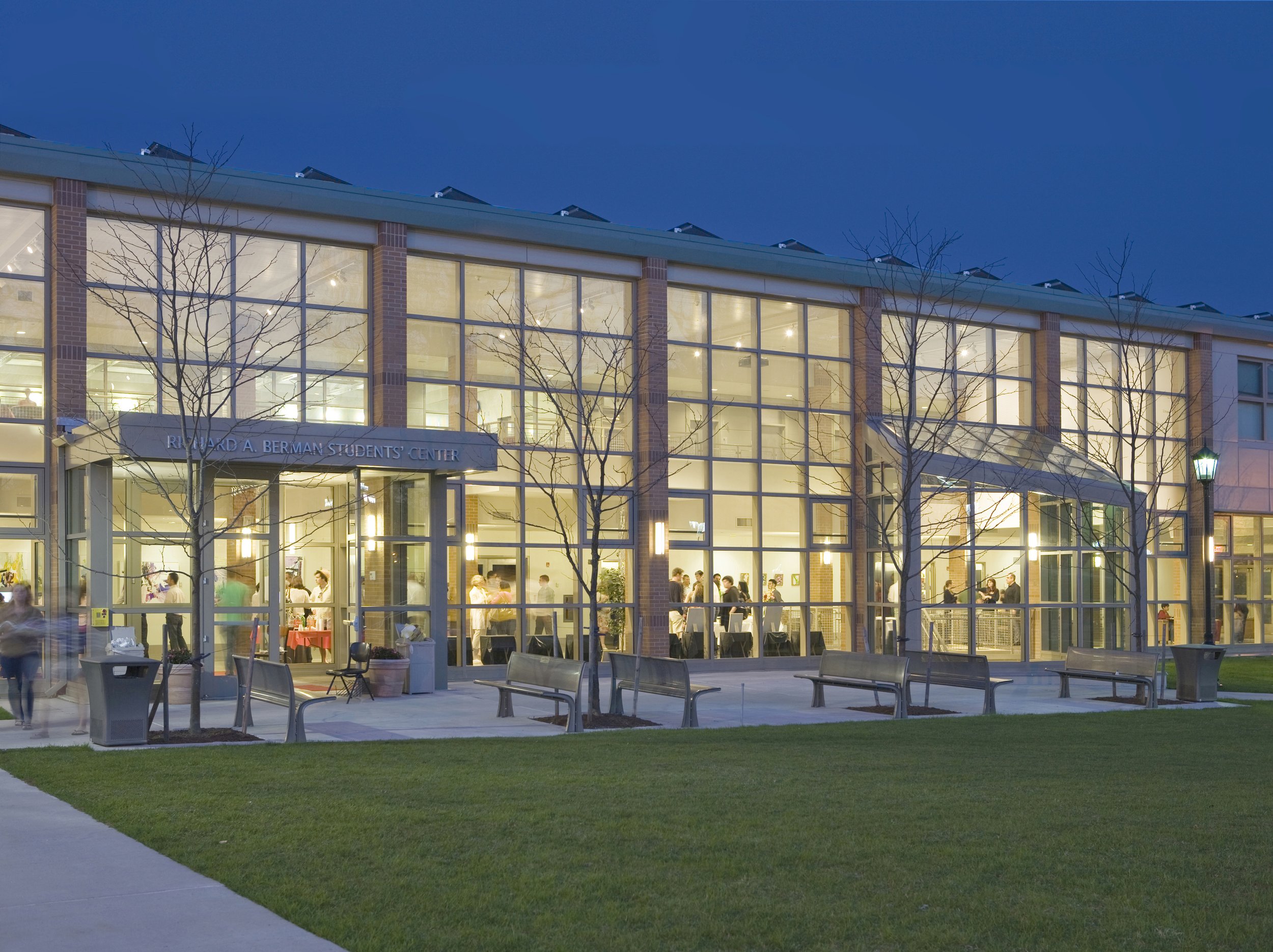
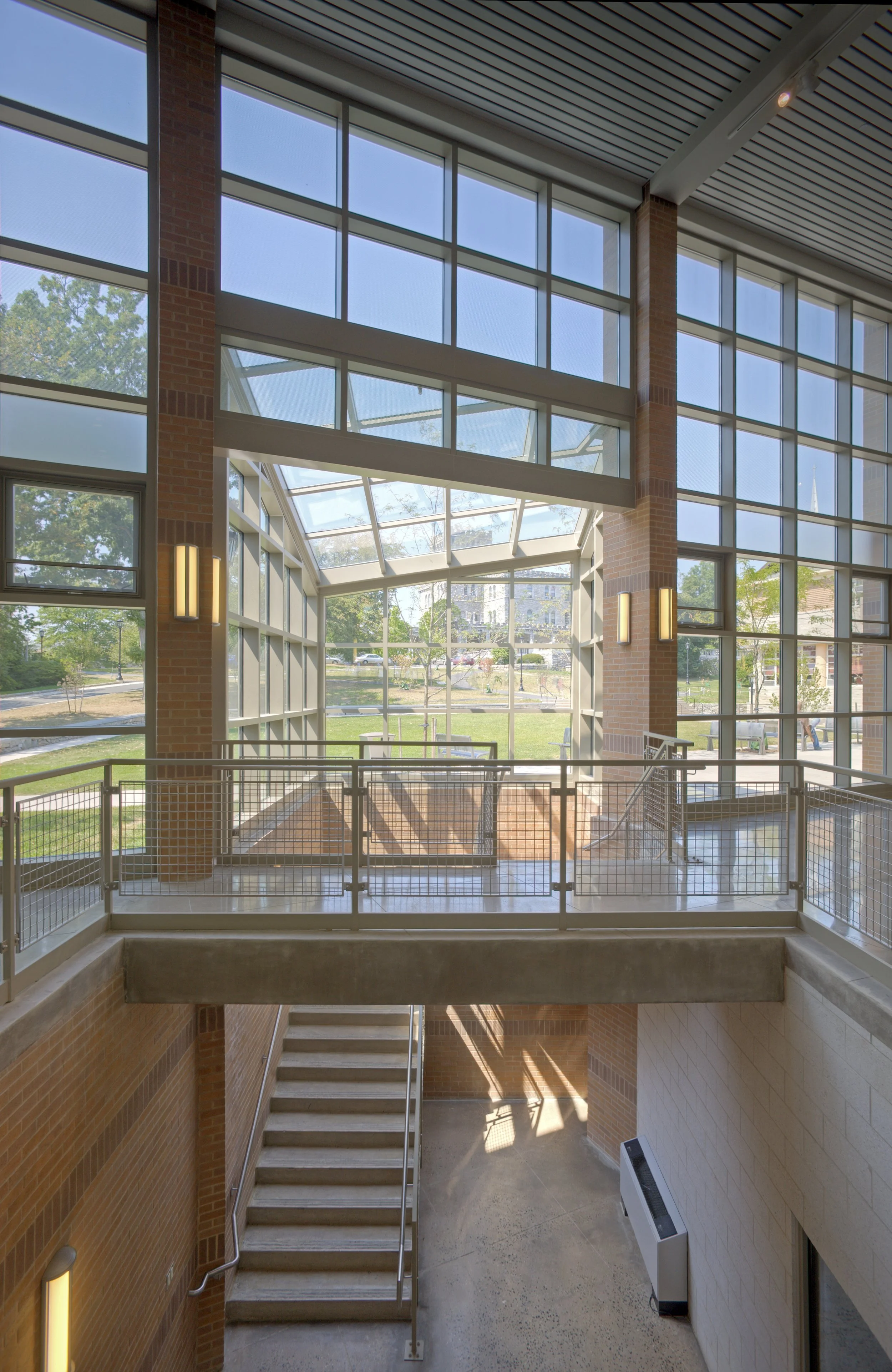
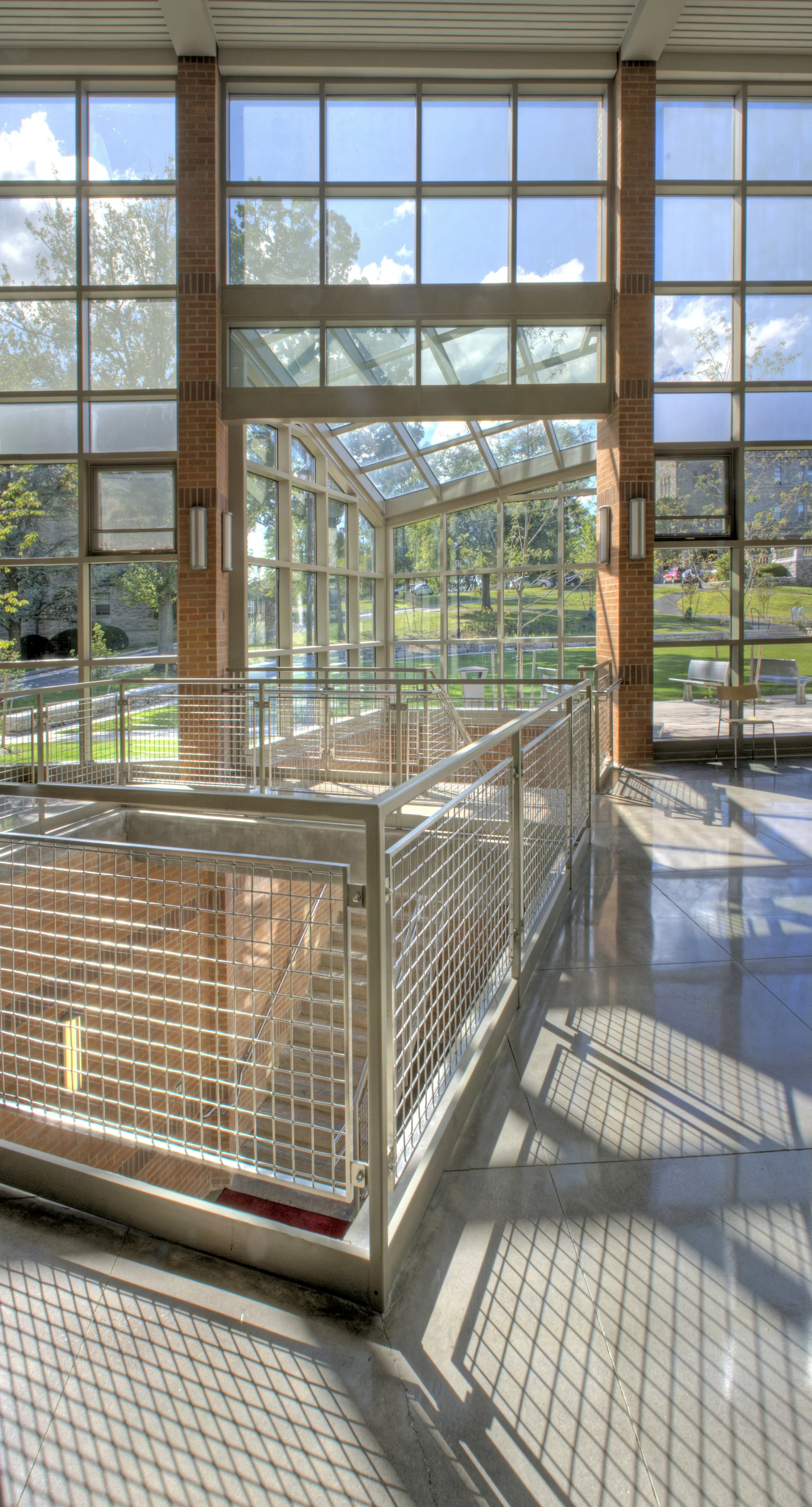
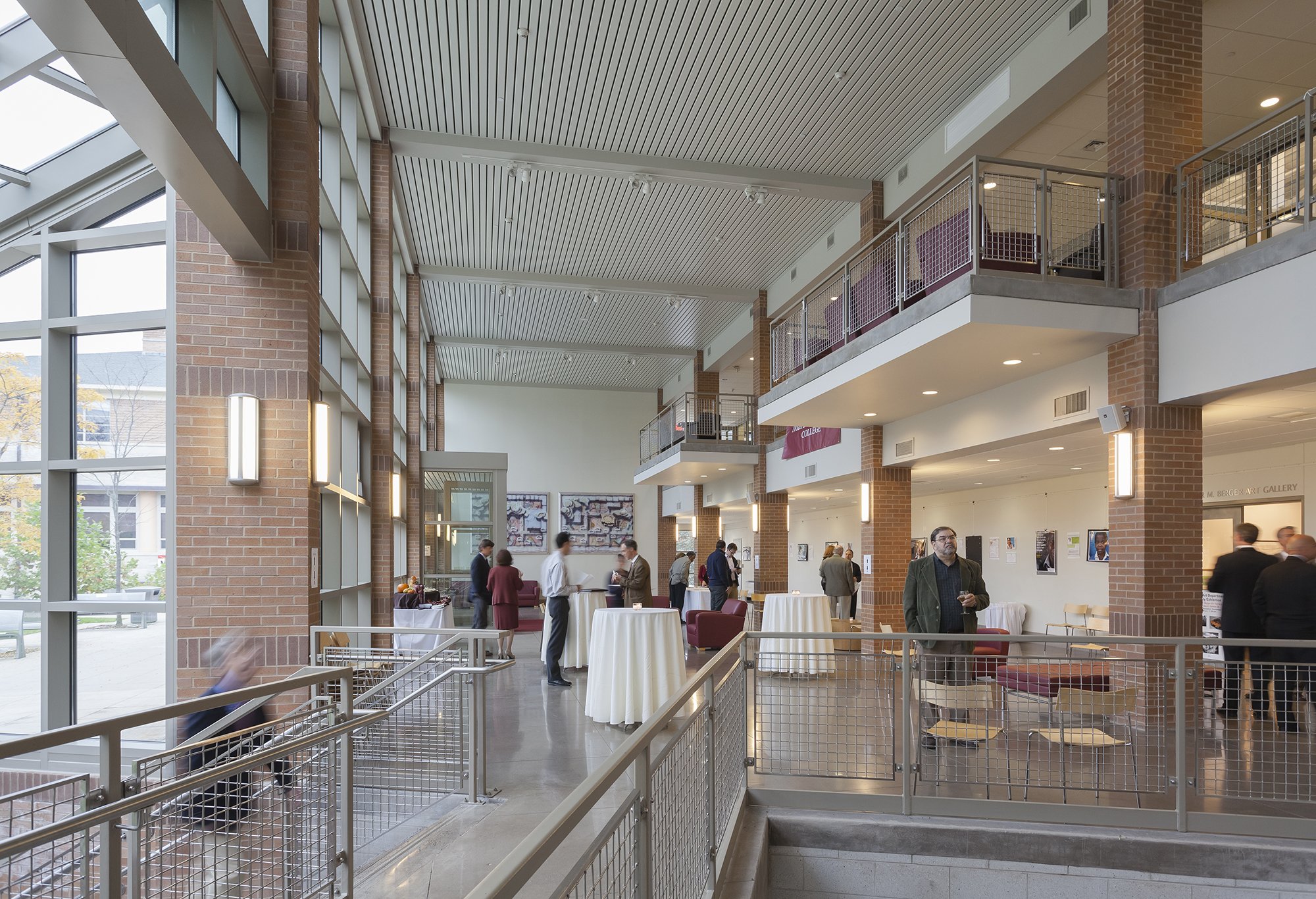
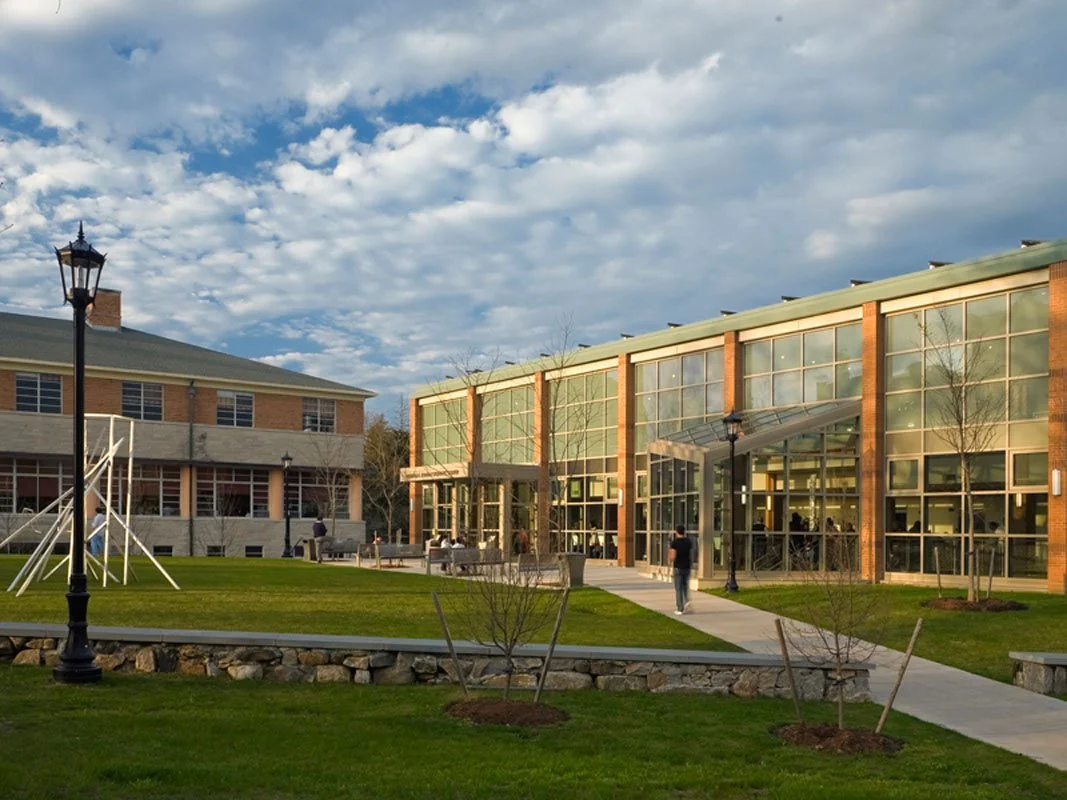
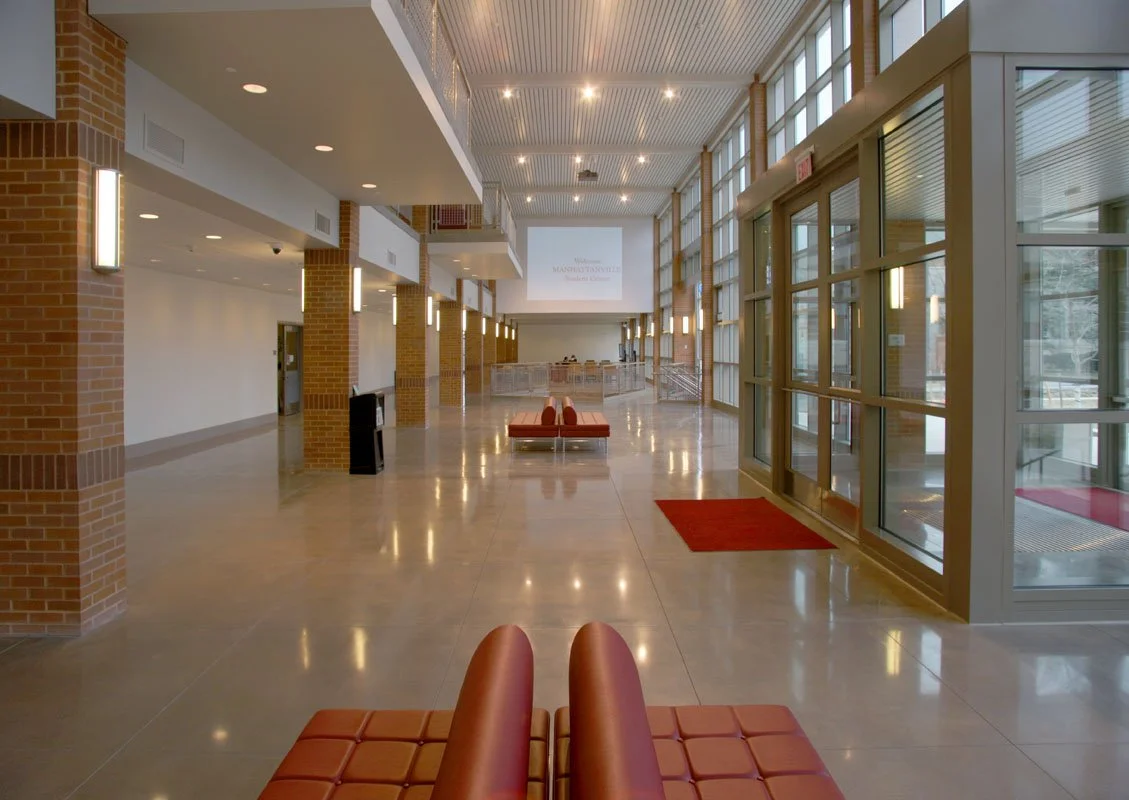
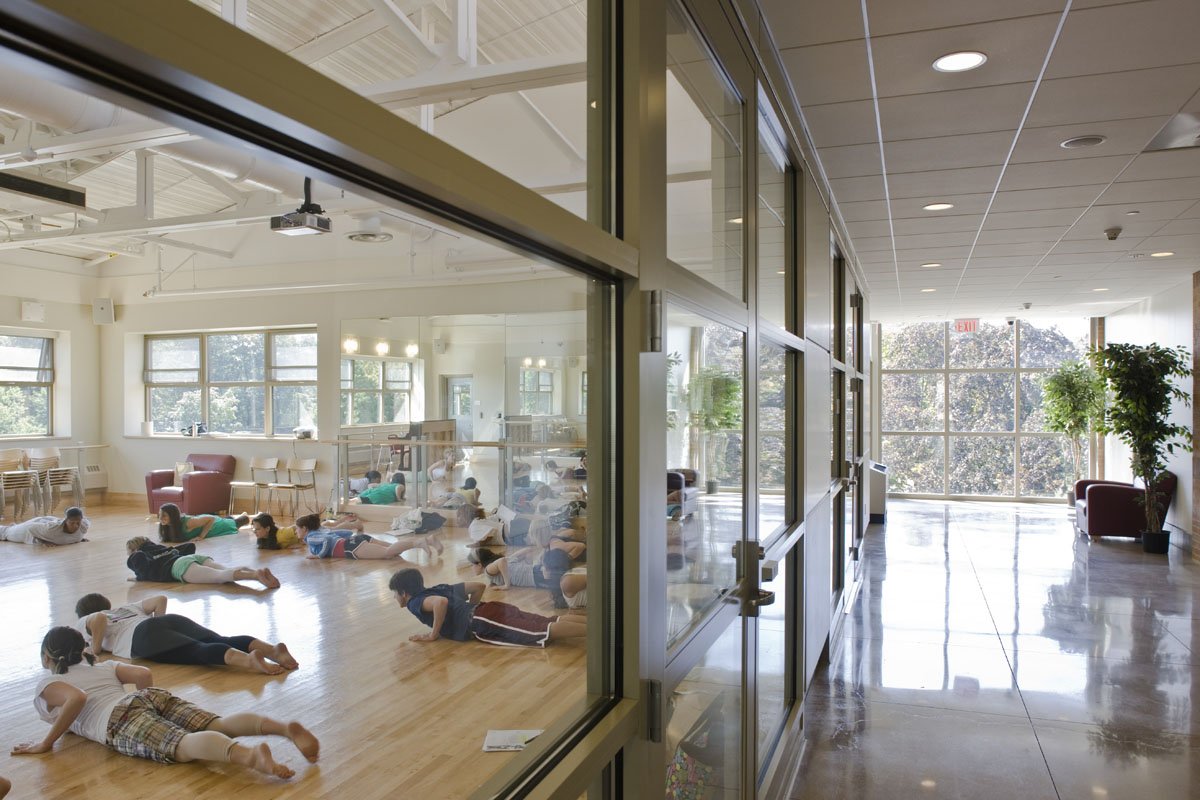
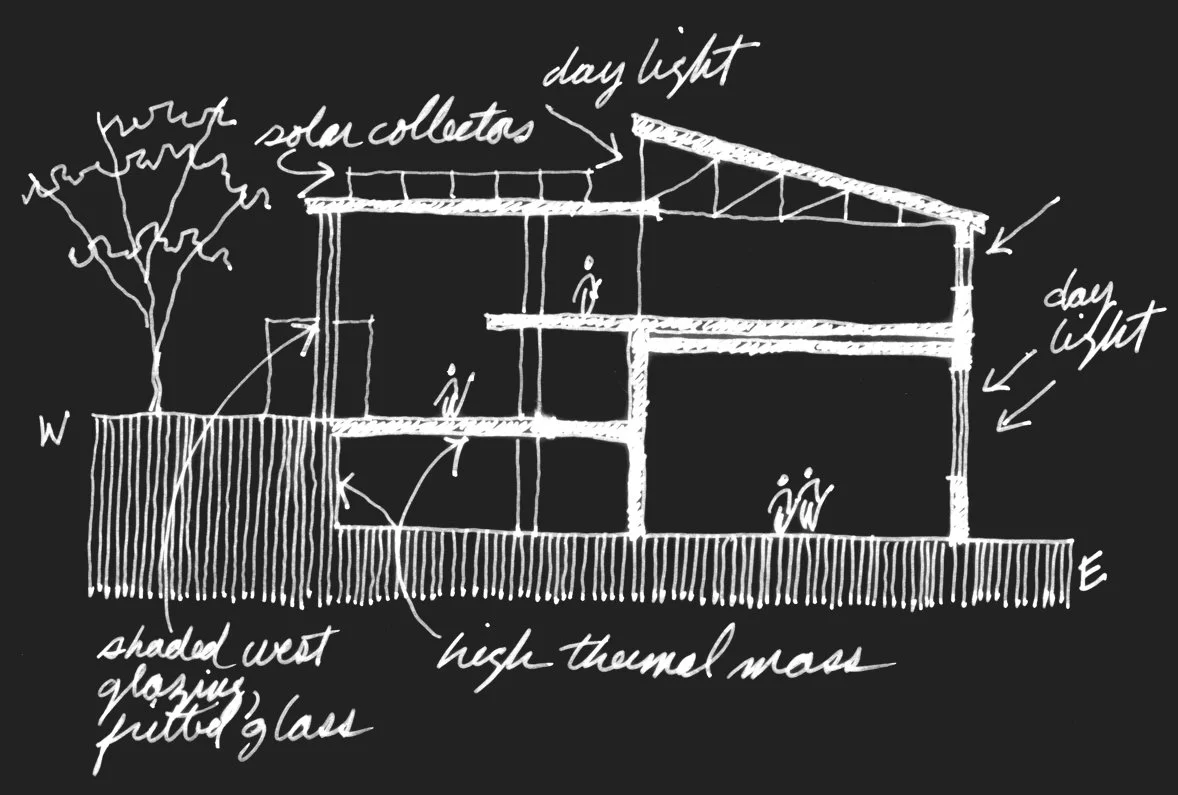
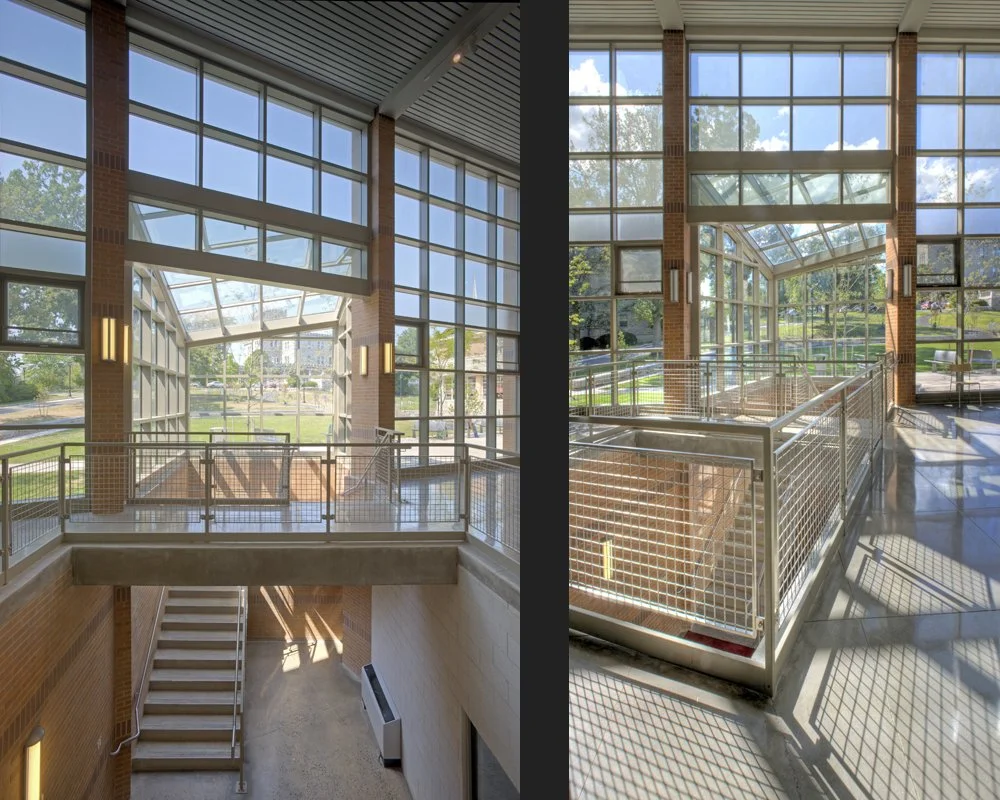
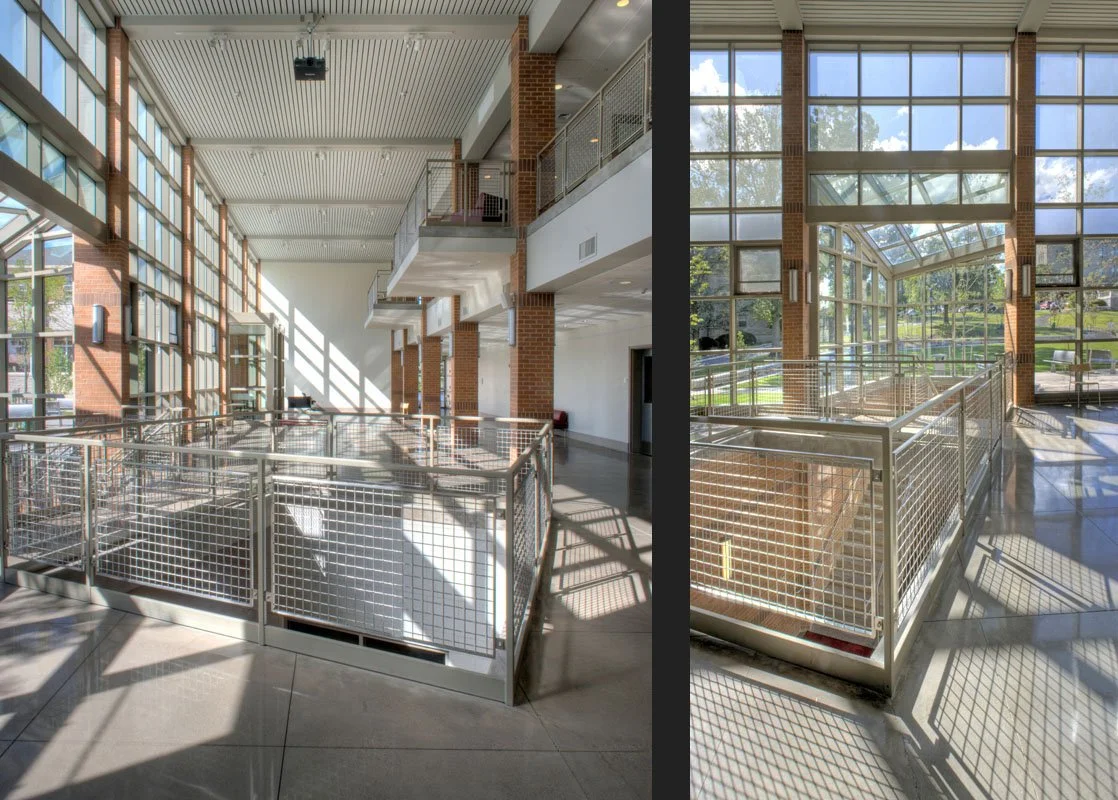
Designed with extensive exterior and interior glazing, the center uses a glass curtain wall and a rotated glass cube to align a ceremonial stair with Reid Castle, bringing daylight deep into the plan. Open, visible main spaces face the quad while roof-mounted photovoltaics and sustainable systems supported LEED Gold certification.
project narrative
-
Manhattanville sought a new student center that would strengthen campus legibility and create an east gateway aligned with the historic Reid Castle while responding to a steep site condition and existing campus edges.
The chosen lot sits between a dormitory and dining hall at the edge of the main parking area, one level below the new quadrangle, requiring the building to act as both a gateway and a retaining wall.
To address these constraints, the design needed to reconcile public arrival, clear sightlines, and interconnected programmatic zones for wellness, performance, and student life.
-
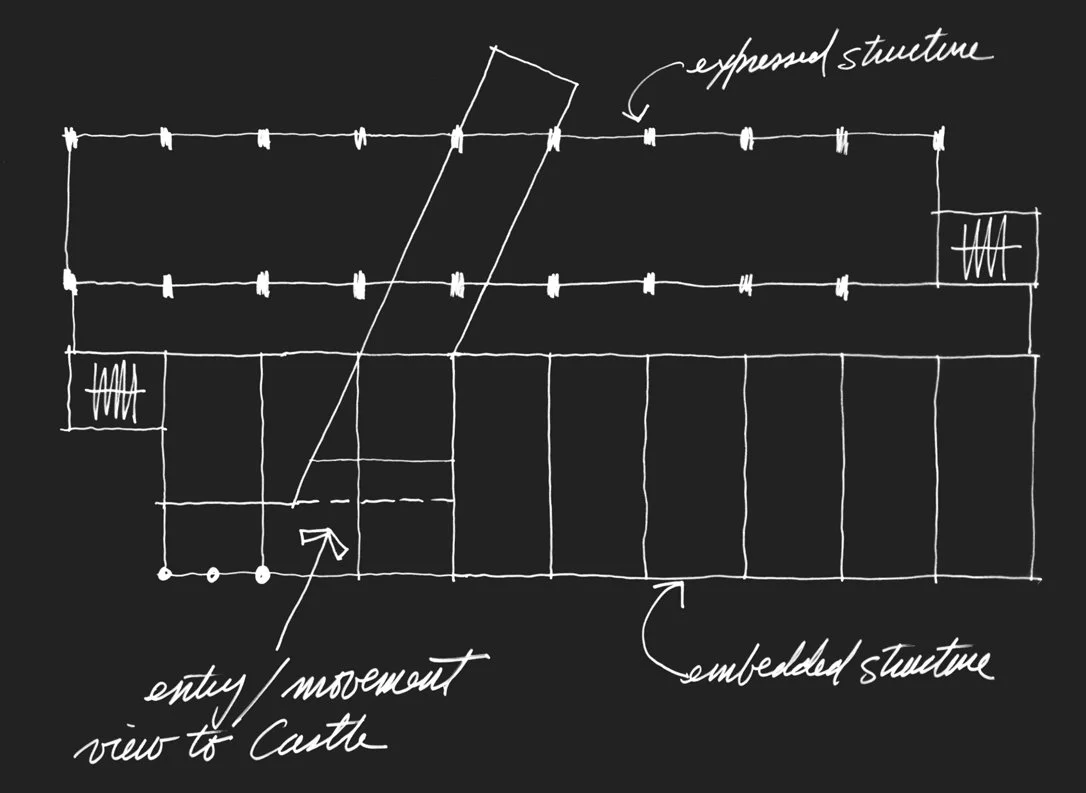
Building on the campus’s axial composition, the concept reintroduces a smaller-scale quadrangle and orients the new center to complete that figure while aligning a glass cube and ceremonial stair with Reid Castle.
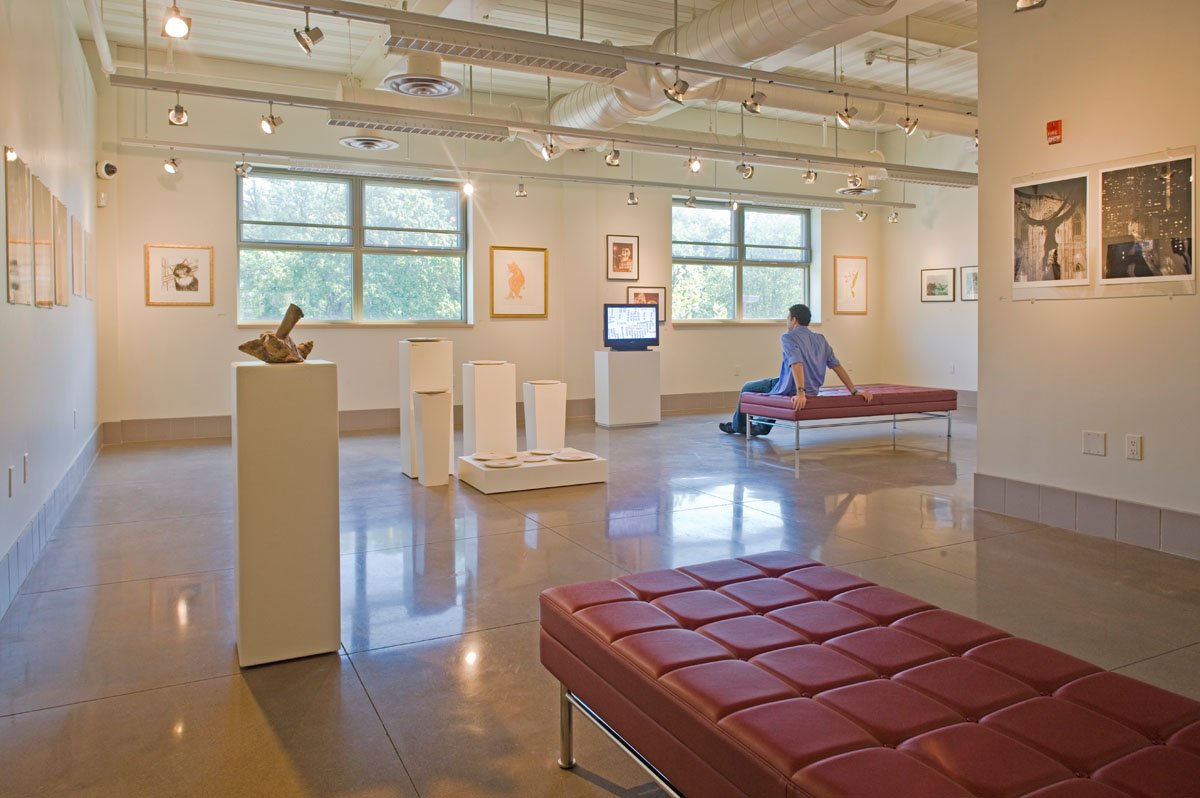
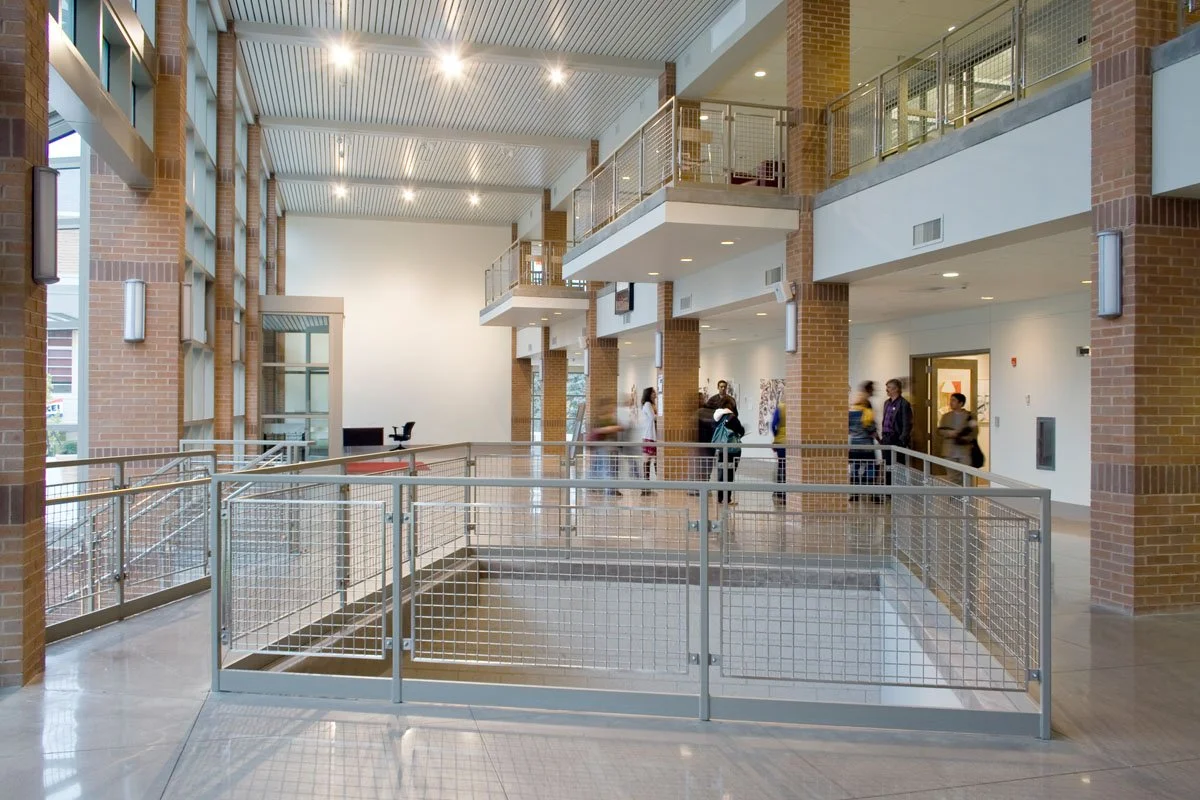
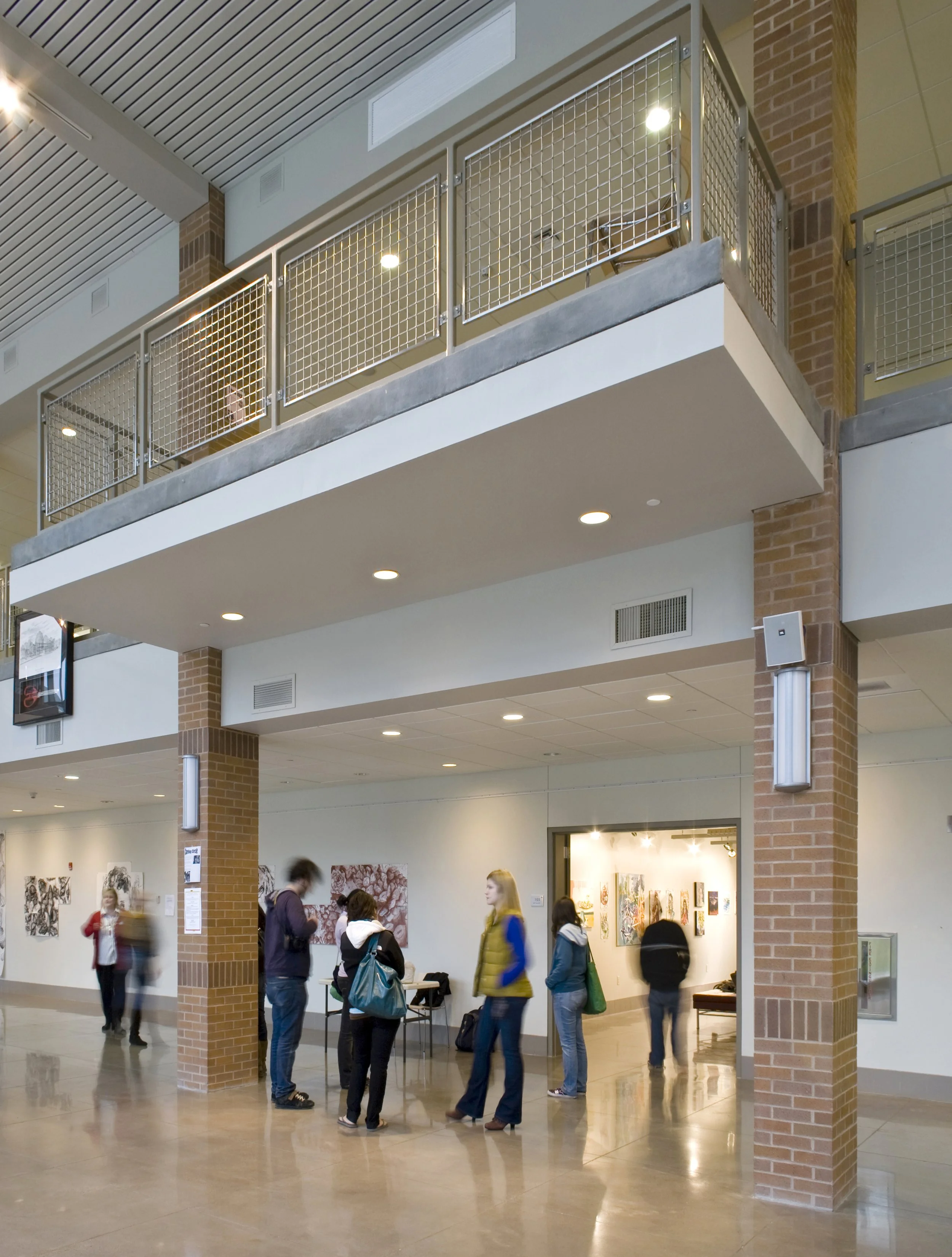
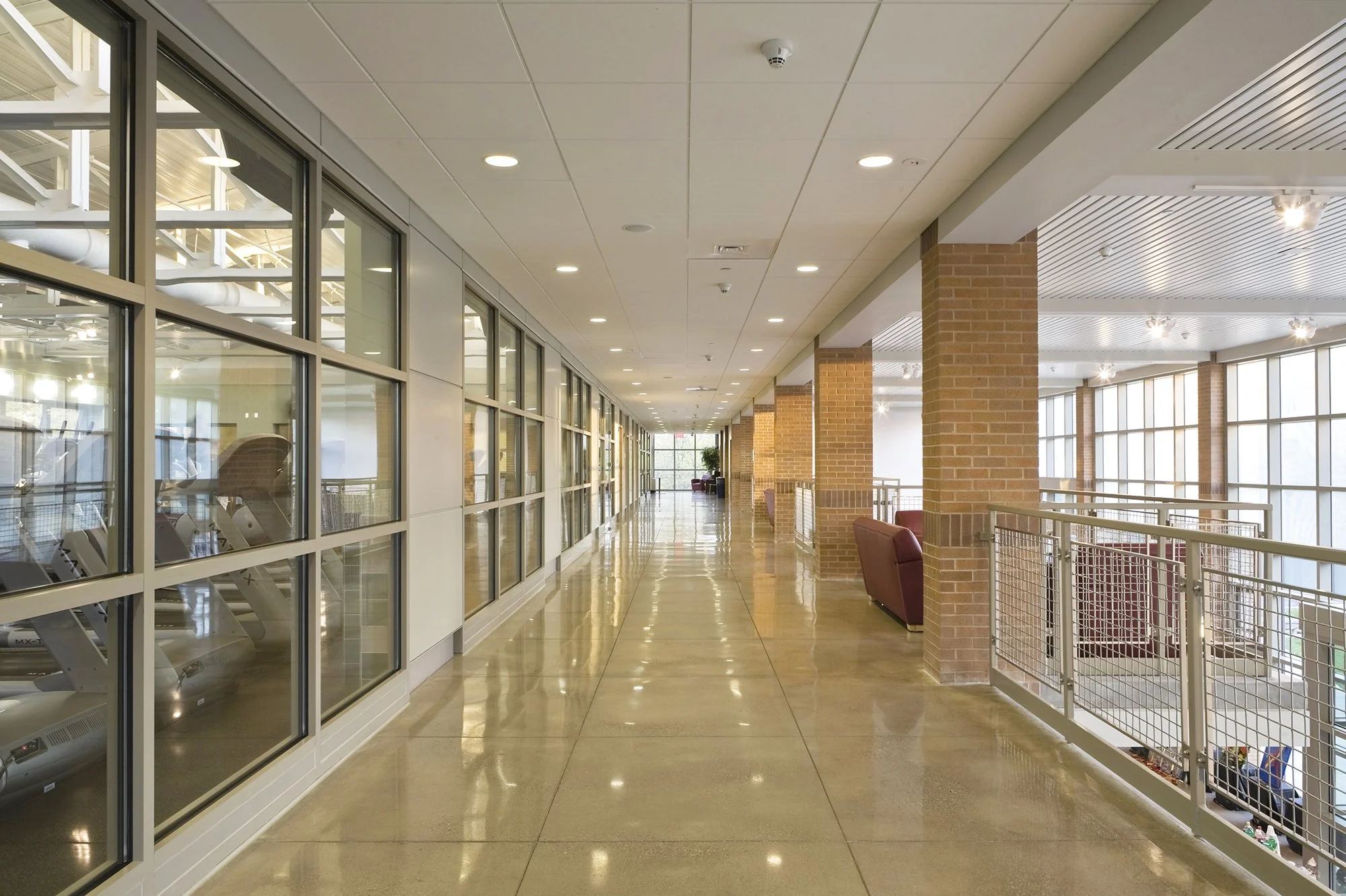
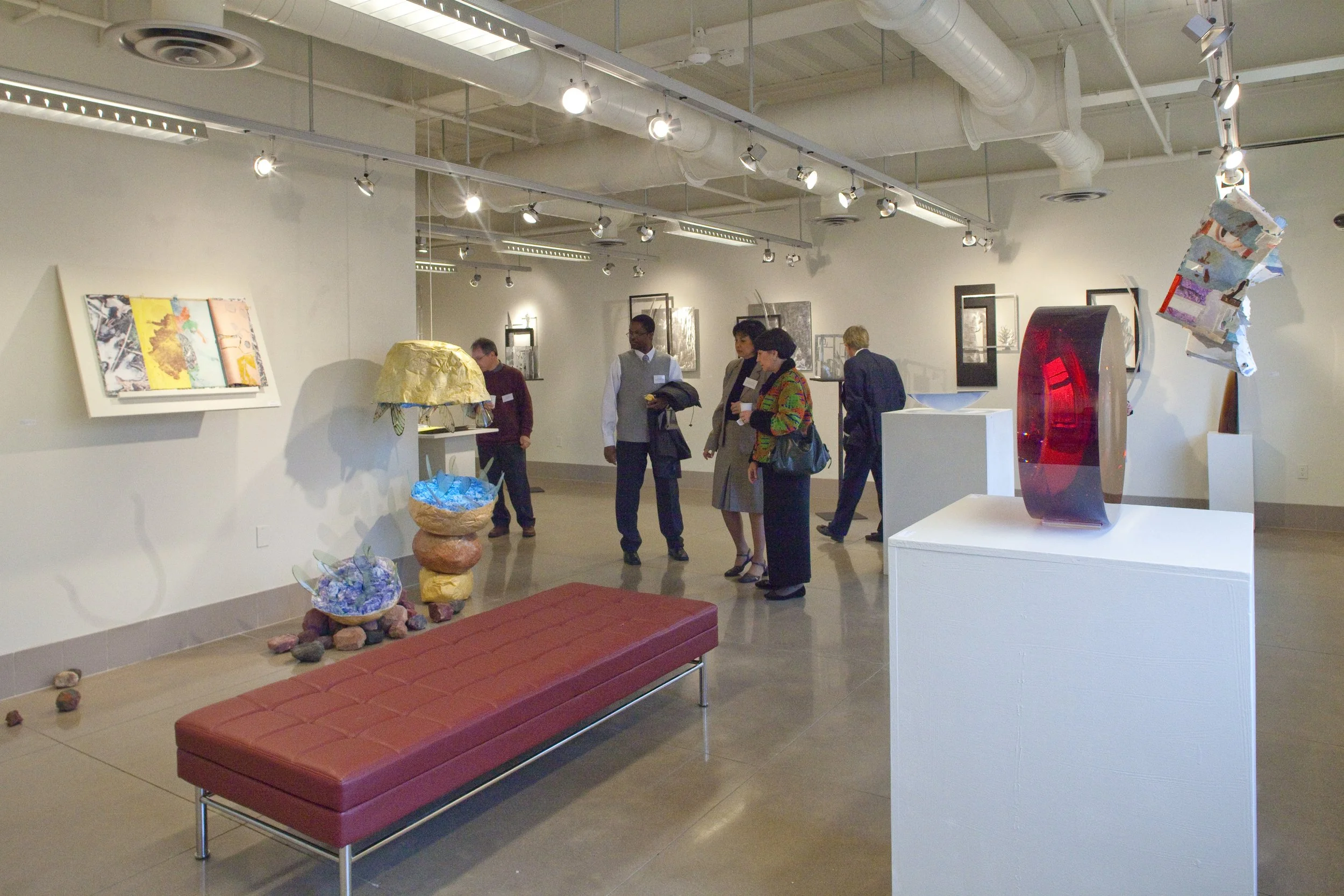
Transparency and openness organize program—lobby, galleries, studios and fitness spaces face the quad—so circulation becomes a series of visible thresholds.
This strategy reinforces continuity with campus heritage while expressing contemporary material and environmental systems.
-
The approach uses a glazed curtain wall and interior transparency to extend daylight and visual connection across levels, while program is stacked to read at the quad and the lower entry.
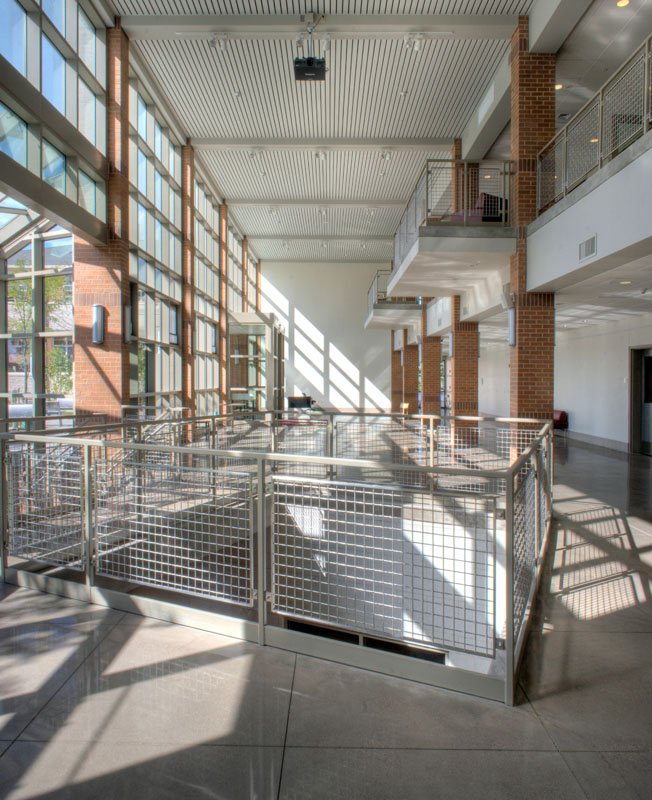
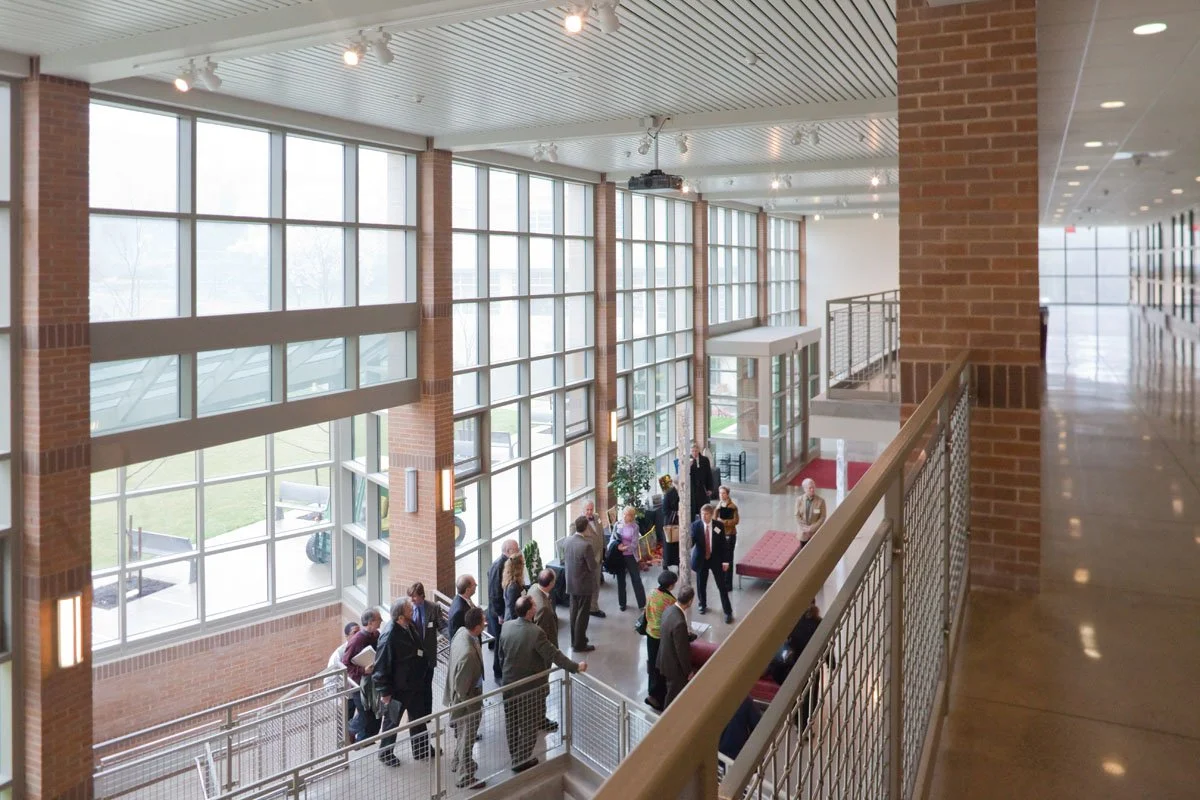
A rotated glass cube marks the ceremonial stair and aligns movement with the campus axis, and clerestories and full-height glazing borrow light into deep spaces.
Sustainable systems, including roof-mounted photovoltaic arrays and efficient MEP strategies, supported the building’s LEED Gold certification.
project outcome
Arrival from the lower grade routes movement through a sequence of visible thresholds and direct lines to the quadrangle. A glazed vertical stair clarifies vertical circulation and preserves sightlines between levels.
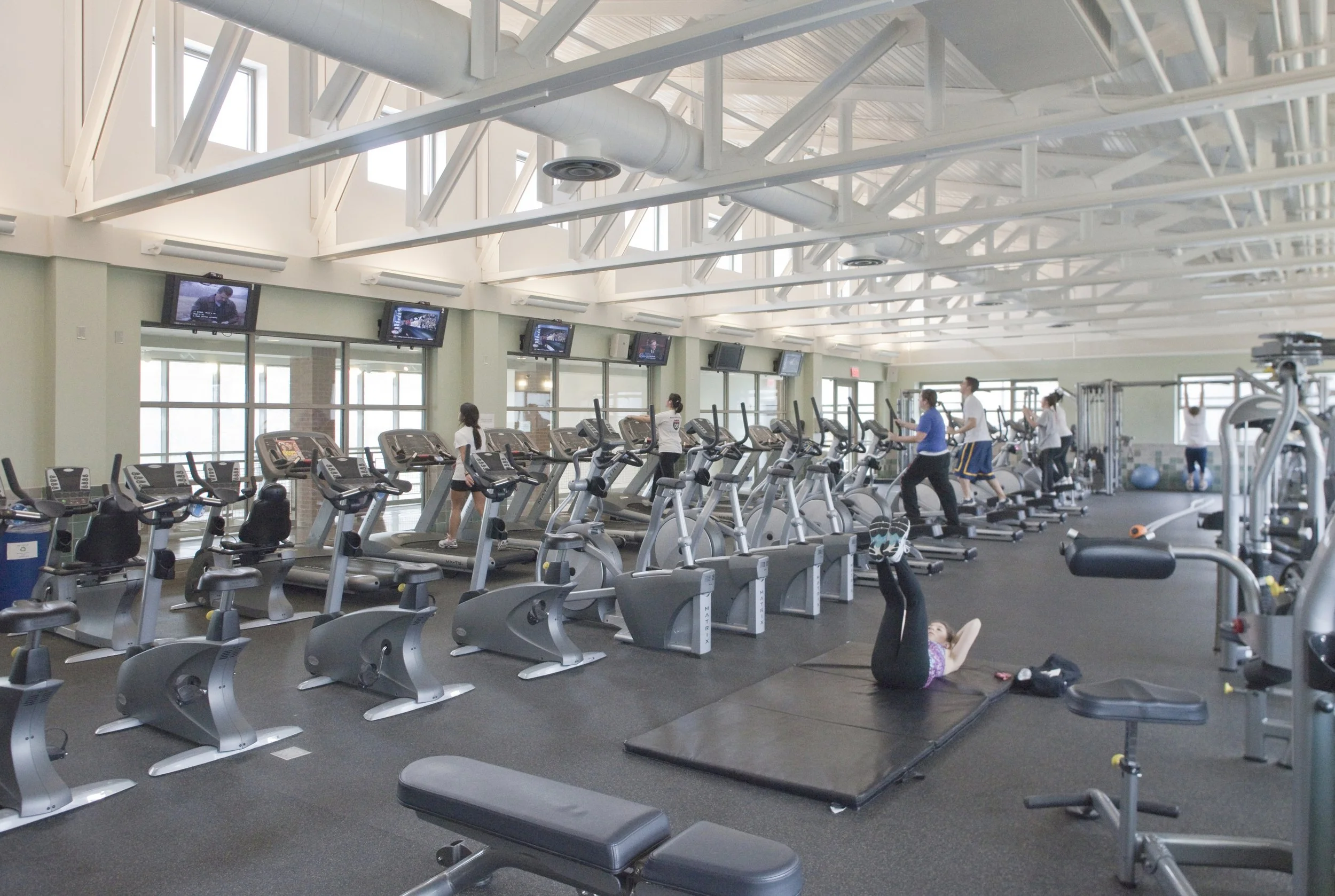
Full-height glazing and clerestories bring daylight deep into communal spaces, improving visibility across levels. Main activity areas face the quadrangle and reinforce orientation.
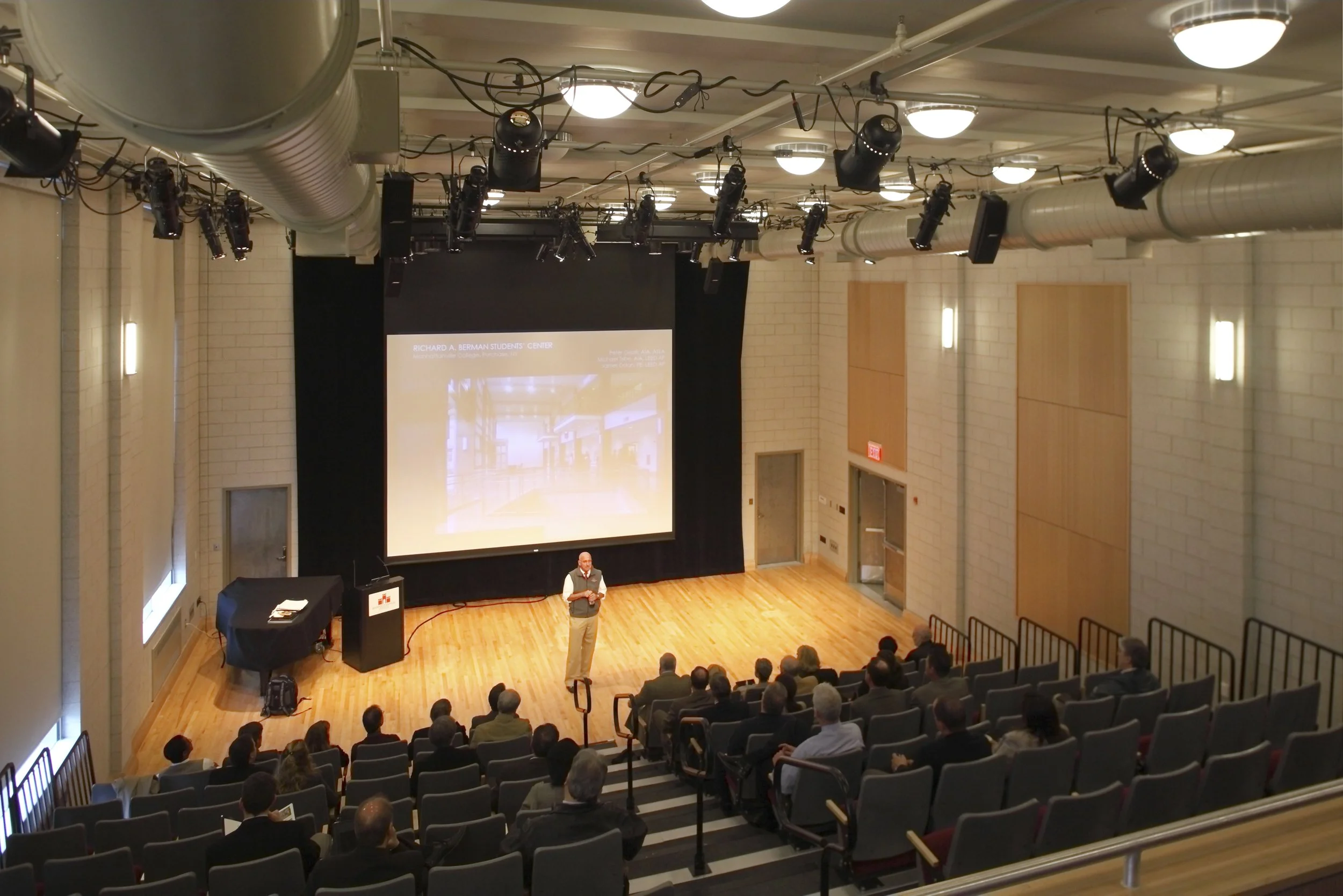
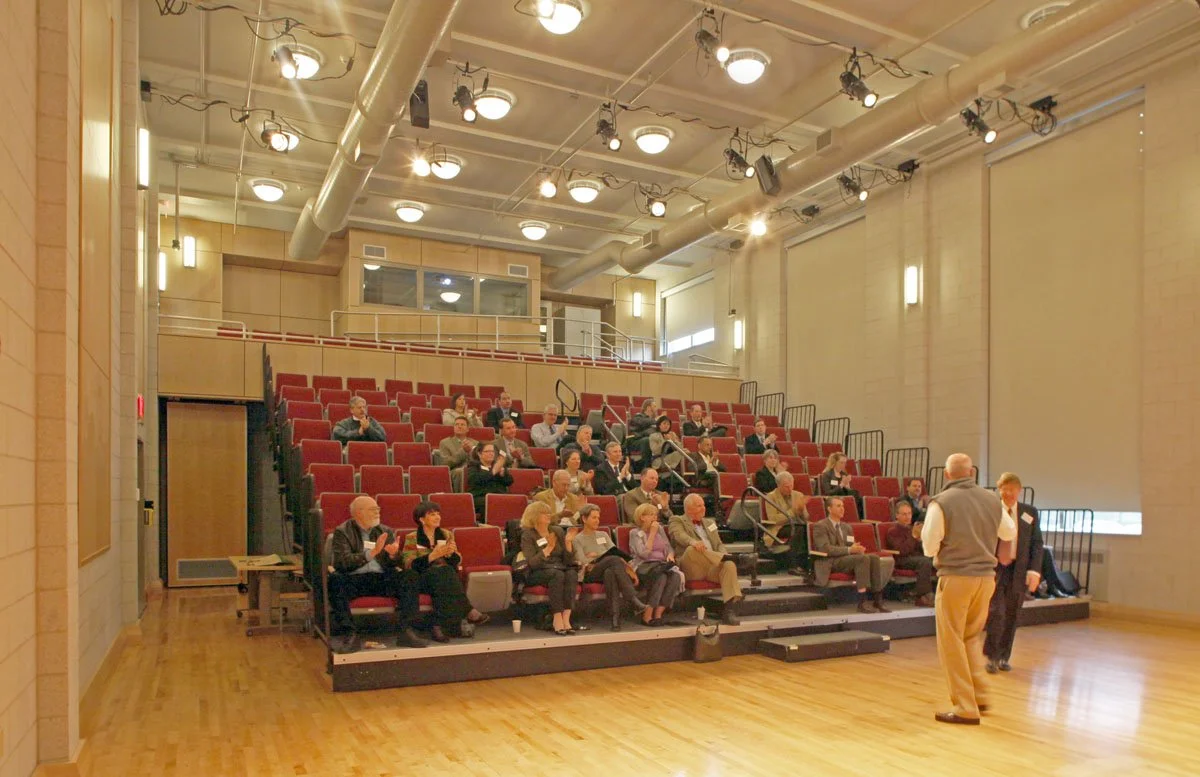
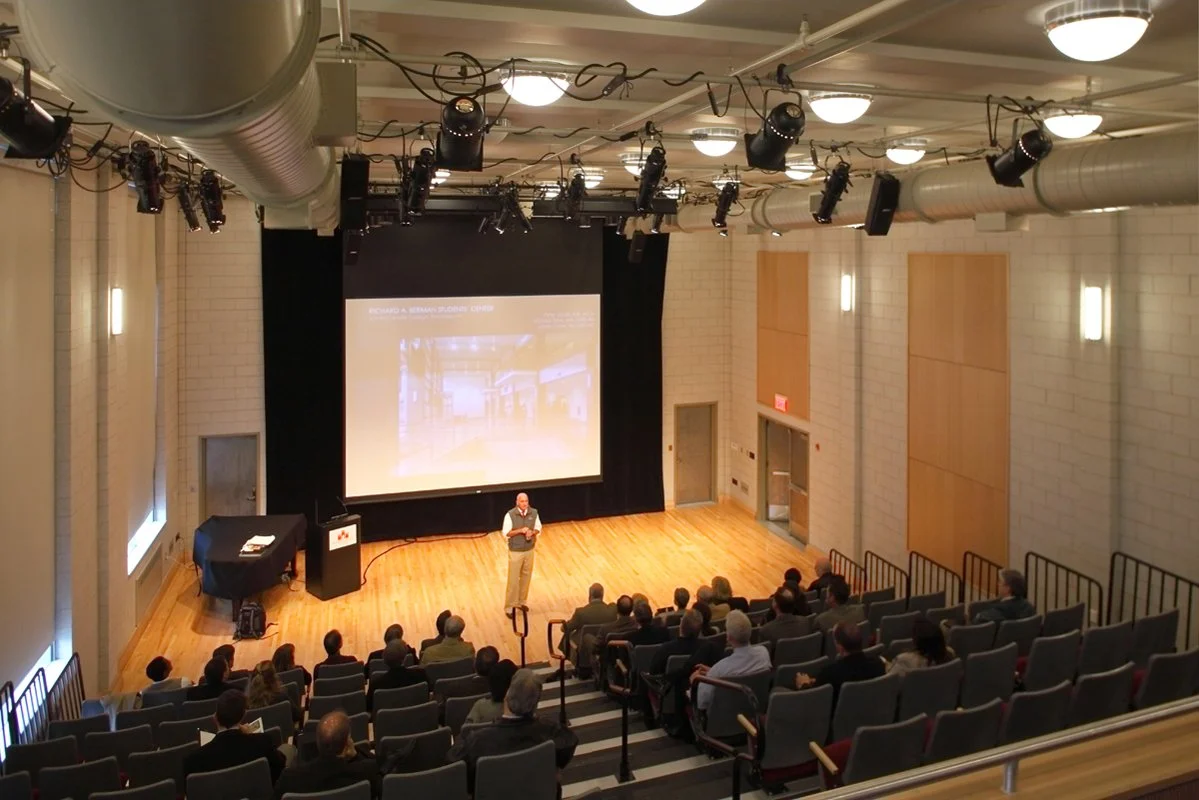
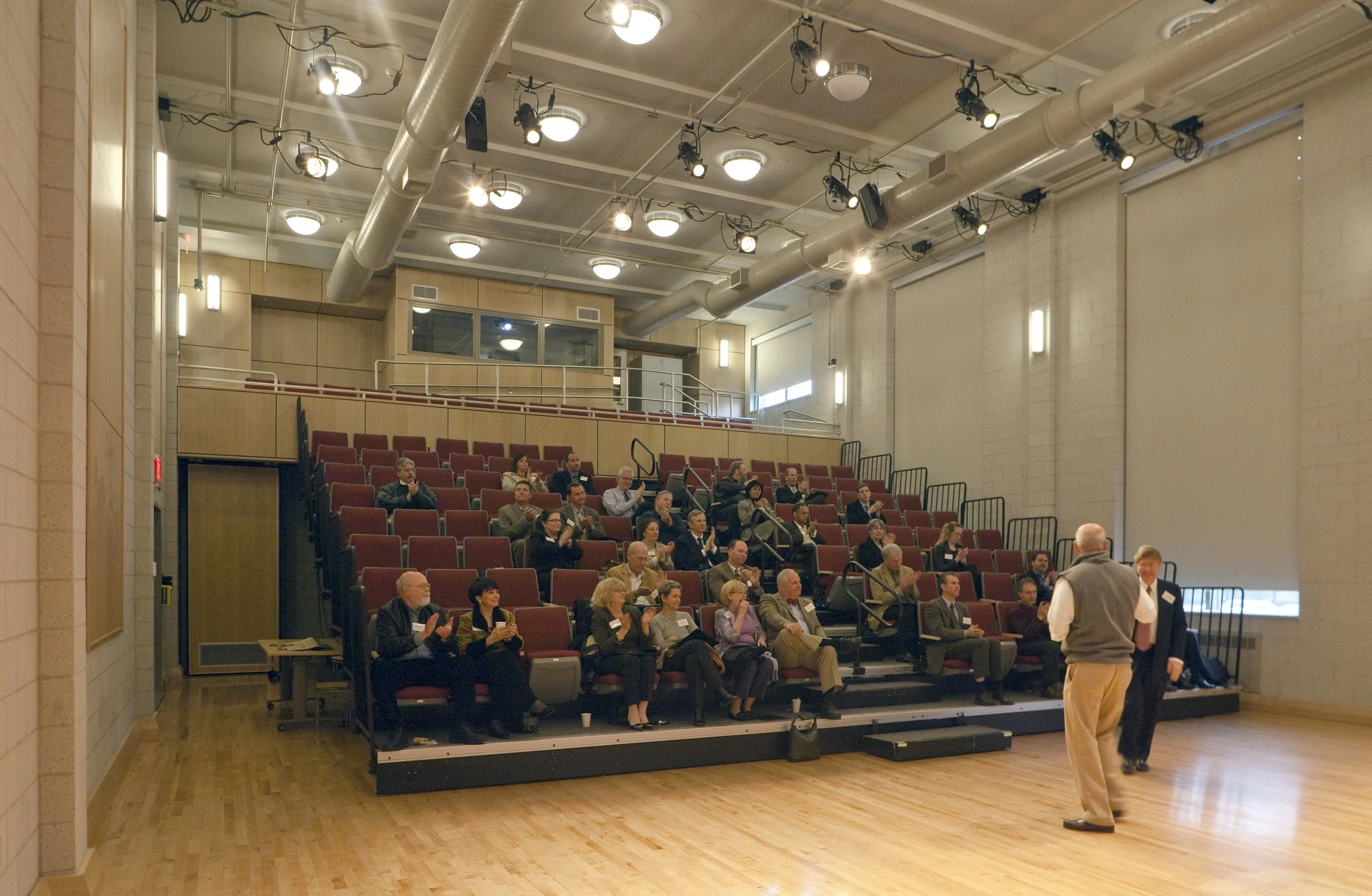
Open galleries, rehearsal rooms, and fitness areas accommodate varied activities and adapt over time. Durable systems and clear spatial separation between public and support zones support long-term use.
let’s continue the conversation
Every project begins with listening. If you’re considering a new campus, building, or landscape, we’d welcome the chance to talk through your goals, challenges, and aspirations. Our team works collaboratively to shape places that feel grounded, connected, and built to serve people well over time.