peekskill school district
2010
peekskill, ny
140,000 sf
new construction
awards
2011, AIA Westchester / Hudson Valley
Citation
2011, Learning by Design
Honorable Mention Award
2011, The Building of America Network
Gold Medal Winner
collaborators
Structural: Anastos Engineering Associates
MEP: O'dea Lynch Abbatista
Site/Civil: TRC
Site/Civil: Raymond Keyes
Pool: Northeast Aquatics
Food: Clevenger Frable LaVallee
Theatrical/Acoustics: Harvey Marshall Berling (Theatrical/Acoustics)
Lighting: Goldstick Lighting Design
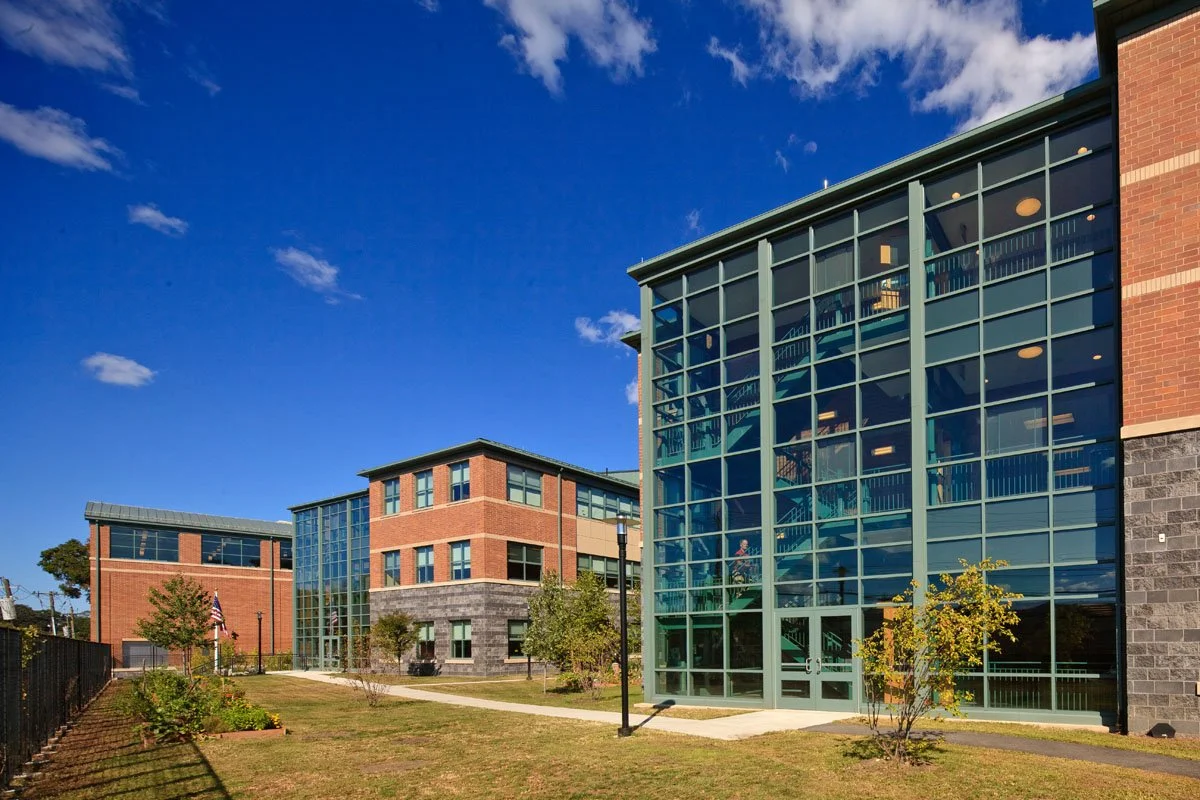
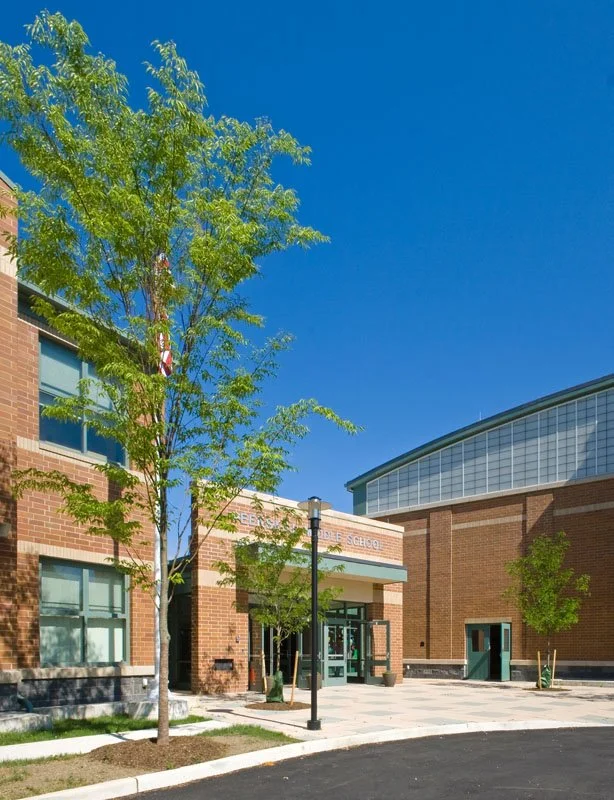
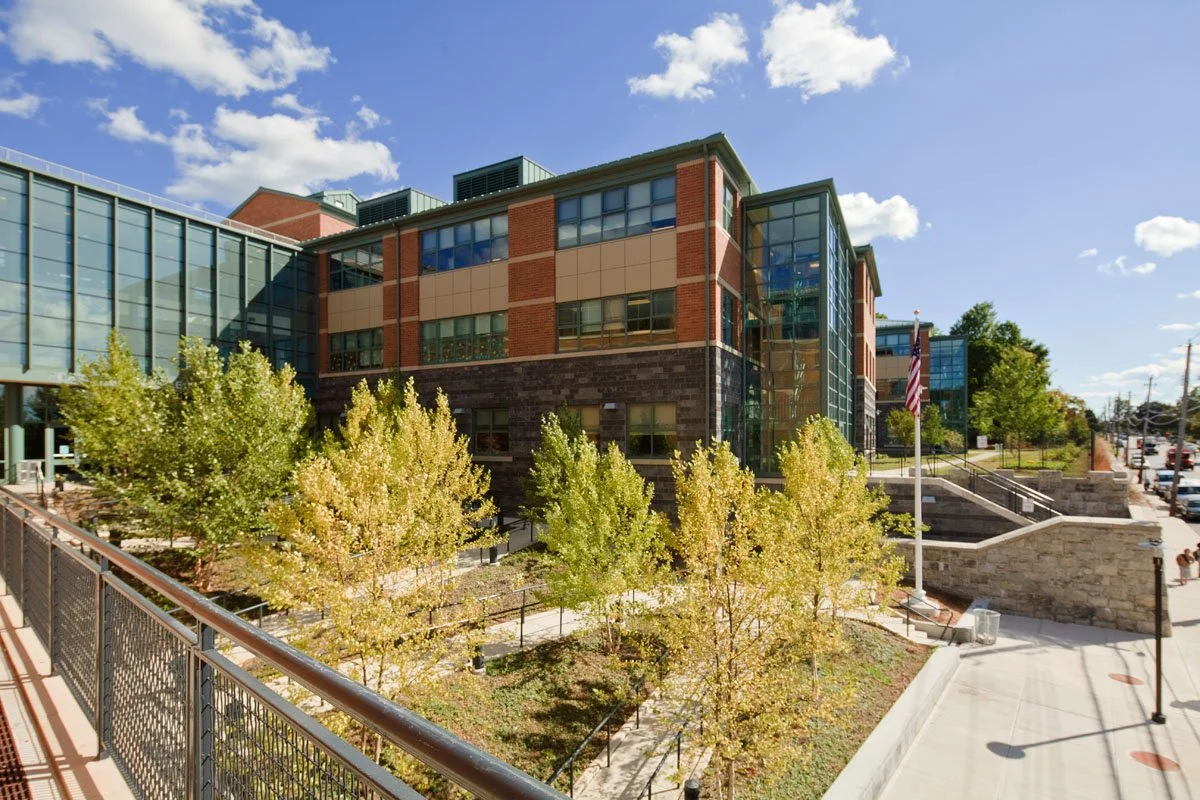
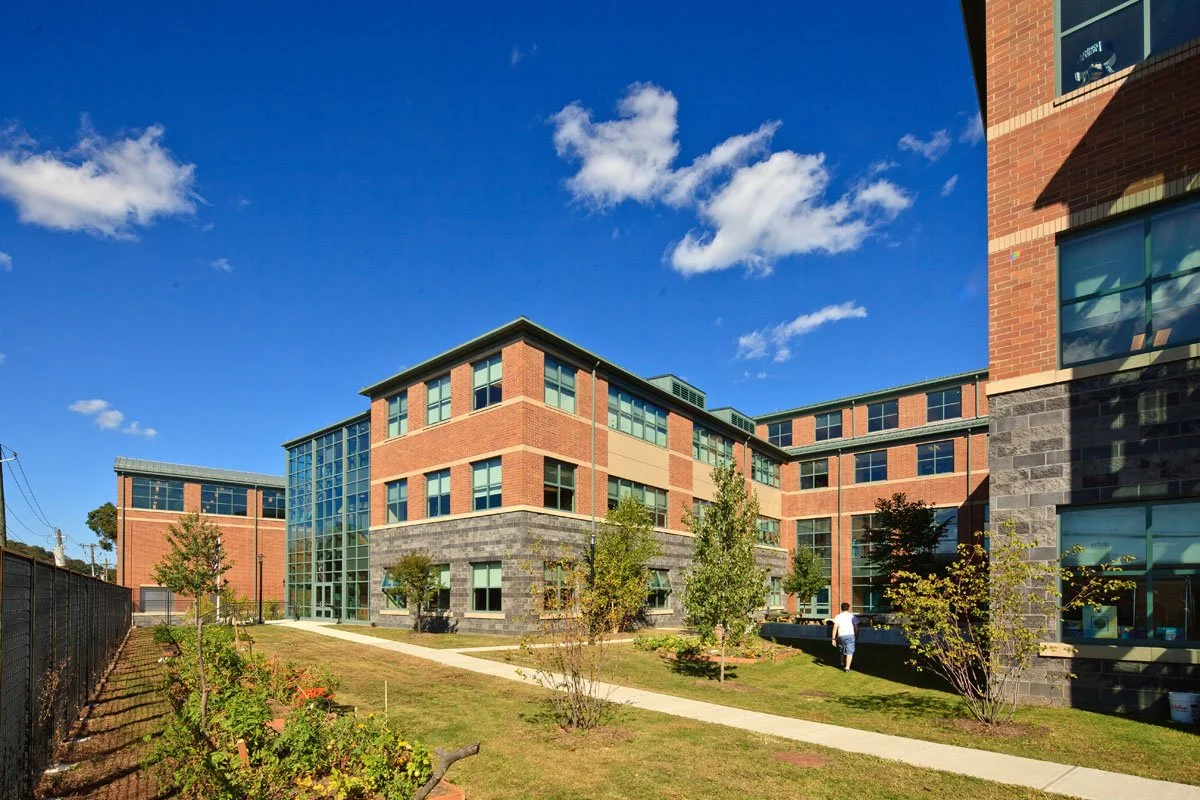
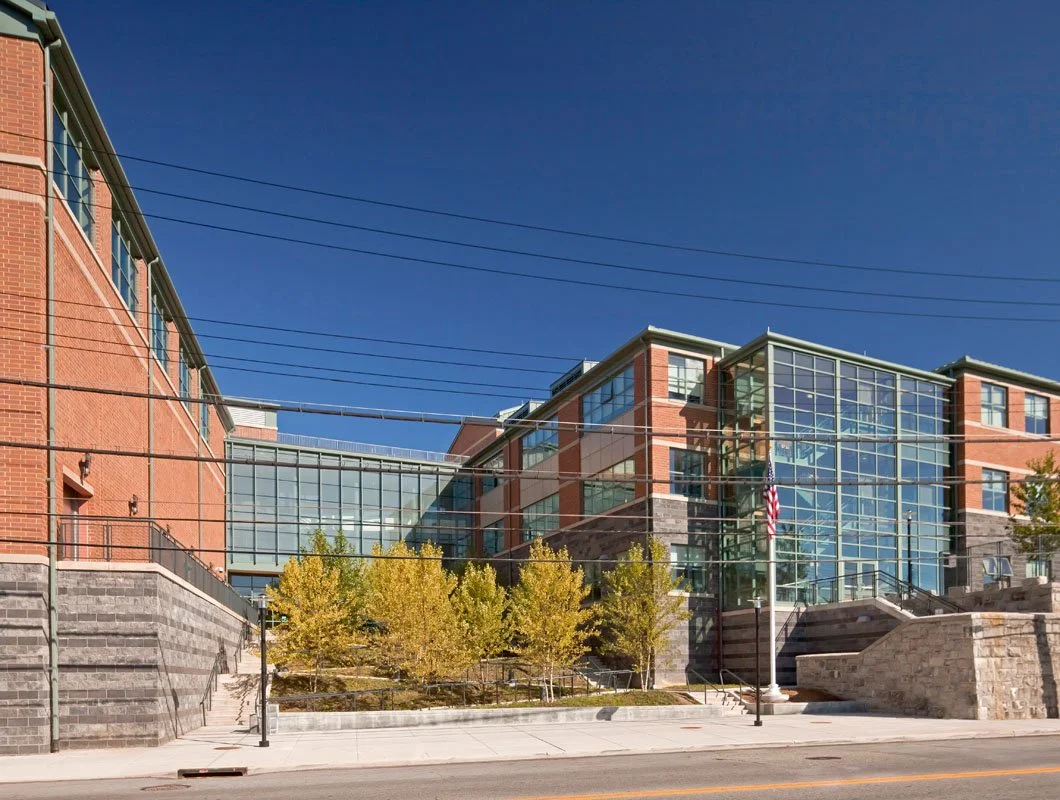
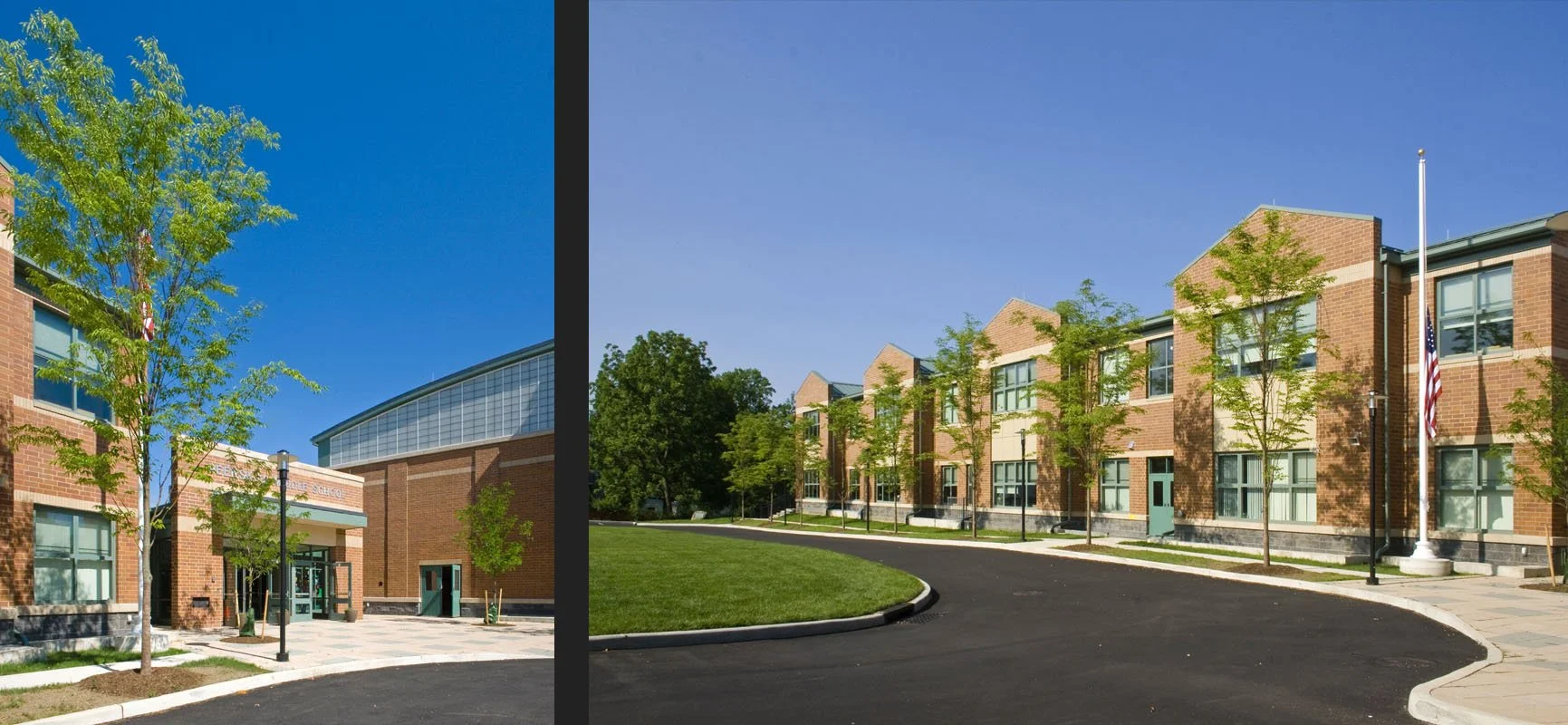
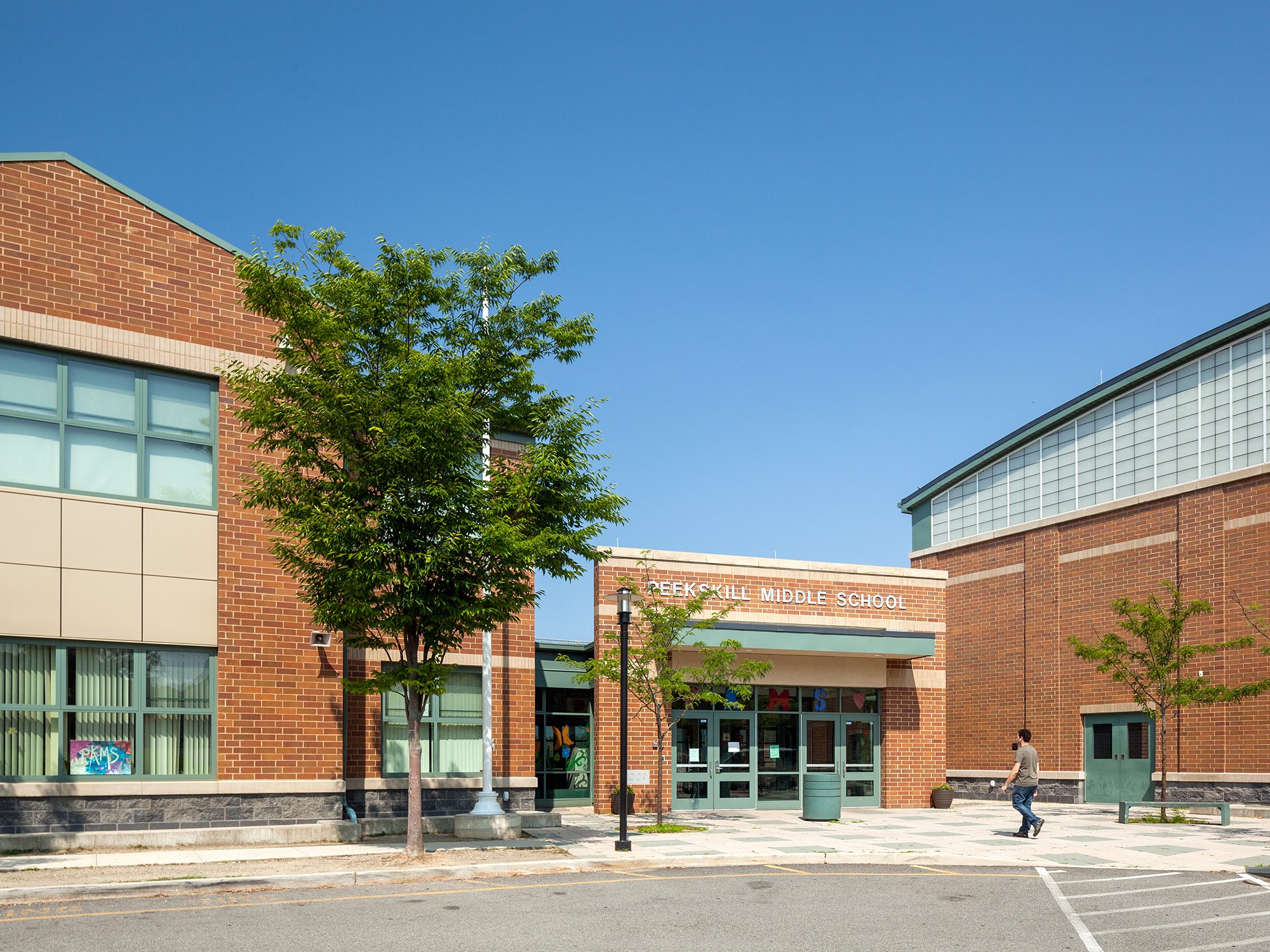
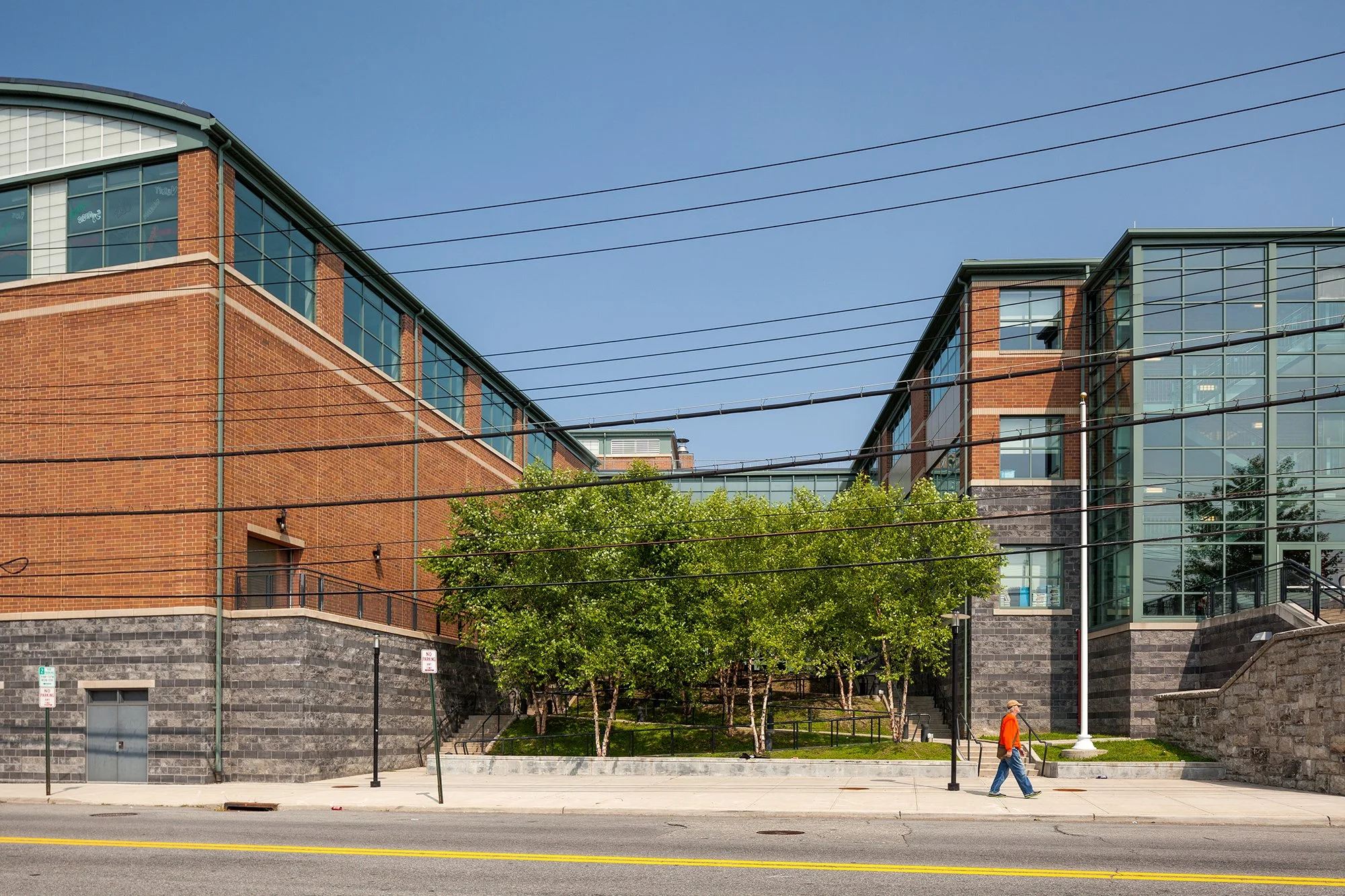
a 140,000 sf middle school and community center organized around arts, athletics, and a new city green.
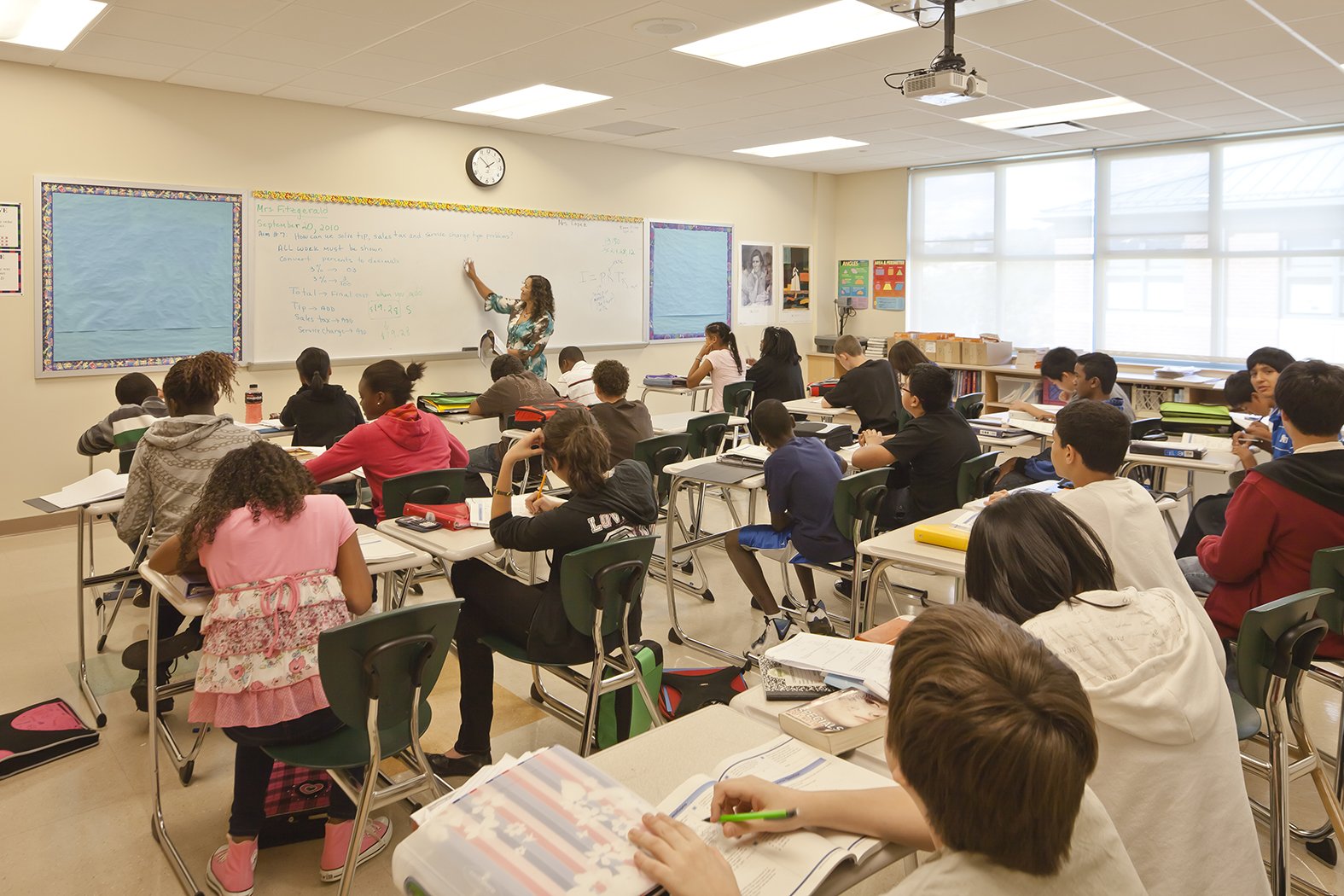
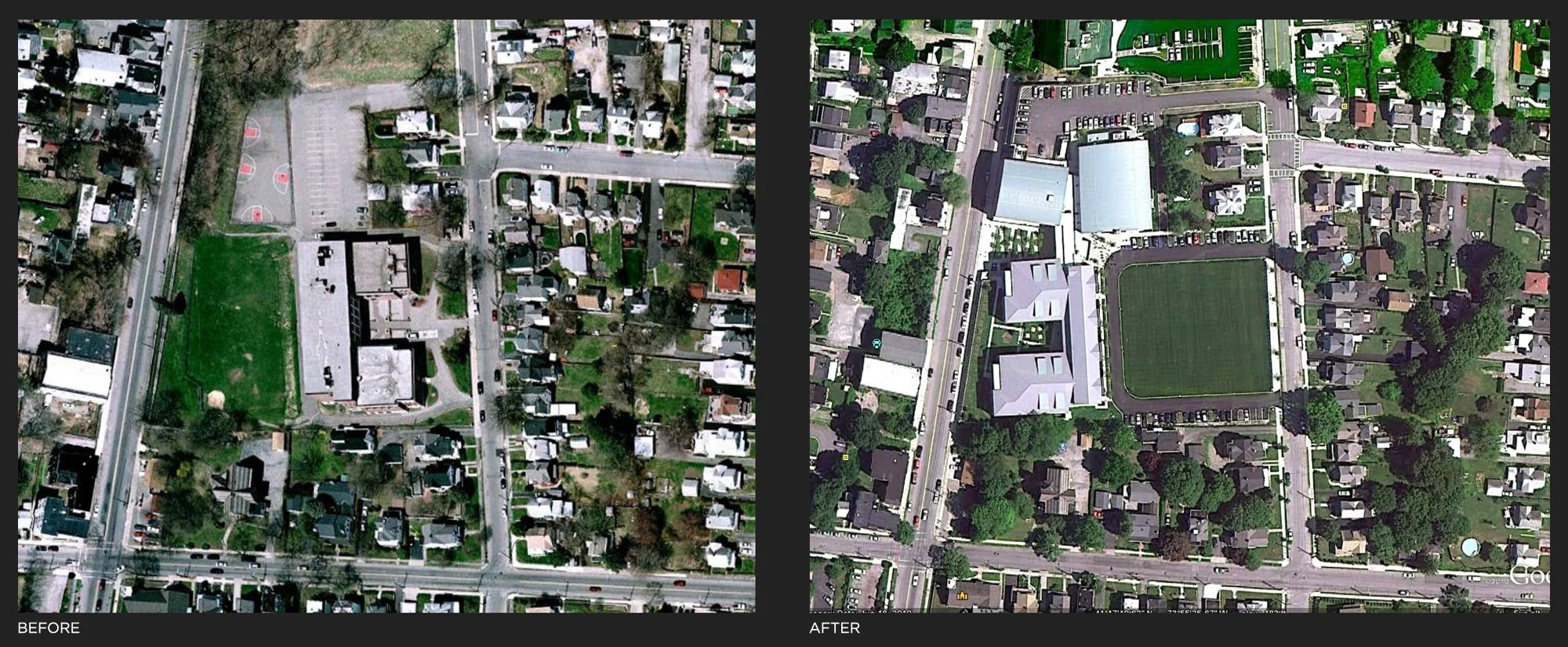
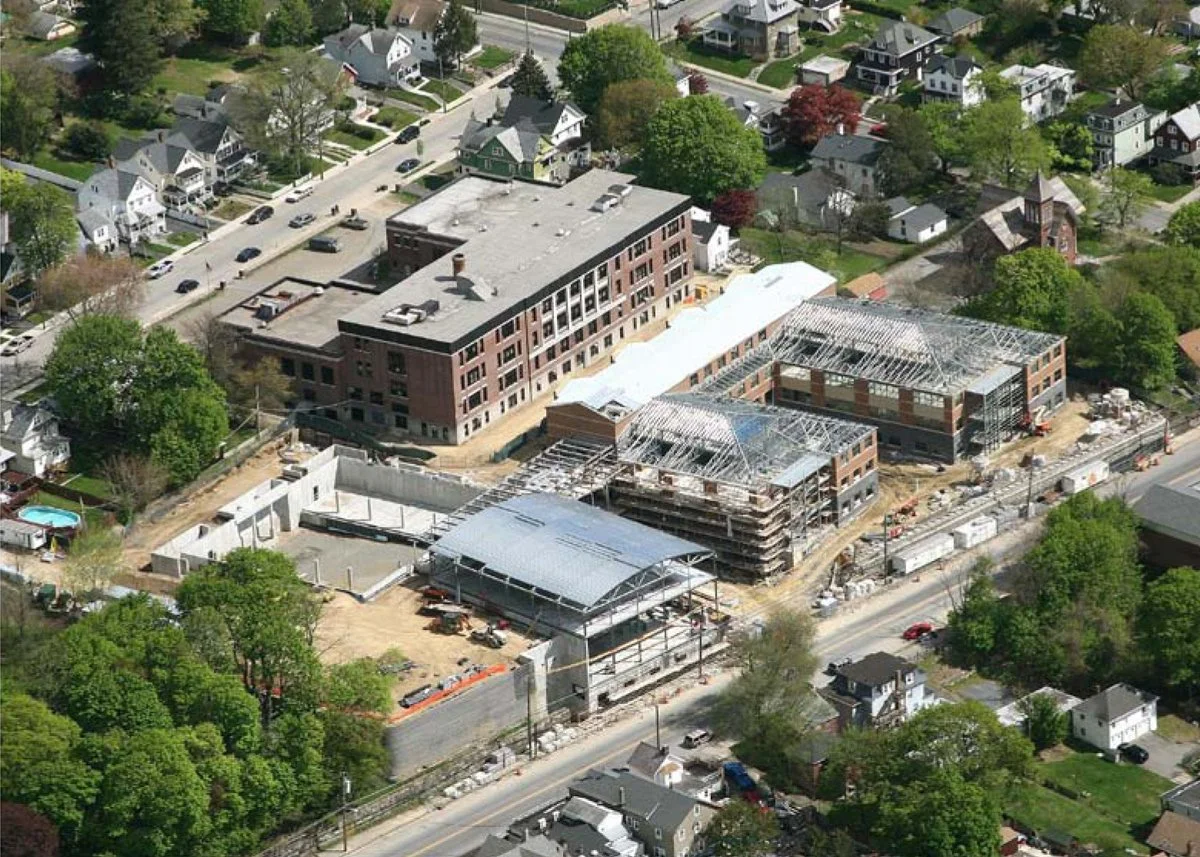
The project replaced an early 20th-century middle school that had reached the end of its useful life and was funded through a district bond. The new facility accommodates 800 to 1,000 students in grades 6–8 and combines a Middle School with a Community Center to support both school programs and broader civic use. Construction was executed while the existing school remained operational.
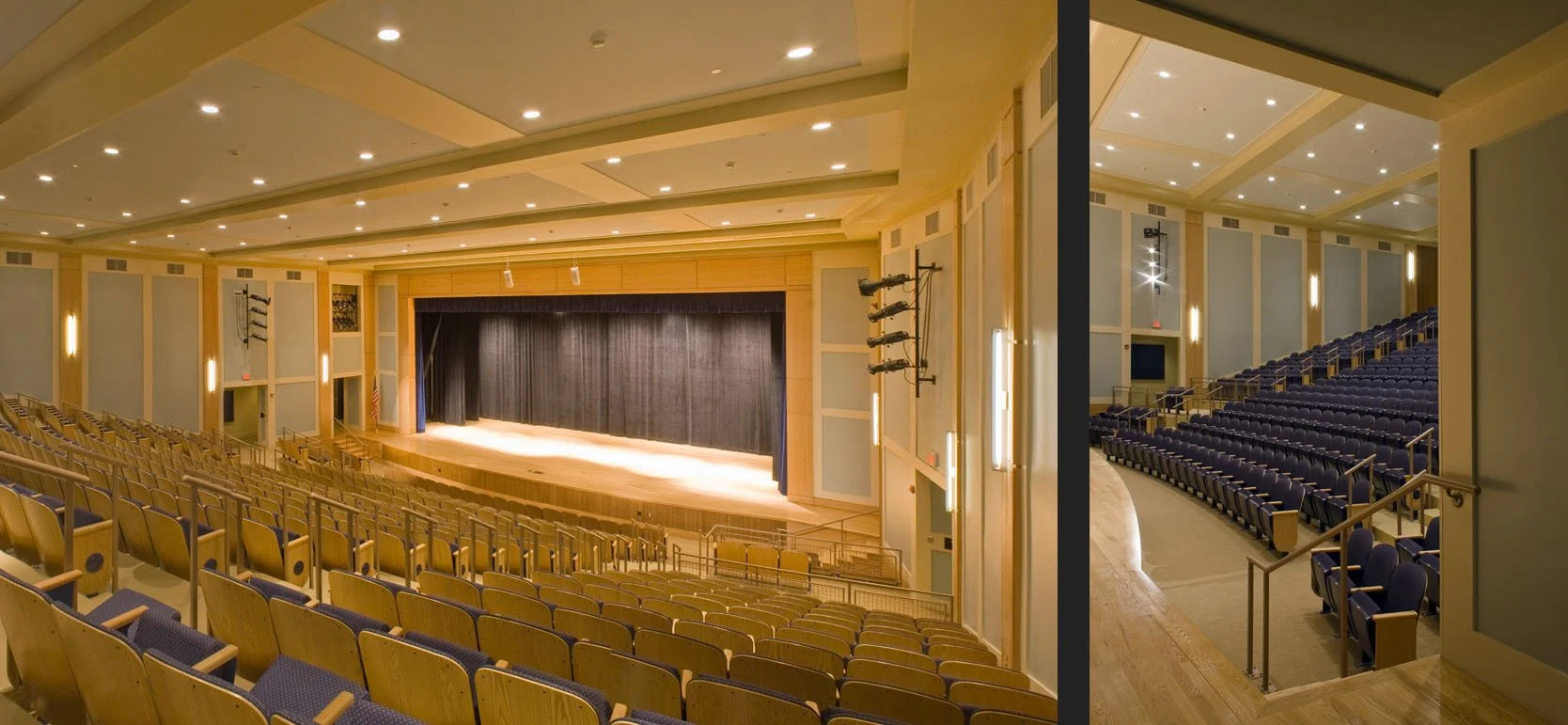
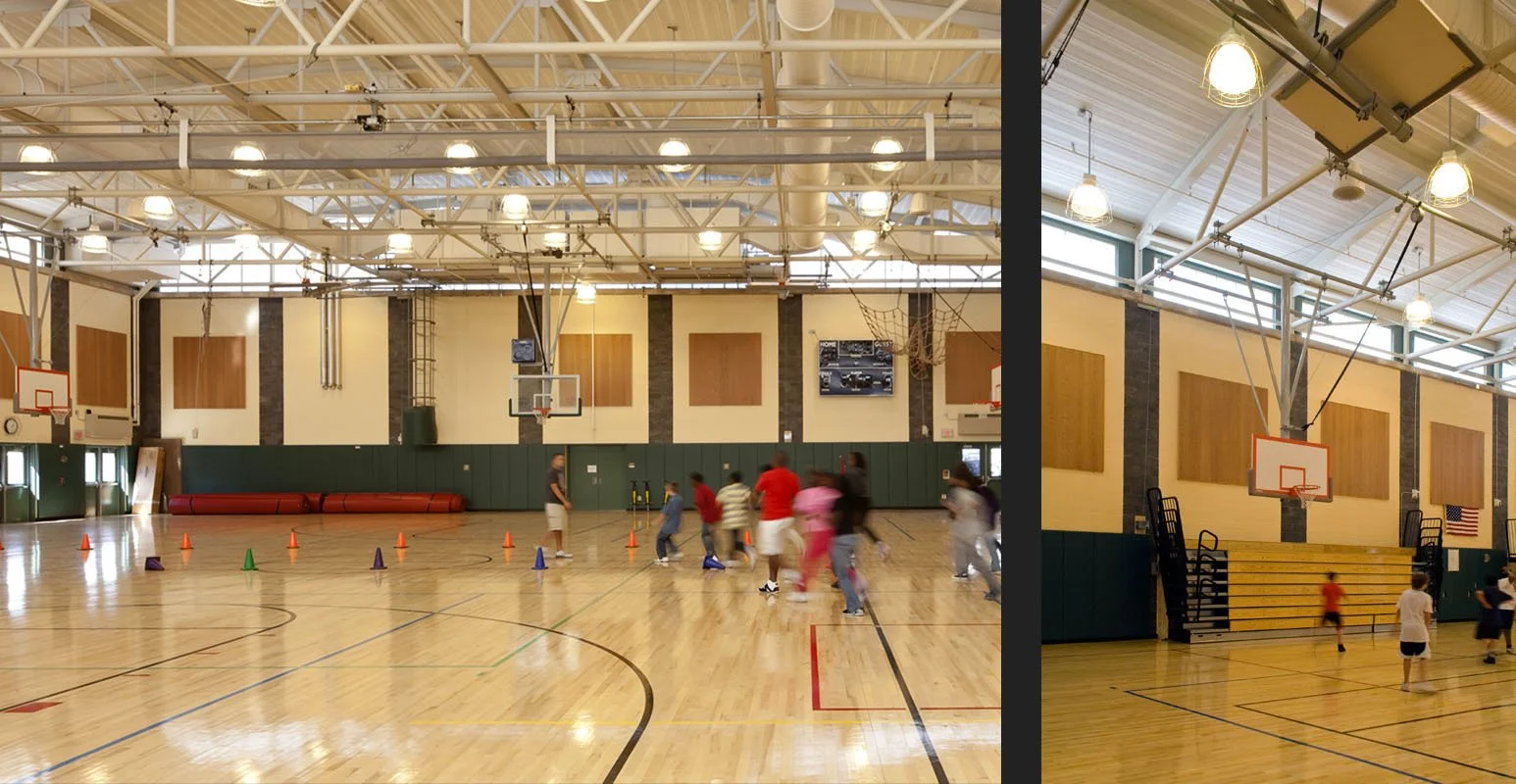
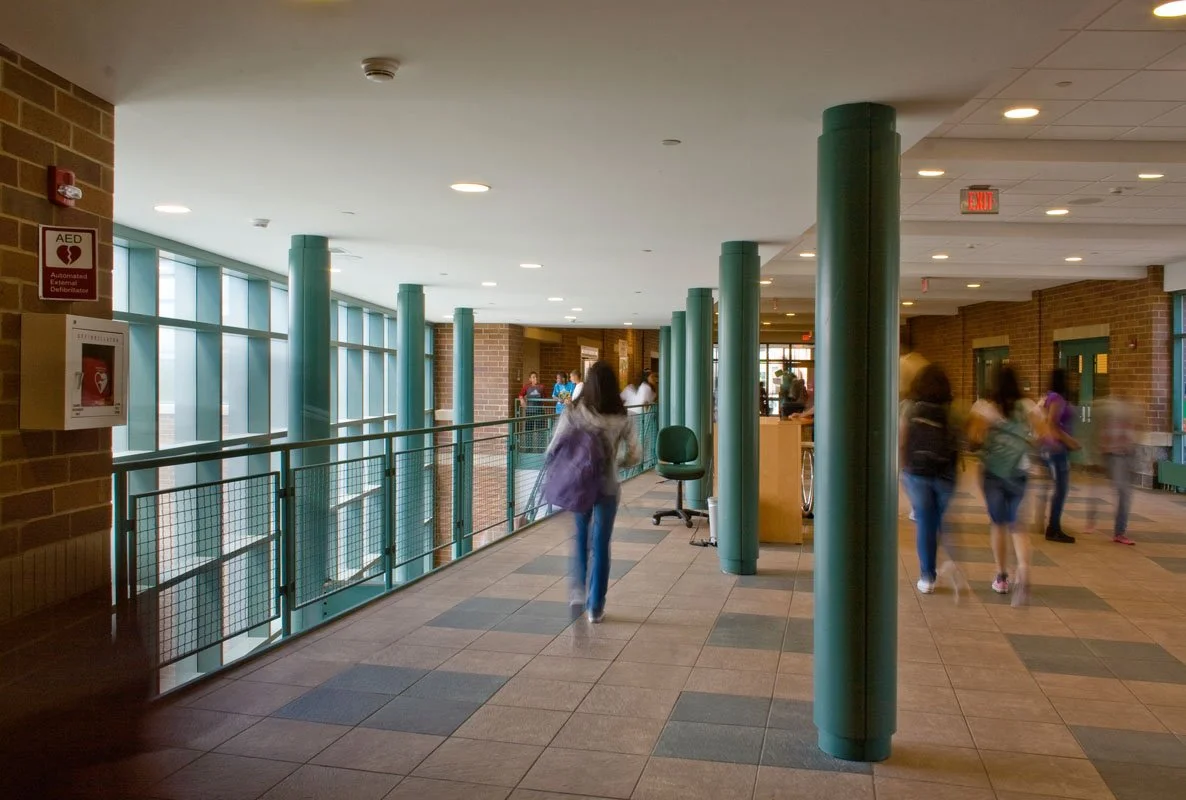
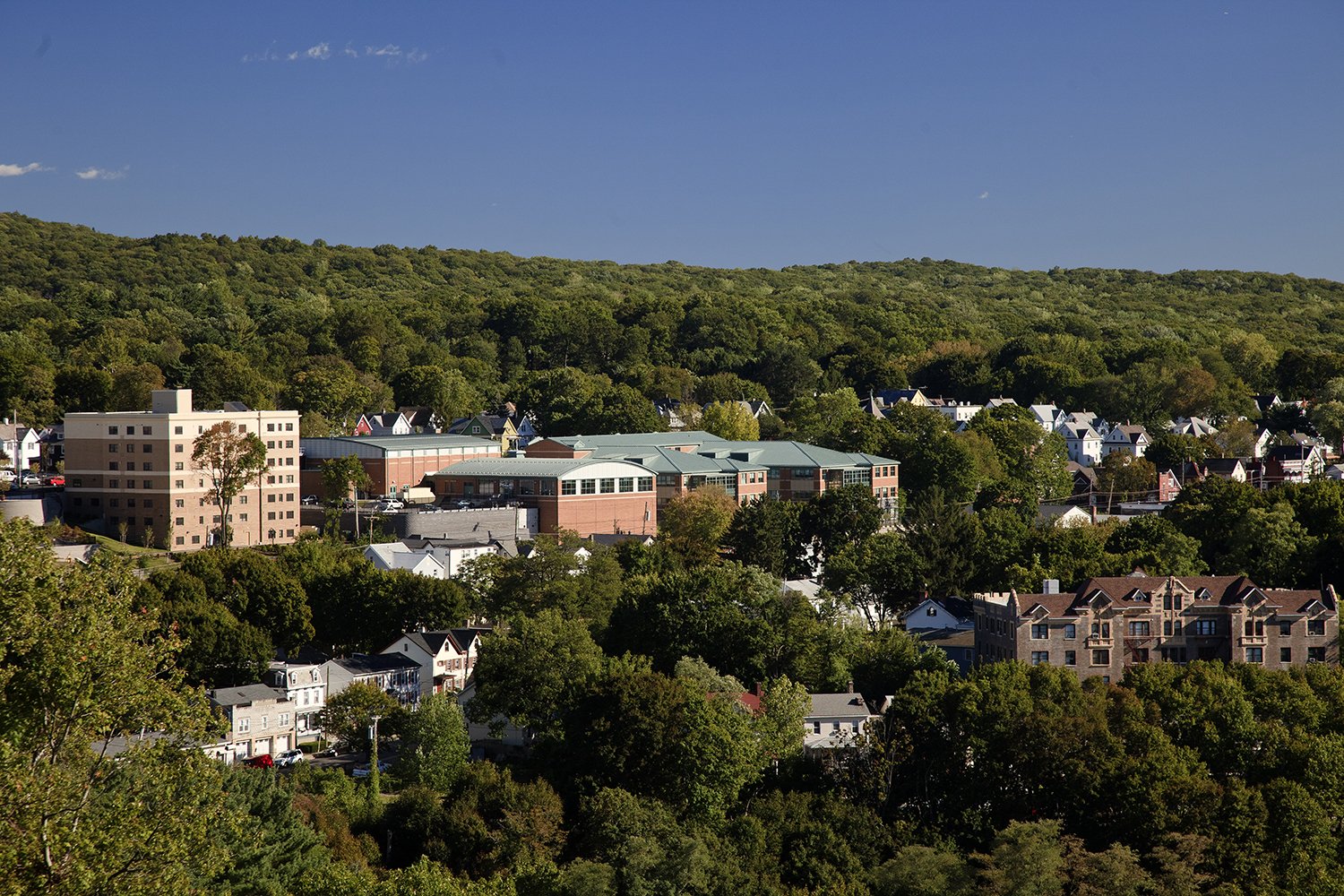
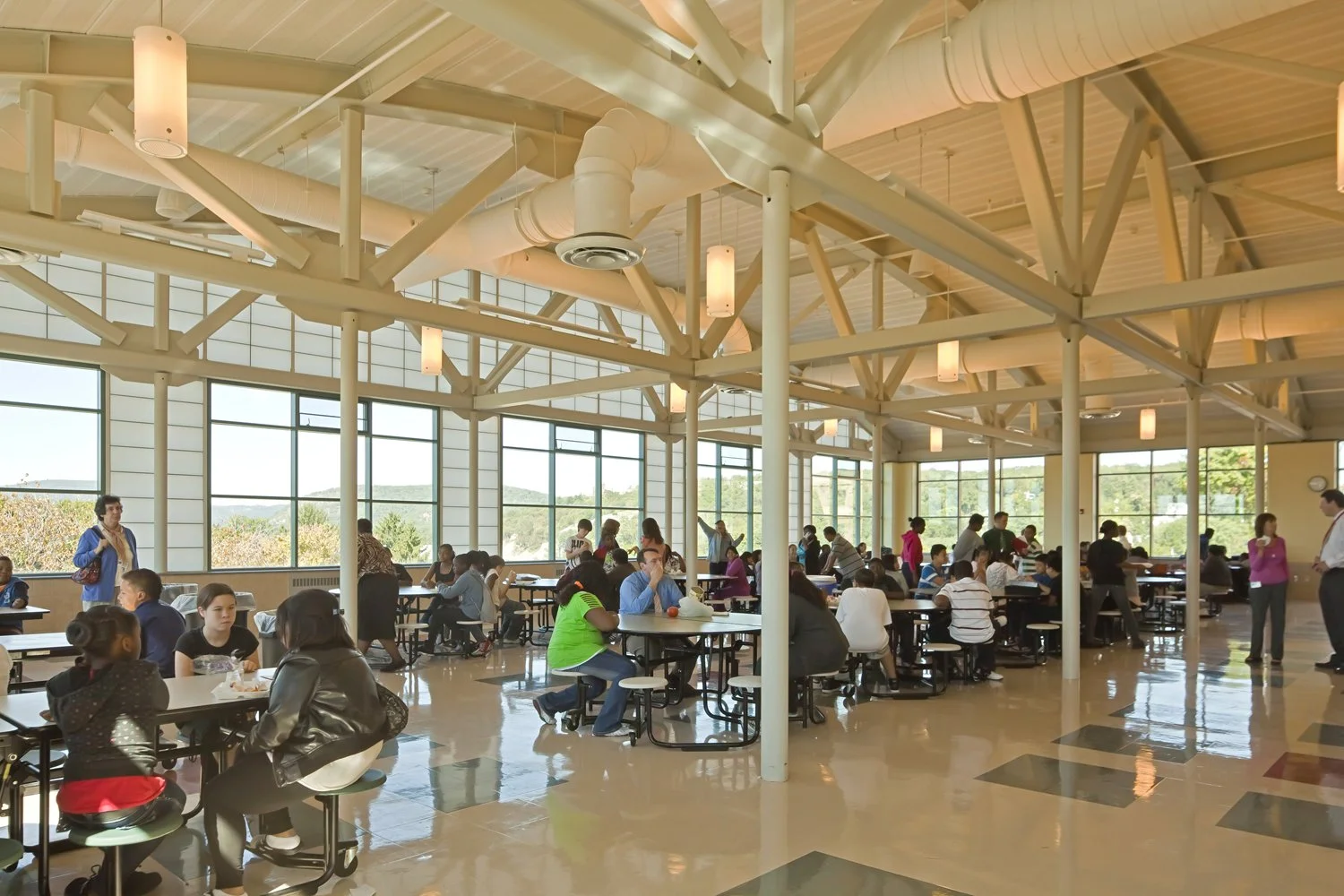
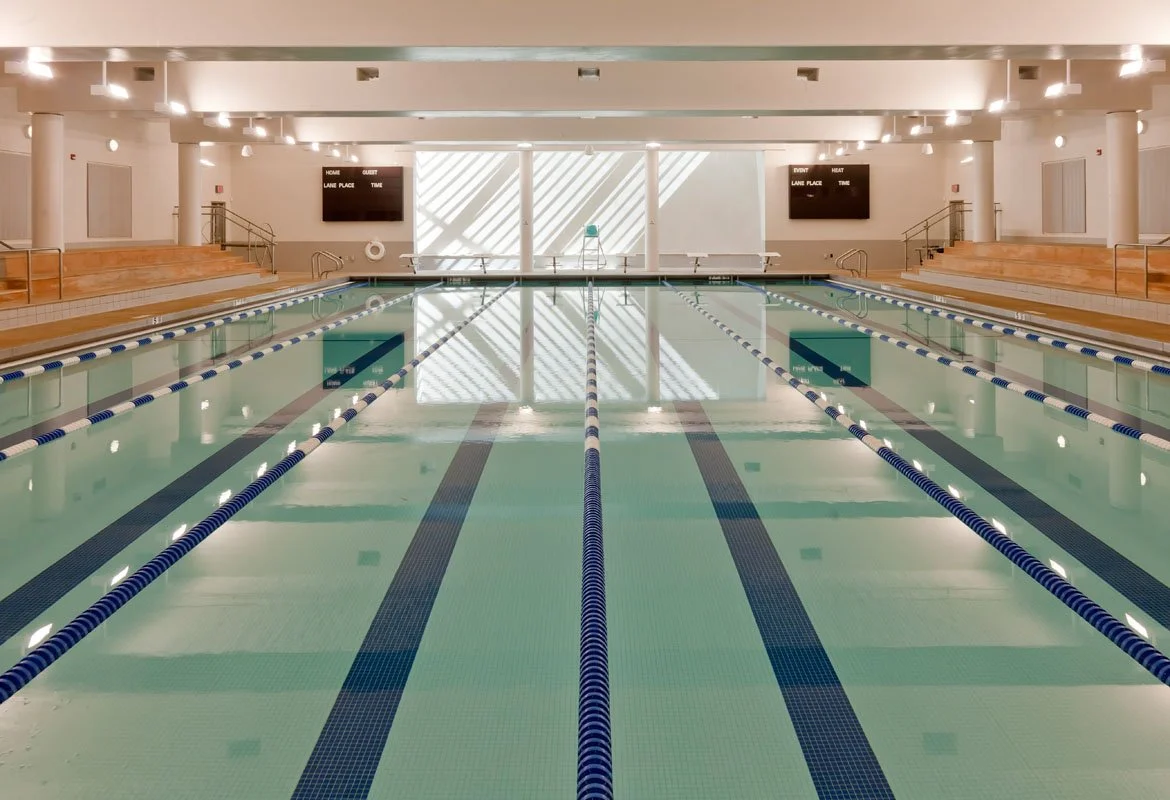
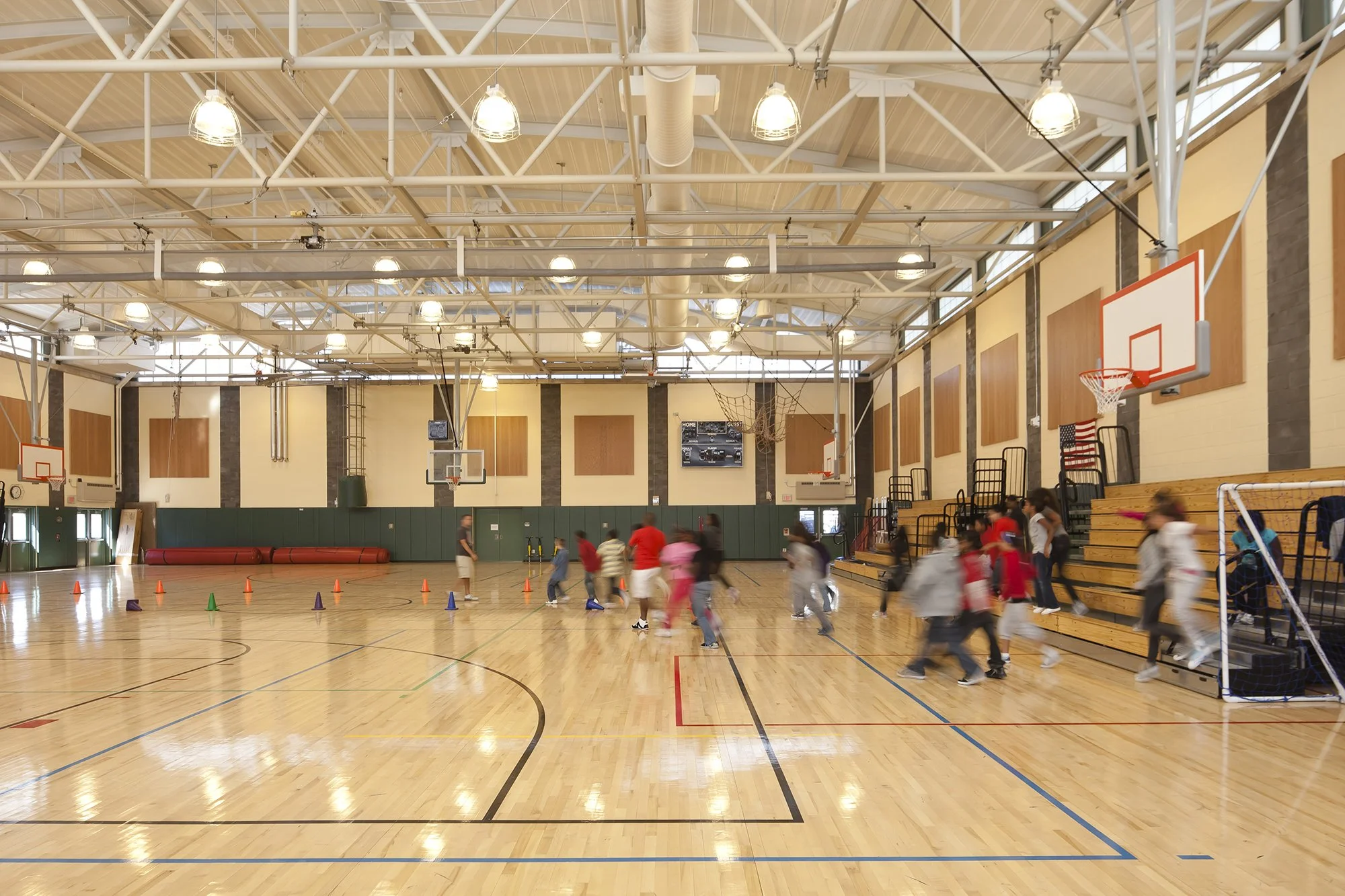
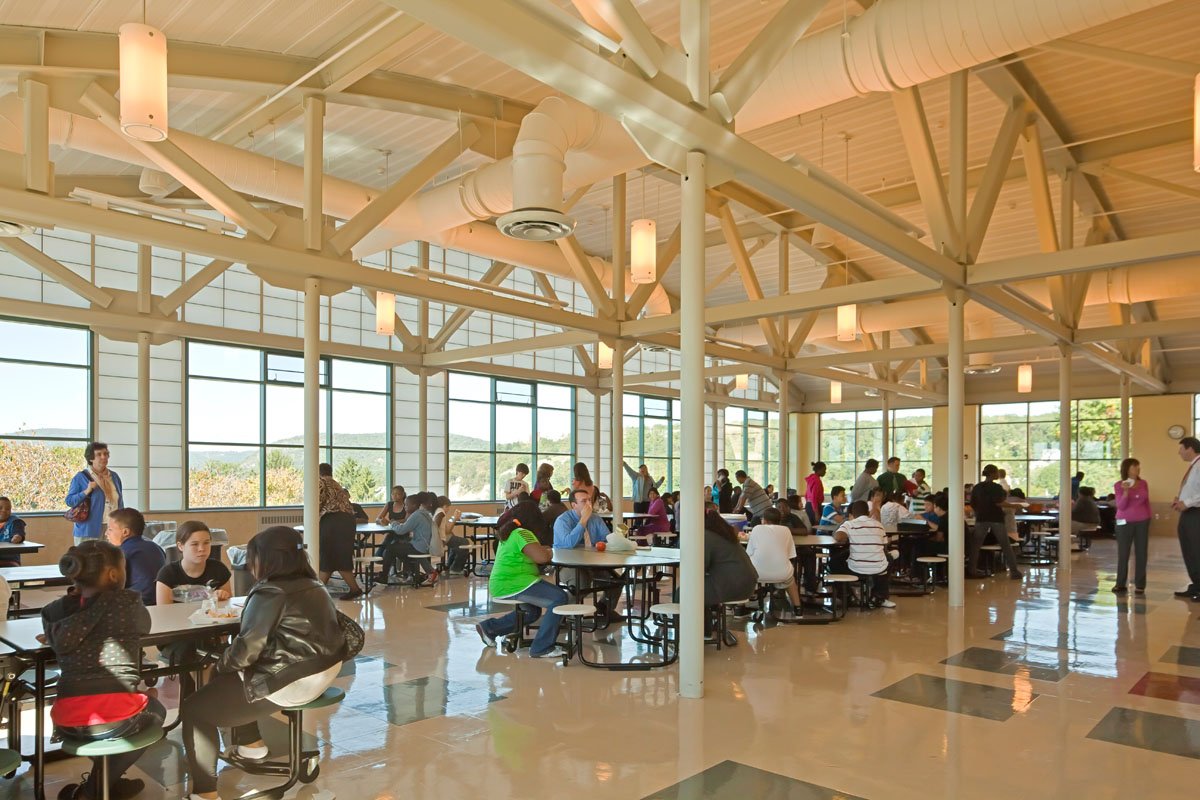
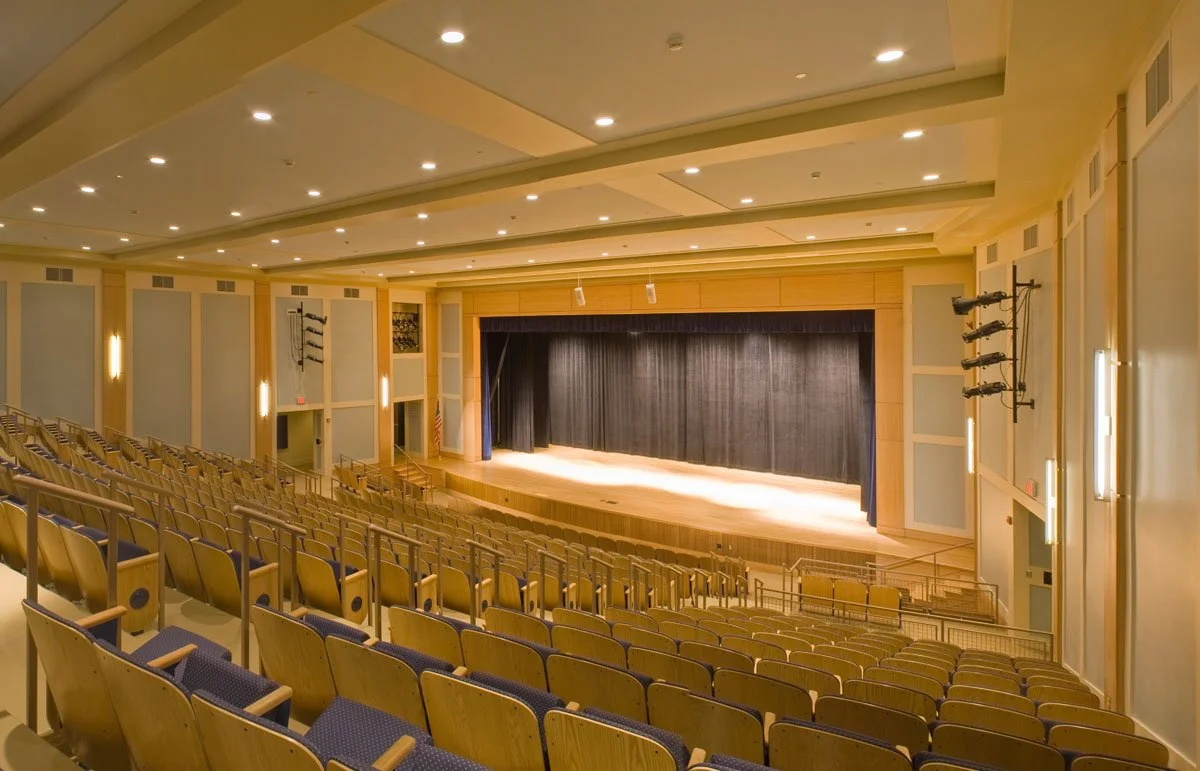
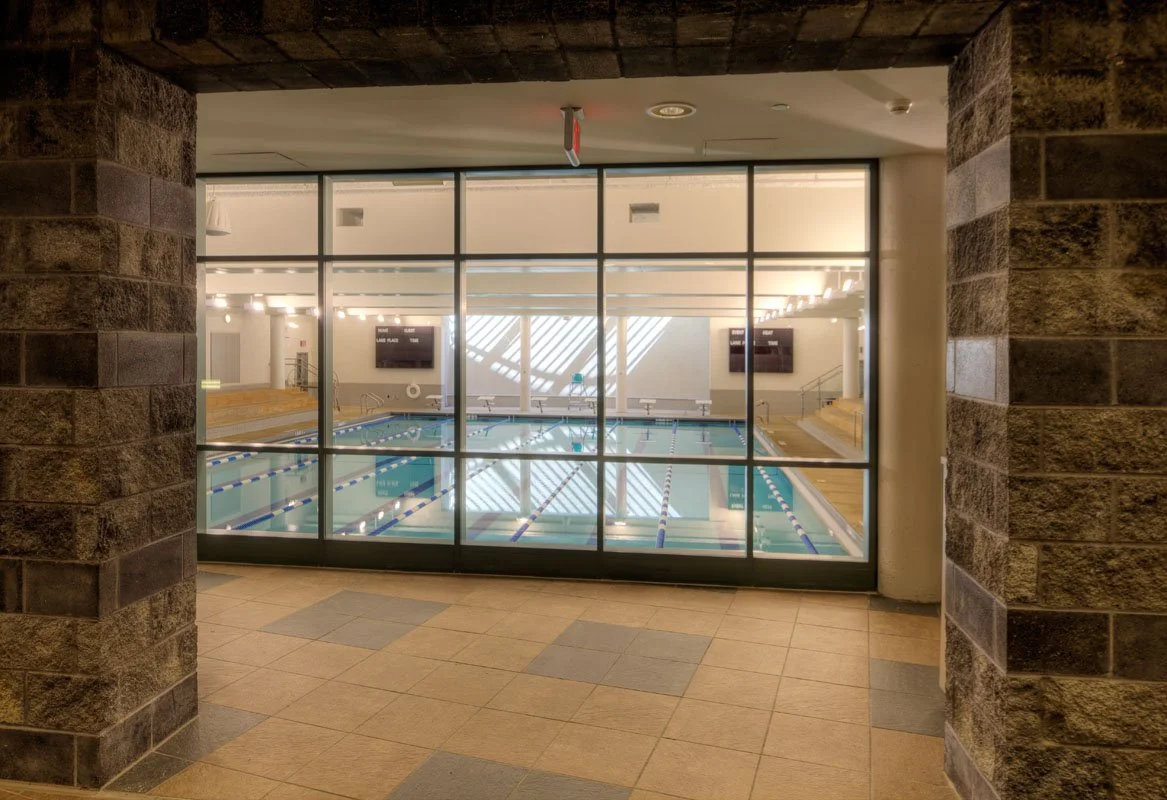
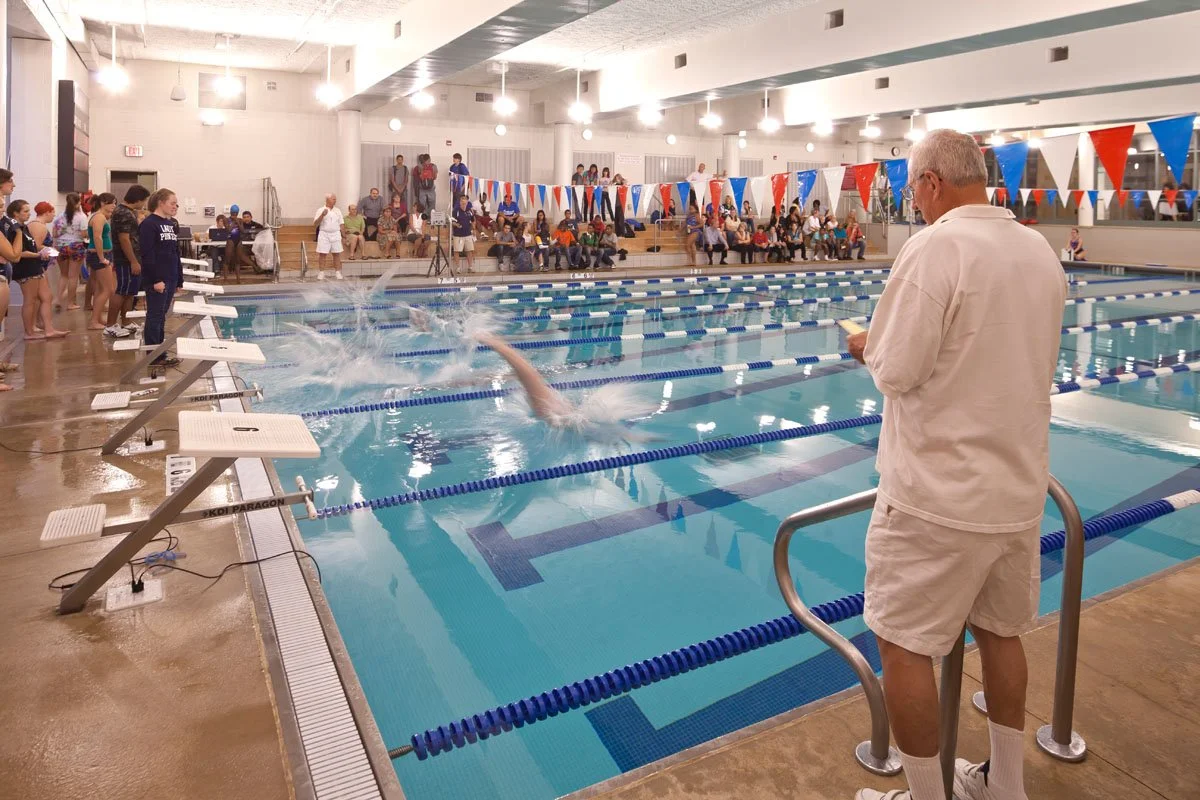
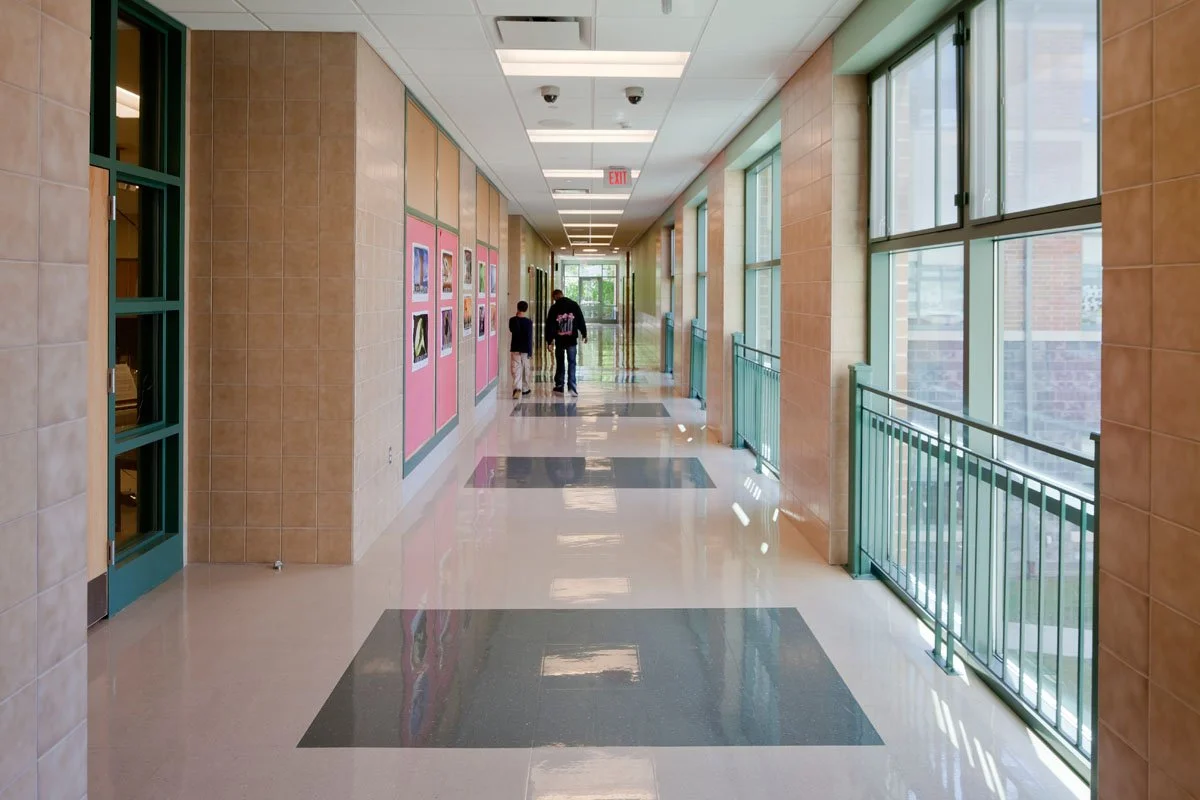
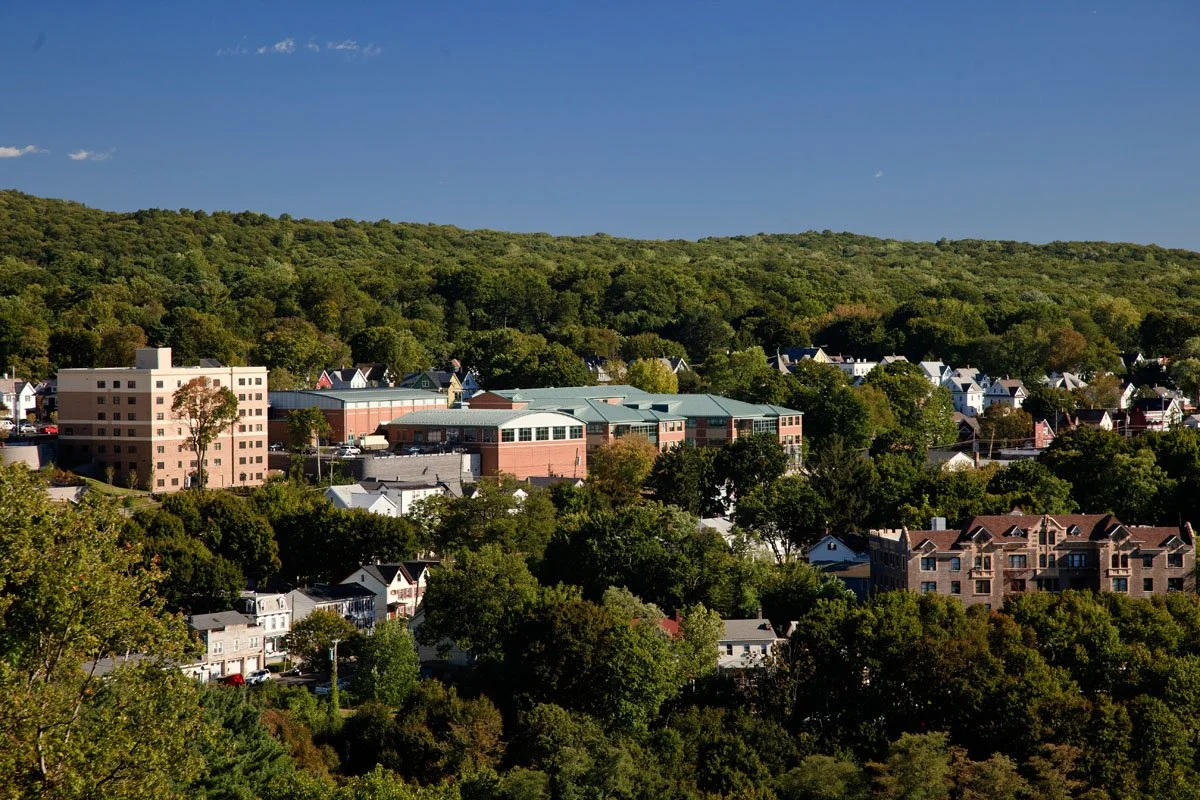
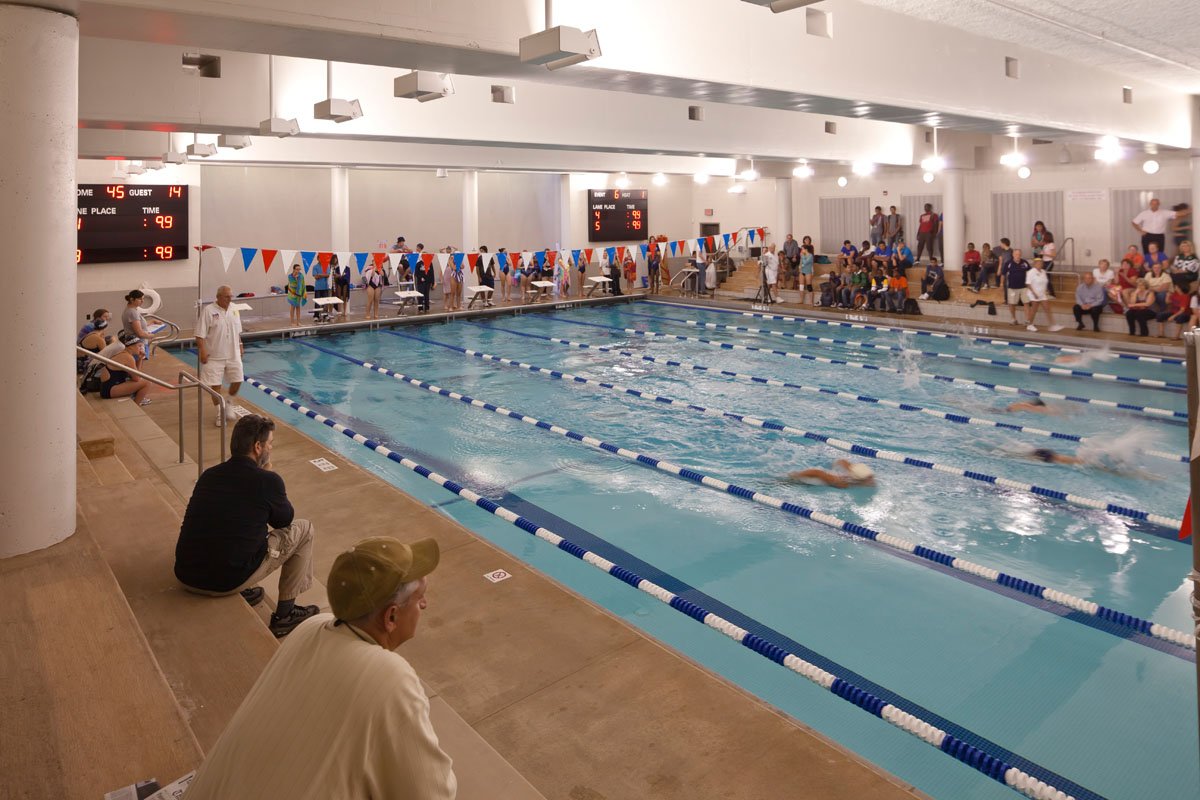
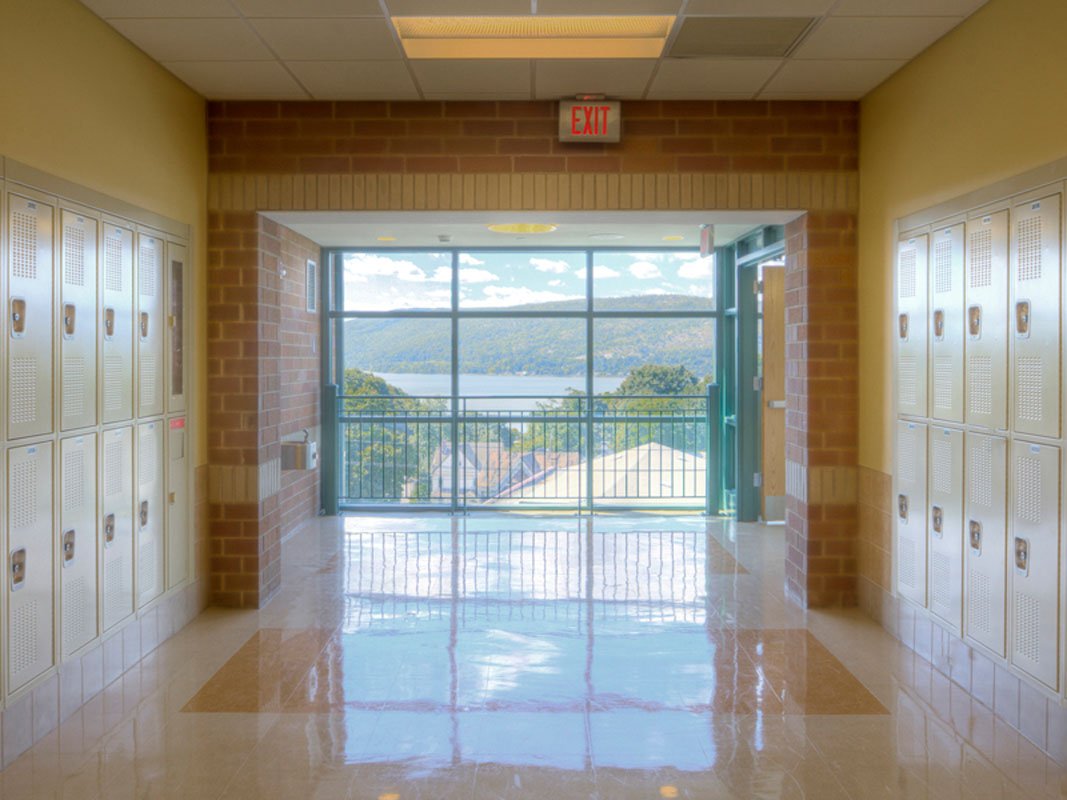
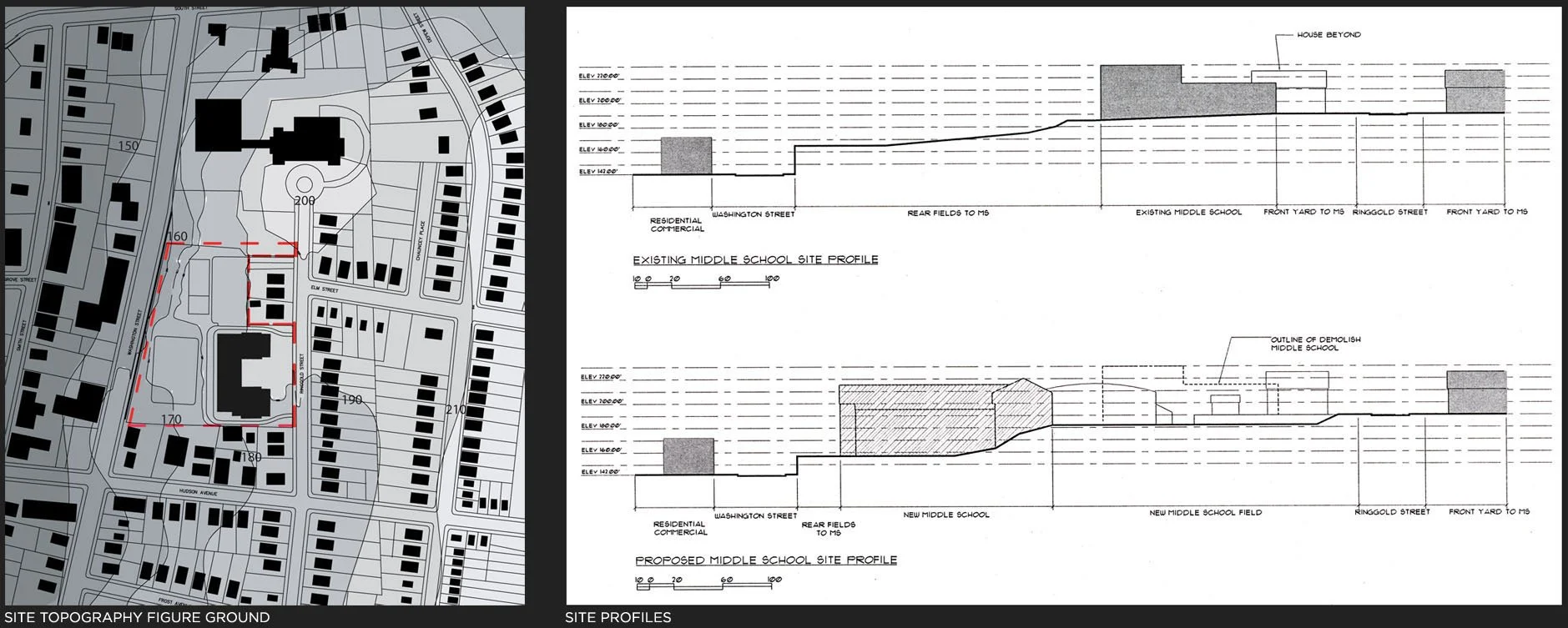
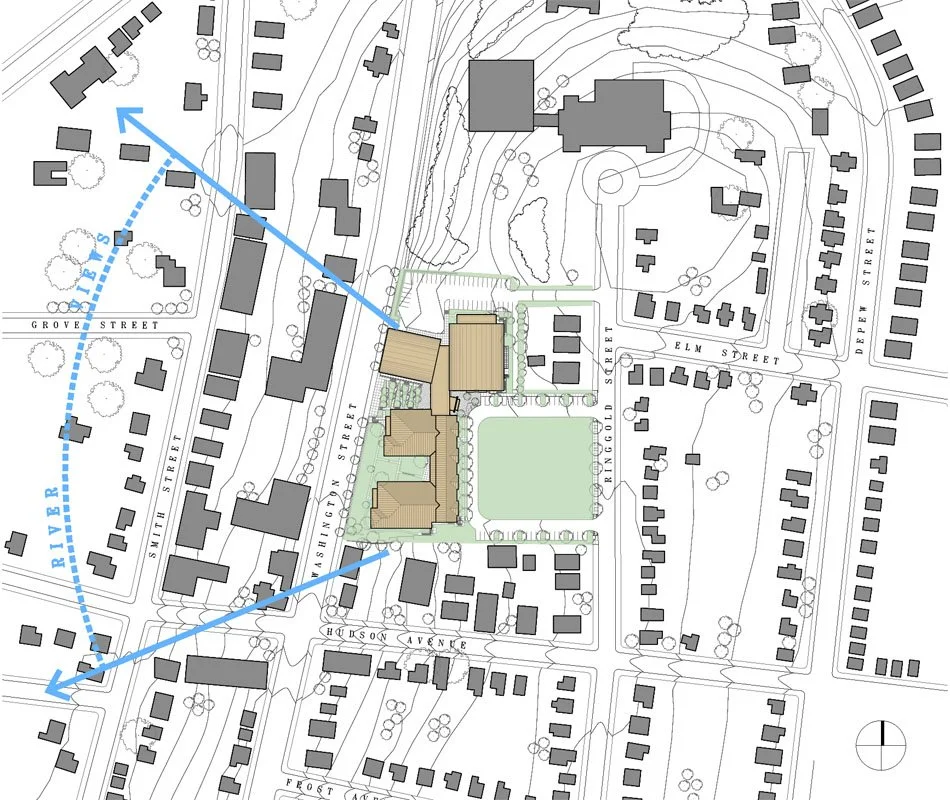
Sited on a sloping parcel with broad Hudson River views, the building is arranged to read as five stories from the west and two from the east. The Community Center wing houses a proscenium theater, athletics facilities and a natatorium, and a cafeteria positioned to take advantage of river vistas. Corridors are conceived as continuous art galleries to showcase student work.
project narrative
-
The district sought to replace a deteriorated early 20th-century middle school and deliver new civic amenities within a constrained, sloping site while maintaining school operations.
The steep 80-foot grade change toward the Hudson and the need for shared school and community uses required a strategy that reconciled disparate elevations, preserved sightlines to the river, and supported a range of arts and athletics programs.
-
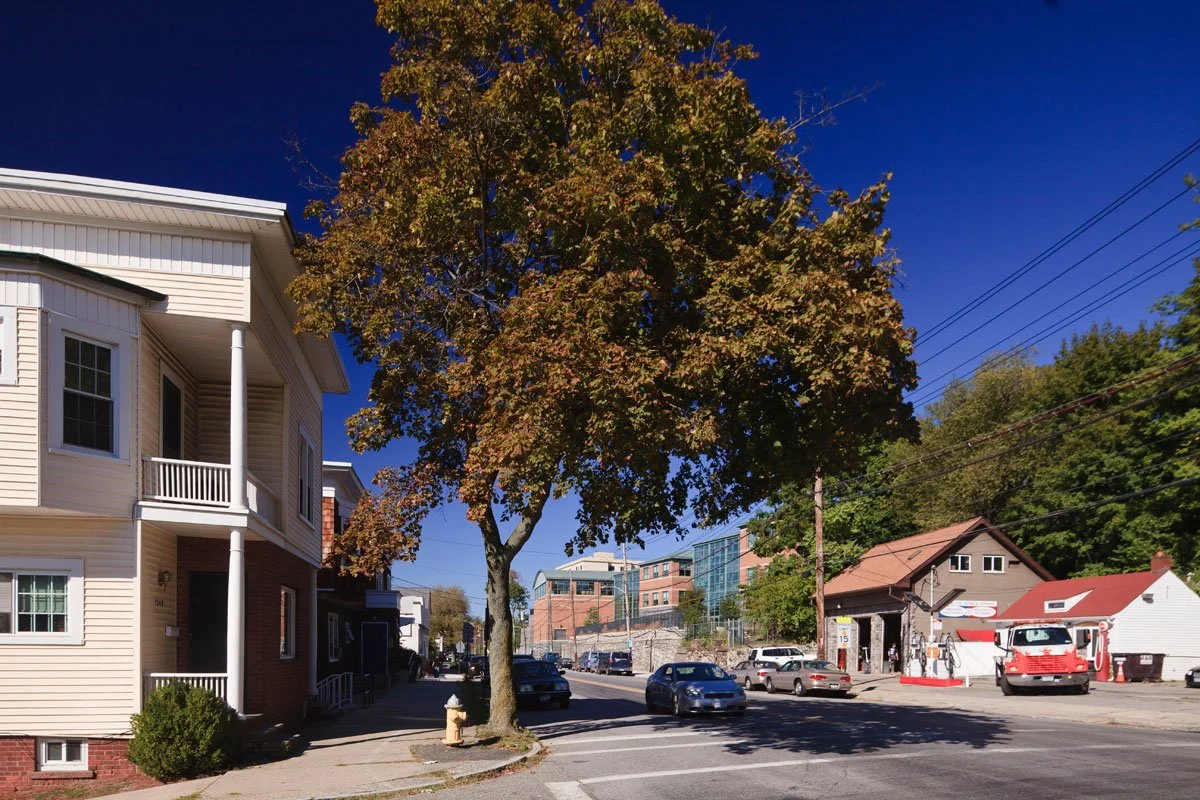
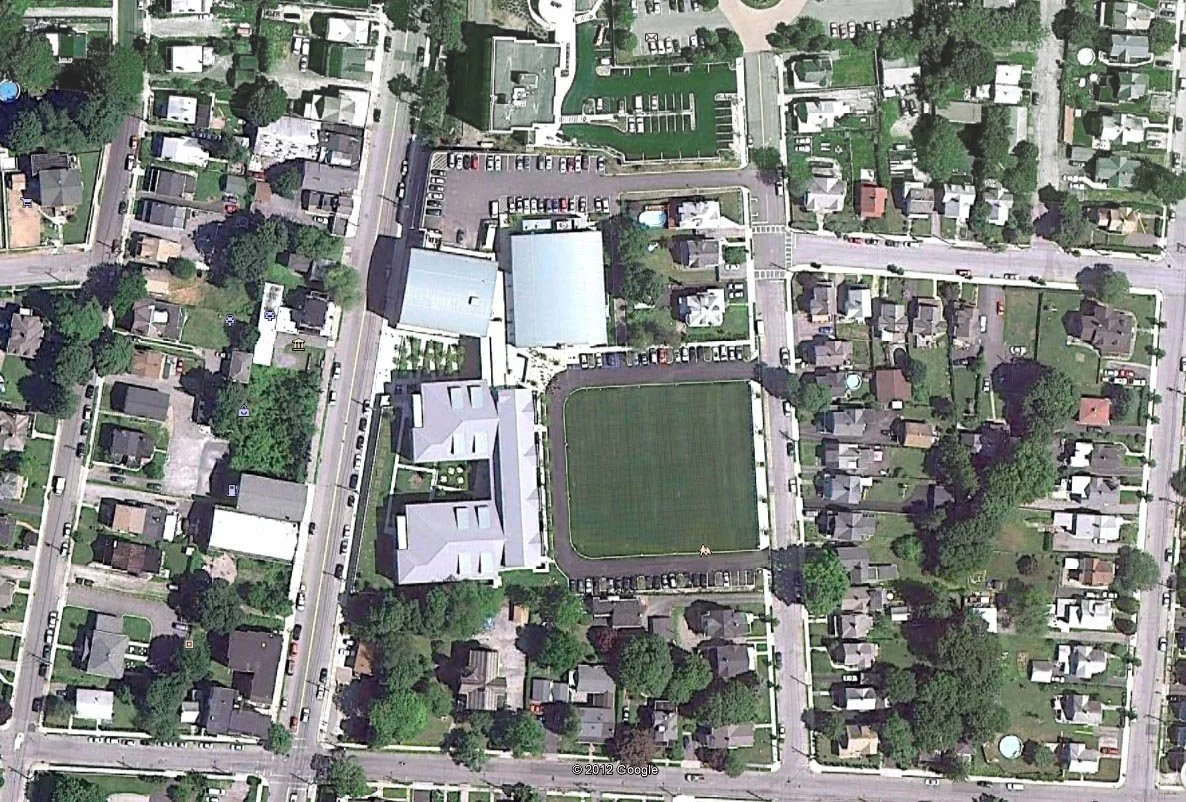
Building on the site's dramatic topography, the design locates the new massing at the western edge of the slope so the project can mediate between the riverfront and the neighborhood.
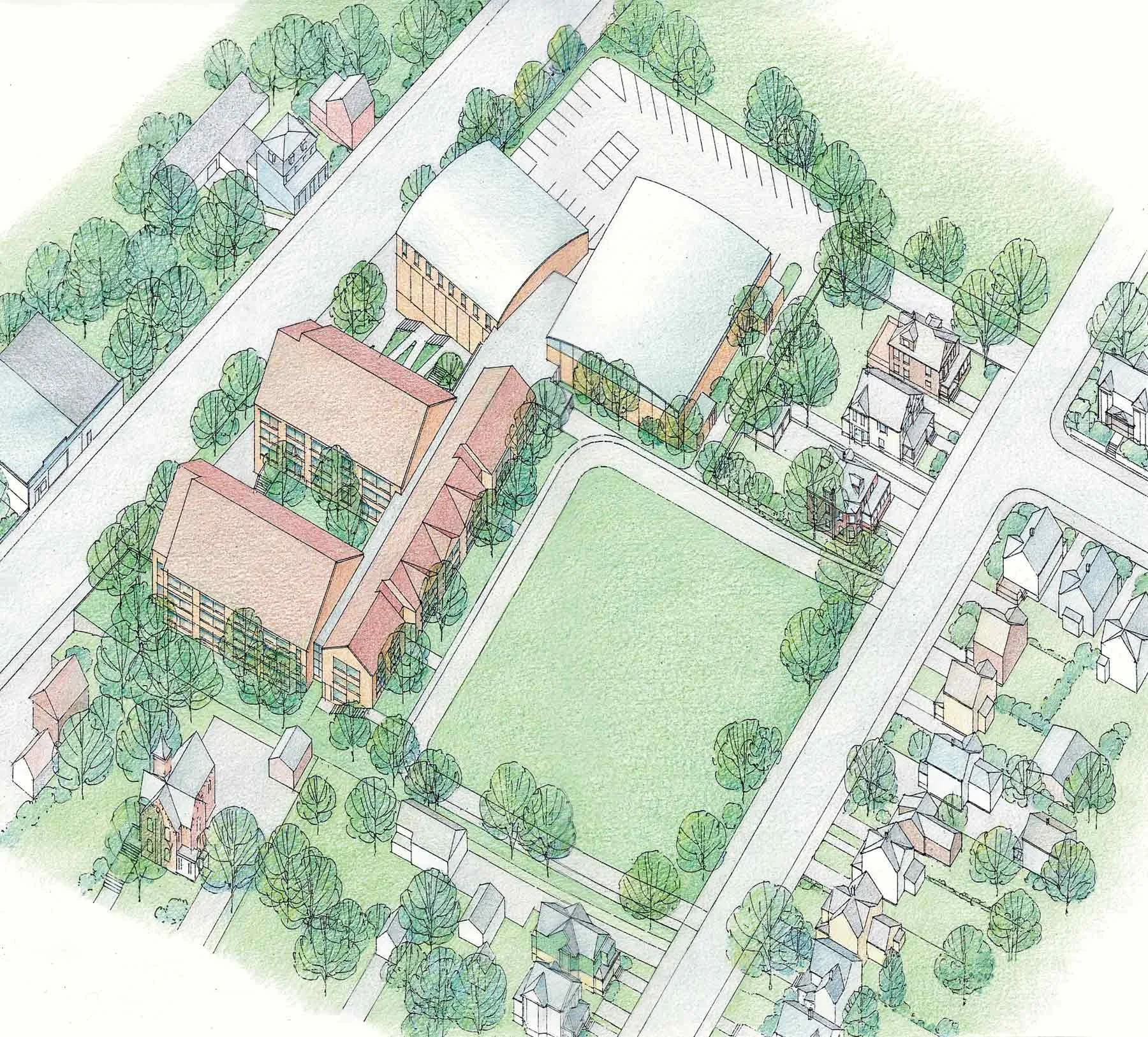
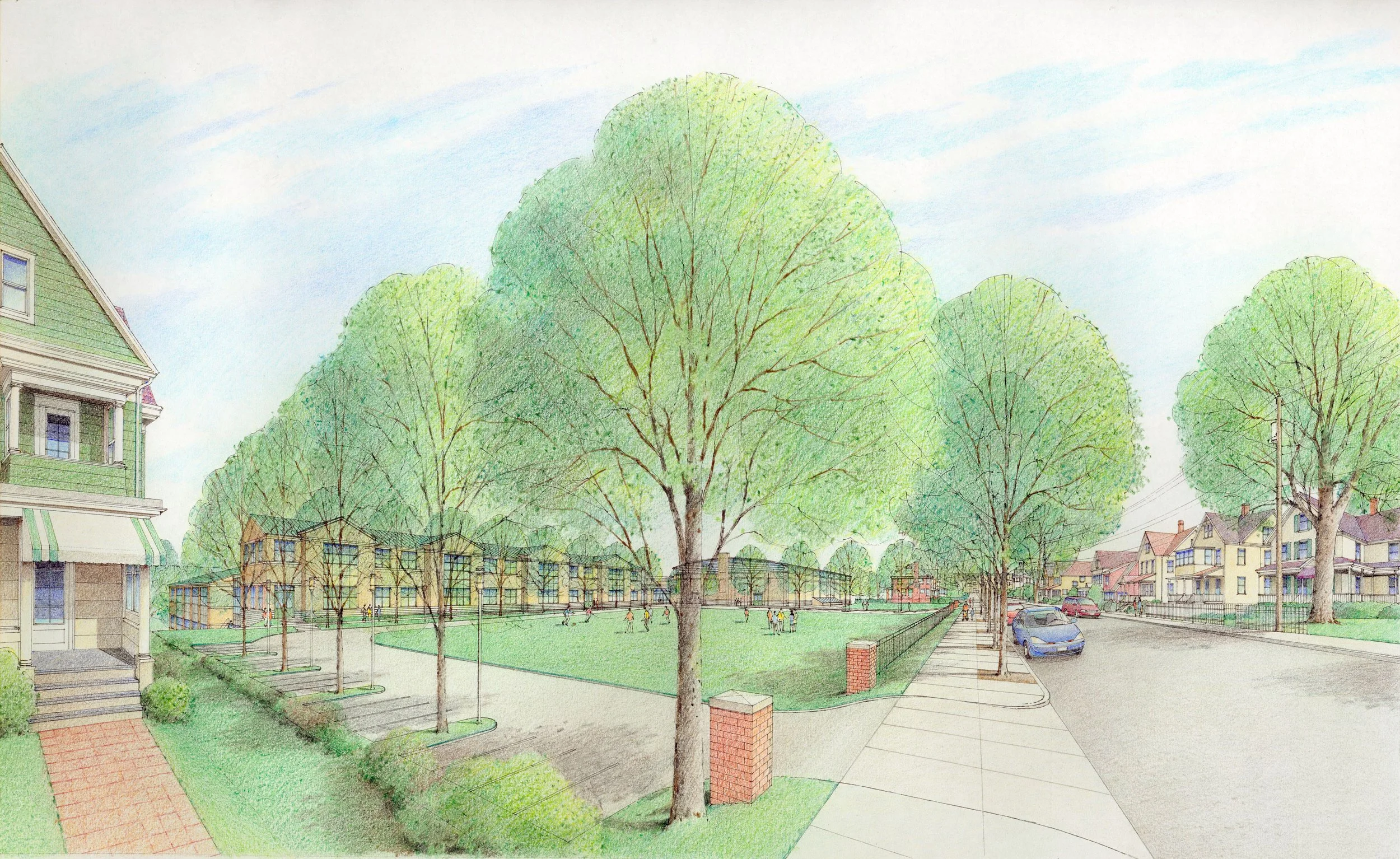
This approach allows the building to read at different scales from east and west, concentrates community and arts functions in a distinct wing, and frames new public open space once the old school was removed.
-
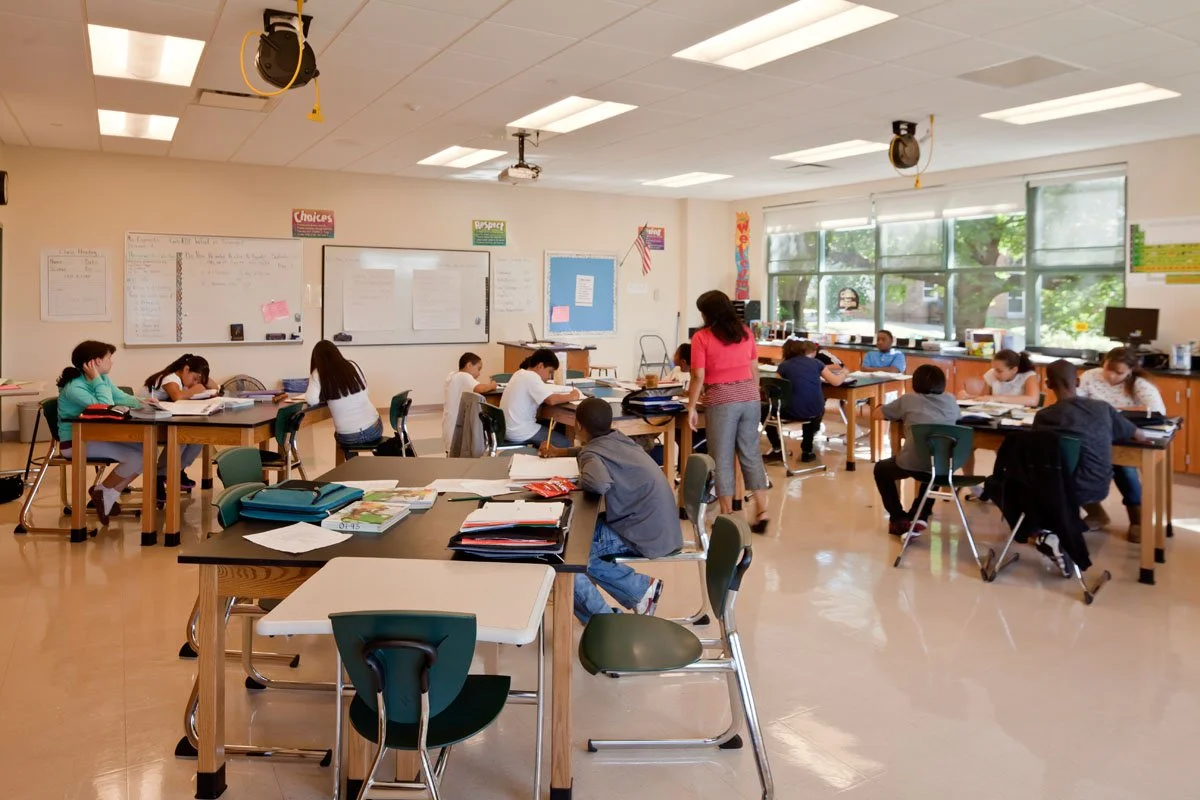
The plan organizes academic houses over three floors and places the Community Center and performance spaces toward the river.
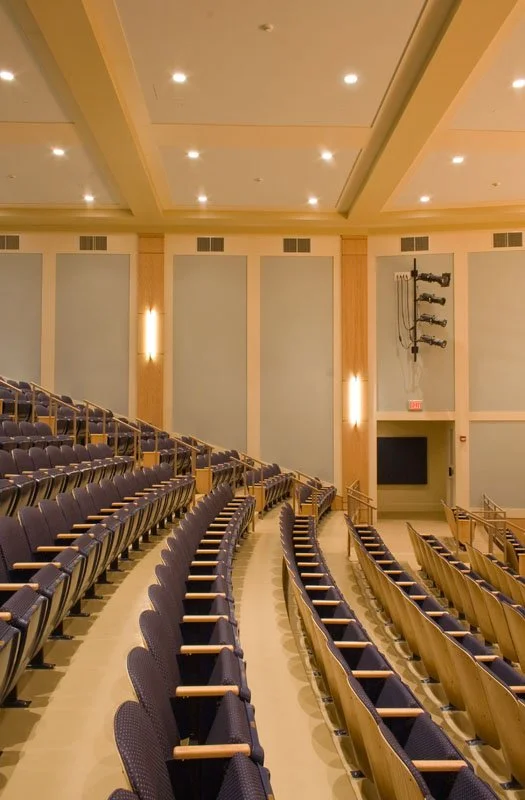
A proscenium-style theater with raked seating shortens viewing distances and improves sightlines, while continuous corridors function as gallery space for visual arts.
Phased construction kept the school operational and enabled demolition of the old building to create the City Green.
project outcome
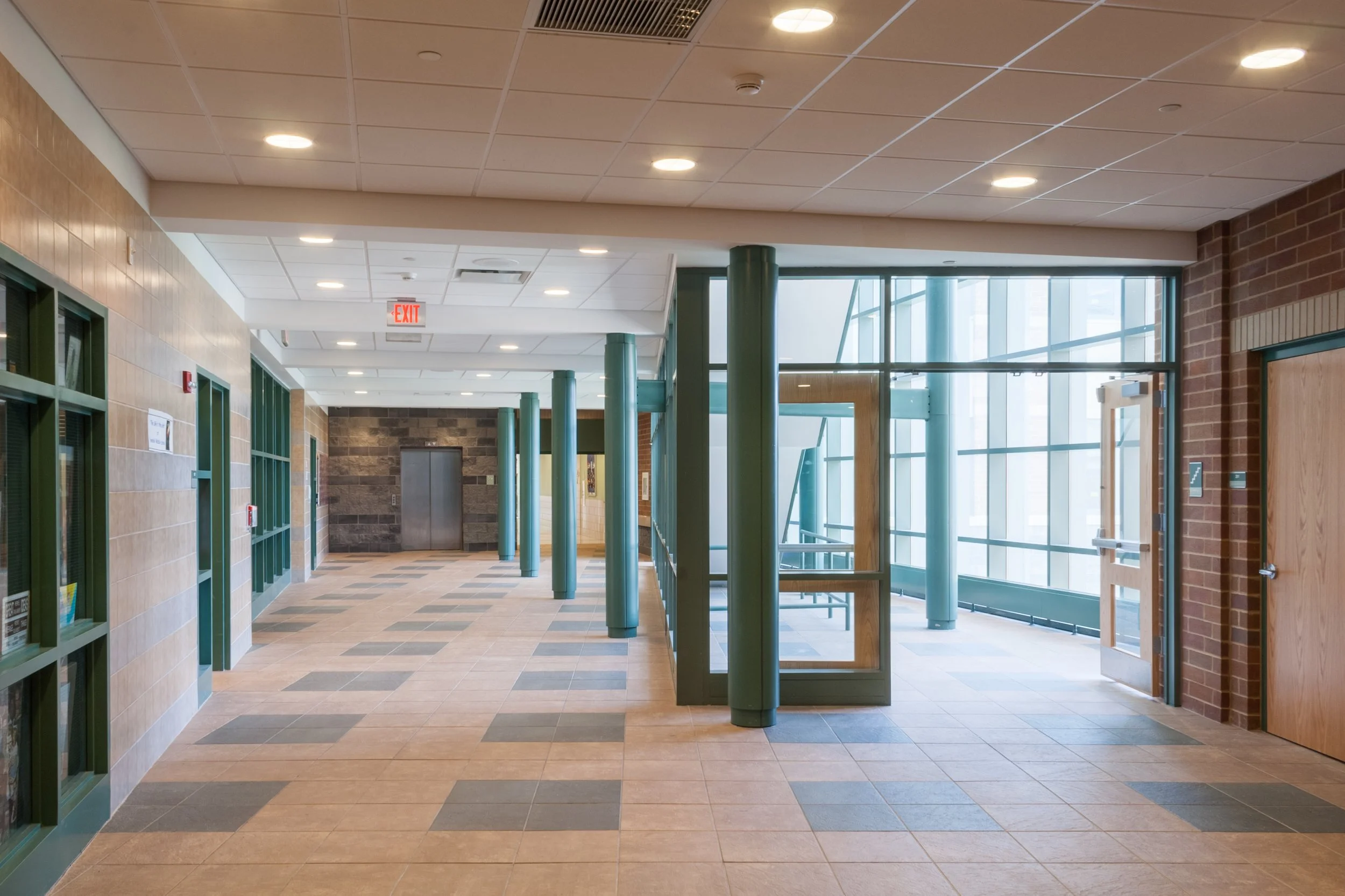
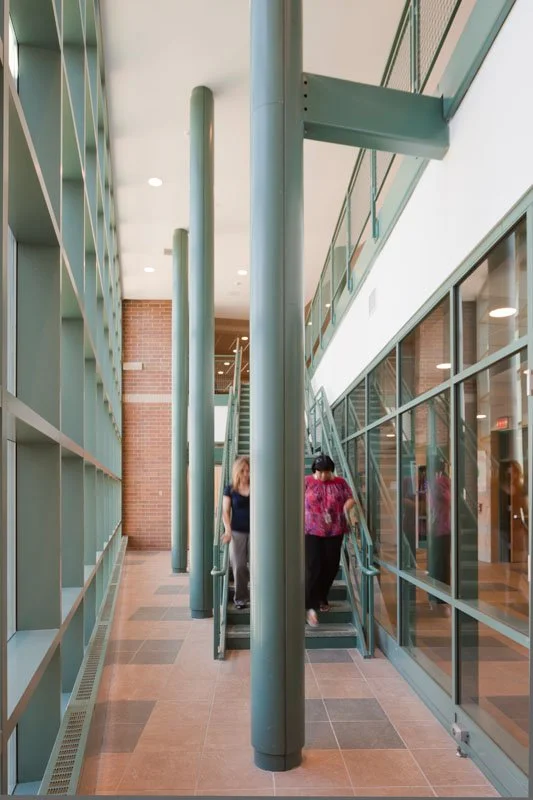
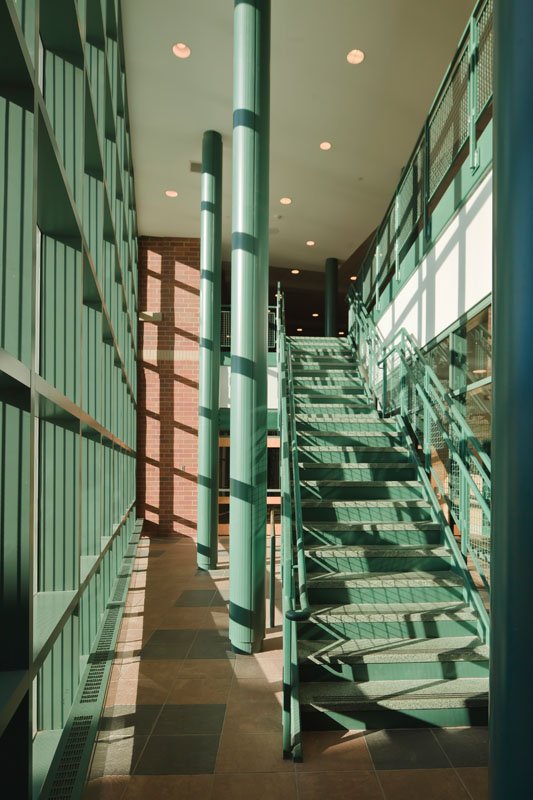
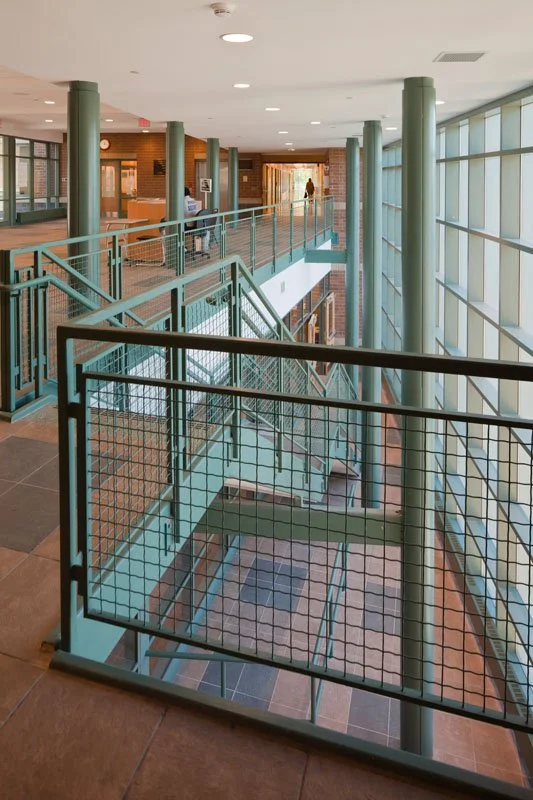
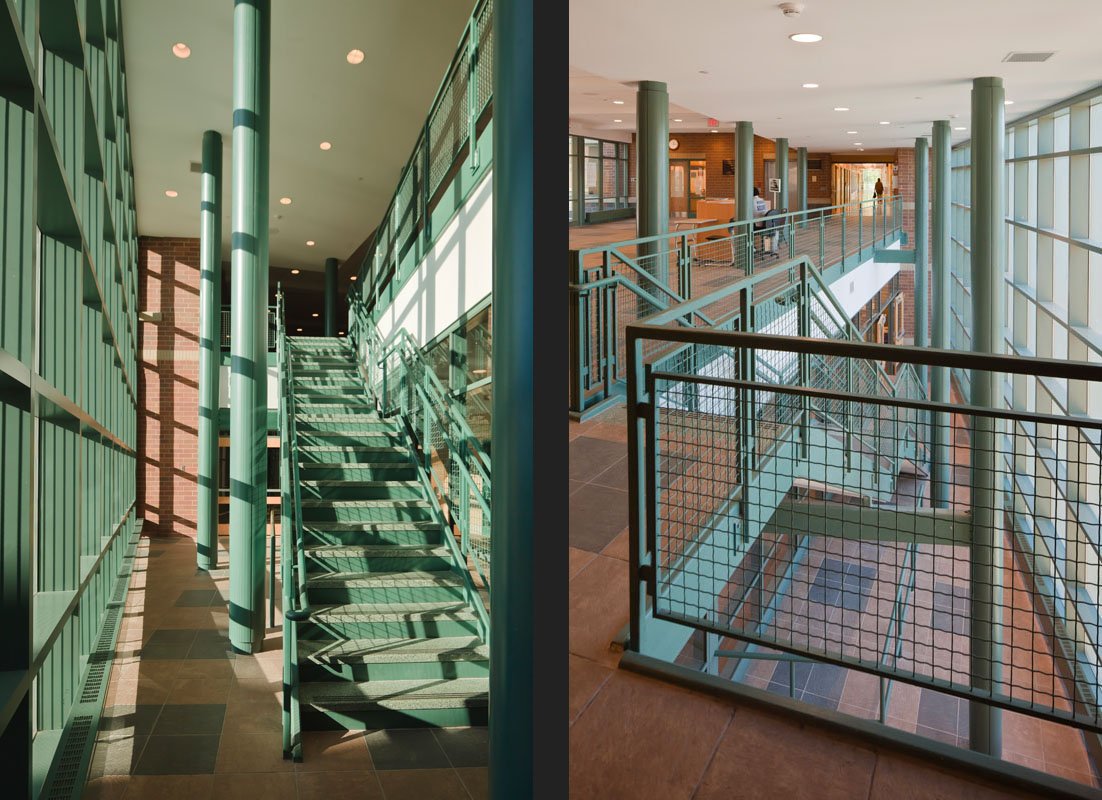
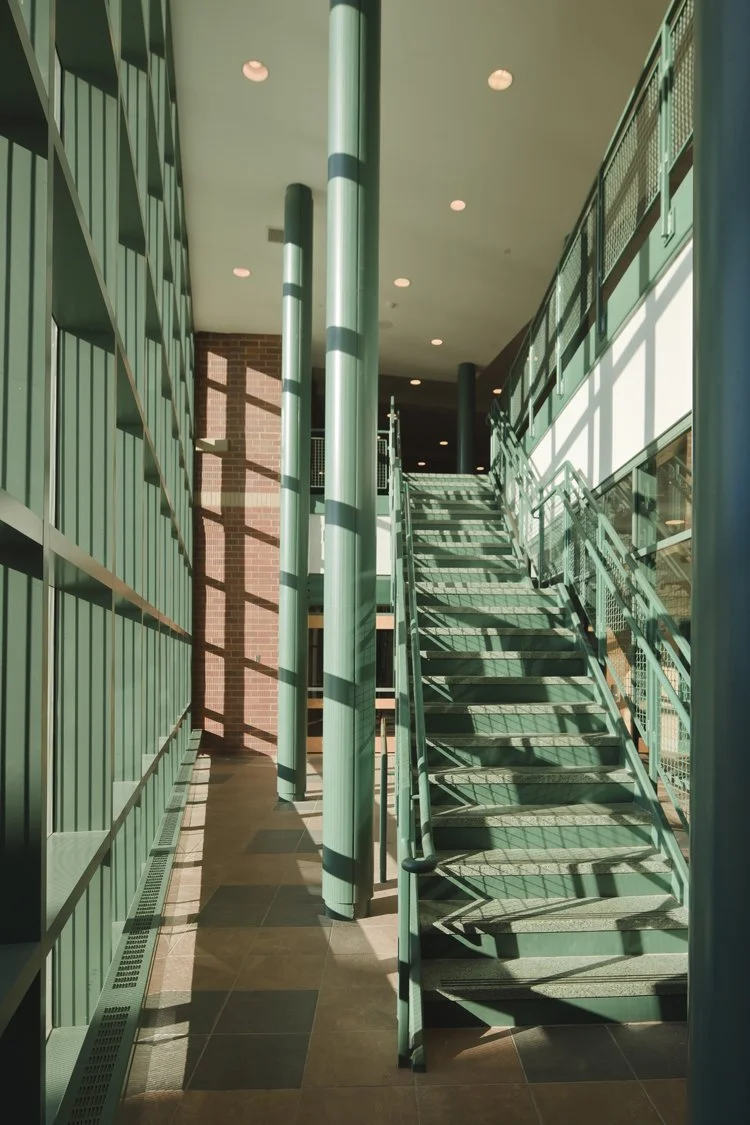
Circulation separates school and community flows, with clear routes that support simultaneous use. Vertical connections respond to the slope so movement between levels remains legible. Corridors also serve as display zones that clarify orientation.
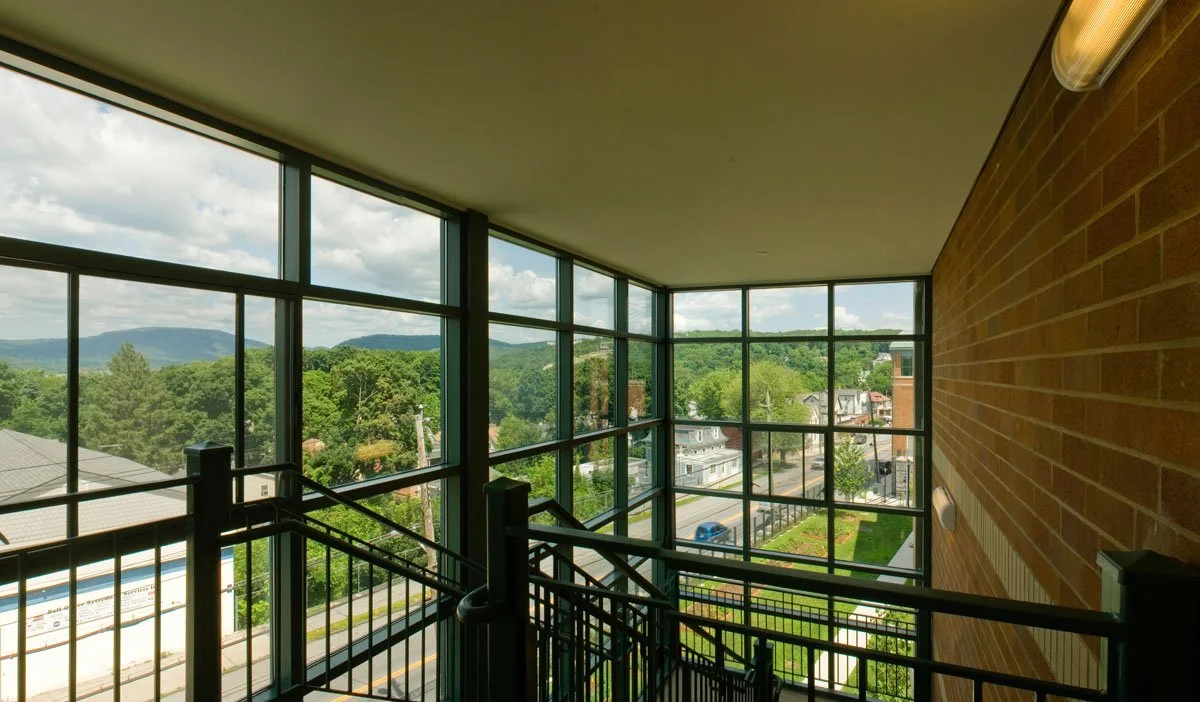
Daylight reaches lobbies and gathering spaces, reinforcing orientation and framing river views. Performance spaces provide focused sightlines and consistent acoustic conditions for different audience sizes.
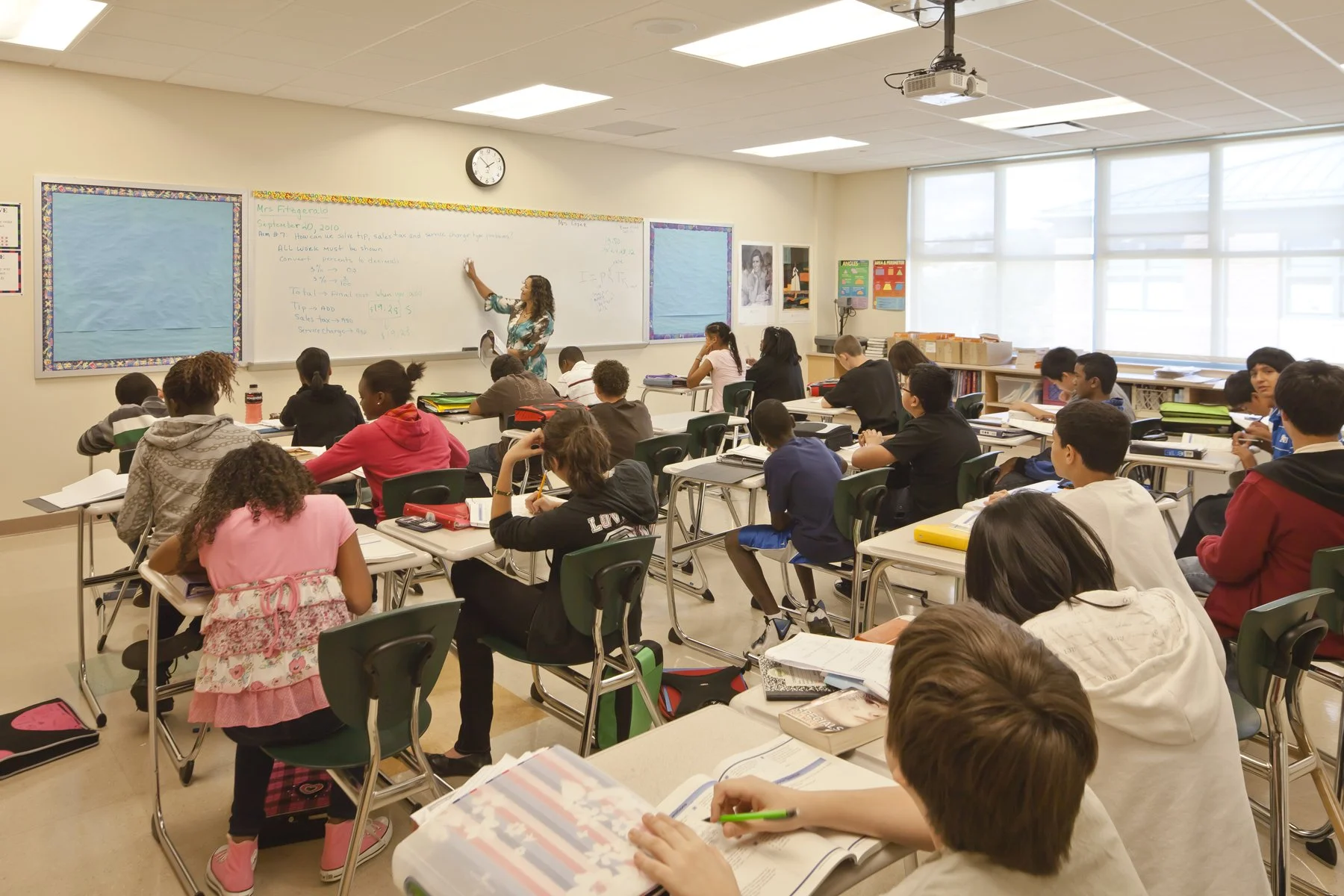
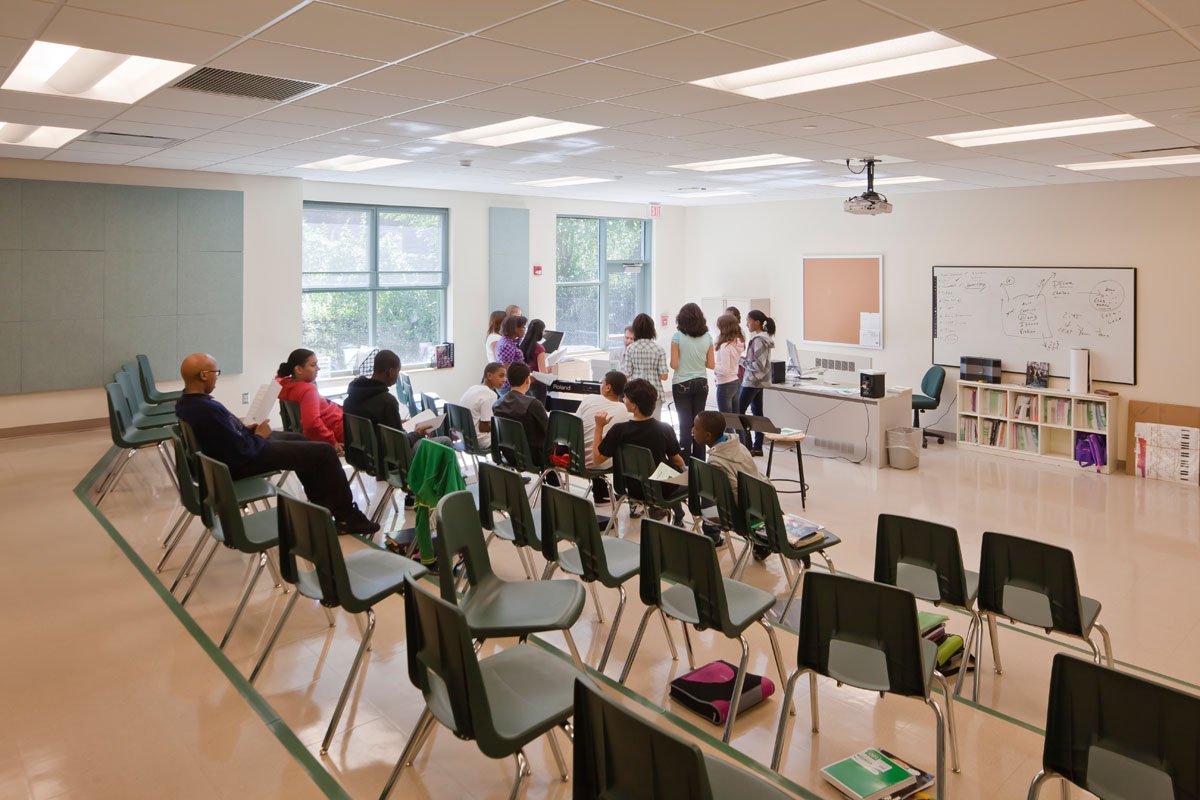
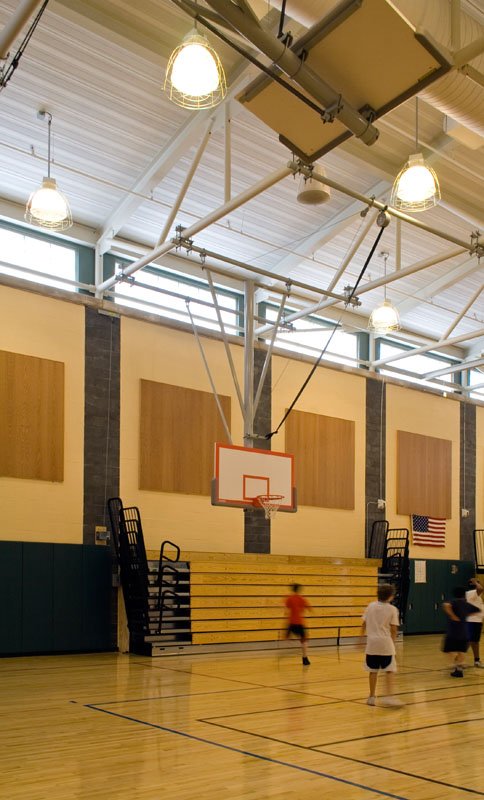
Large activity rooms accommodate curricular and civic programs and can be reconfigured for events or instruction. Durable surfaces and adaptable support spaces sustain evolving uses and routine maintenance.
let’s continue the conversation
Every project begins with listening. If you’re considering a new campus, building, or landscape, we’d welcome the chance to talk through your goals, challenges, and aspirations. Our team works collaboratively to shape places that feel grounded, connected, and built to serve people well over time.