the masters school
2012
dobbs ferry, ny
96 acres
master planning, new construction, renovation, adaptive reuse, sustainability
collaborators
Project Manager: Frank Craine
Landscape: Ronen Wilk
Designer: Chris Tramutola
Site/Civil: Birdsall Services Group
Roofing: Watsky Associates
Lighting: Goldstick Lighting Design
phased master plan linking academic, arts, and athletic buildings through transparency and gathering spaces.
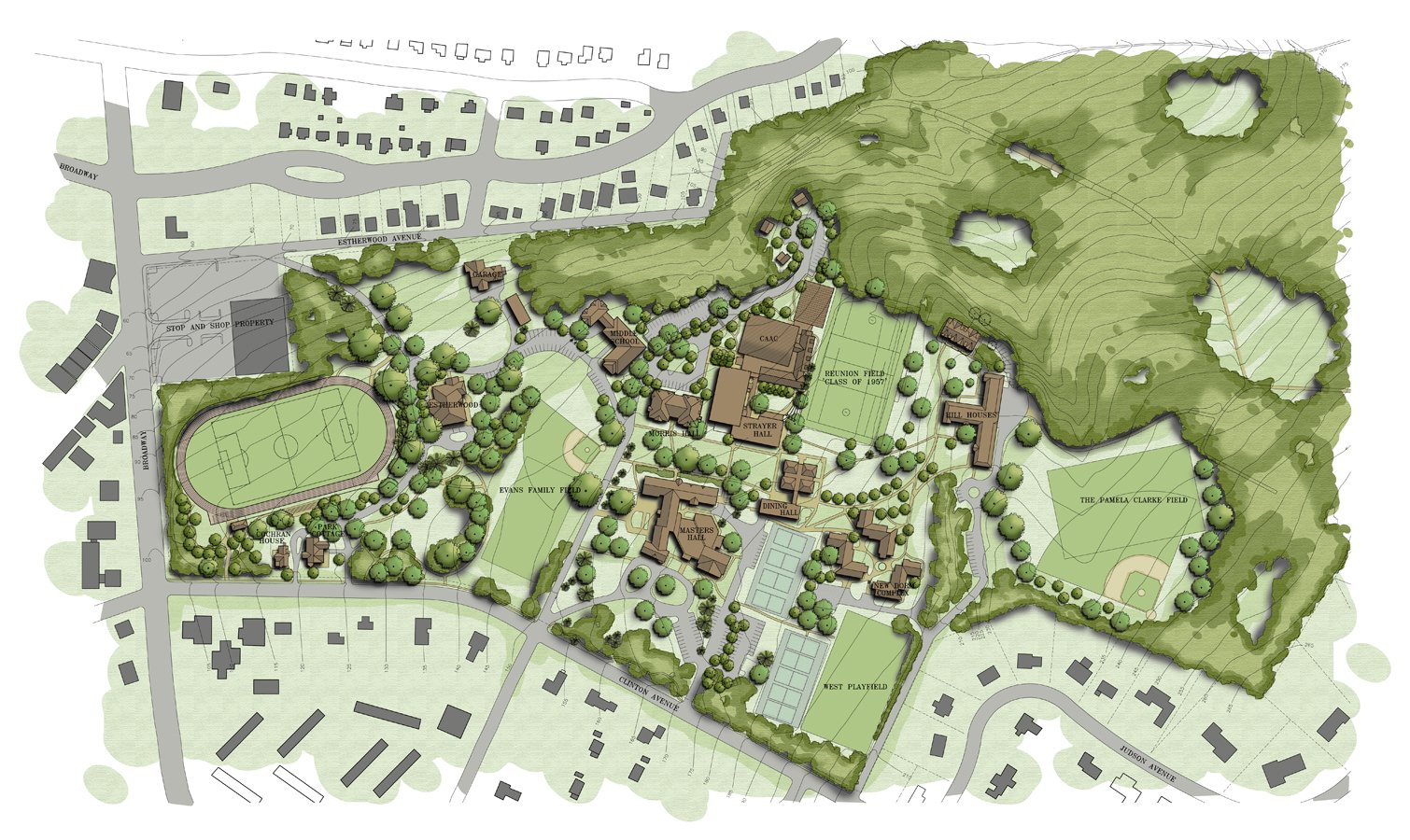
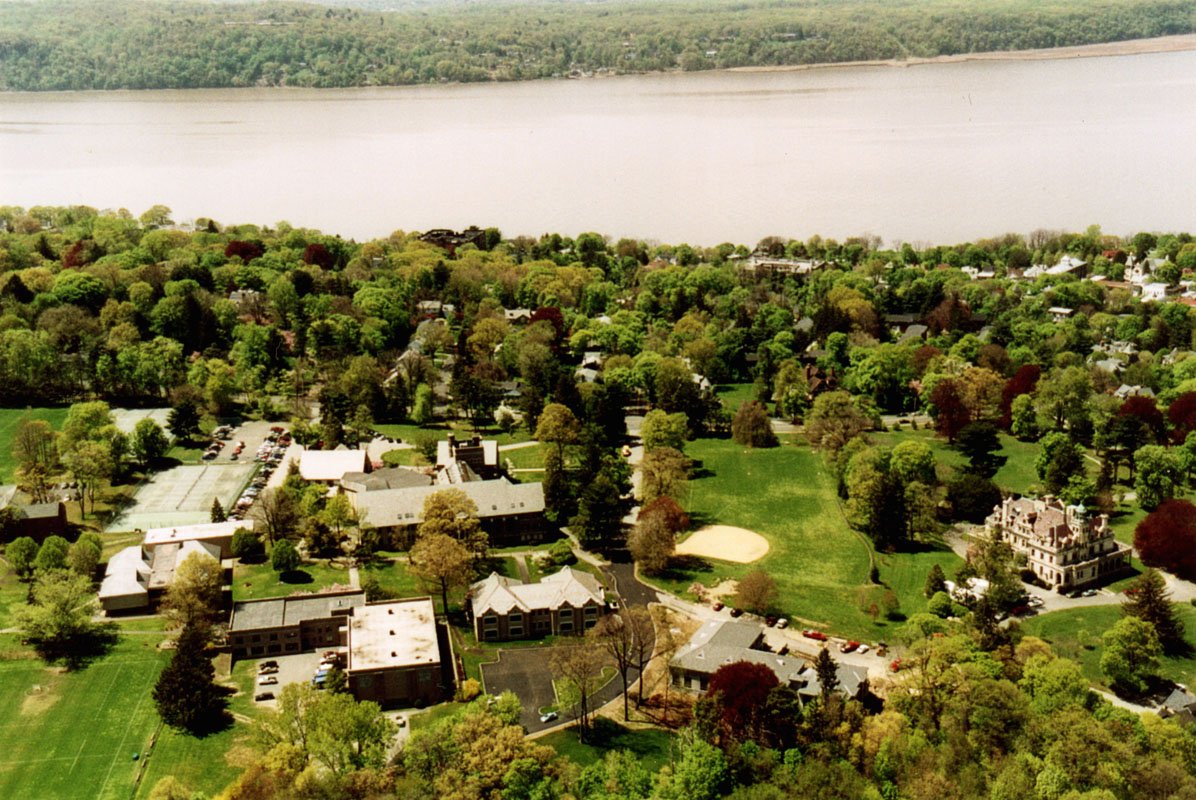
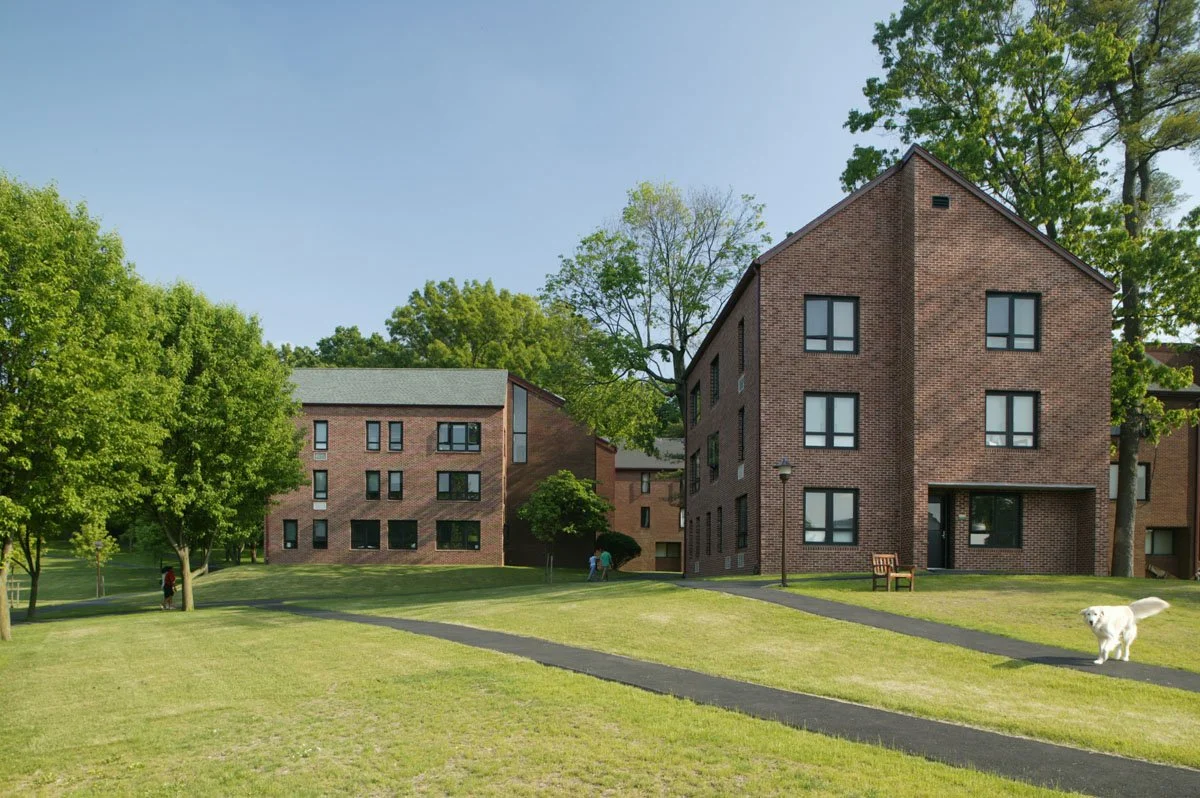
The Masters School project encompasses a series of master plans and building projects that guided the campus transition from a single-gender boarding school to a coeducational institution. Set on a sloping, 96-acre site and serving roughly 650 students in grades 5–12, the work includes new and renovated academic buildings, faculty housing, dormitory expansion, and upgraded athletic fields.
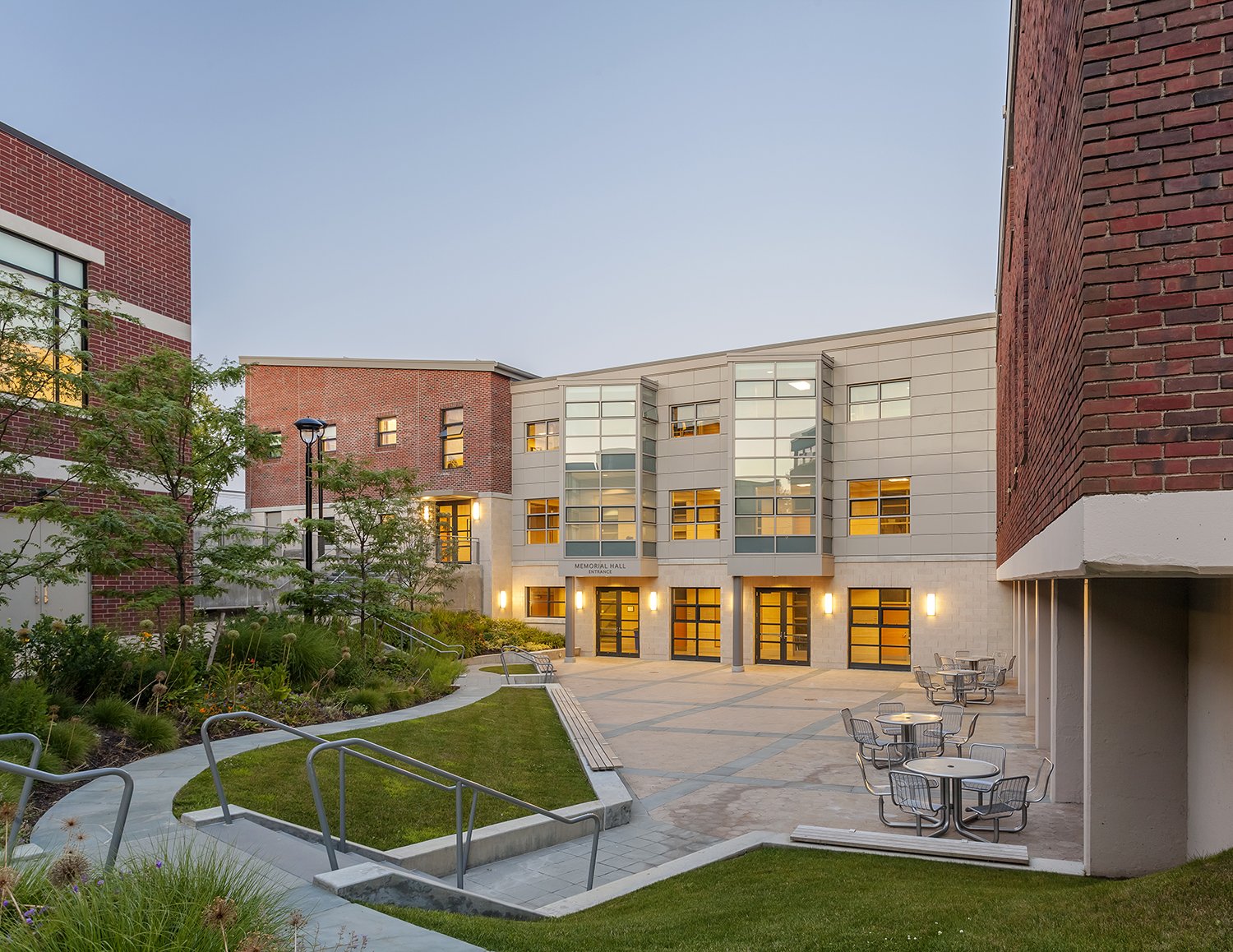
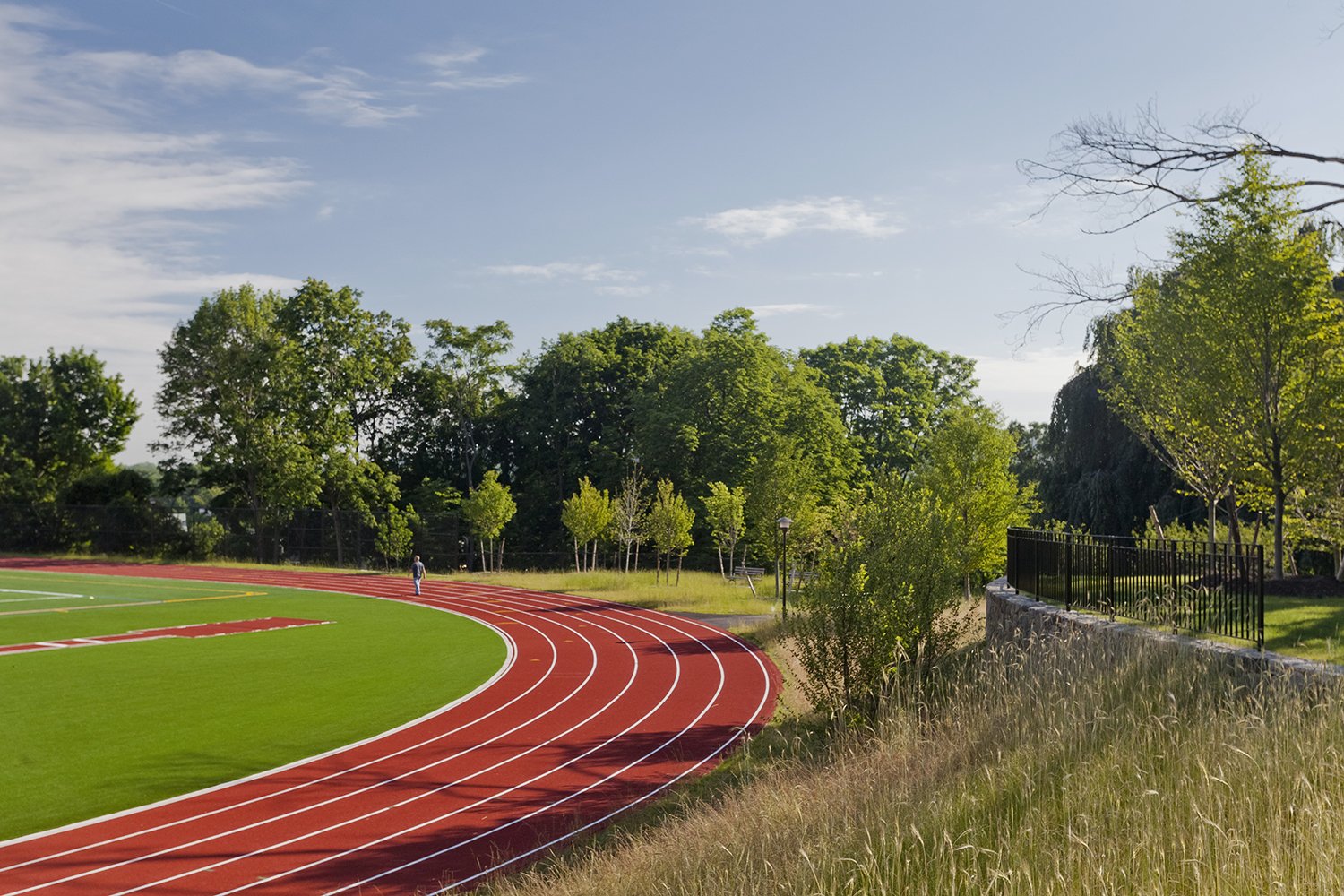
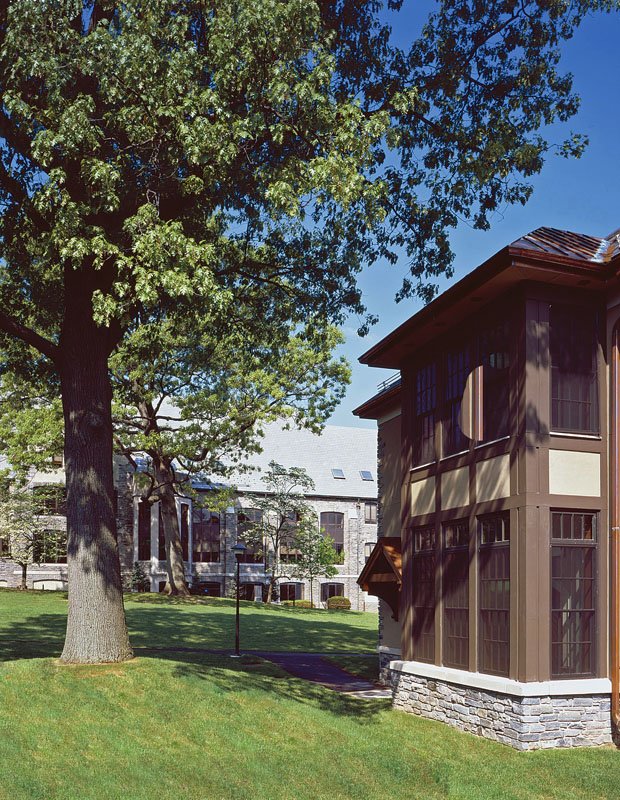
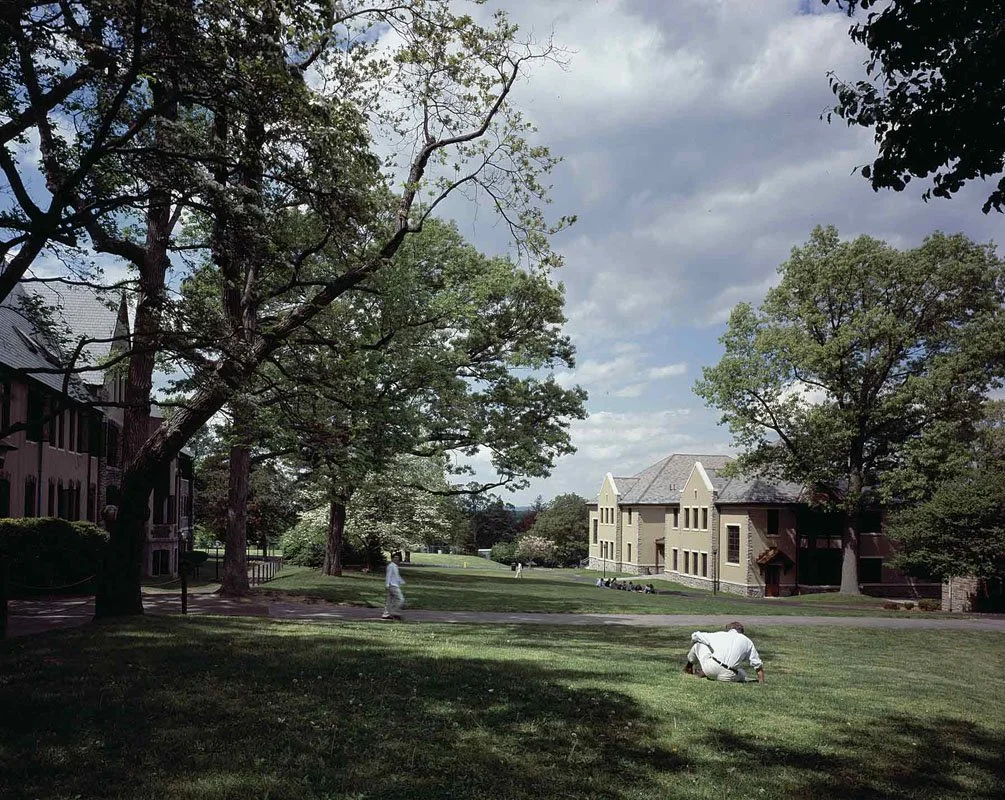
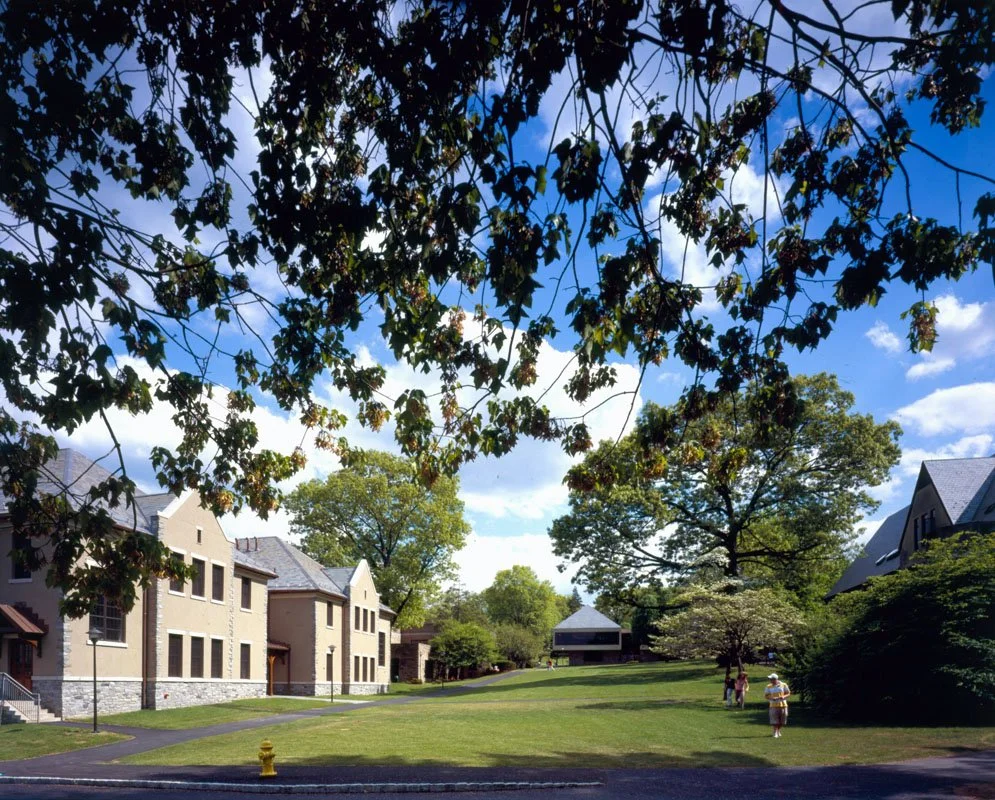
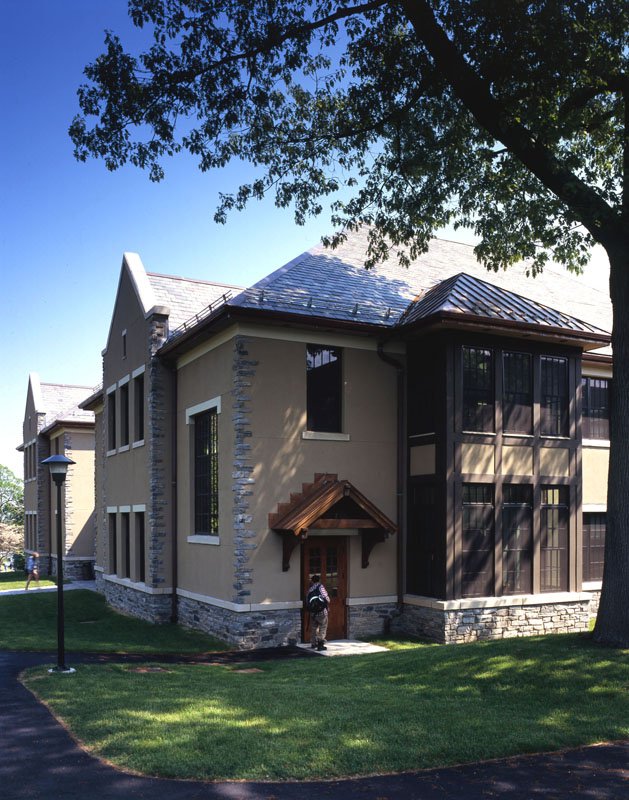
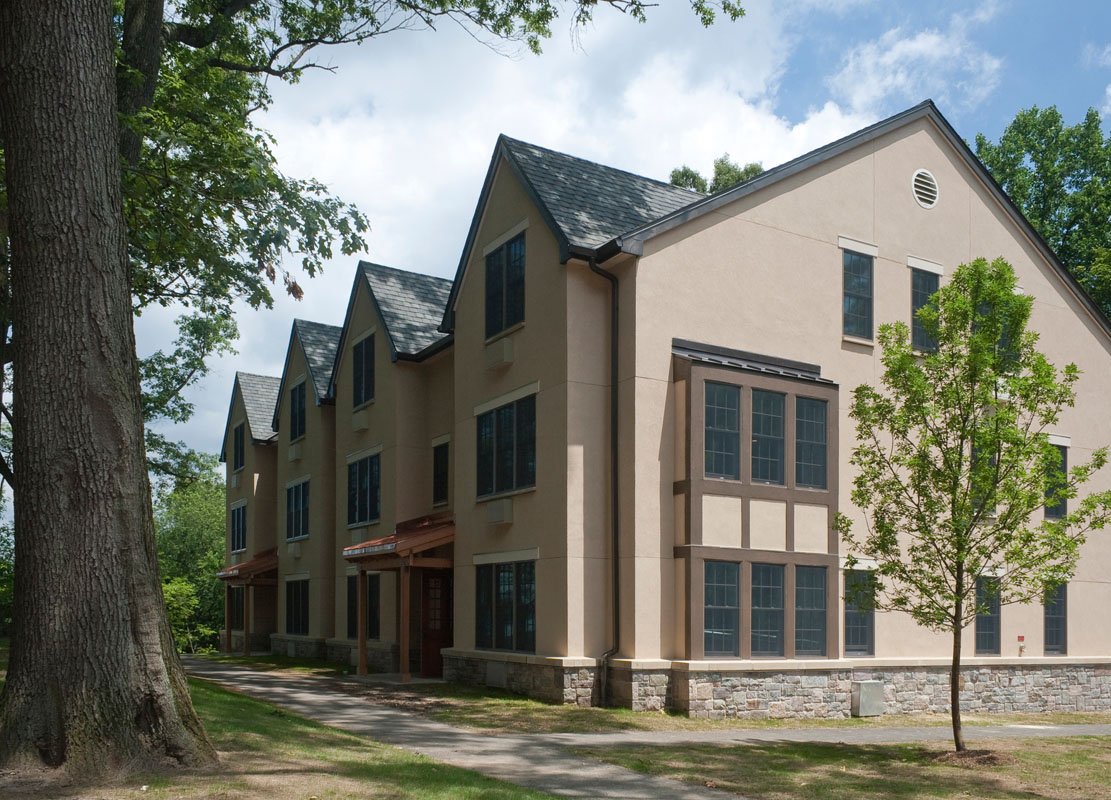
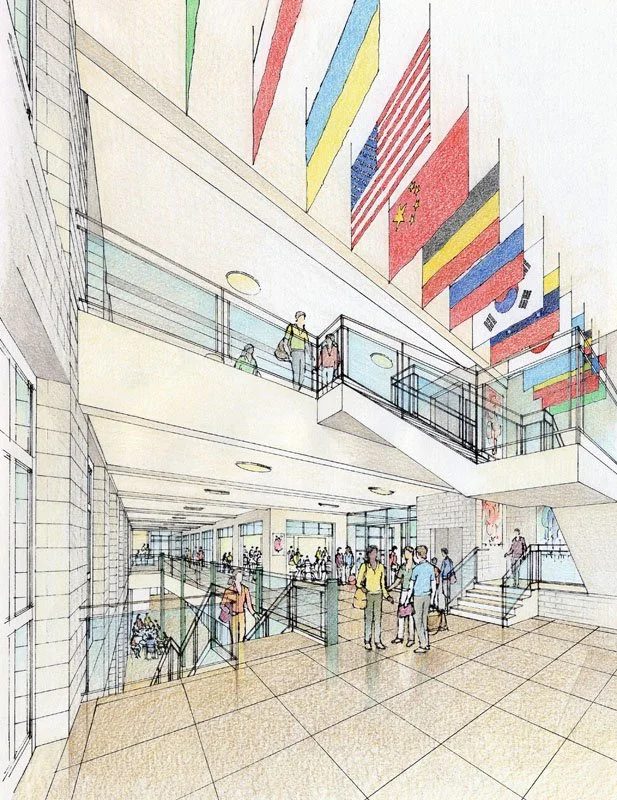
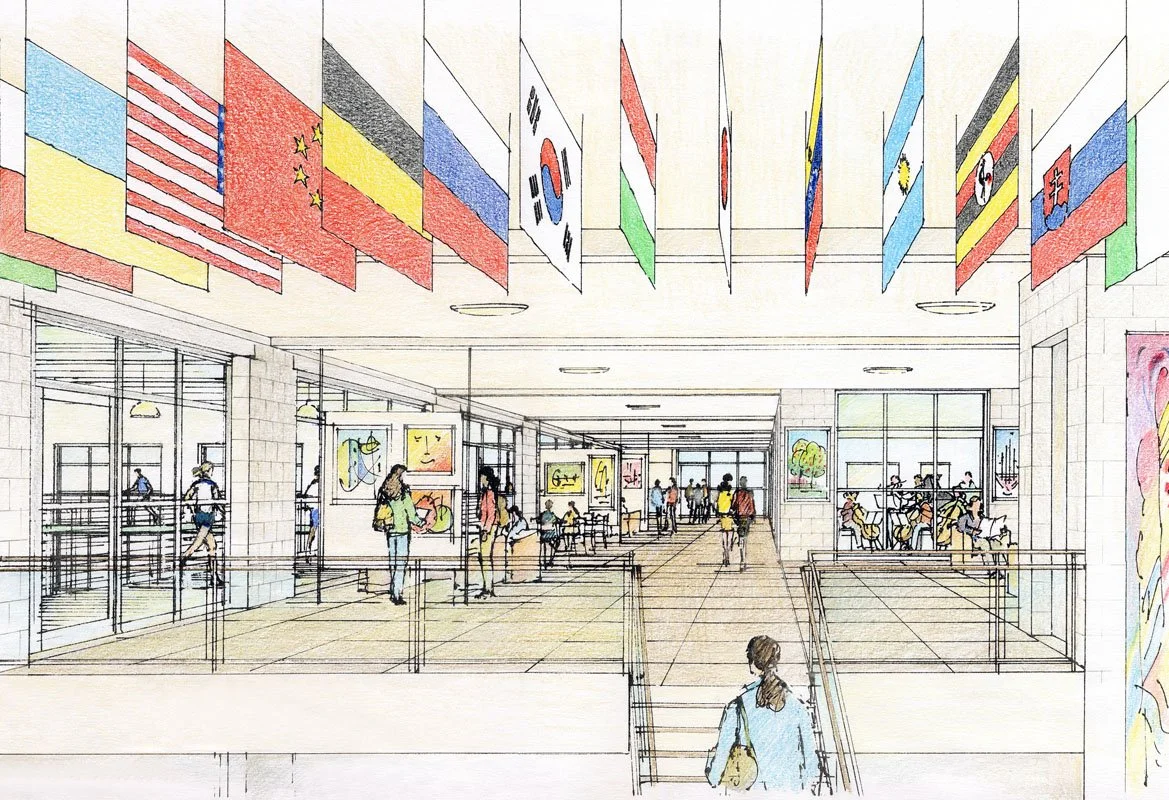
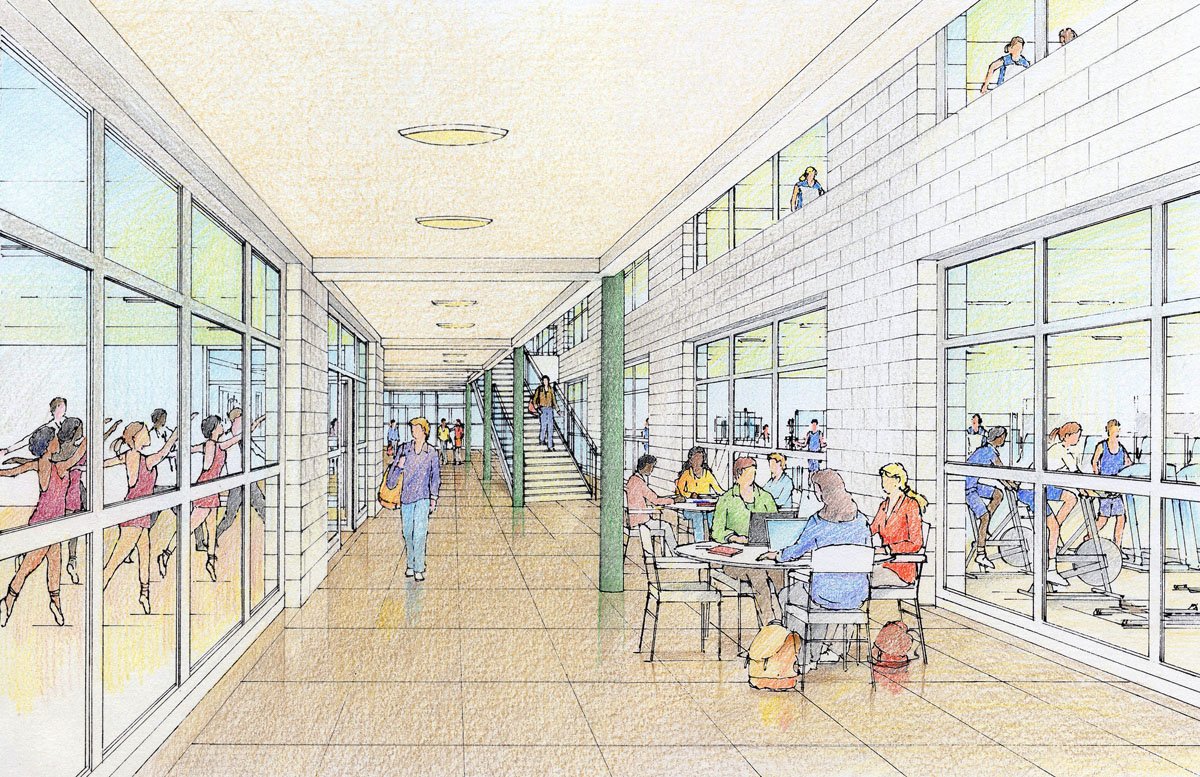
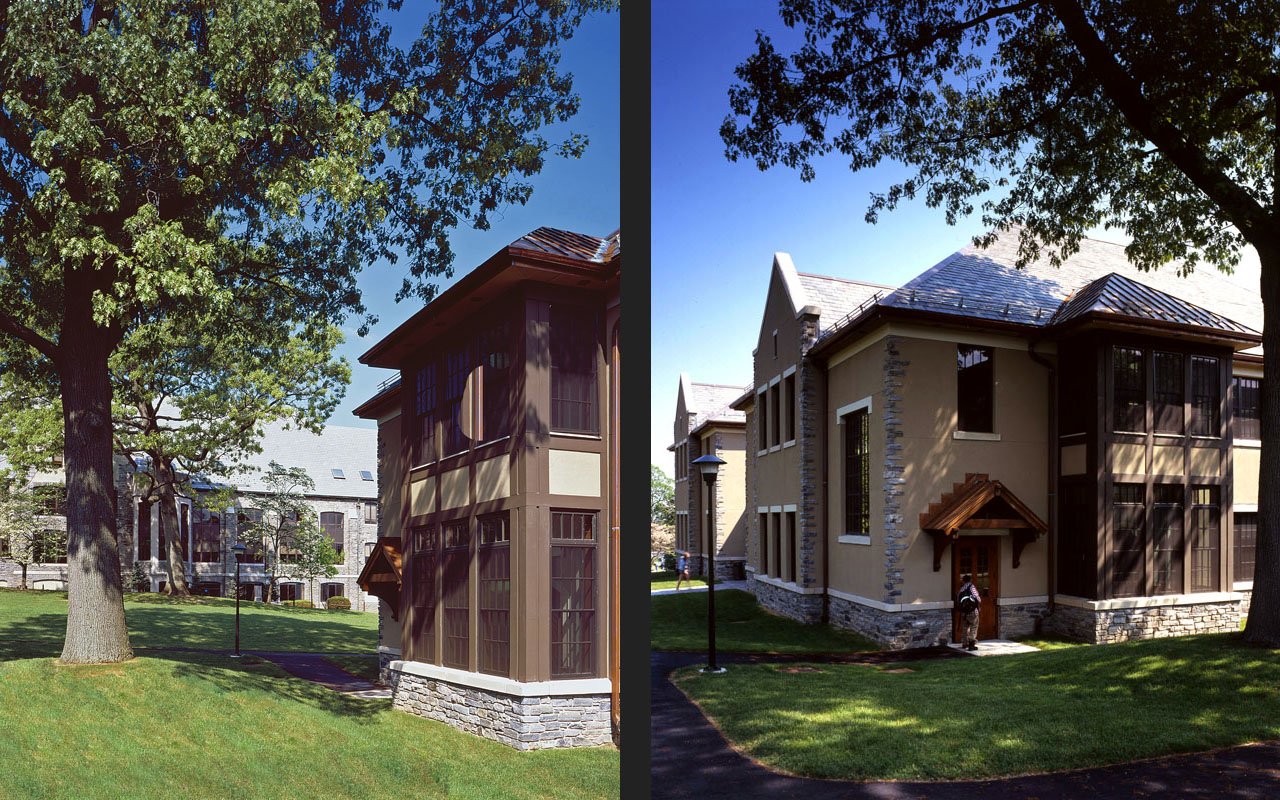
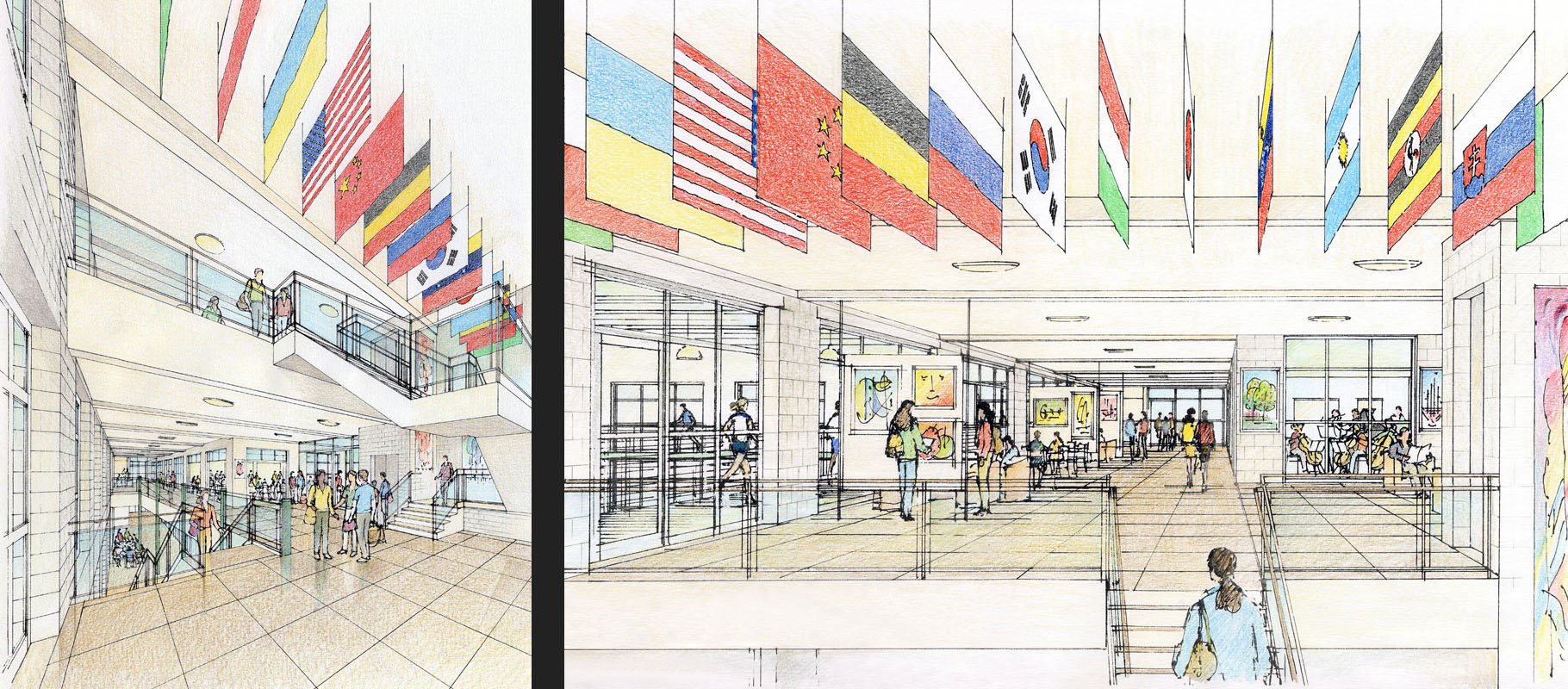
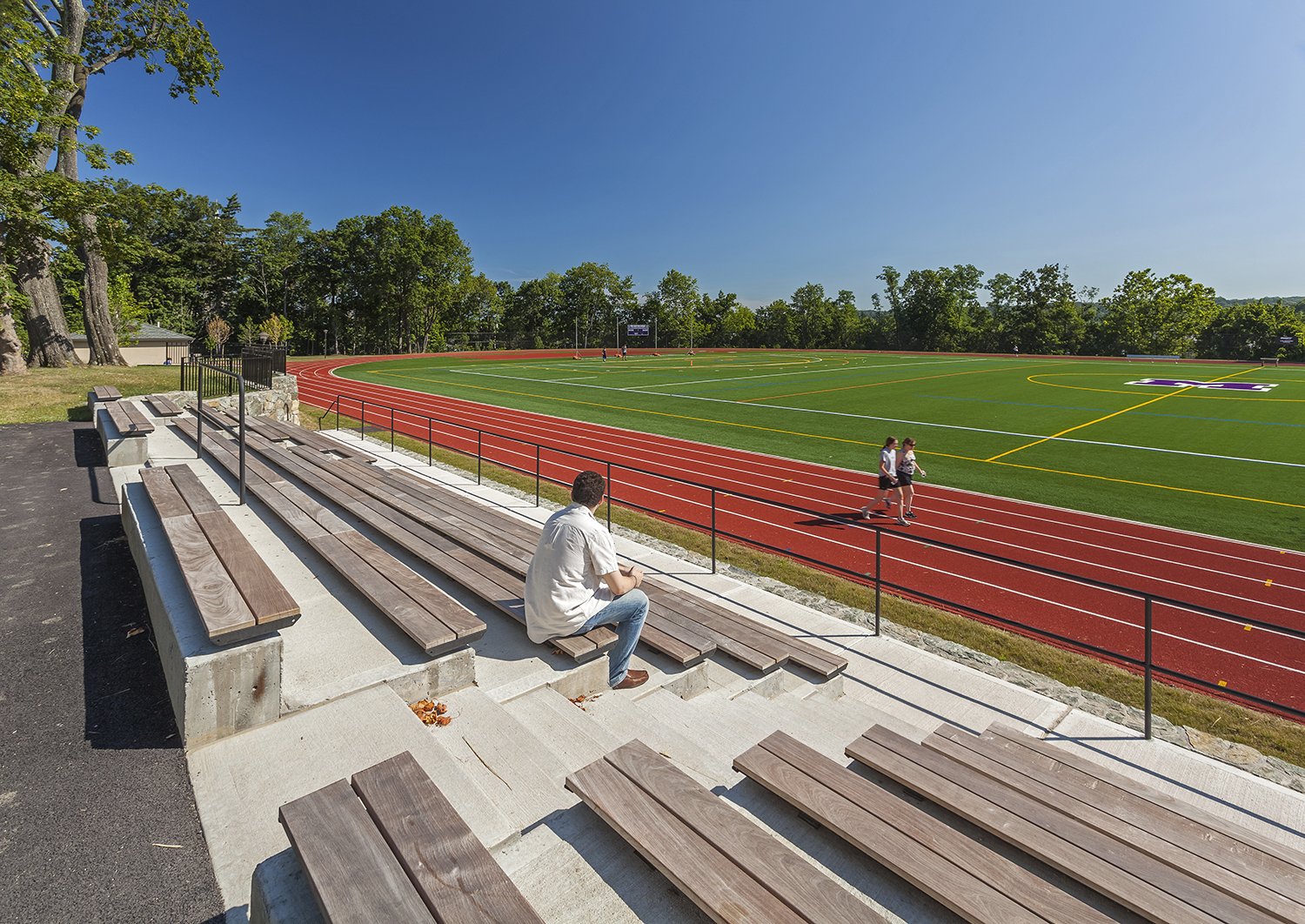
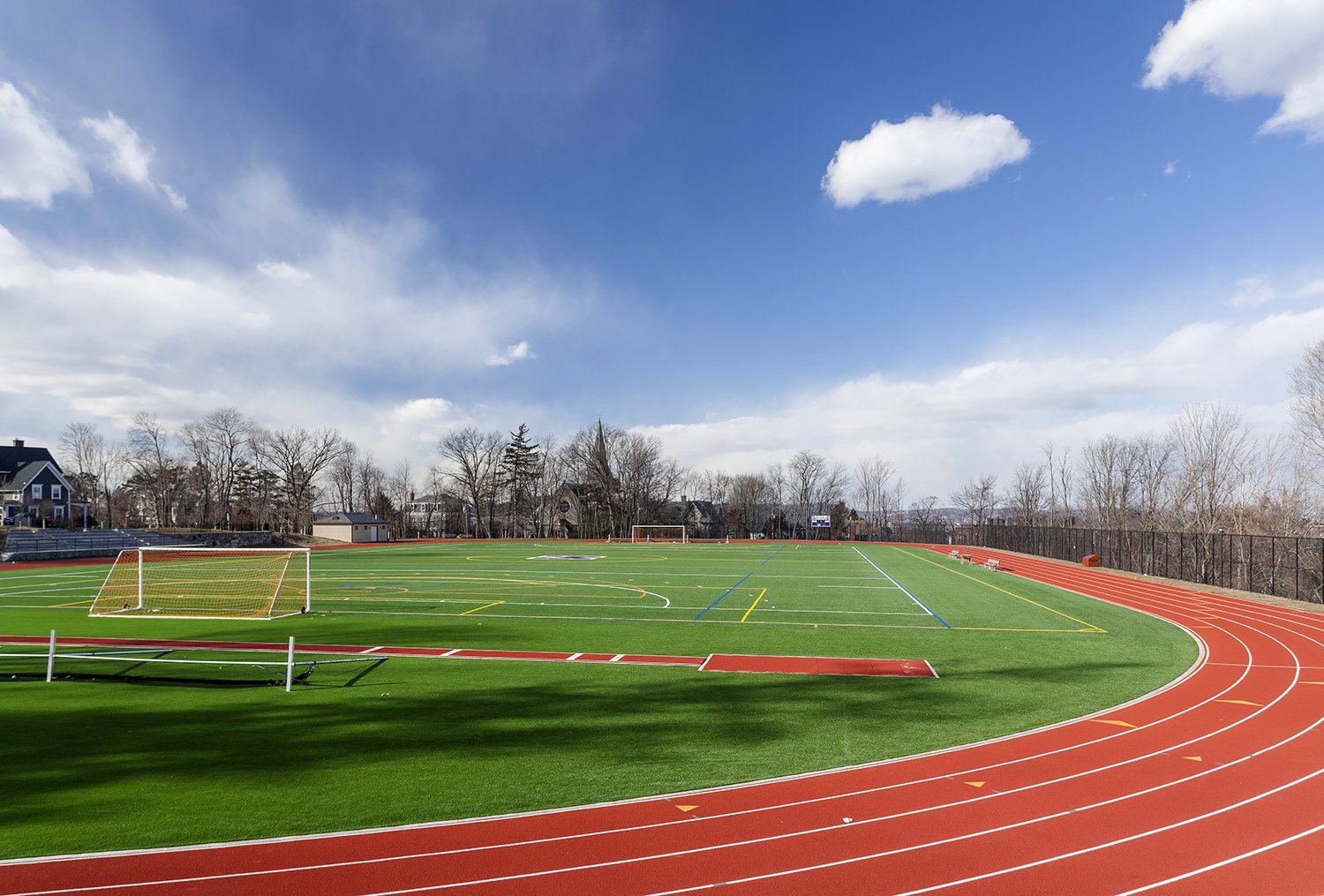
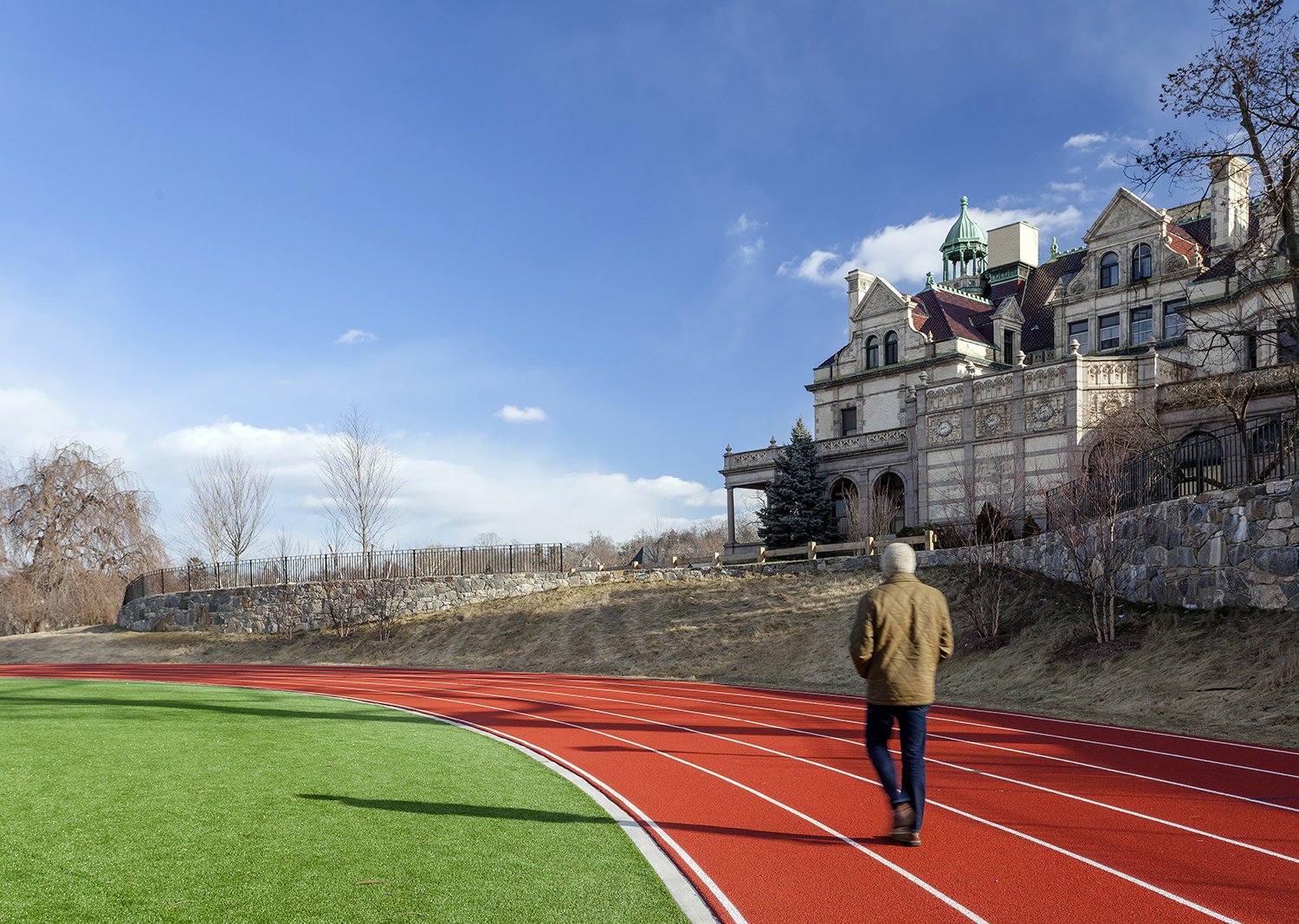
Design moves reinforce campus legibility and social life: Morris Hall frames the main quadrangle and references the Gothic Revival language of Masters Hall, while the Fonseca Center organizes diverse activities around visible circulation and communal space. Landscape interventions and field work integrate retaining walls, native planting, and viewing terraces to respect the site’s topography.
project narrative
-
Masters required a campus strategy that would accommodate evolving pedagogy, expand athletic and arts programs, and resolve the constraints of a steeply sloping site while respecting an established historic core.
To address these needs, successive master plans phased additions and renovations so new buildings could strengthen campus edges, restore sightlines, and replace outdated facilities without disrupting daily life.
-
The design concept organizes new work around a clearly defined quadrangle and borrows established architectural language to bridge old and new.
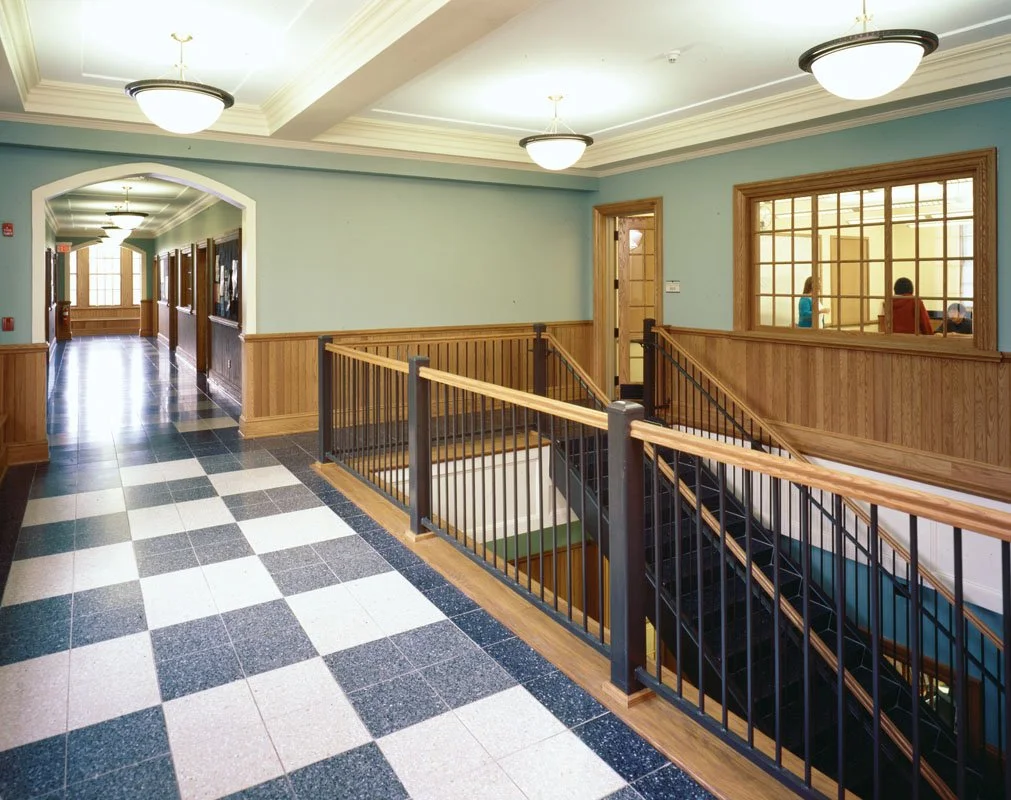
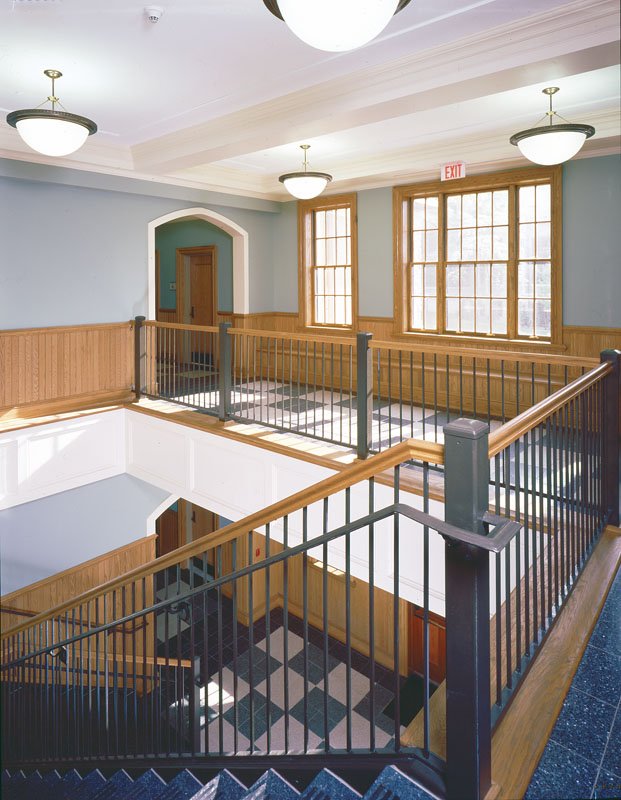
Building edges and strategically placed circulation emphasize transparency and visual connection so multiple activities remain legible to the community.
This approach reinforces a single, coherent campus identity while supporting simultaneous uses and informal encounters.
-
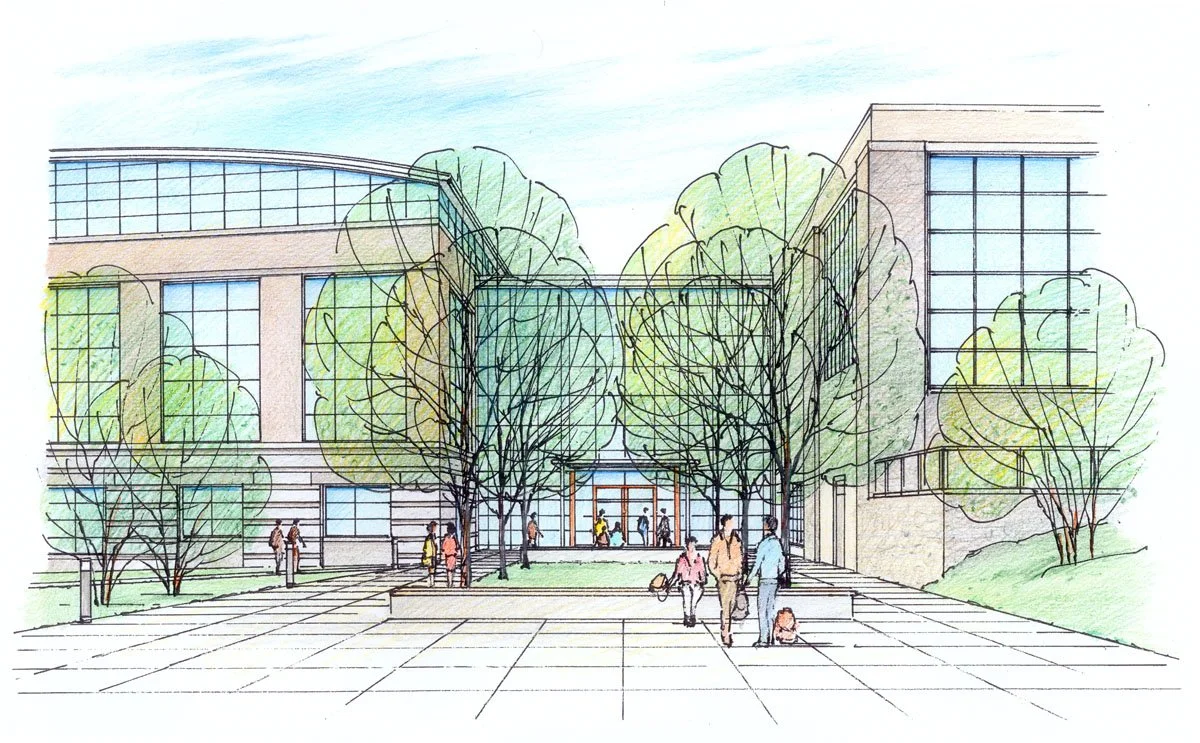
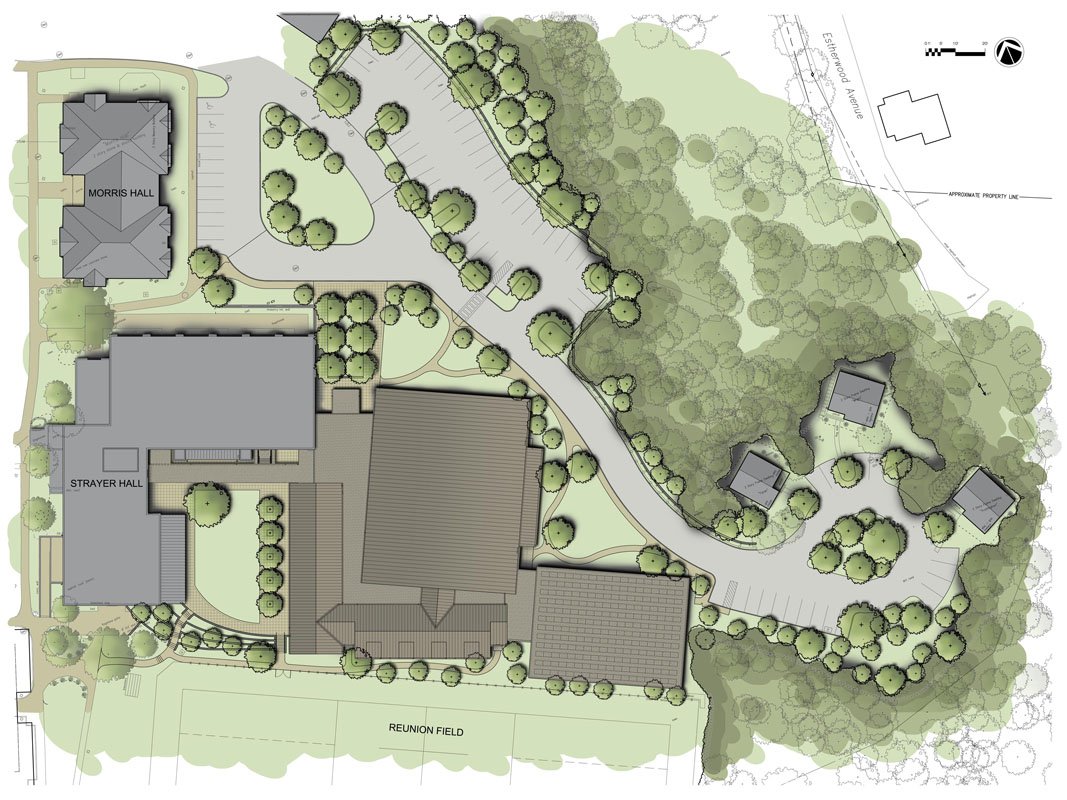
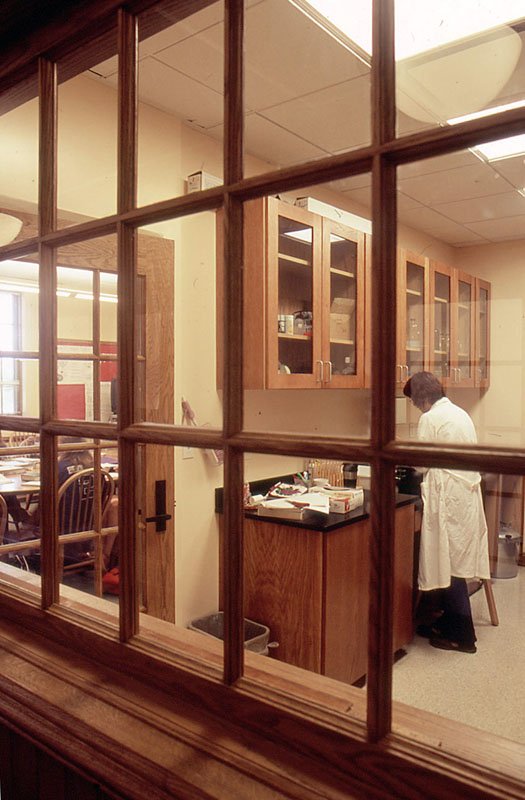
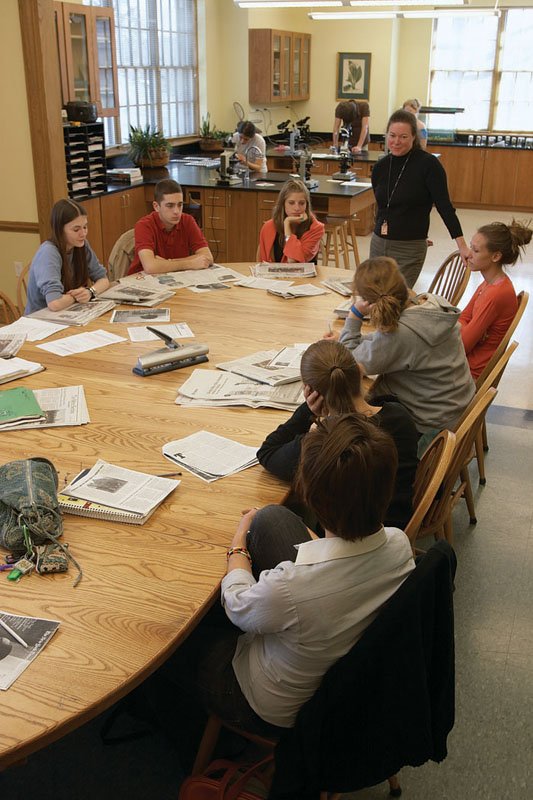
Implementation relied on careful siting and material choices to realize the concept: parking was relocated and replaced by Morris Hall to frame the quad, labs and common spaces were arranged for transparency and collaboration, and the Fonseca Center was positioned and linked to existing facilities to define a new courtyard.
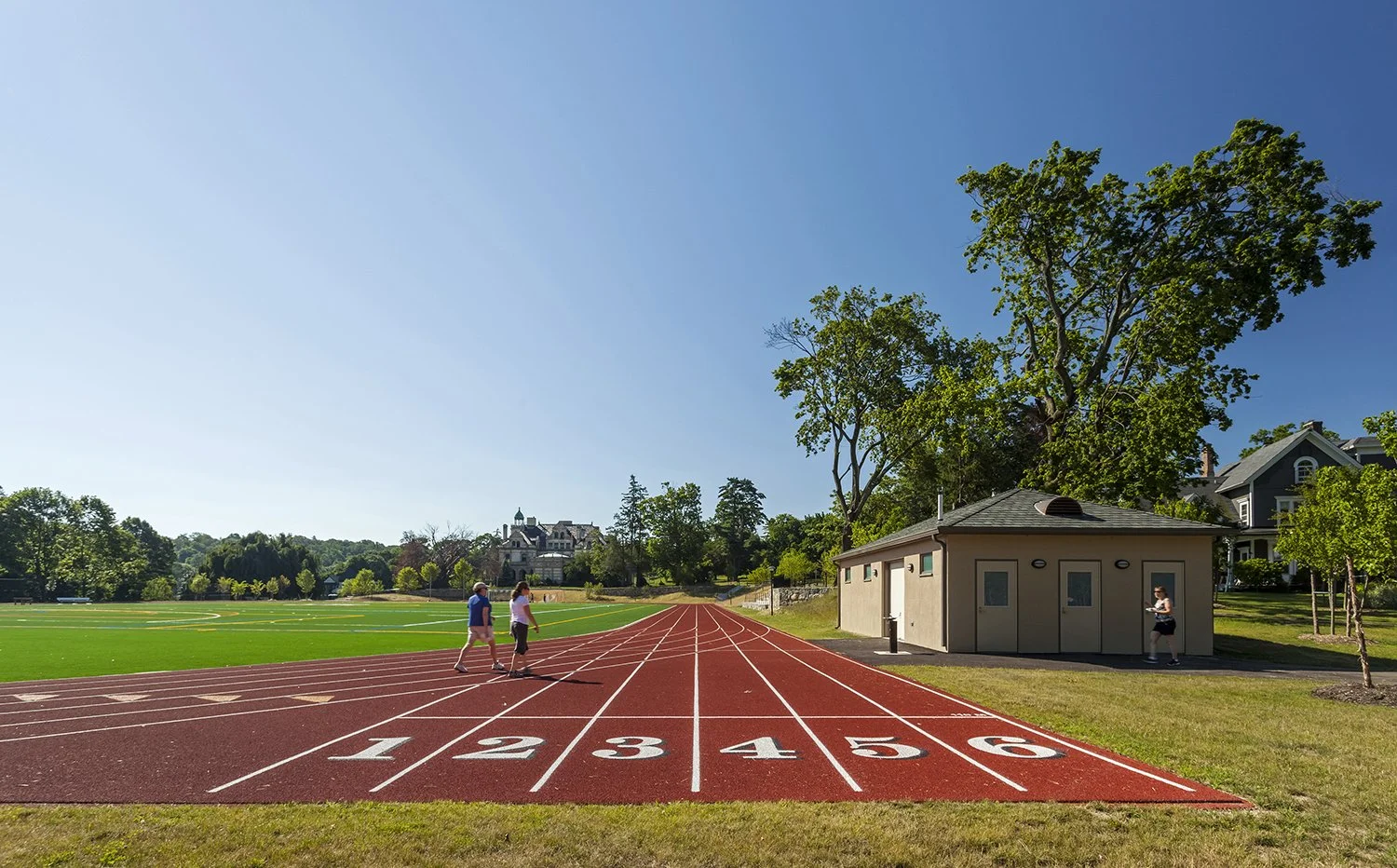
Landscape and field projects used grading, stone walls, and native planting to integrate athletics into the campus topography.
project outcome
Campus circulation supports direct movement between academic, arts, and athletic zones by clarifying edges around the main quadrangle. Terraced walkways, stair sequences, and courtyard connections accommodate changes in grade and focus movement along legible routes.
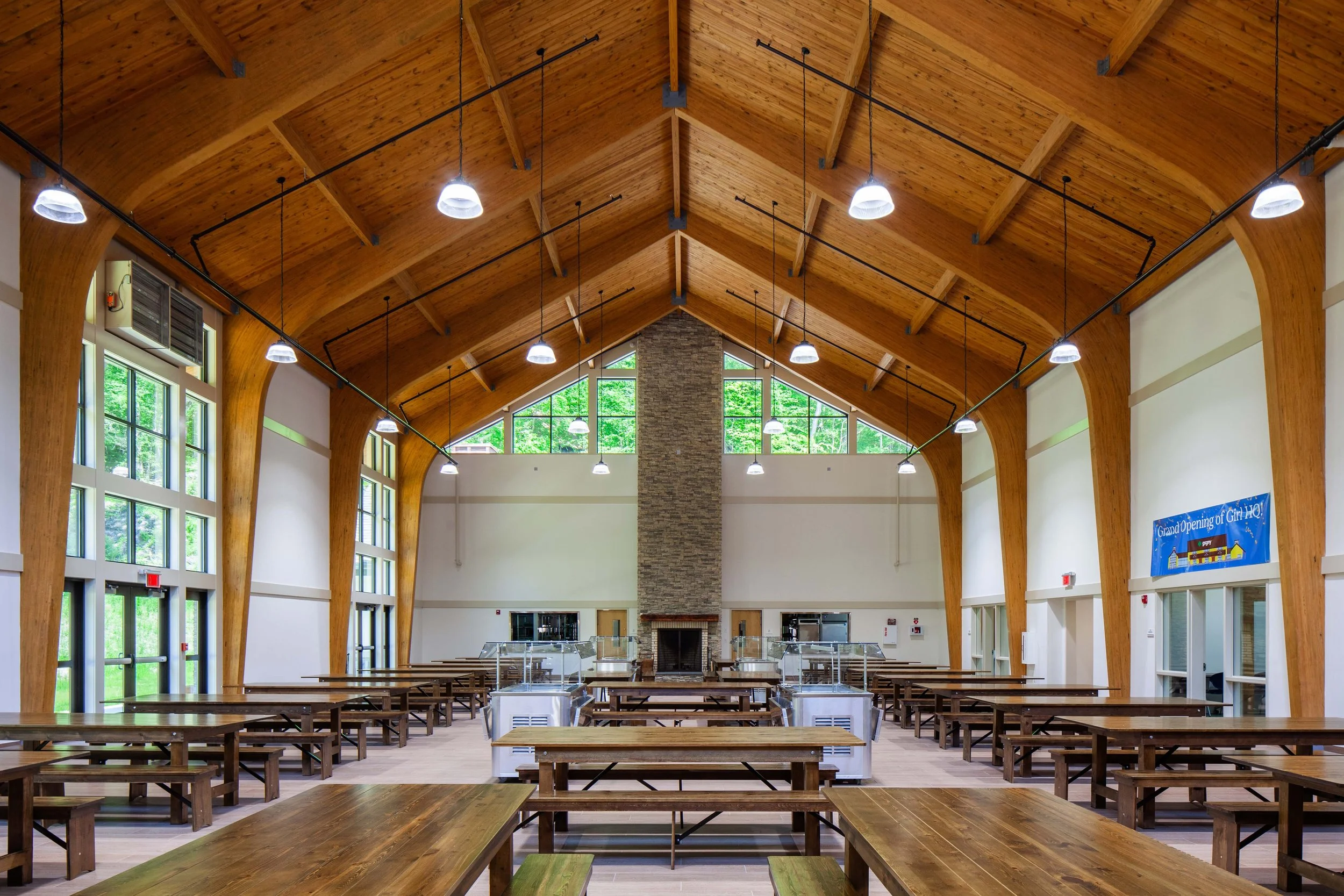
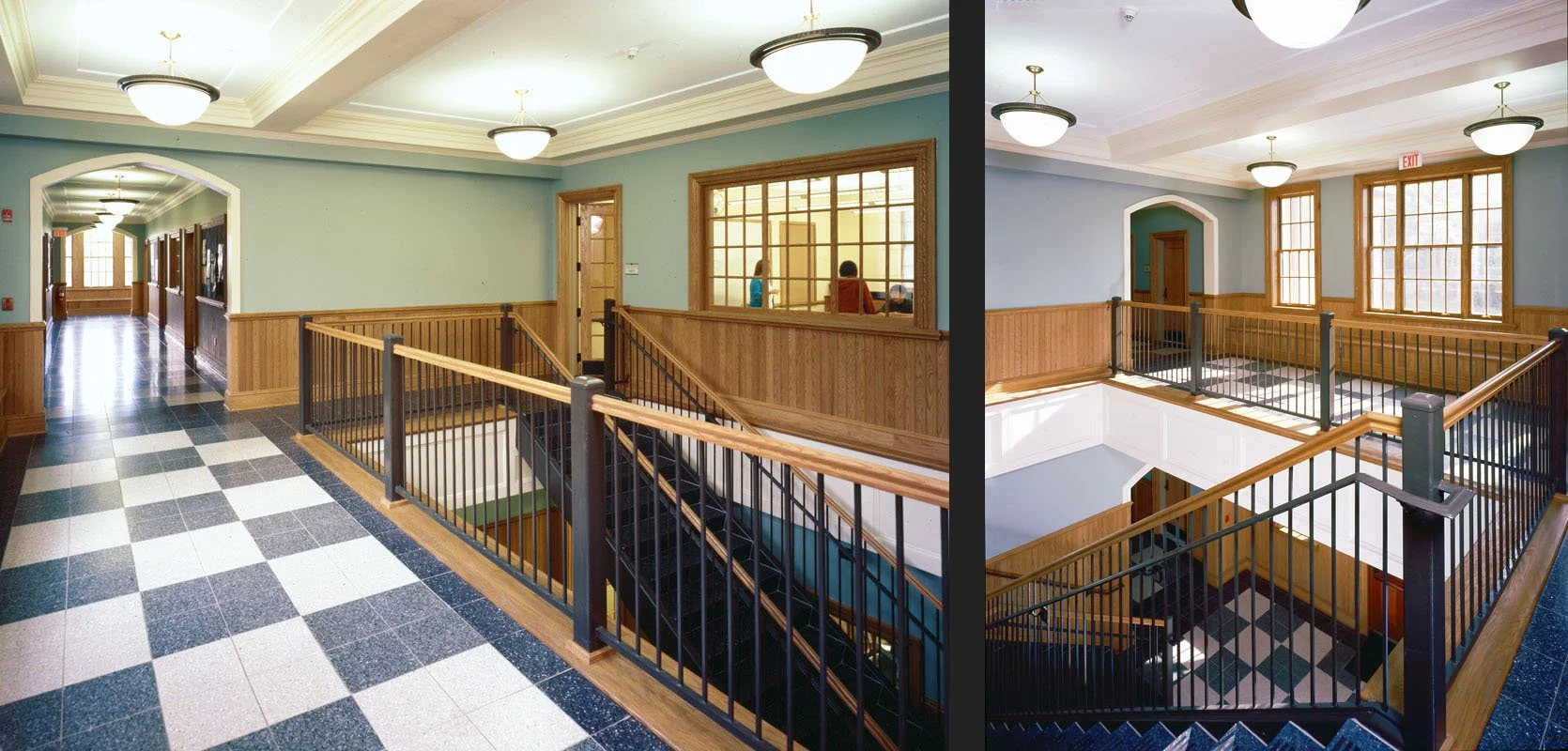
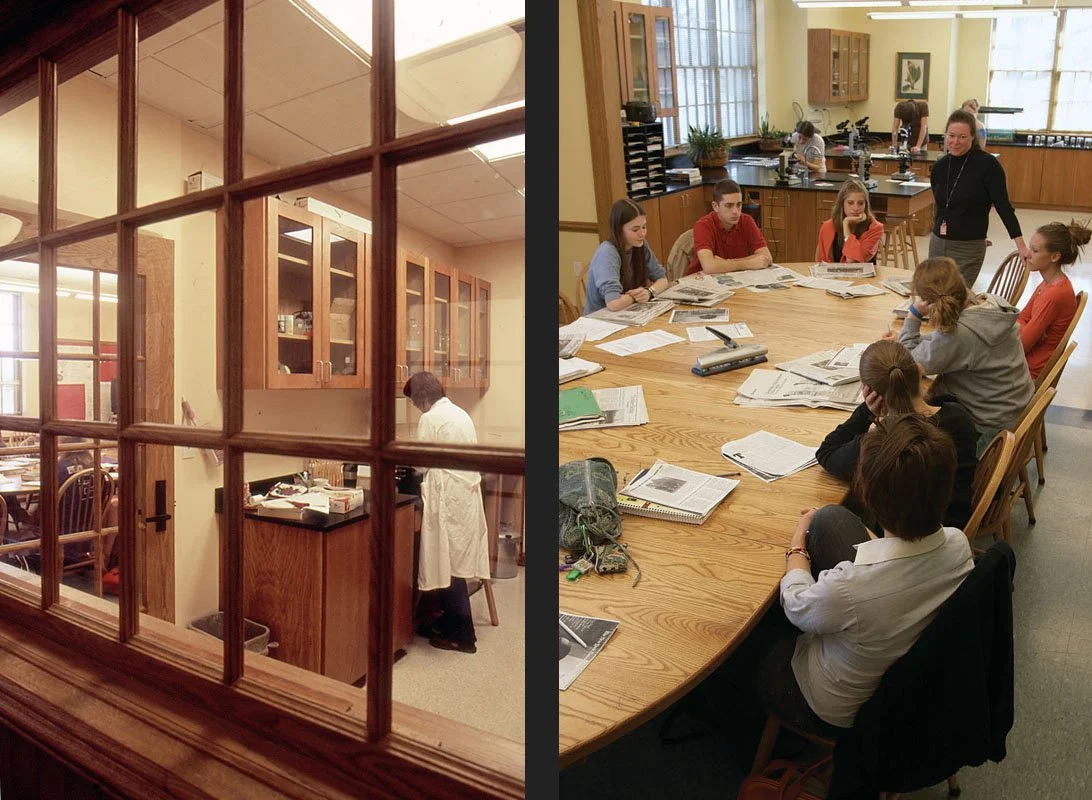
Daylight penetrates labs, galleries, and common rooms, reinforcing visual connection between activities and making program legible from primary corridors. Transparent adjacencies keep multiple uses visible and reduce reliance on signage. Gathering spaces accommodate both formal meetings and informal encounters throughout the day.
Flexible room layouts and shared circulation support simultaneous activities and changing pedagogies without major alteration. Durable materials and clear building edges reinforce long-term maintenance and coherent campus sequencing.
let’s continue the conversation
Every project begins with listening. If you’re considering a new campus, building, or landscape, we’d welcome the chance to talk through your goals, challenges, and aspirations. Our team works collaboratively to shape places that feel grounded, connected, and built to serve people well over time.