the windward school
2015
new york, ny
62,000 sf
new construction, renovation, transformation
a six-floor grades 1–8 school within a mixed-use tower prioritizing daylight and clarity.
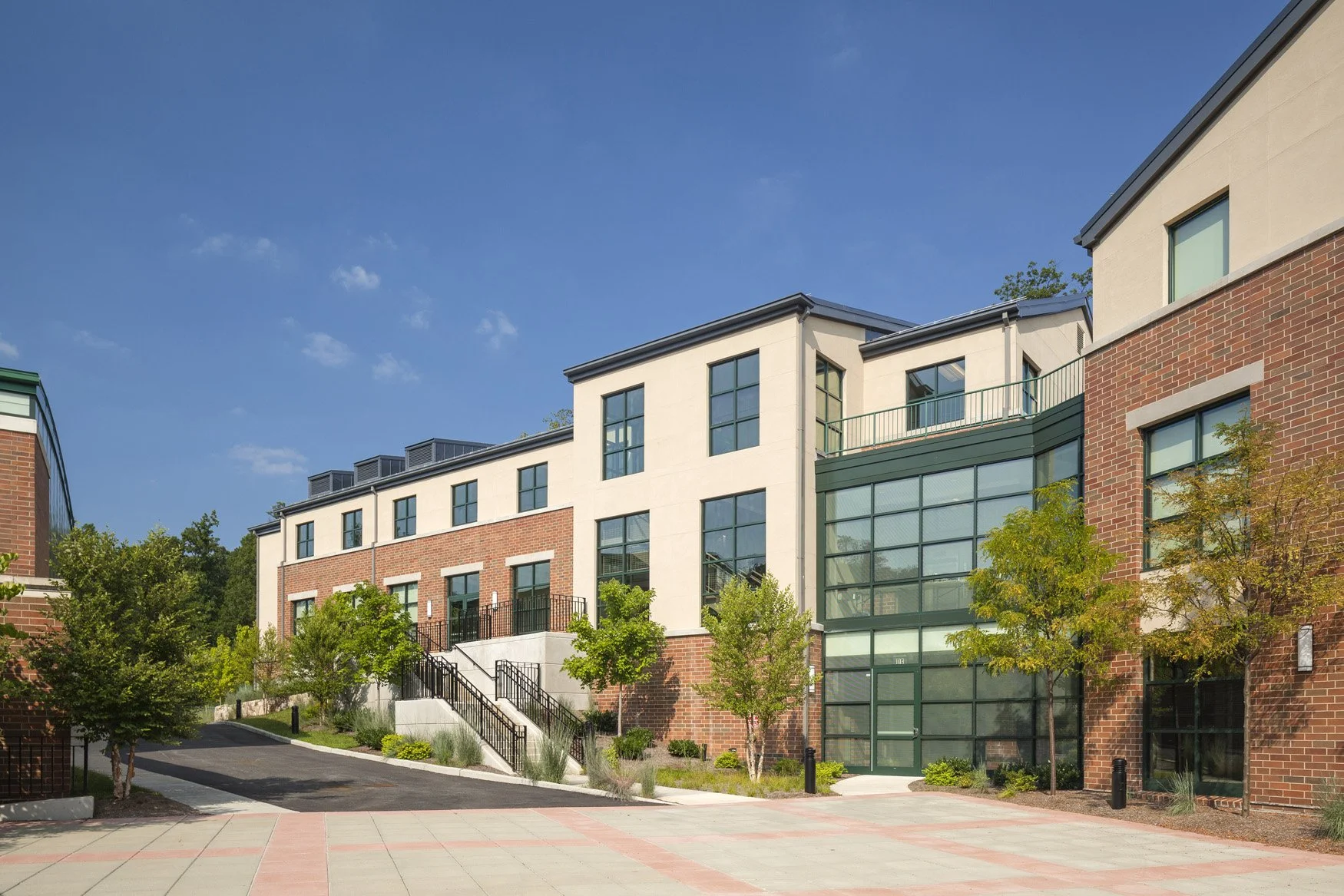
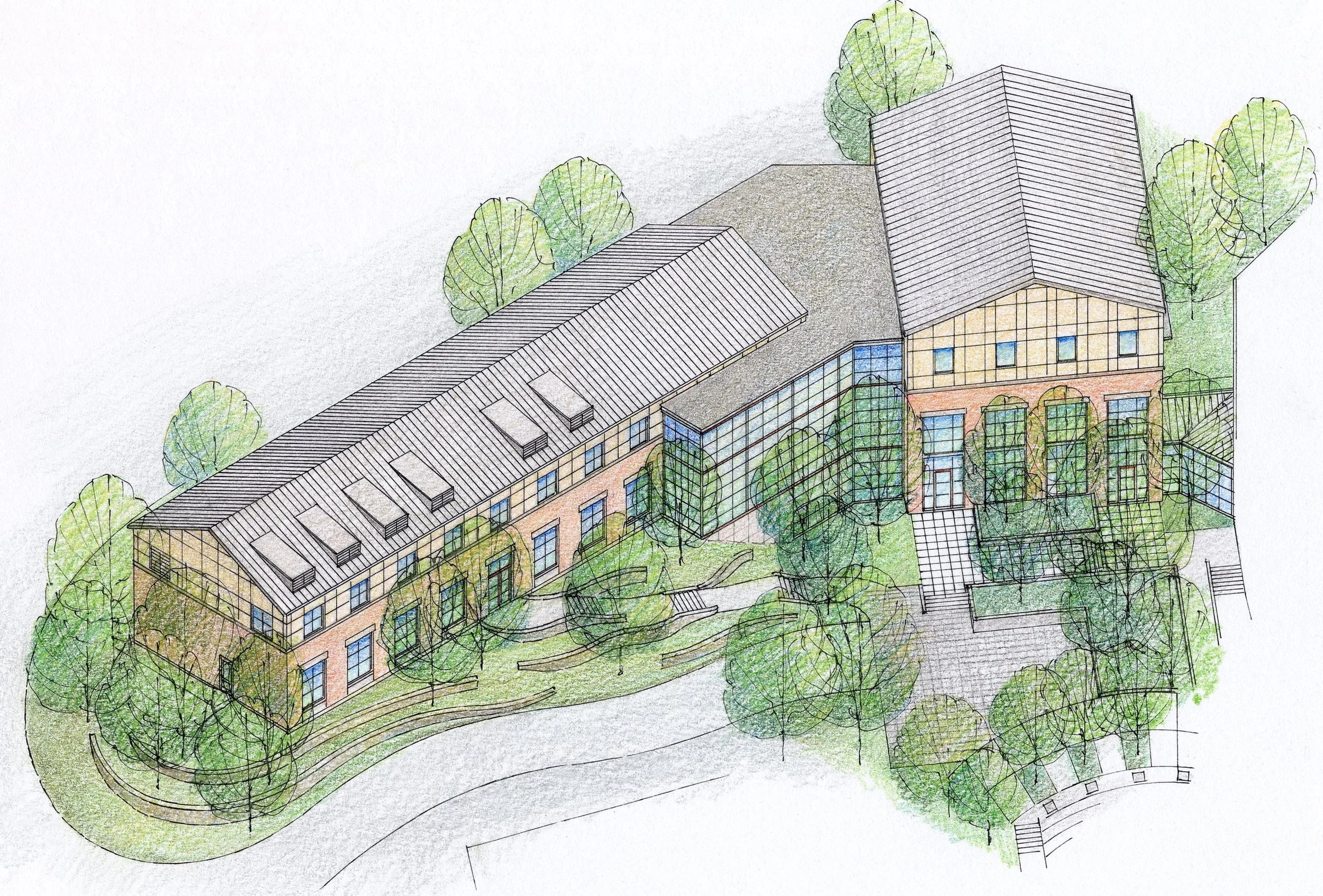
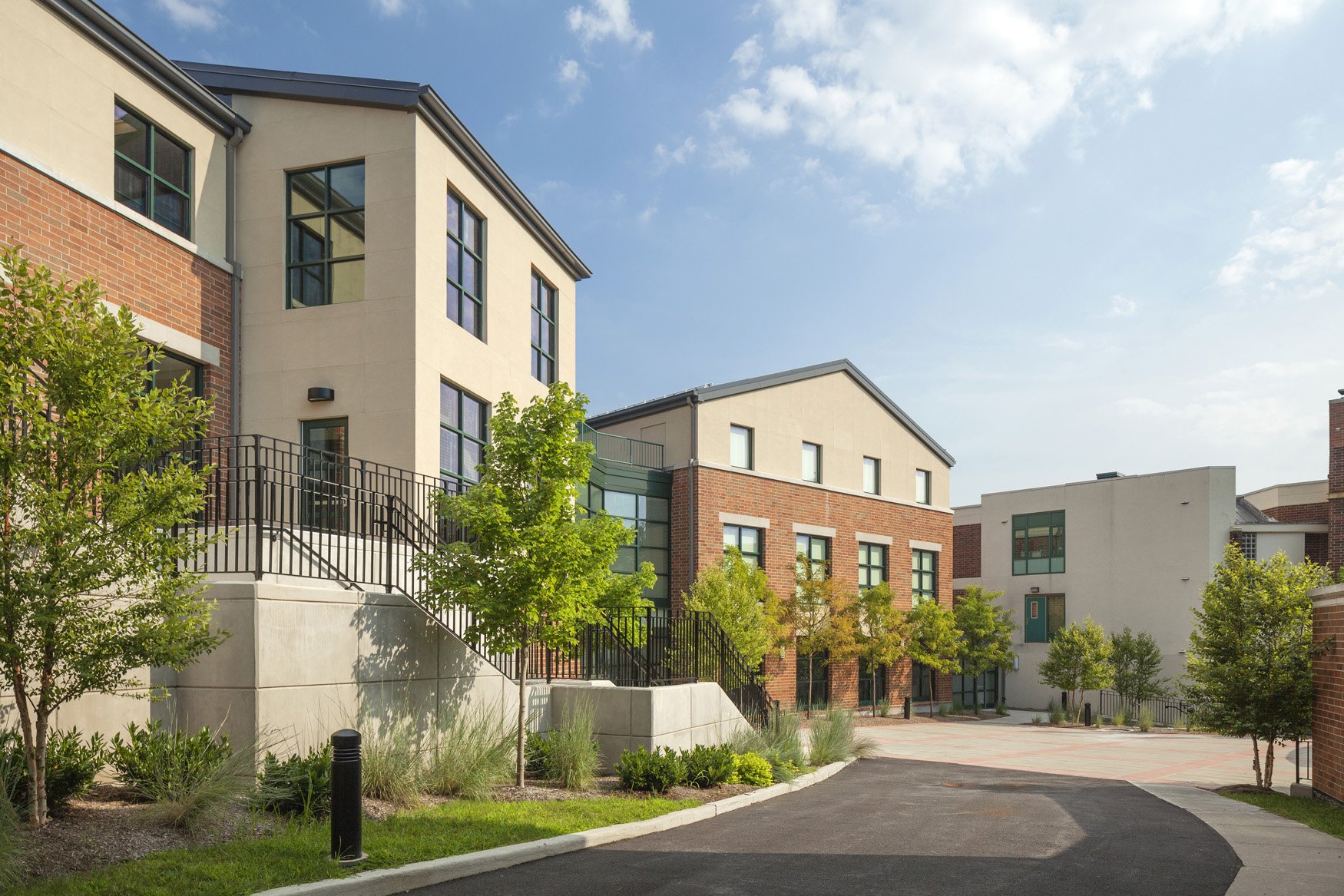
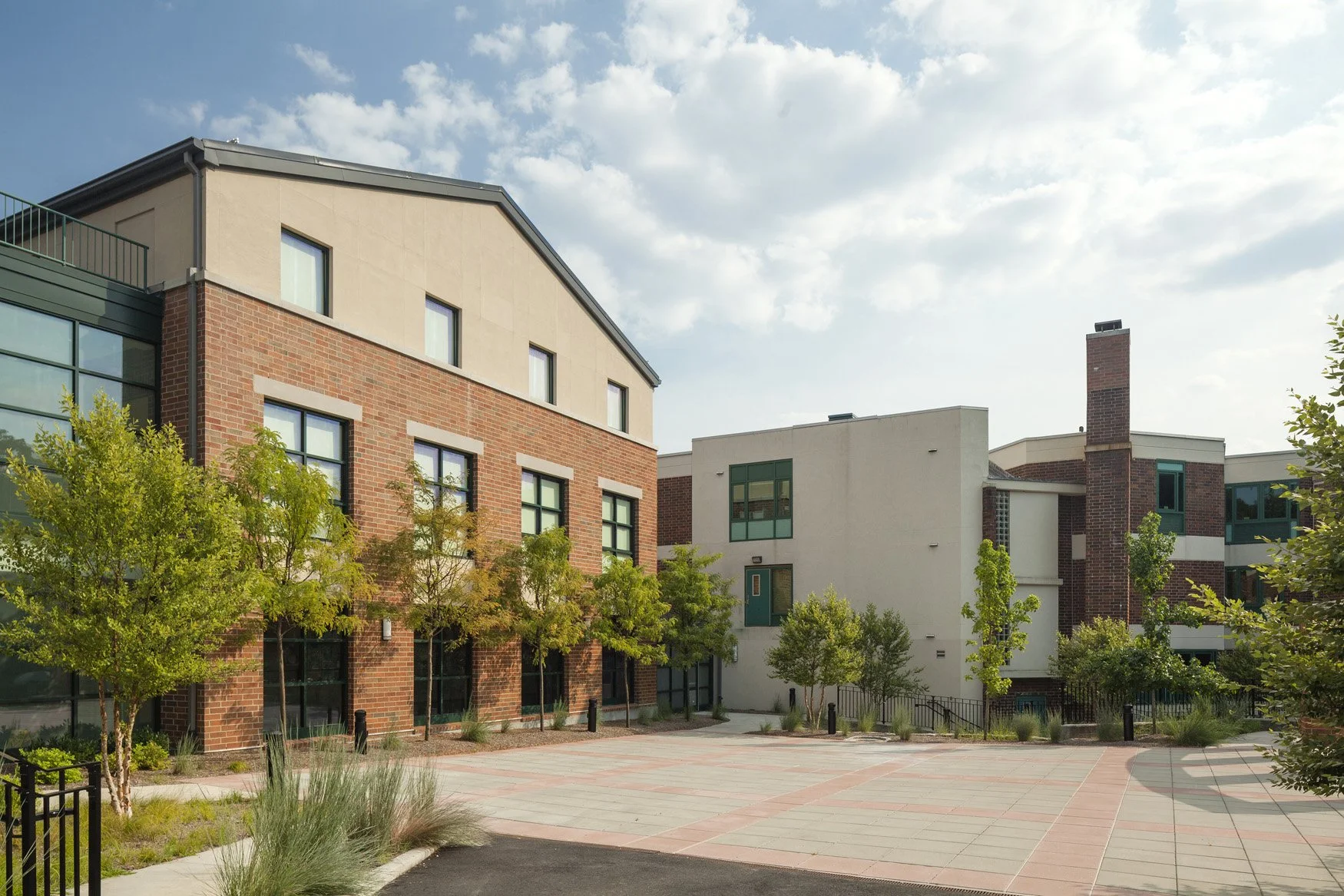
The Windward School is an independent day school serving students with language-based learning disabilities. To expand into New York City, the school occupies six floors—approximately 60,000 sf—within a 38-story through-block residential tower on East 93rd Street, providing space for 360 students in Grades 1 through 8 and campus support facilities at lower levels.
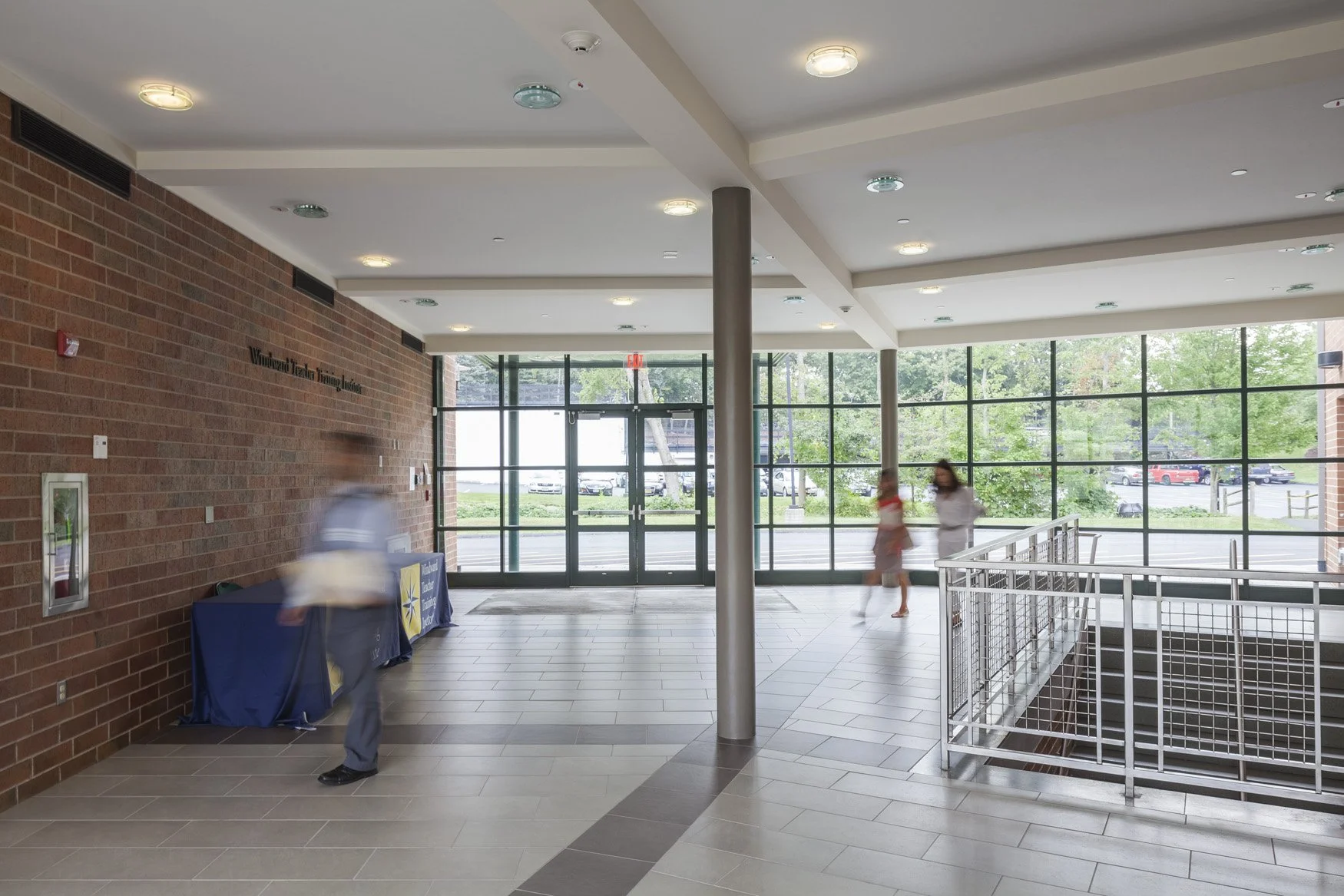
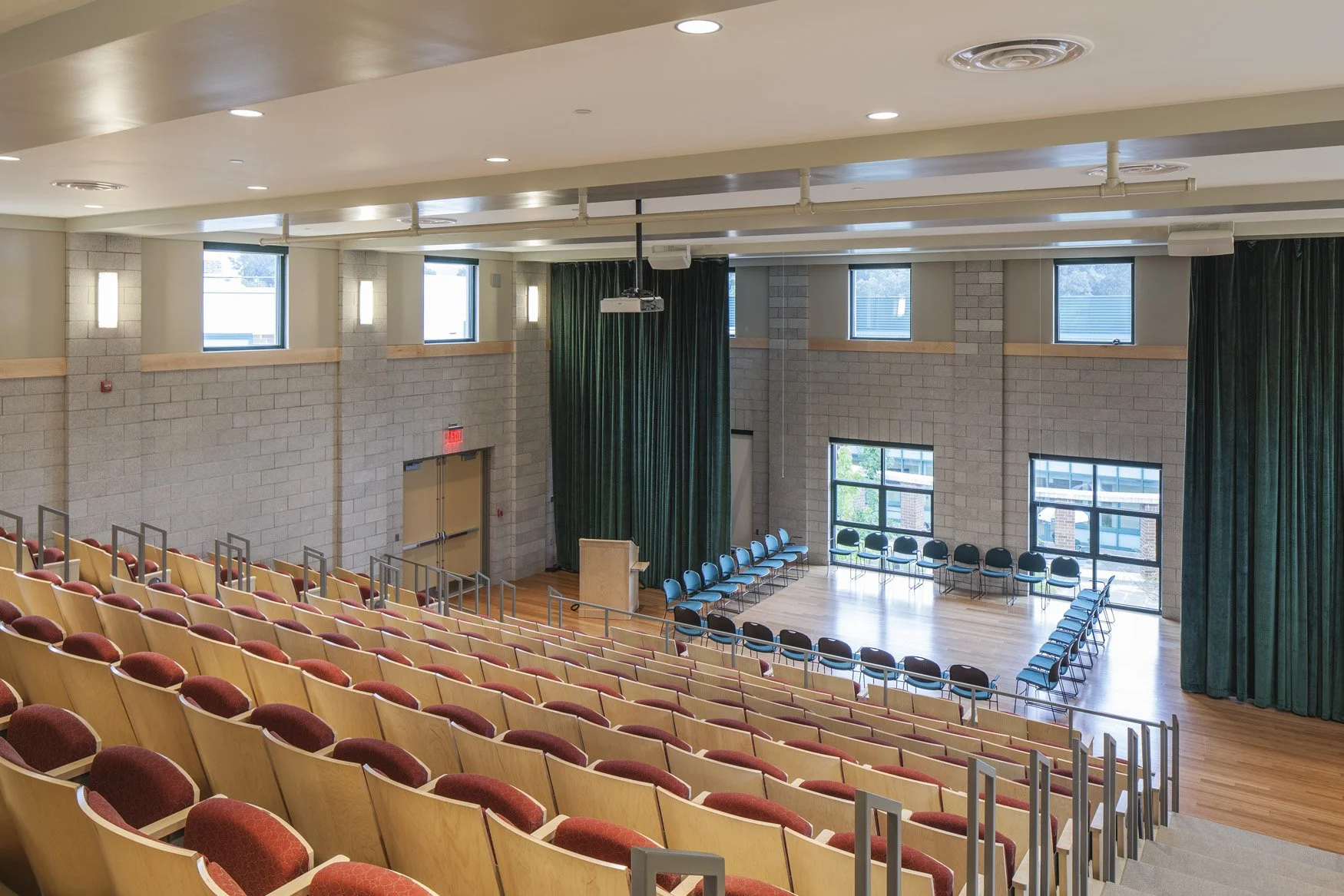
Classrooms are sited at the building perimeter to capture natural light while shared program—cafeteria with outdoor play, library and technology center, and specialized instructional spaces—is stacked to create distinct learning zones. Faculty offices, tutoring rooms, and labs are distributed to support supervision, small-group work, and program flexibility across floors.
project narrative
-
Windward sought an urban expansion that preserved the school’s instructional model while fitting within a dense, mixed-use tower site. The challenge was to translate programmatic needs—focused classrooms, extensive tutoring and specialist spaces, and generous assembly and athletic areas—into a vertical plan that remained legible to students, staff, and families.
To address this, the design required clear vertical organization and strategic placement of public functions below grade and concentrated learning spaces above.
-
The concept organizes the school as a sequence of distinct learning floors stacked within a larger residential block, using perimeter classrooms to frame daylight and views and central shared spaces to anchor circulation. Building on this idea, public and support functions are grouped near grade and below to free upper floors for concentrated academic activity.
This strategy reinforces clarity of movement, supervision, and program adjacency while making daylight and outdoor access an integral part of daily routines.
-
Realization relied on a disciplined stacking strategy and careful adjacency planning: Lower School programs occupy the second floor; Middle School classrooms are on the third and fourth floors; cafeteria and outdoor play are located to strengthen social life; and the library/technology center anchors the fourth floor.
Together these choices organize circulation around clear zones, concentrate tutoring and faculty support, and maximize perimeter daylight for instruction without altering the residential character of the tower.
project outcome
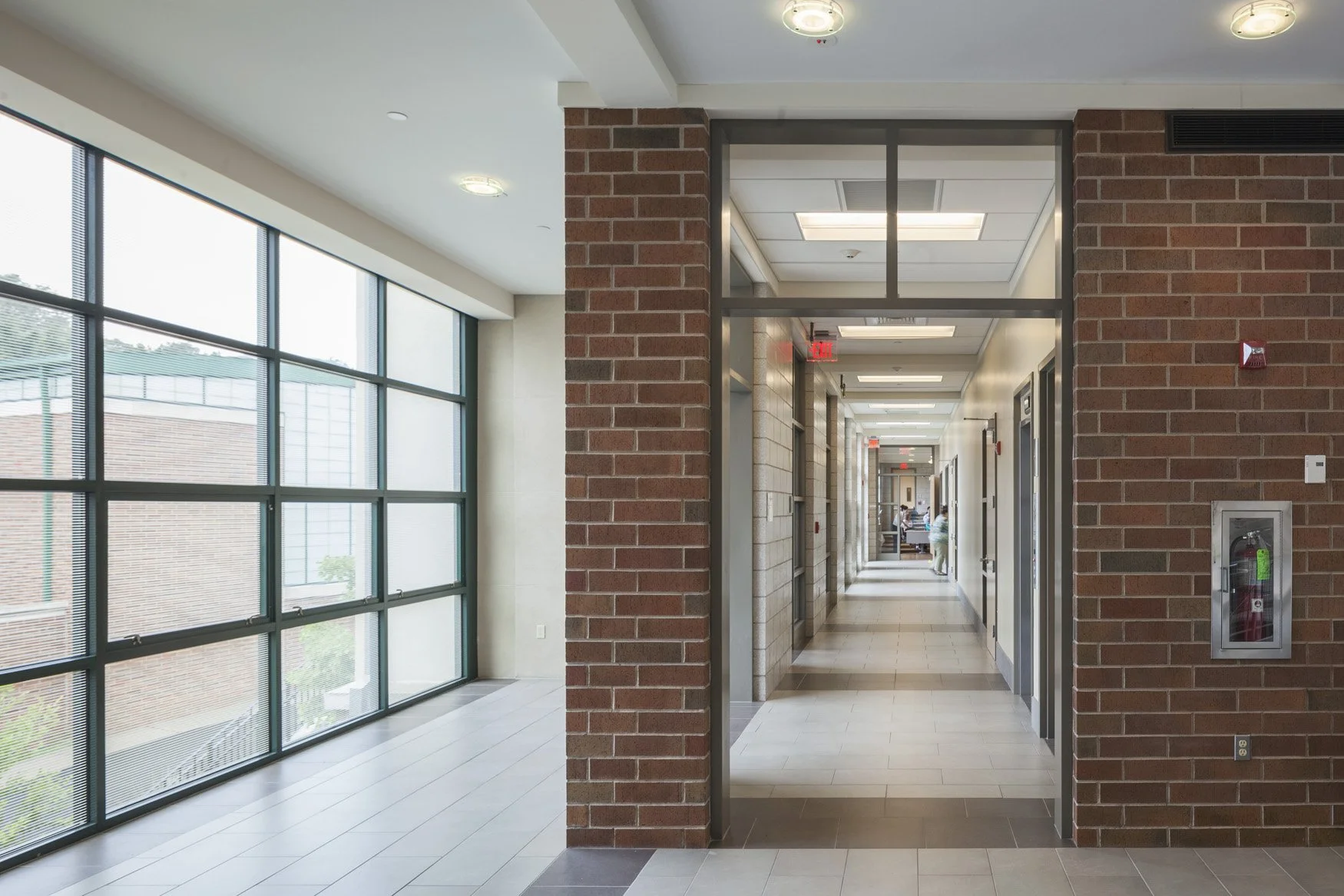
Vertical organization clarifies movement between floors and reinforces clear lines of supervision and wayfinding for students, staff, and families. Stacked learning zones support predictable circulation and reduce cross-traffic during transitions.
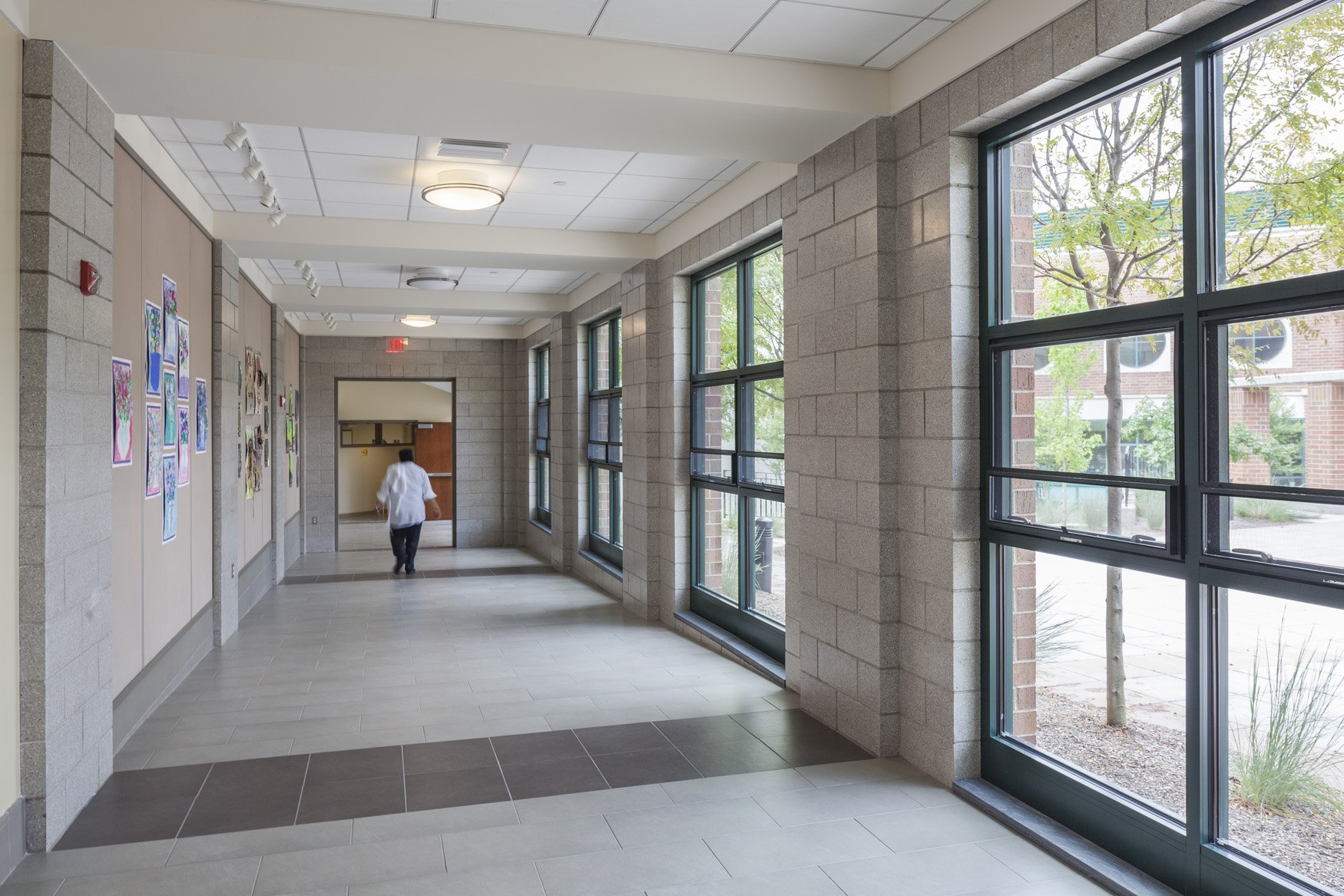
Classrooms along the perimeter receive consistent natural light and maintain outward visibility that supports focus and orientation. Central shared spaces act as visible anchors that balance openness with quiet support for small-group work.
Distributed tutoring rooms and faculty spaces accommodate a mix of individual instruction and collaborative teaching across floors, supporting flexibility in daily schedules. Communal areas like the library and cafeteria reinforce social interaction and connect learning routines, helping the building sustain shifting program needs over time.
let’s continue the conversation
Every project begins with listening. If you’re considering a new campus, building, or landscape, we’d welcome the chance to talk through your goals, challenges, and aspirations. Our team works collaboratively to shape places that feel grounded, connected, and built to serve people well over time.