yale university
2002
new haven, ct
192,000 sf
renovation, new construction, historic preservation, transformation
2003, AIA Westchester / Hudson Valley
Valley Honor Award
2004, CT Building Congress Project
Team Award
awards
Structural: Robert Silman Associates
Roofing: Watsky Associates
Lighting: Goldstick Lighting Design
Code: Bruce Spiewak
collaborators
transformation and preservation weaving new life into two historic residential college buildings.
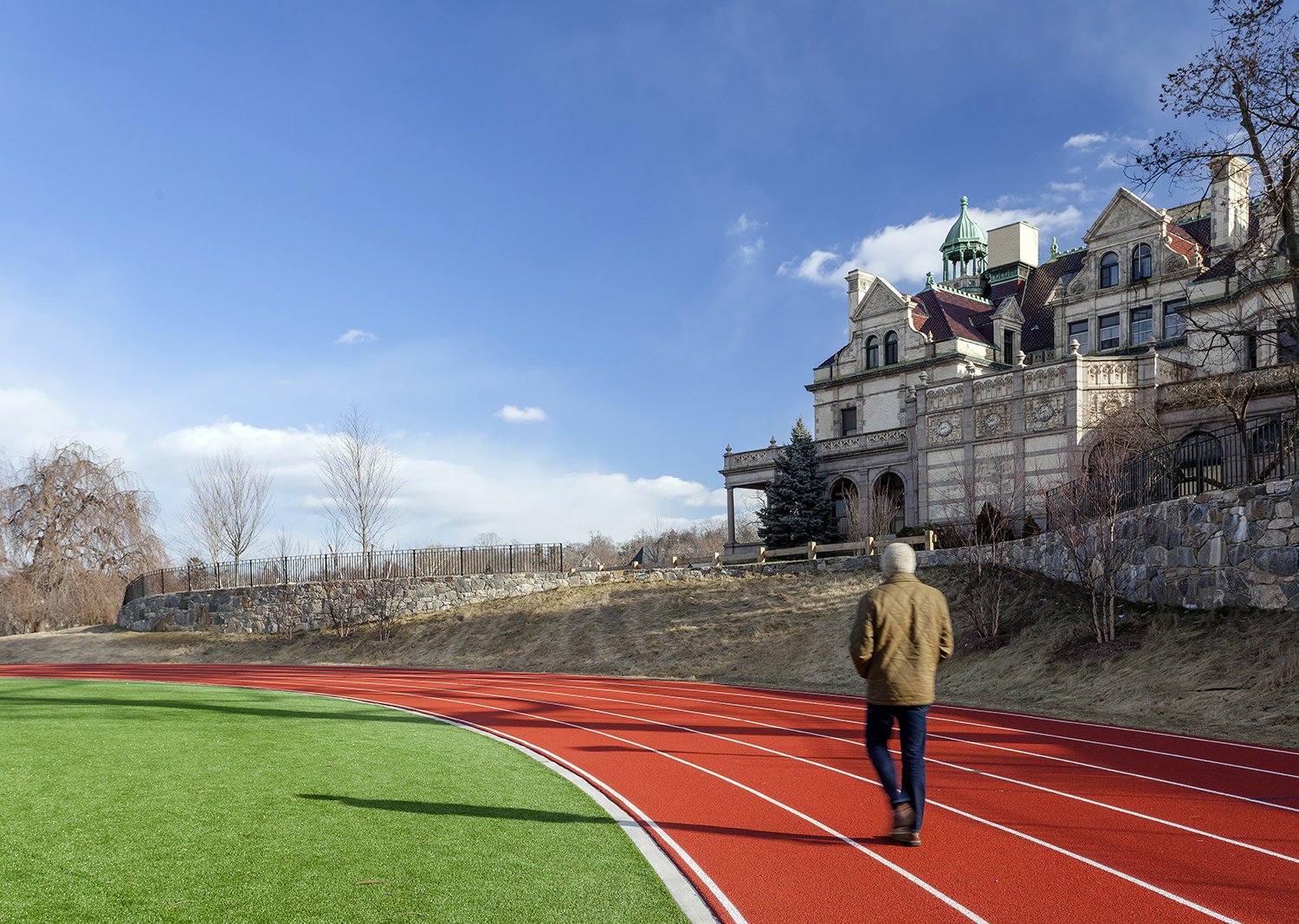
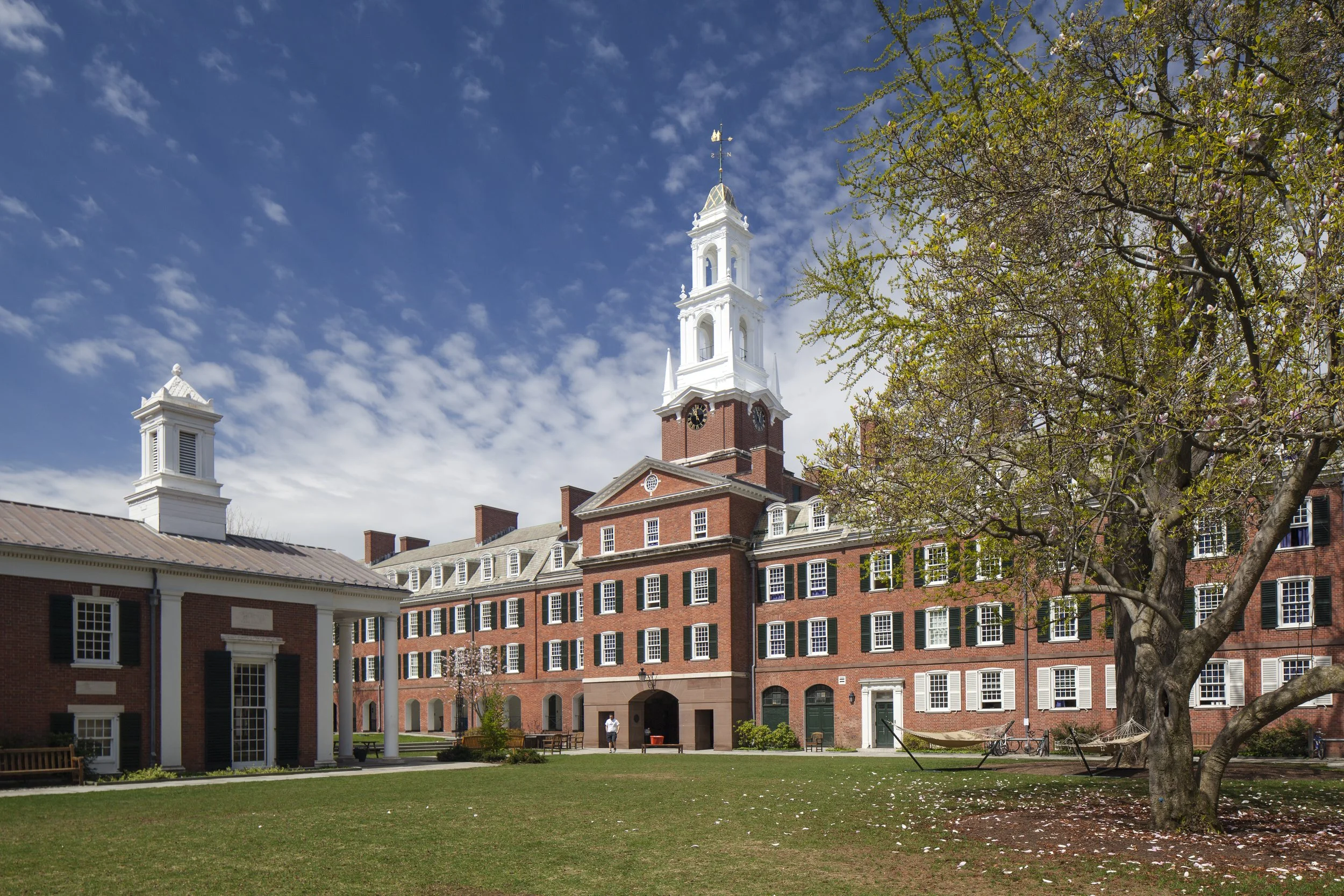
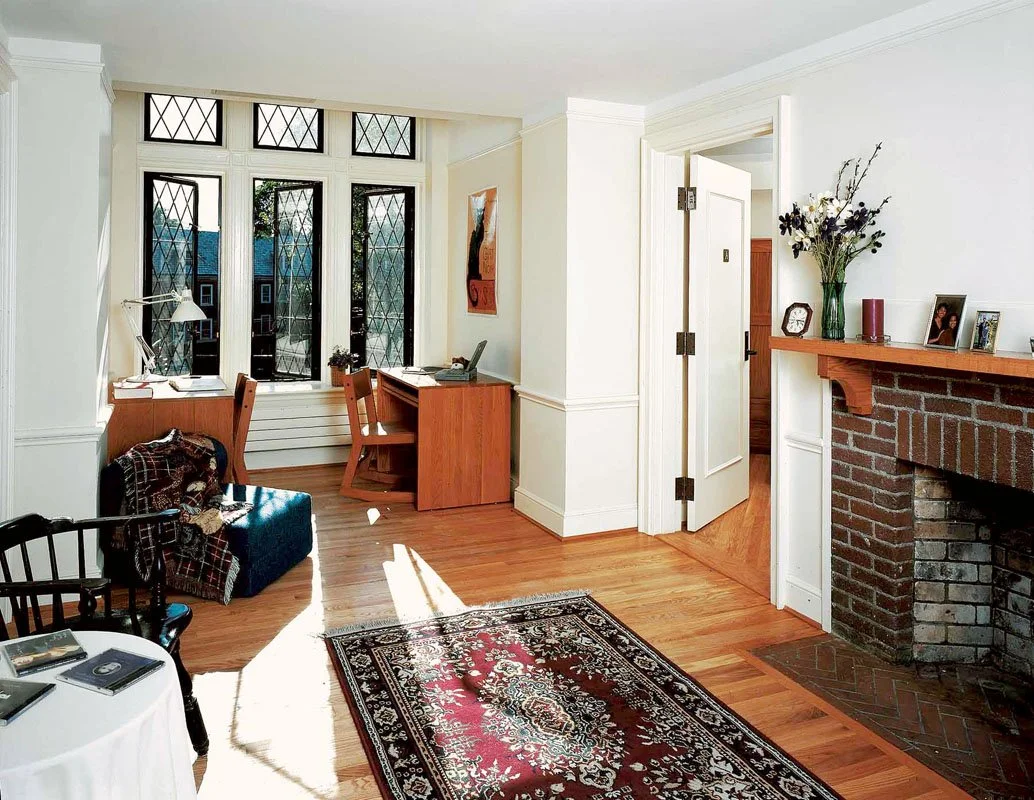
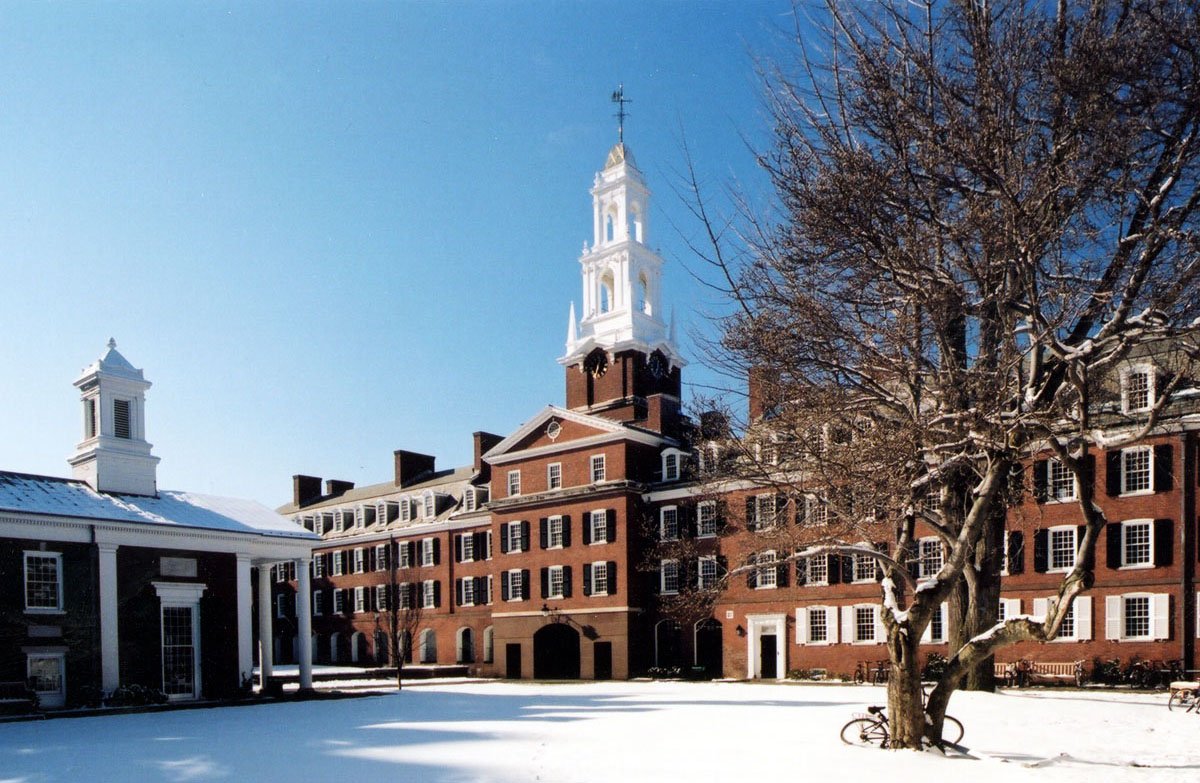
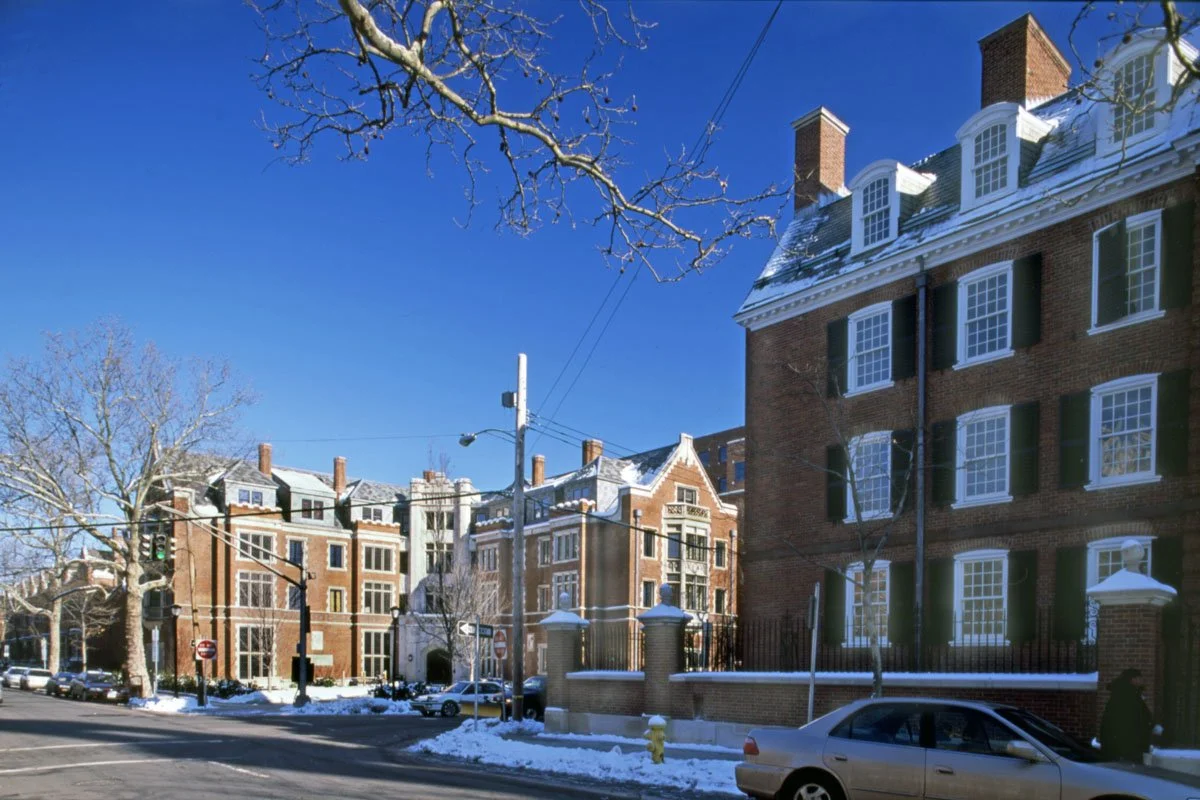
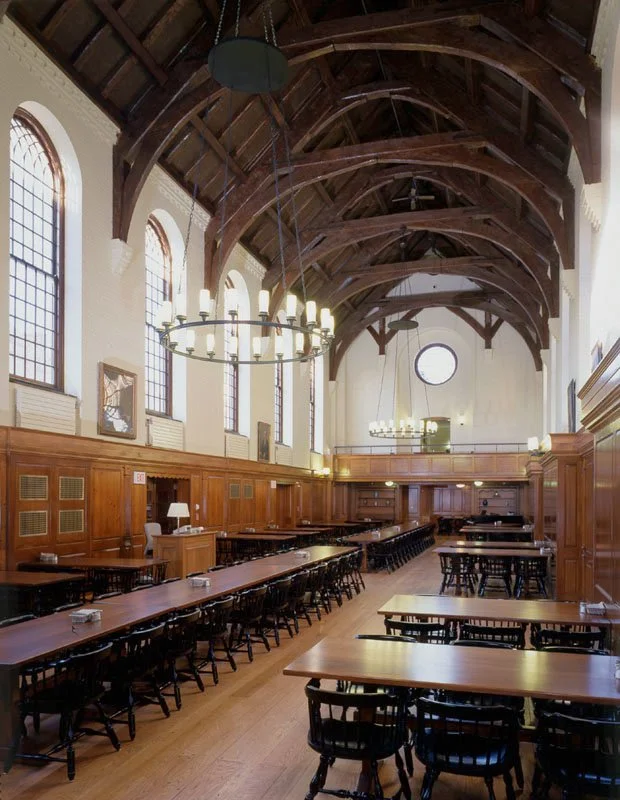
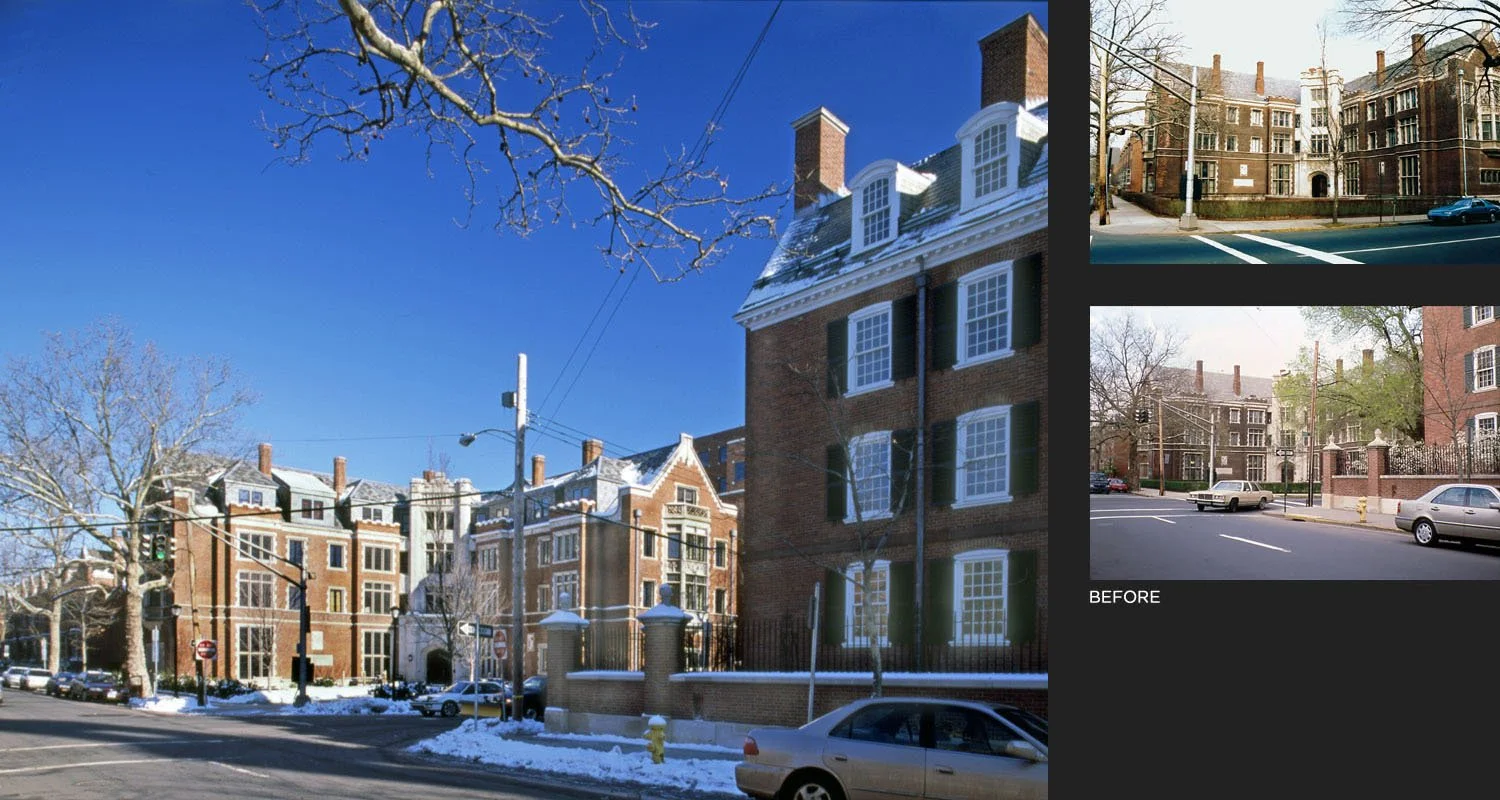
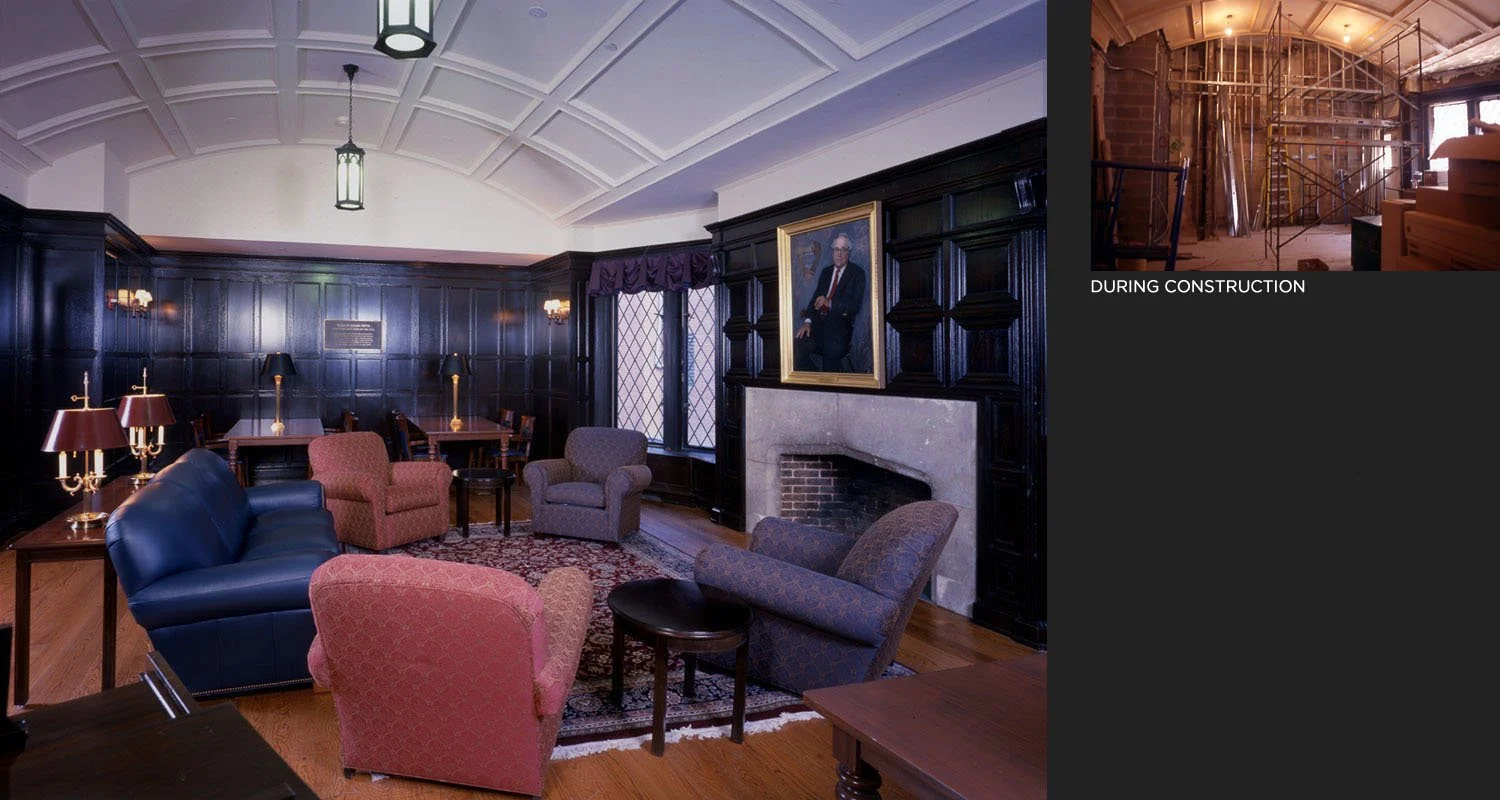
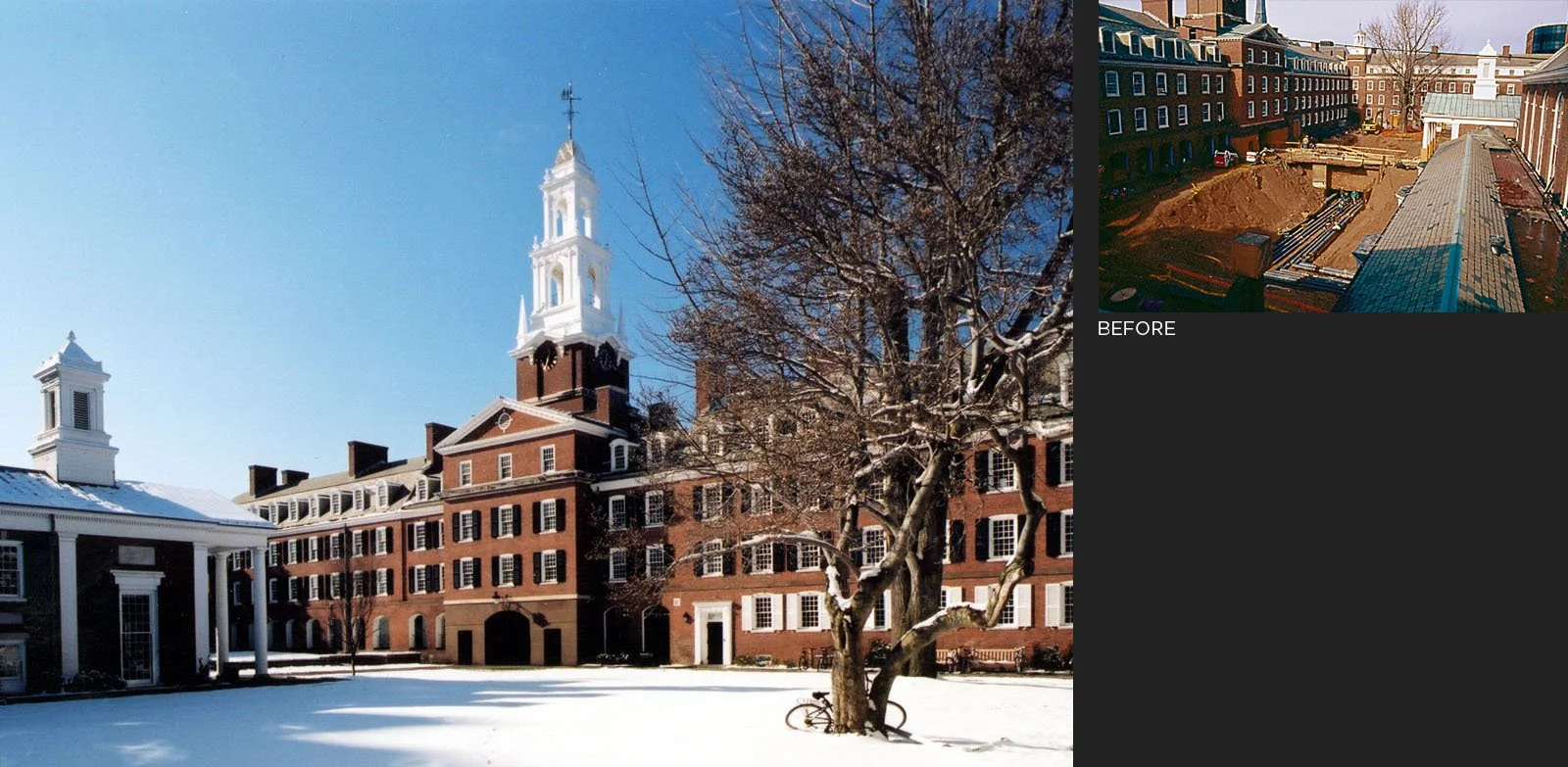
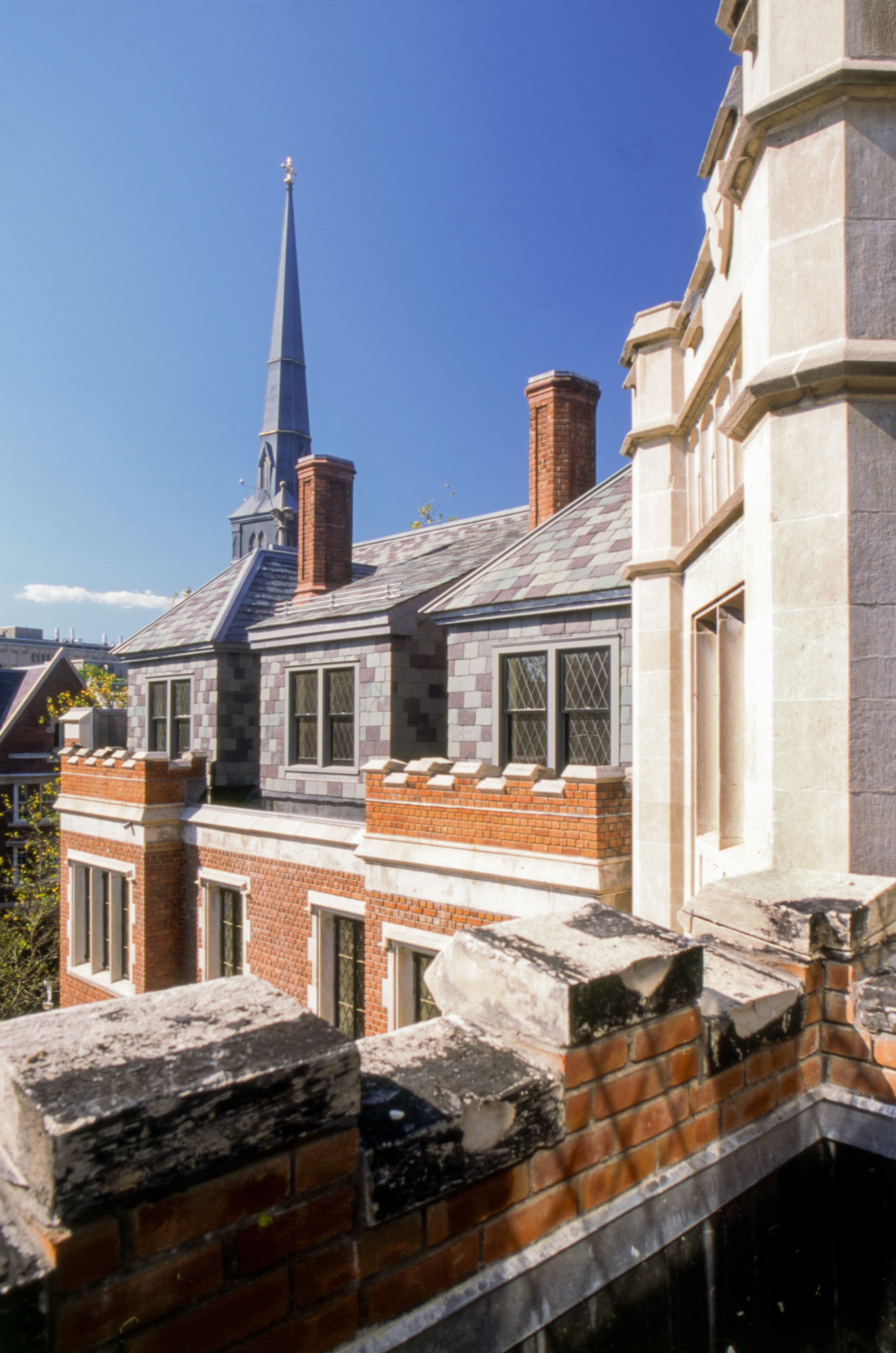
Yale's Timothy Dwight College and Rosenfeld Hall were re-envisioned to connect two distinct historic structures into a unified residential college. The work addressed aging infrastructure, expanded and reconfigured student housing, and added programmatic space to better support student life while maintaining exterior character.
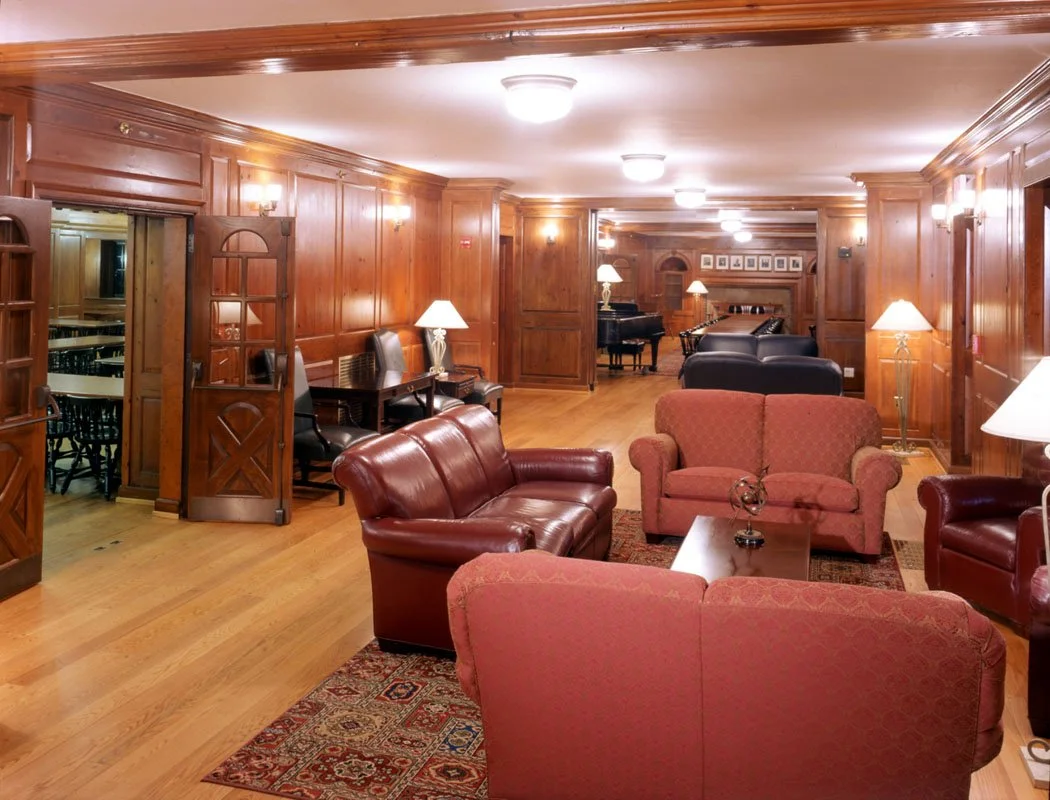
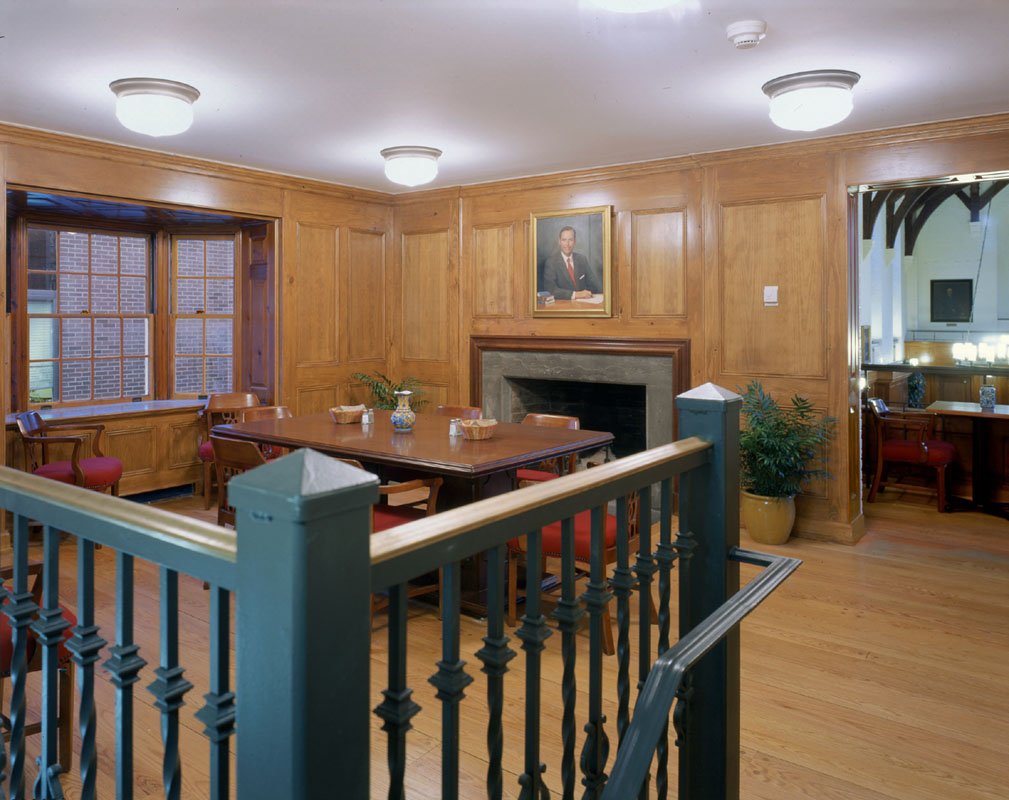
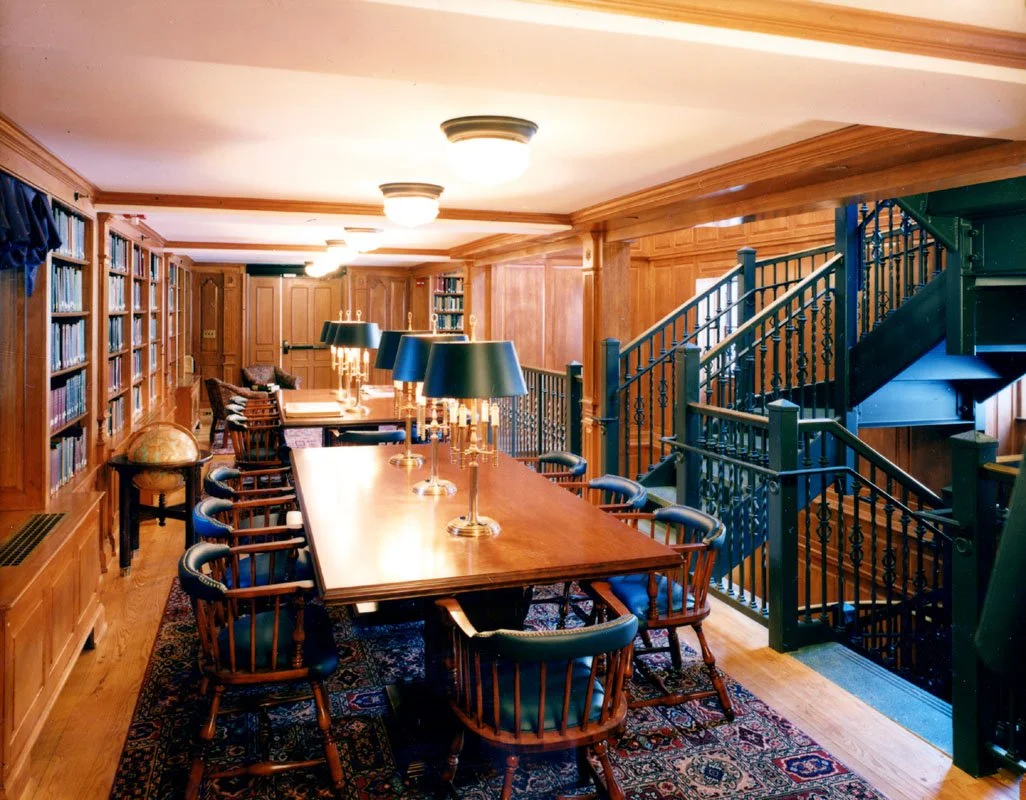
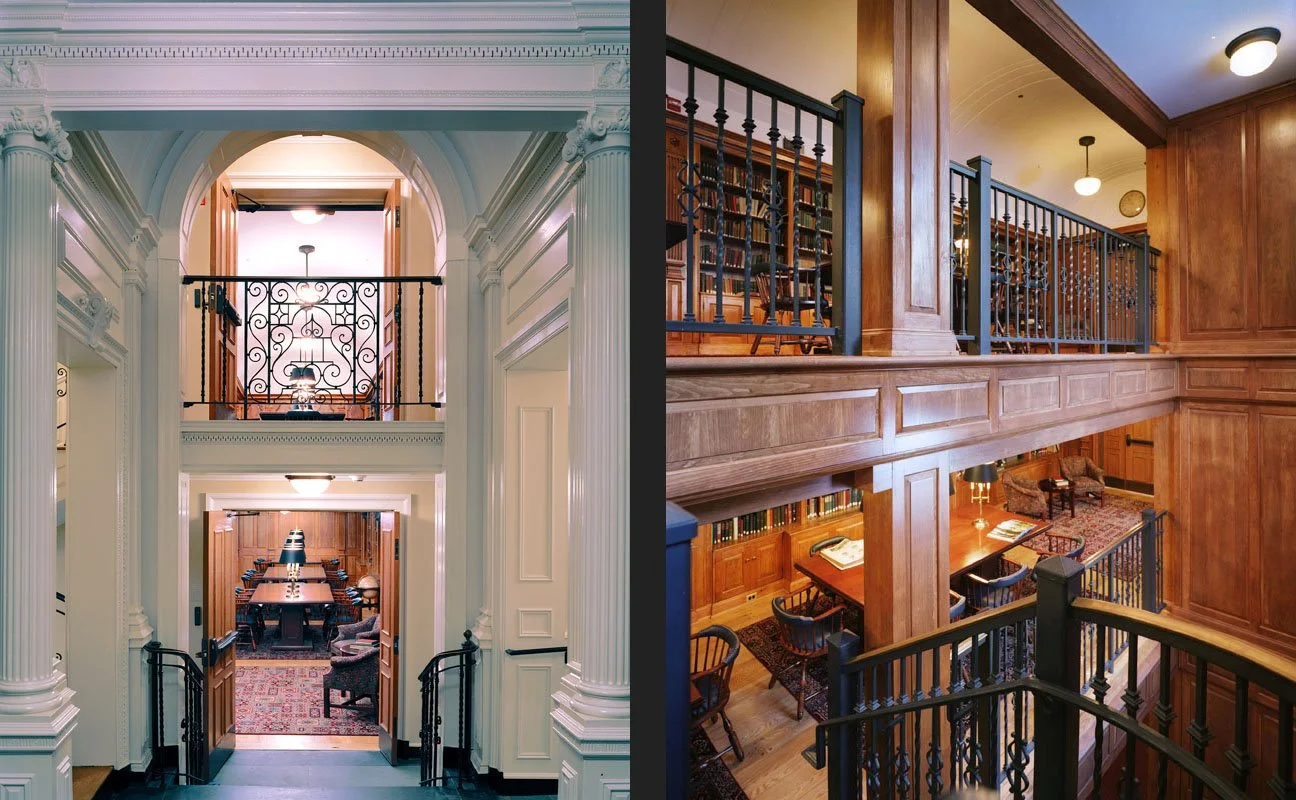
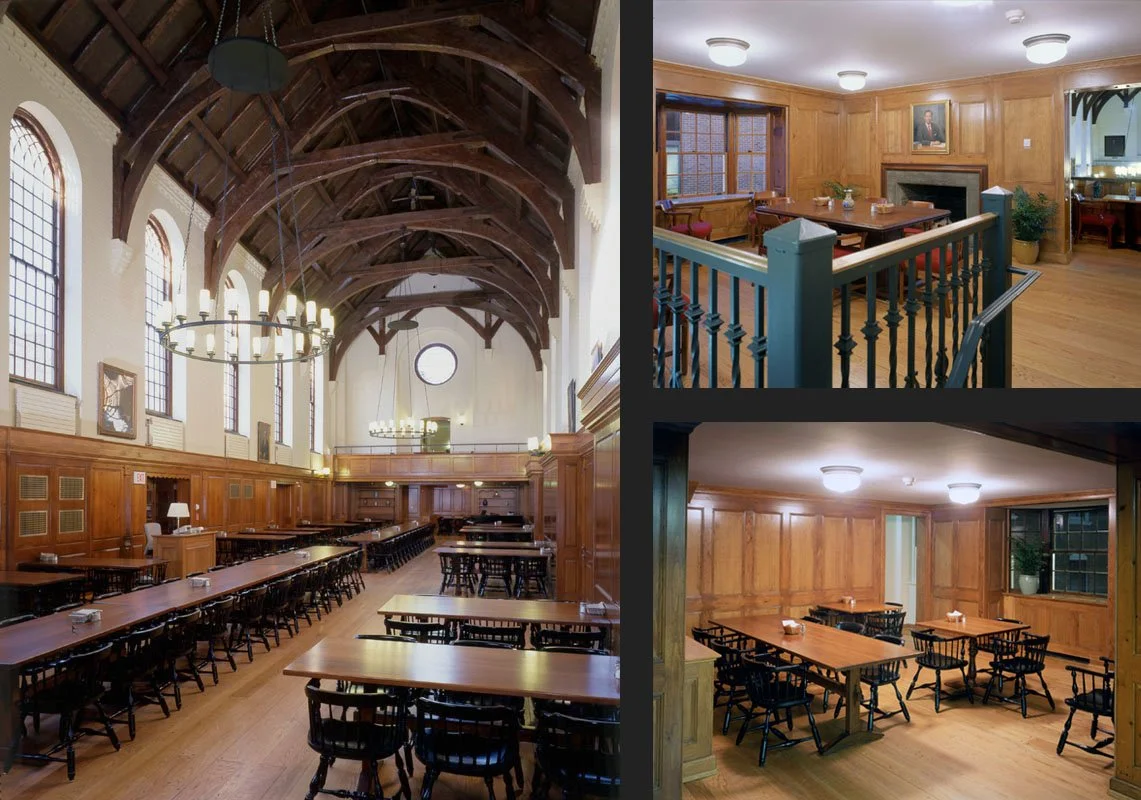
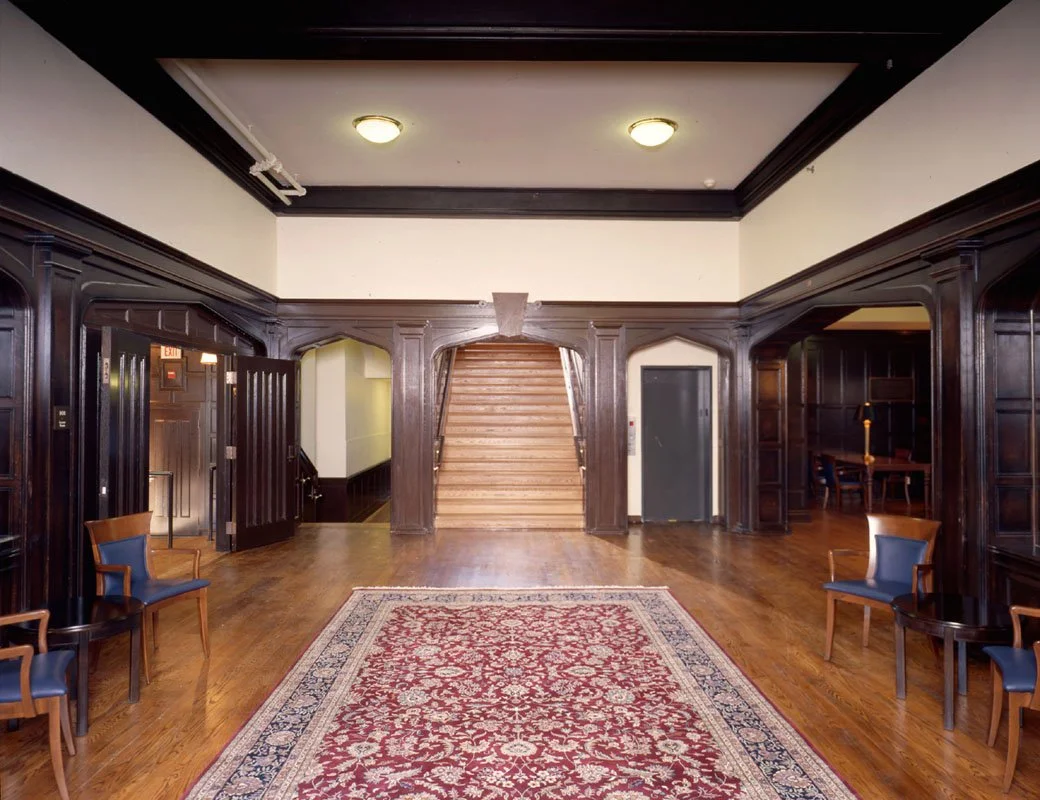
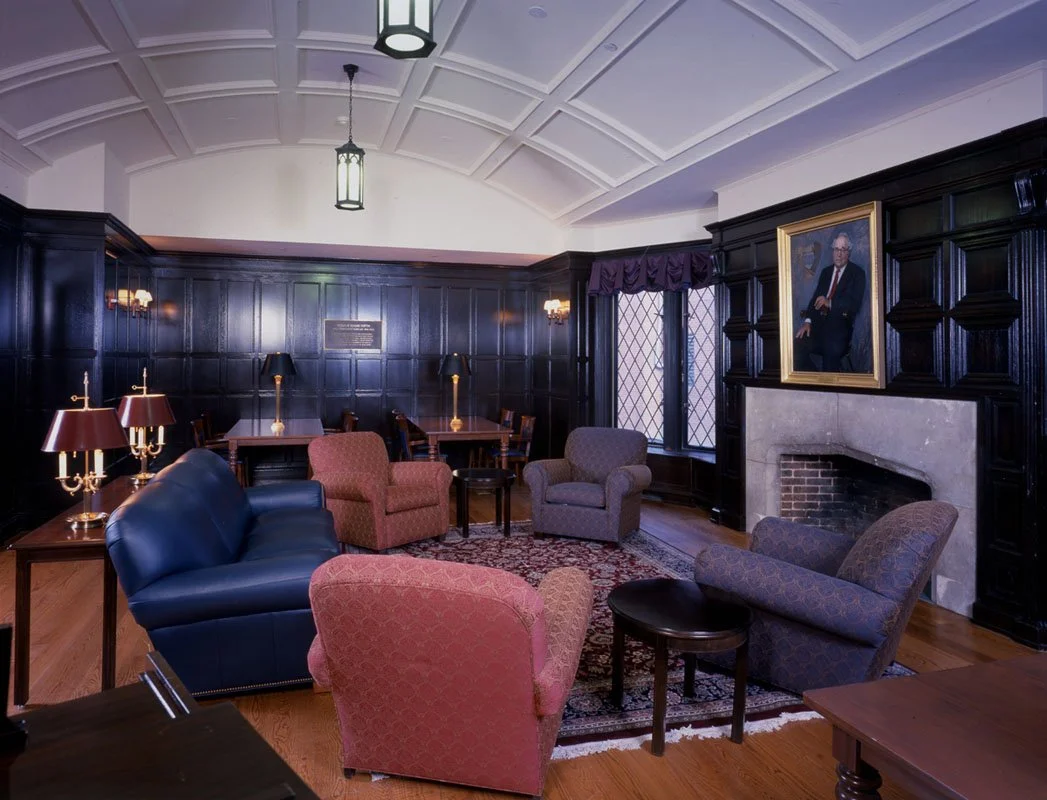
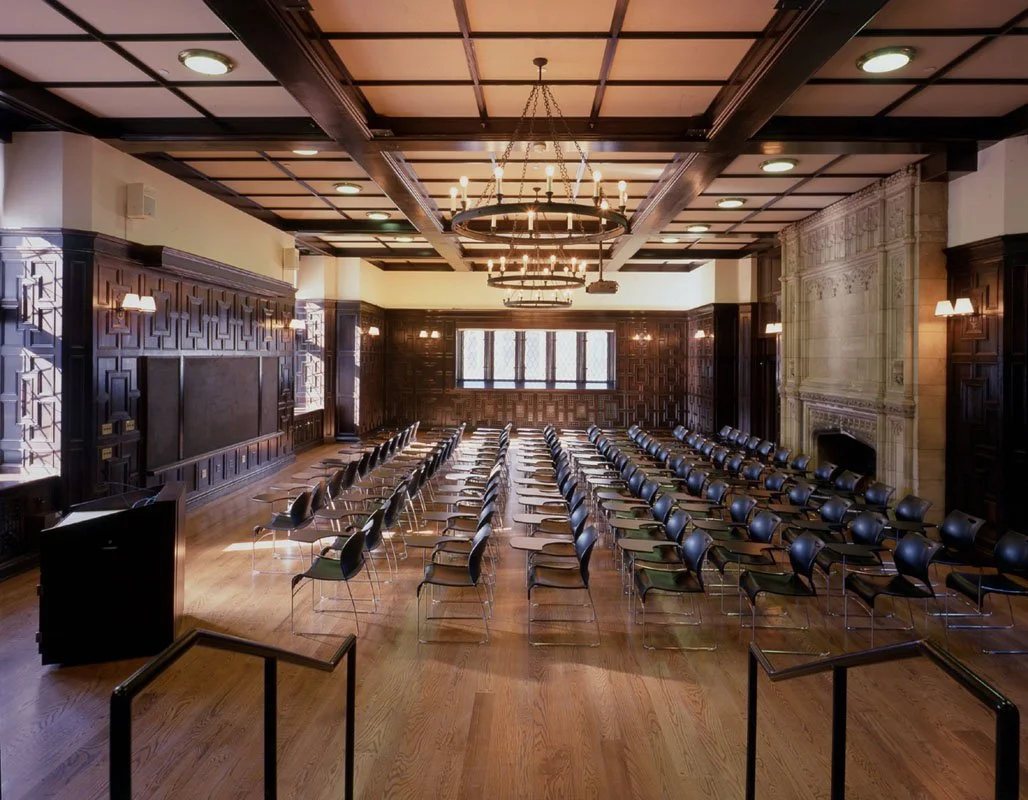
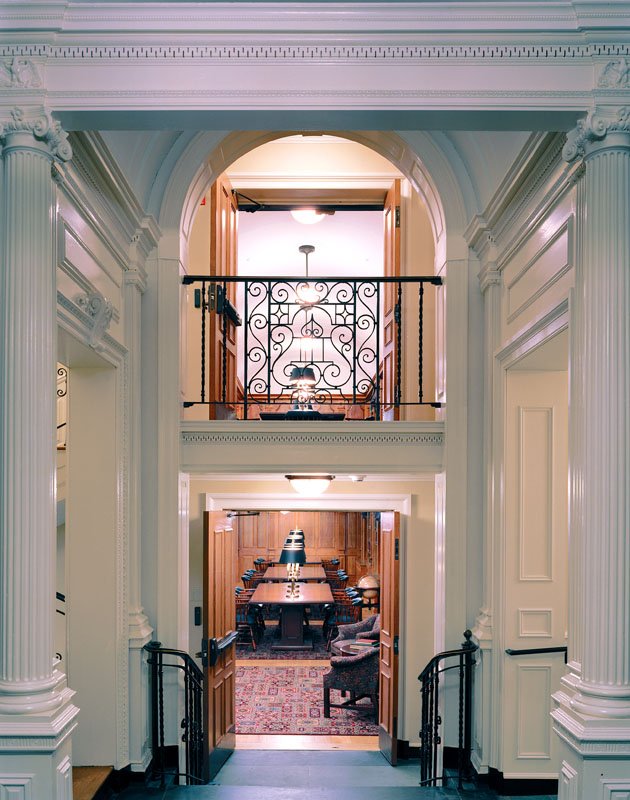
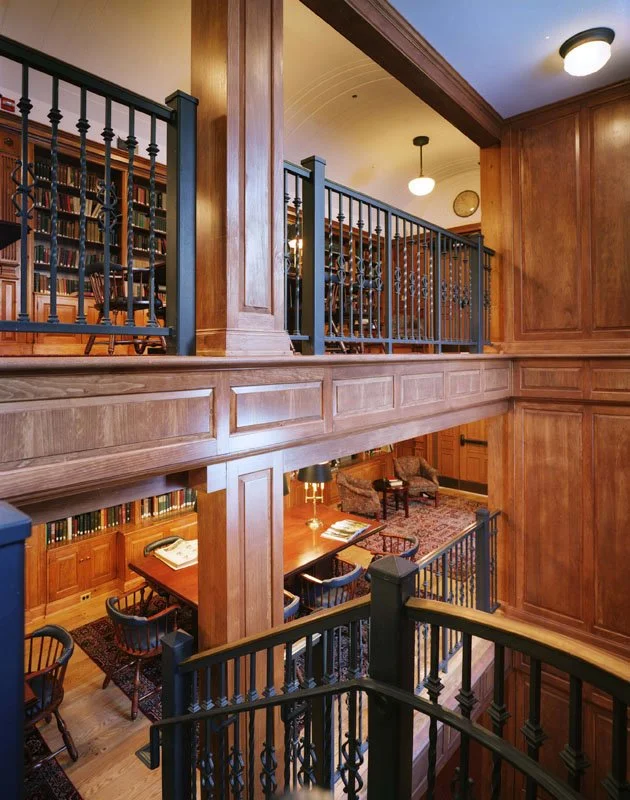
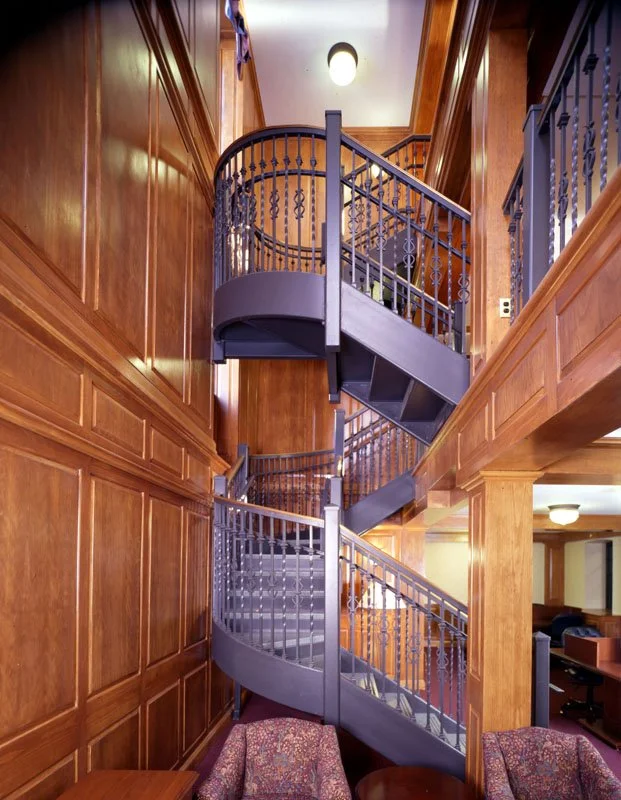
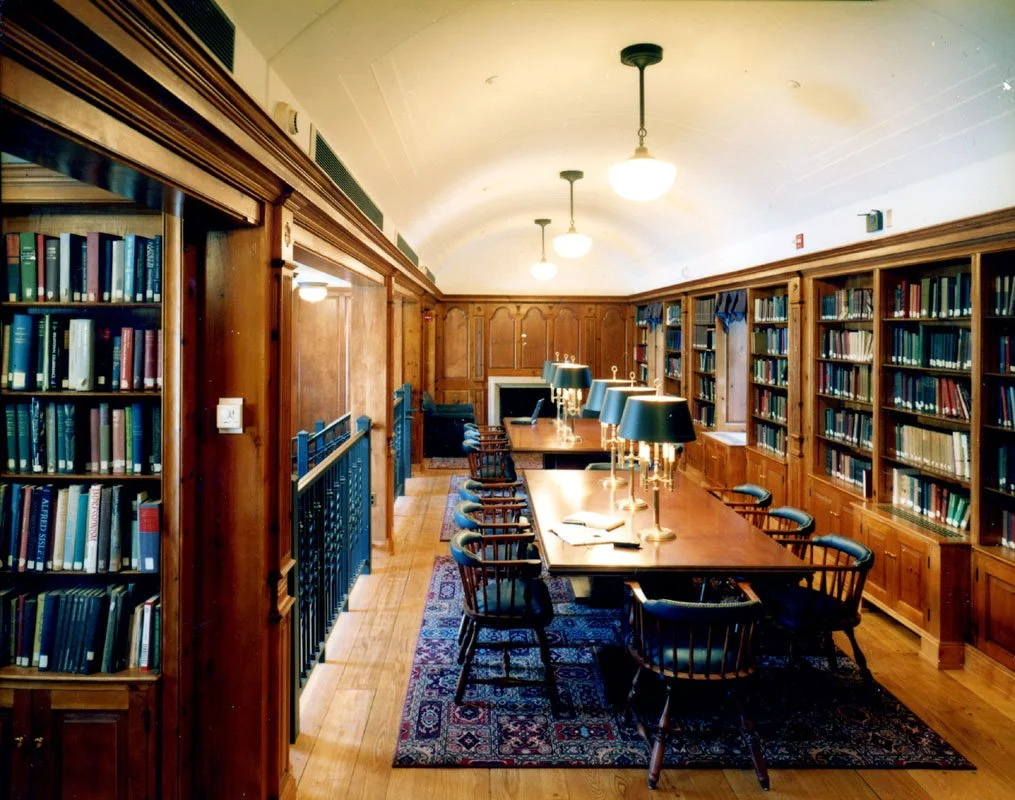
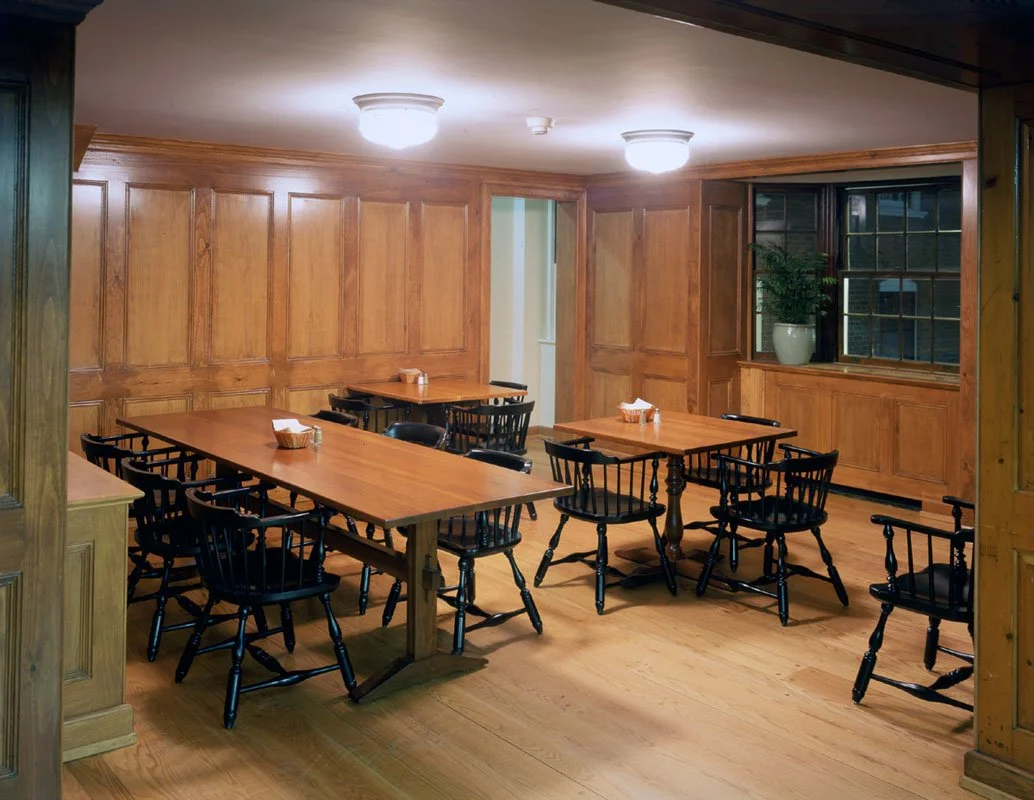
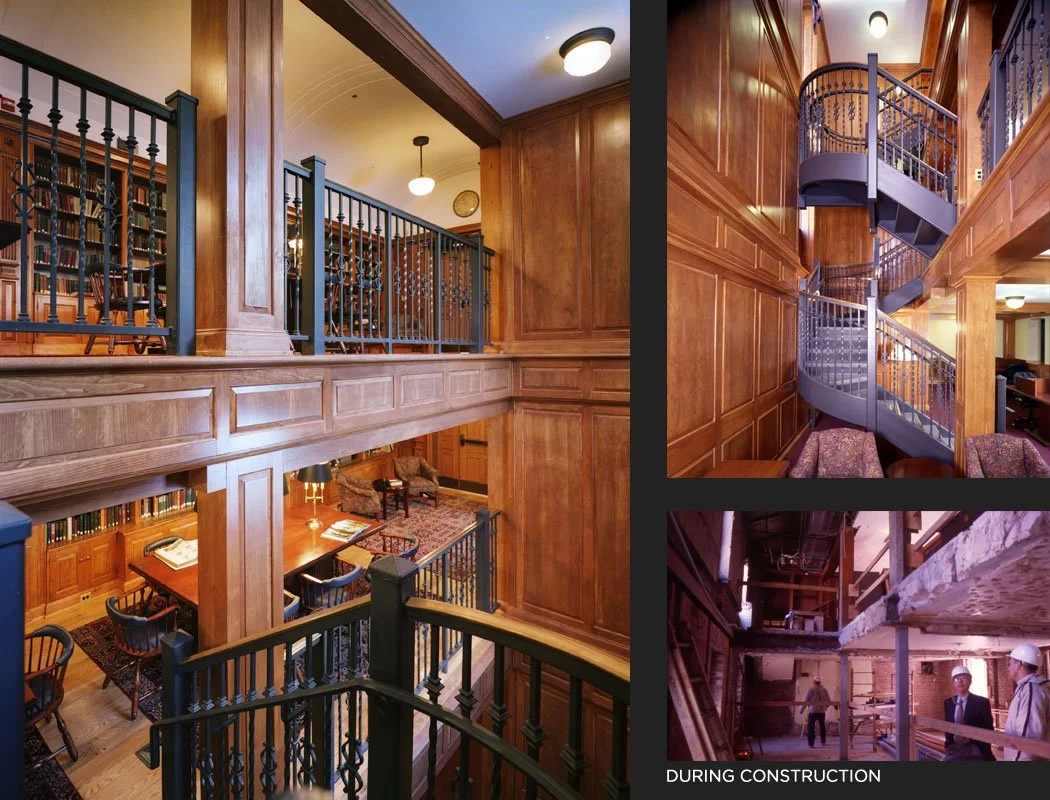
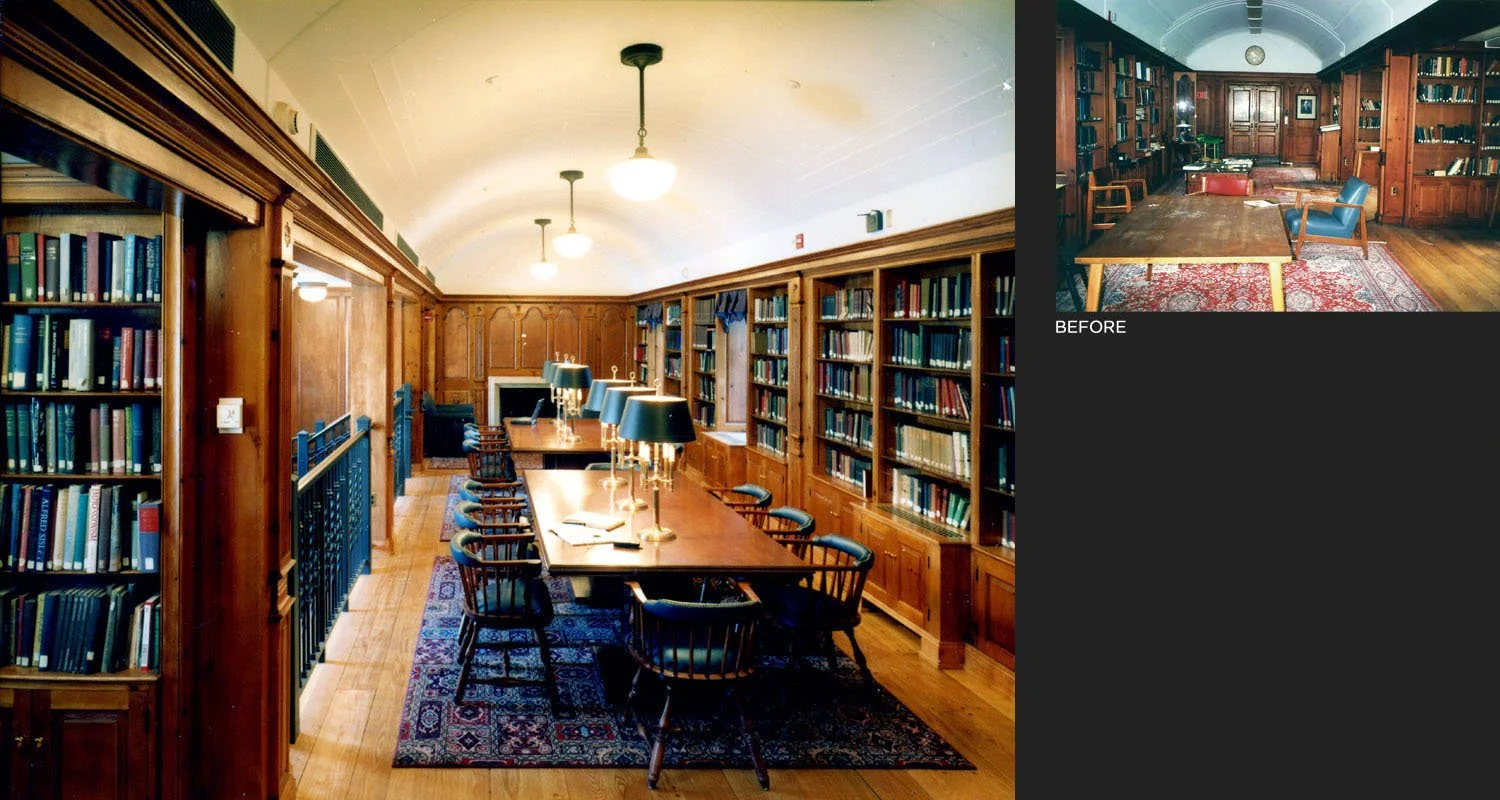
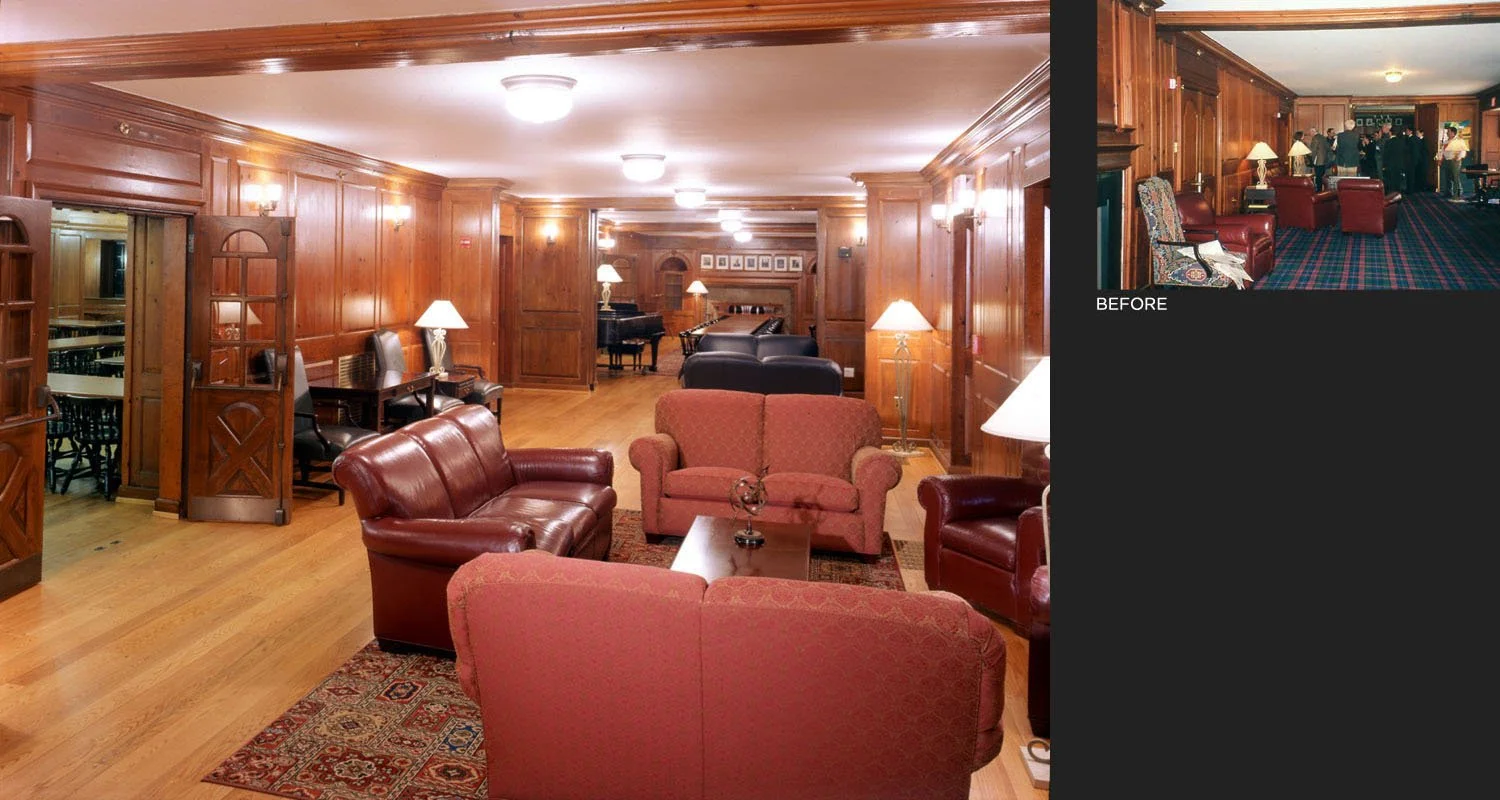
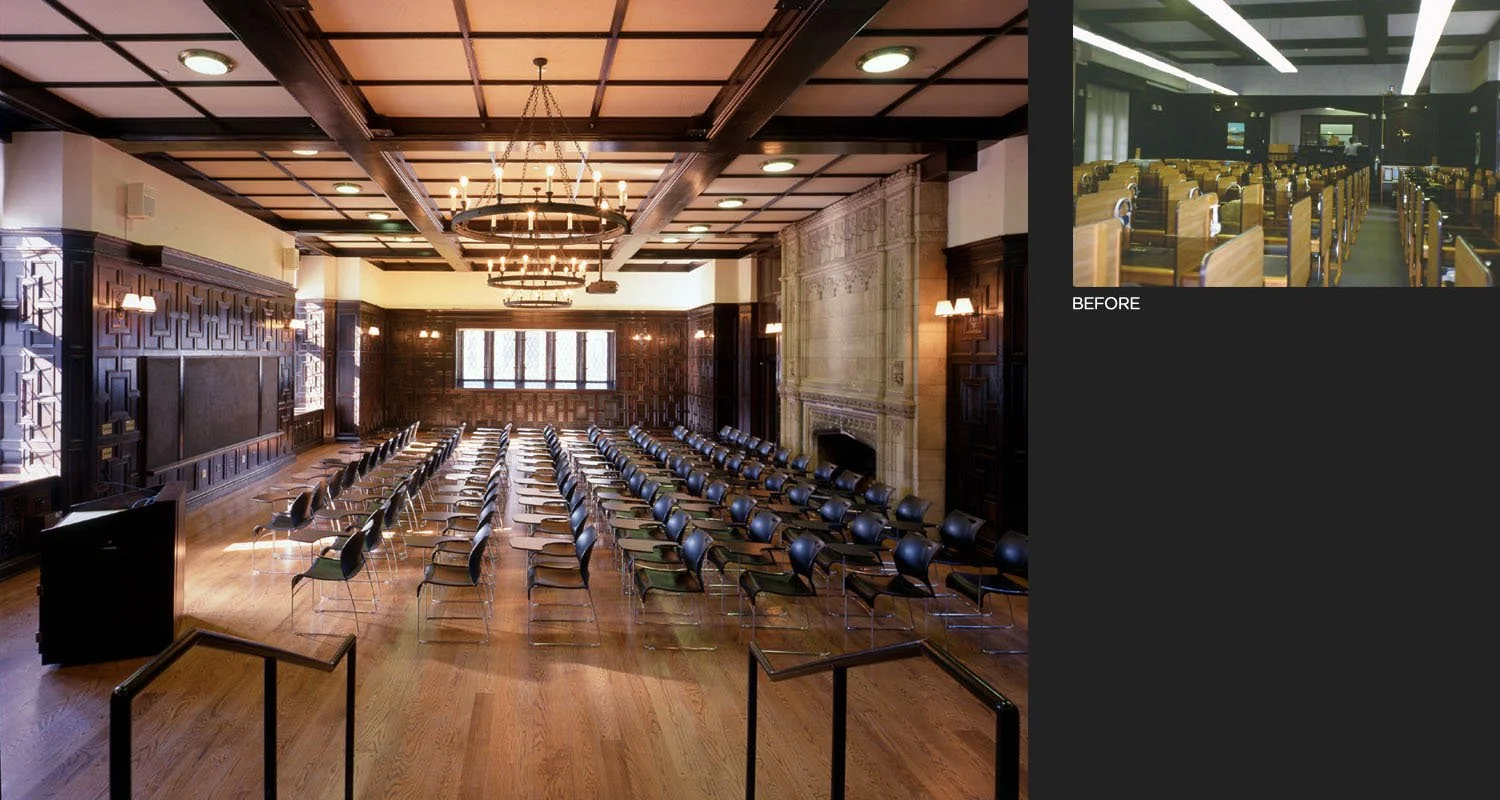
A new three-story library and ceremonial stair knit basement activity areas to restored common rooms and expanded dining facilities, creating clear vertical circulation. Interventions prioritize retaining the historic exterior fabric while inserting contemporary systems, accessibility, and adaptable living and study spaces.
project narrative
-
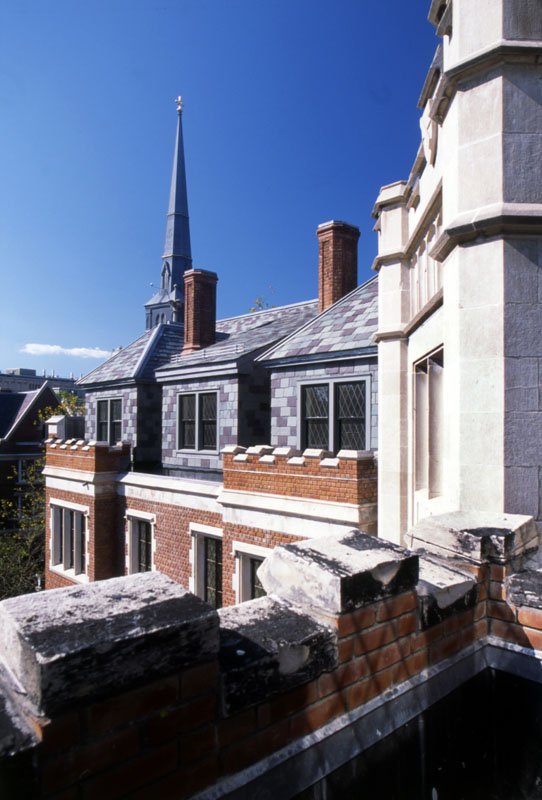
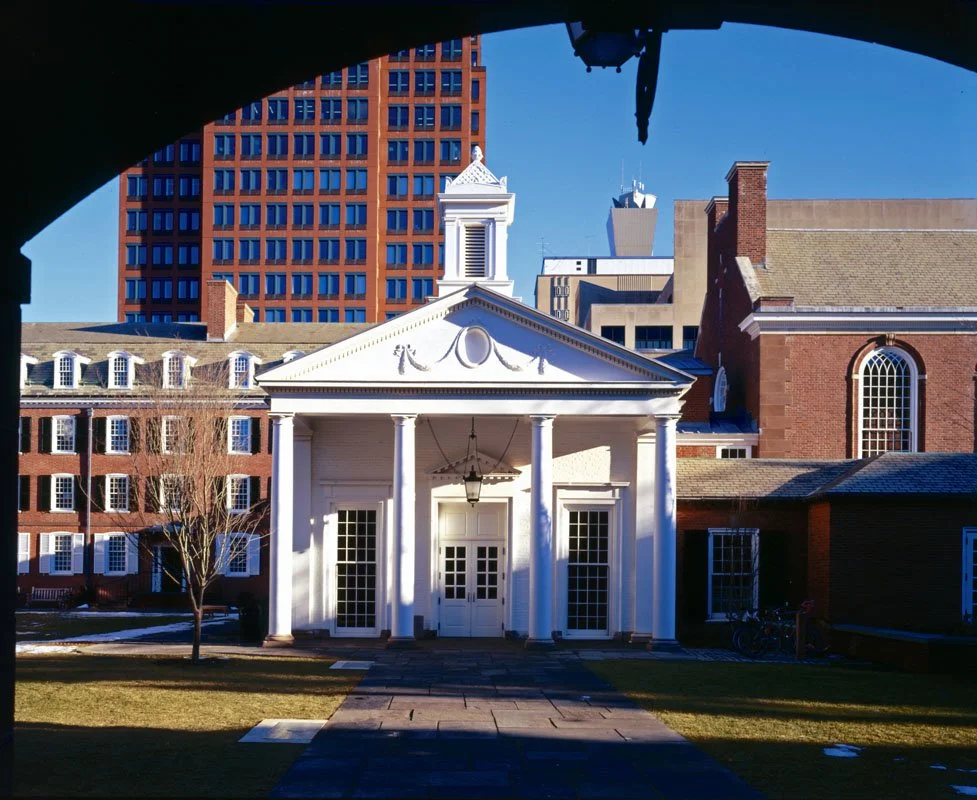
Timothy Dwight College comprises two historically and stylistically different buildings whose exteriors were to remain largely unchanged while interiors required comprehensive modernization.
To address this, the project needed to connect the Georgian complex and the Collegiate Gothic hall functionally, increase and reconfigure student housing, and replace every element of infrastructure.
Together these constraints required careful insertion of new circulation, accessibility, and program without compromising historic character.
-
The concept centers on making vertical connections legible and generous: a three-story library and ceremonial stair act as the organizing spine that links basement activity spaces, common rooms, and dining.
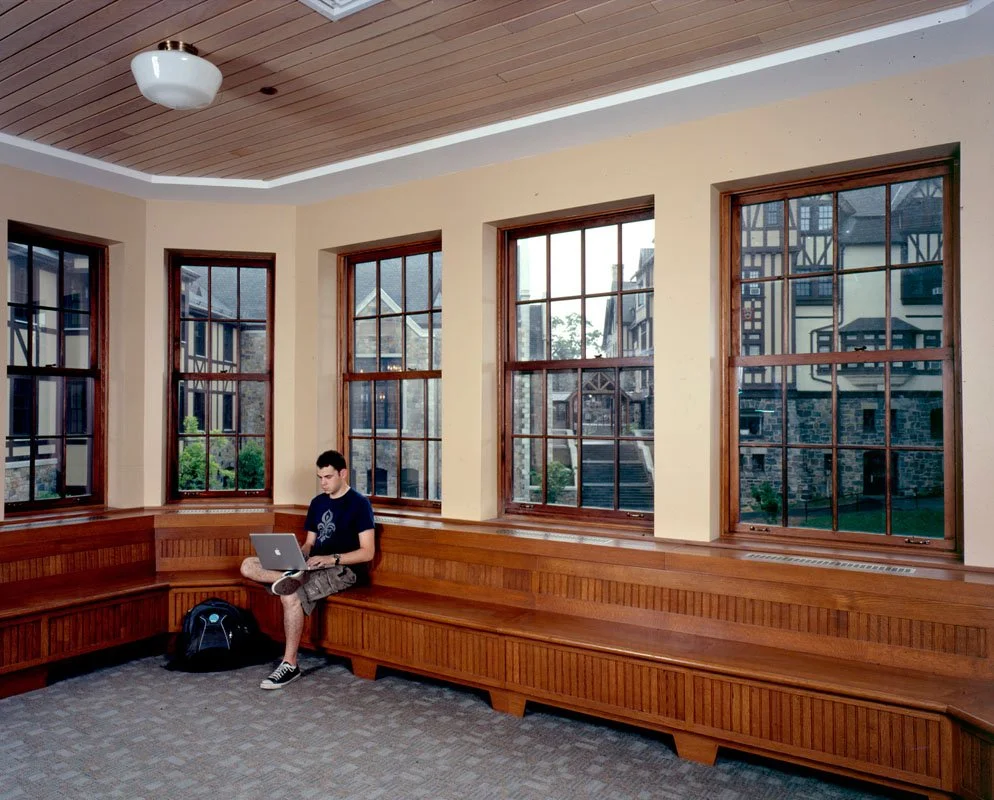
Building on this idea, new openings and restored interiors emphasize sequence, daylight, and clear circulation while preserving the exterior composition.
This strategy reinforces social life by aligning informal gathering spaces around a central, visible core.
-
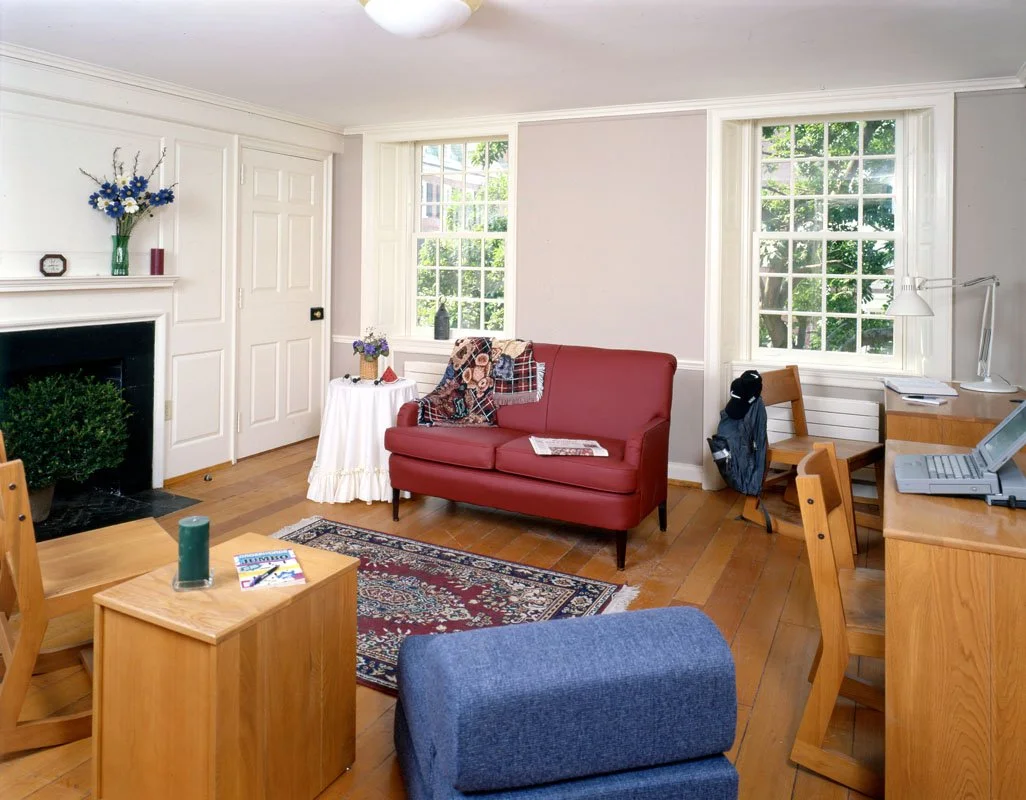
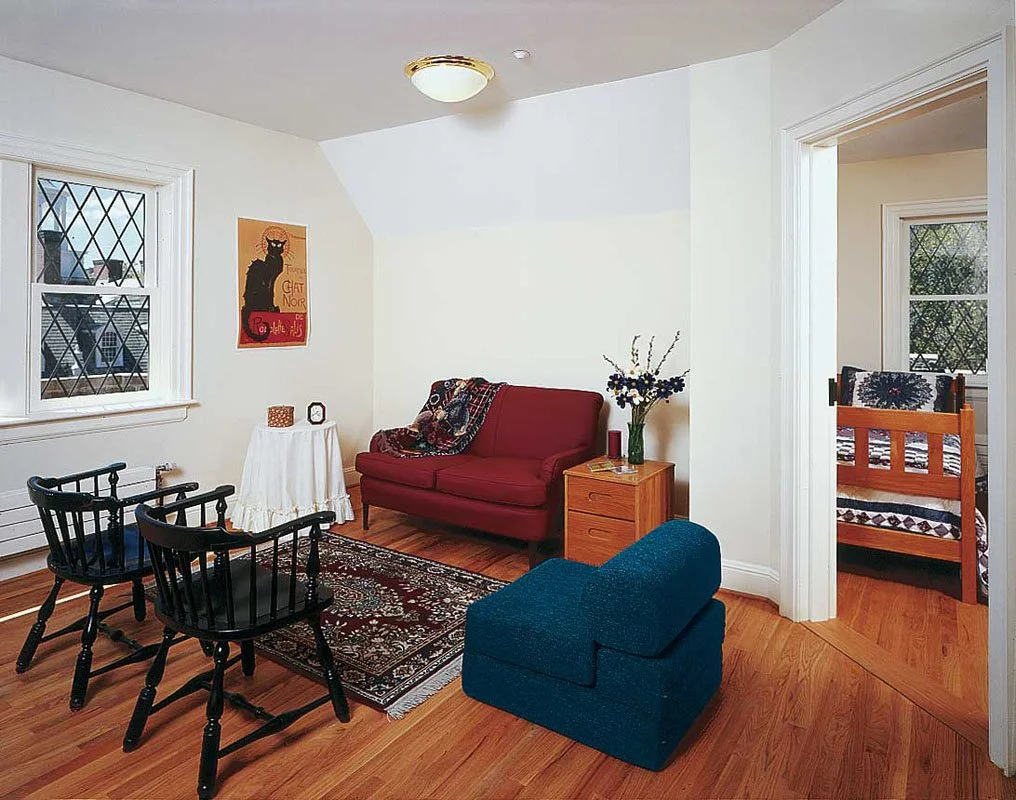
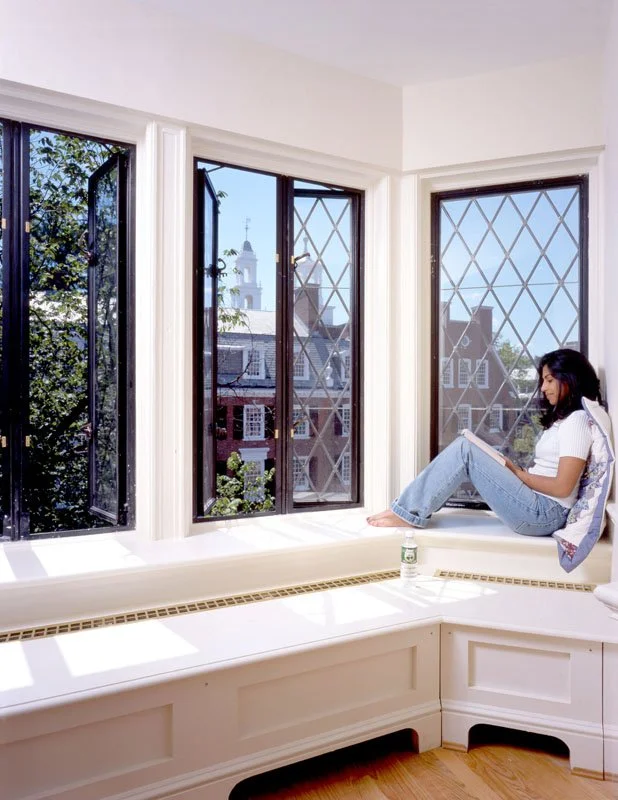
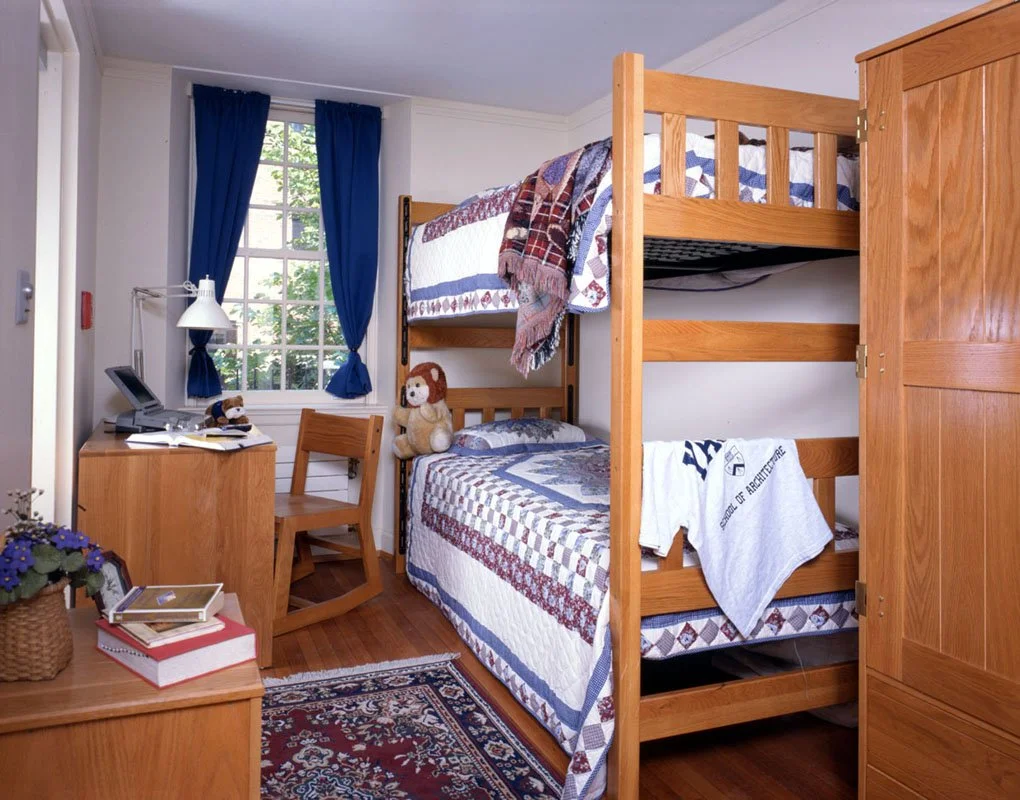
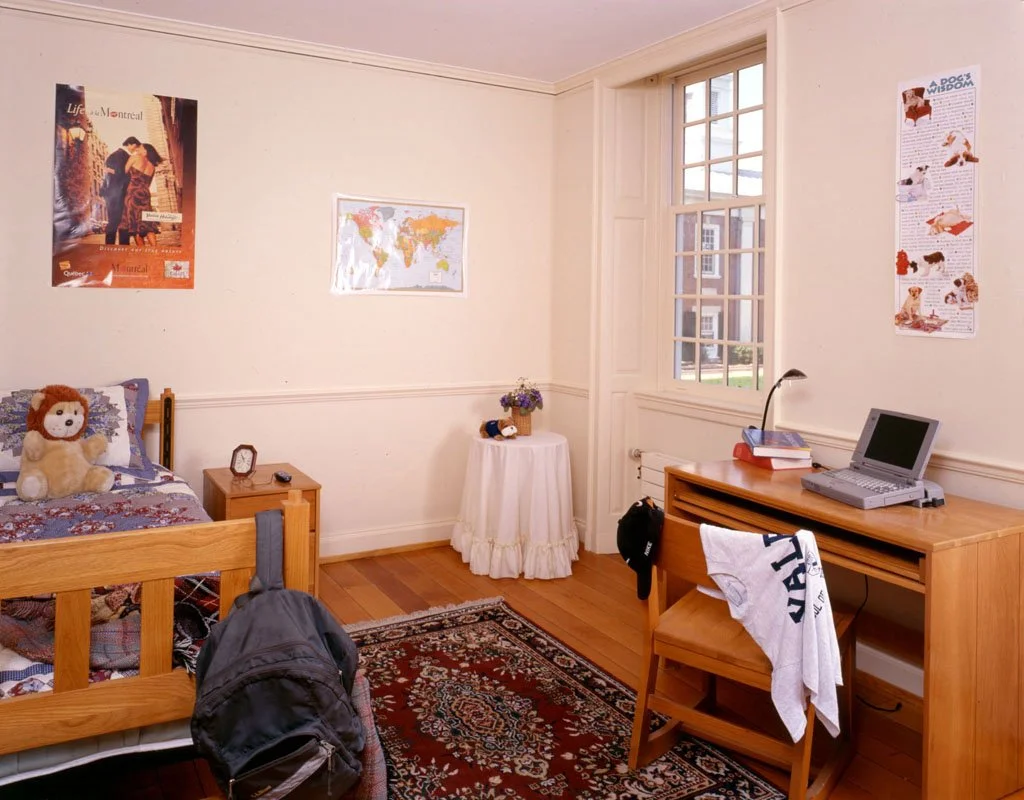
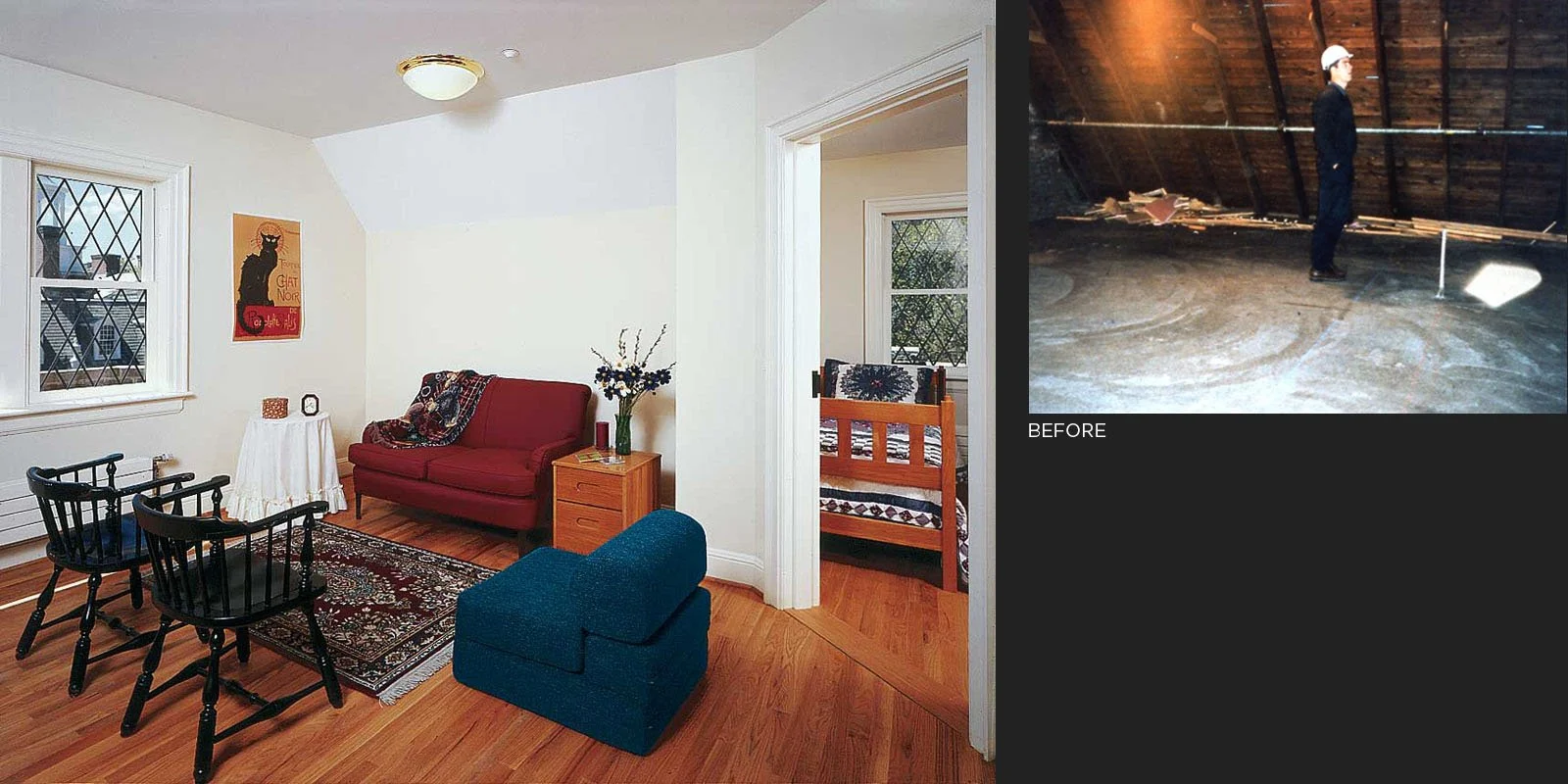
We reorganized and reconstructed student rooms and bathrooms, transformed attic space with dormers to create additional housing, and reconfigured primary floors for updated activity and academic uses.
Fire stairs and a new elevator were added to provide accessibility, while full replacement of MEP and communications infrastructure ensured long-term performance.
Exterior interventions were restrained to honor historic fabric while interiors were reworked for contemporary student life.
project outcome
Circulation reads as a clear vertical sequence, with a central core that connects basement activity spaces, common rooms, and dining. Stair and elevator access clarifies movement between levels and supports efficient daily routing. Corridors accommodate predictable flows during peak periods.
Daylight and restored openings reinforce visual continuity across floors and improve orientation within shared spaces. Common rooms and dining areas enjoy increased visibility and human-scaled proportions that support gathering and passing use.
Reconfigured housing units, added attic rooms, and updated bathrooms accommodate varied living patterns and short-term changes in occupancy. Comprehensive infrastructure upgrades support long-term performance and simplify maintenance, reinforcing the building’s adaptability.
let’s continue the conversation
Every project begins with listening. If you’re considering a new campus, building, or landscape, we’d welcome the chance to talk through your goals, challenges, and aspirations. Our team works collaboratively to shape places that feel grounded, connected, and built to serve people well over time.