concordia college
bronxville, ny
33 acres
feasibility study, renovation, transformation, landscape
2009, American School & University
Outstanding Design
awards
a campus-focused transformation that expands academic and social life through adaptive renovation.
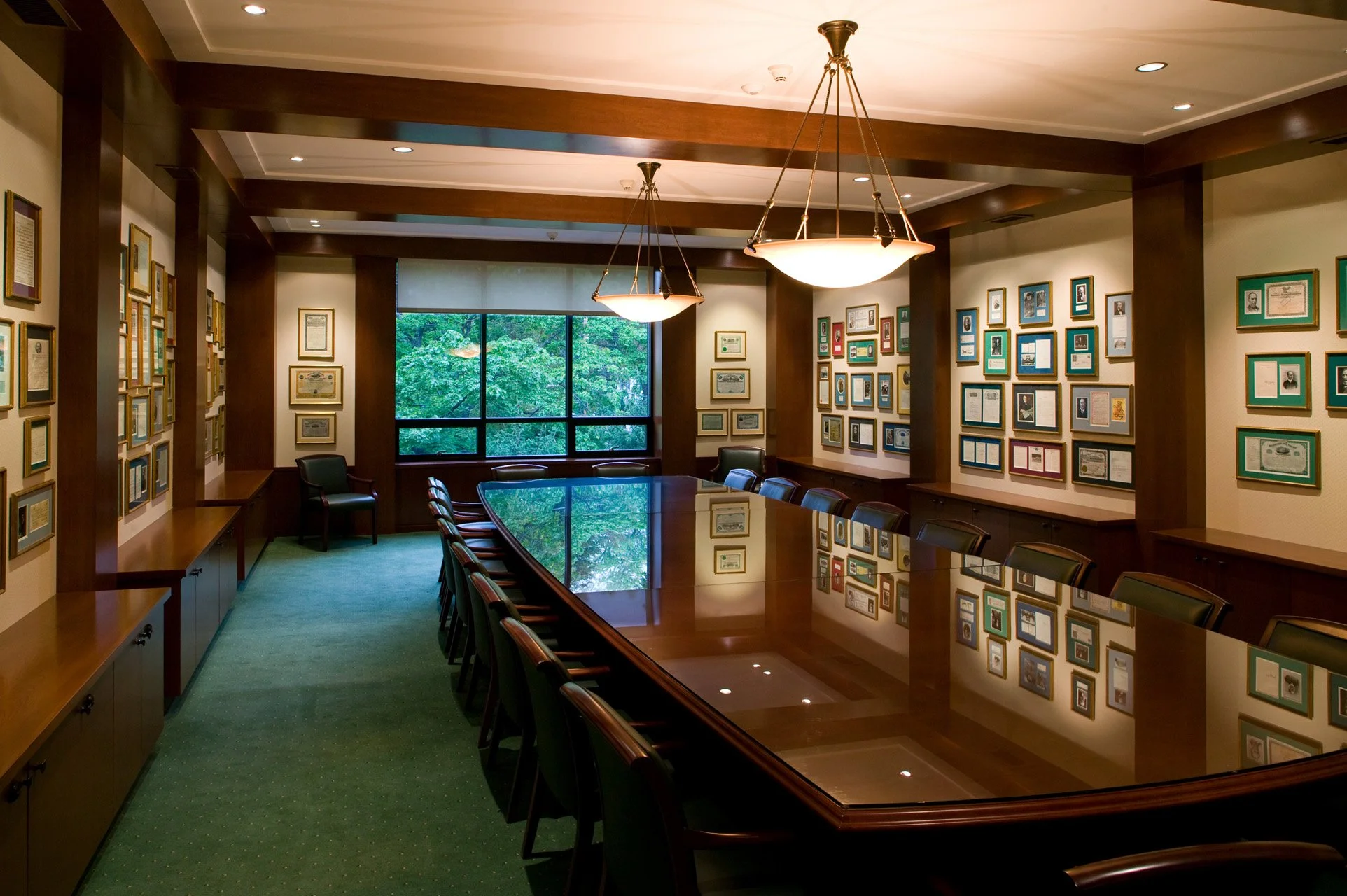
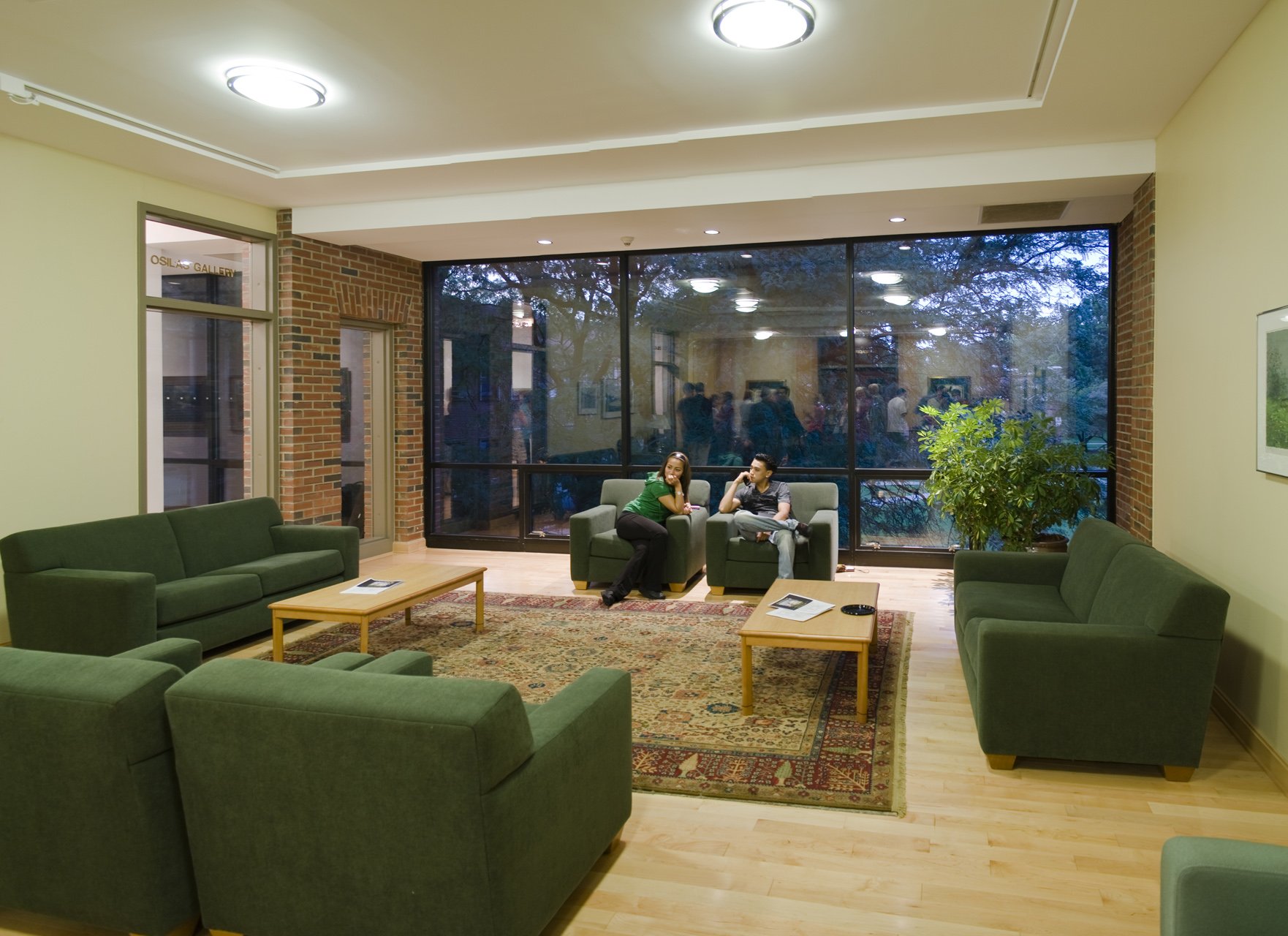
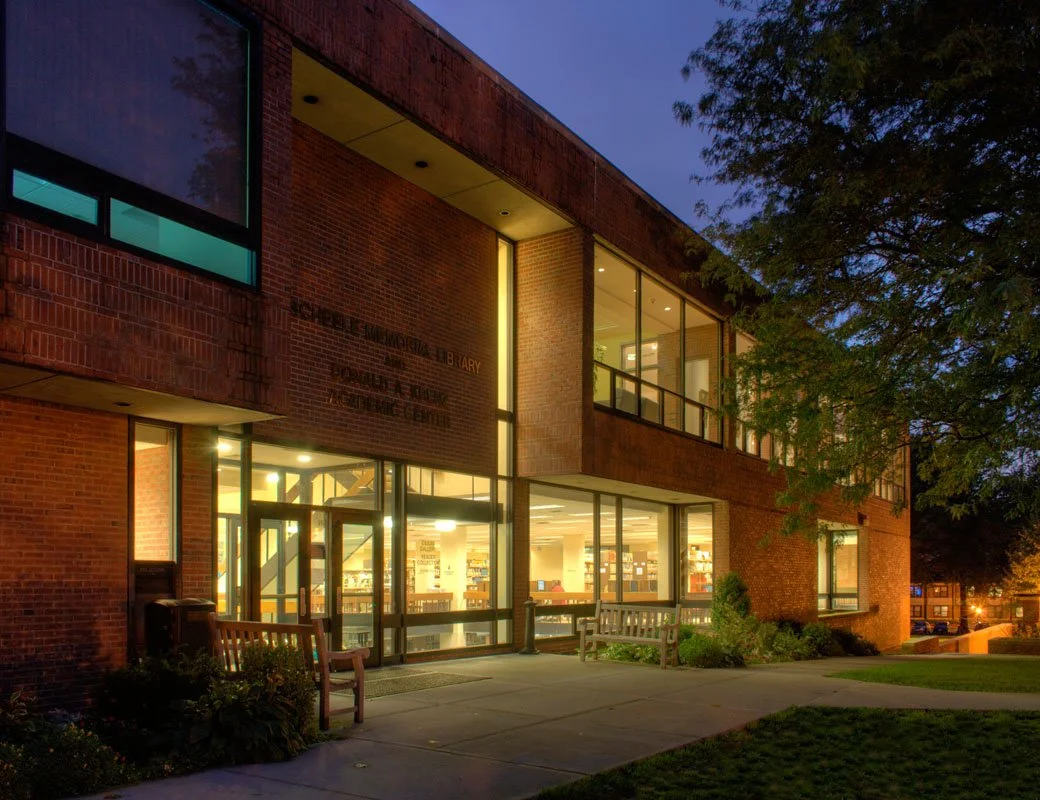
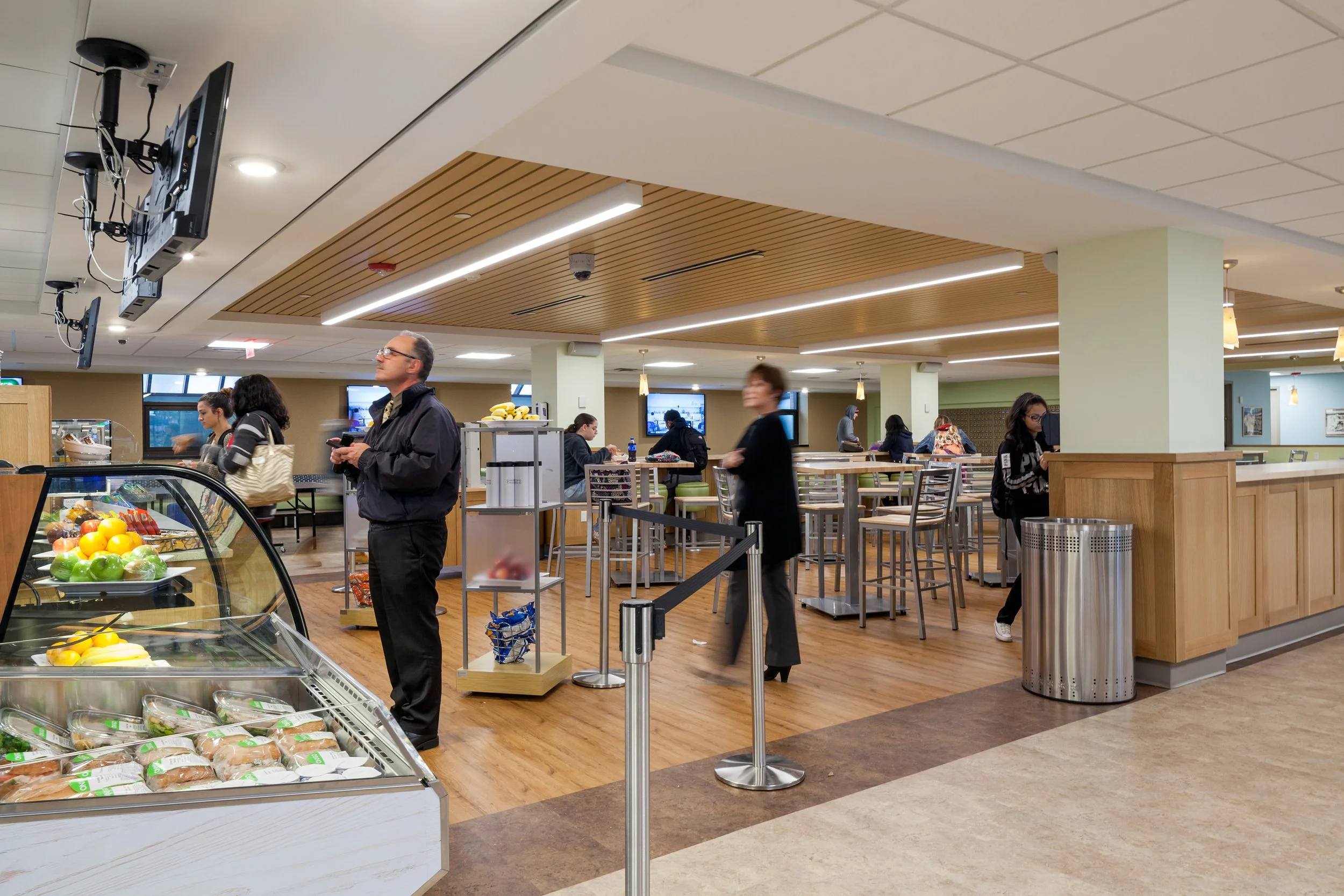
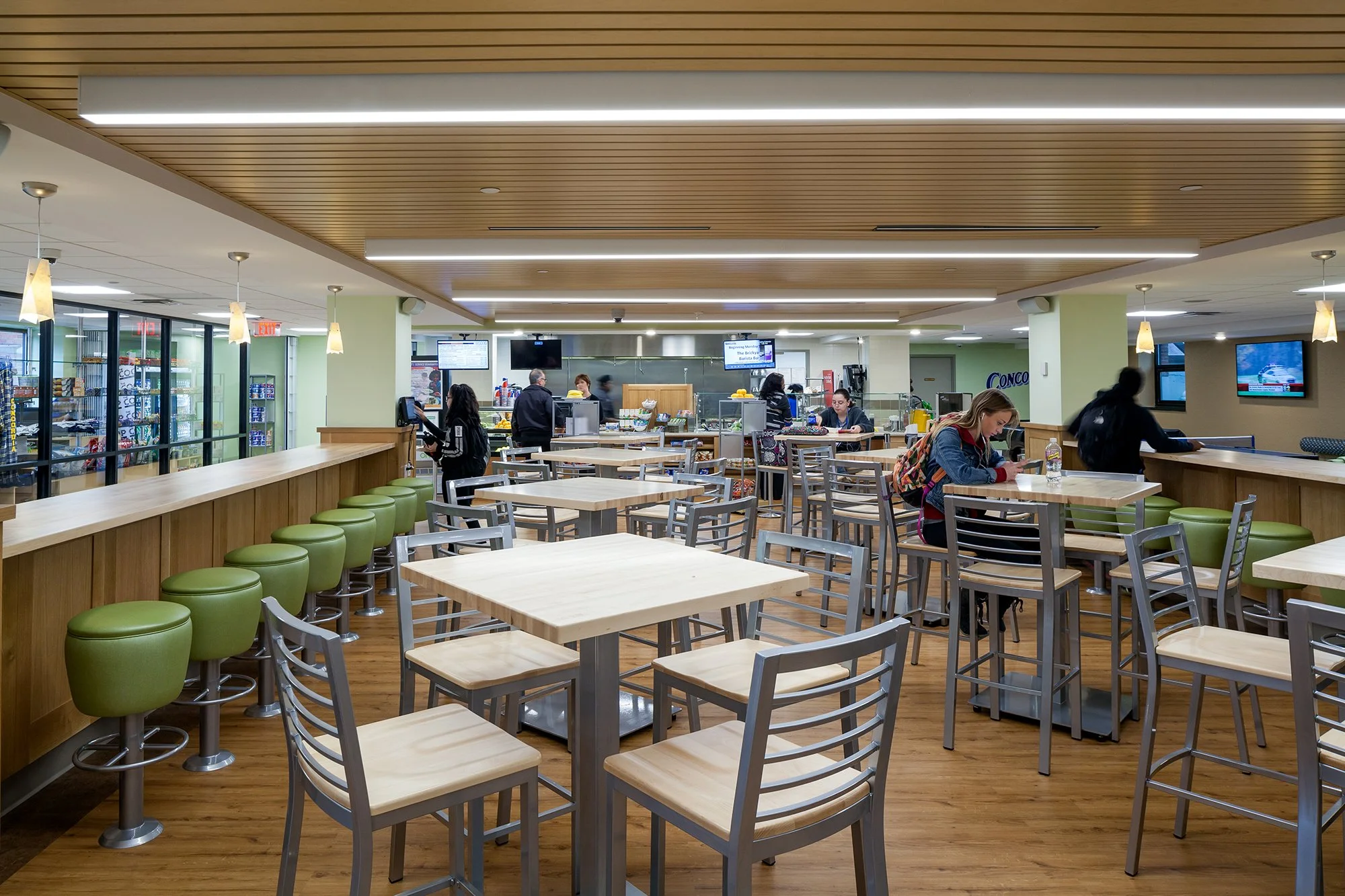
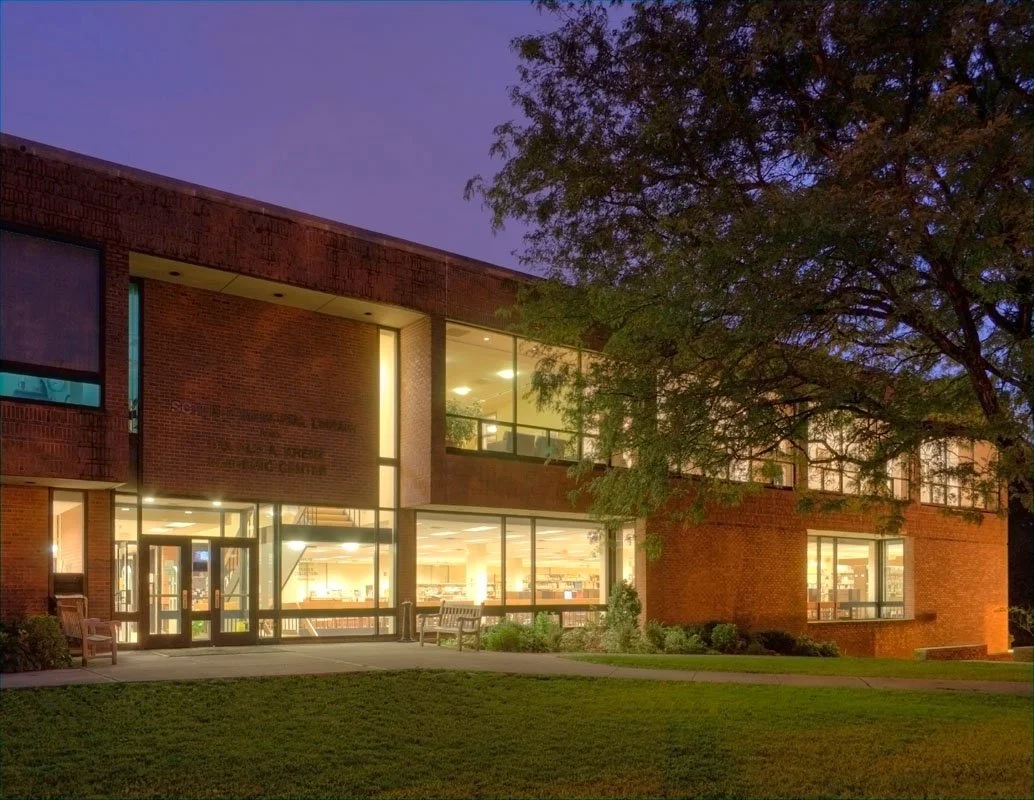
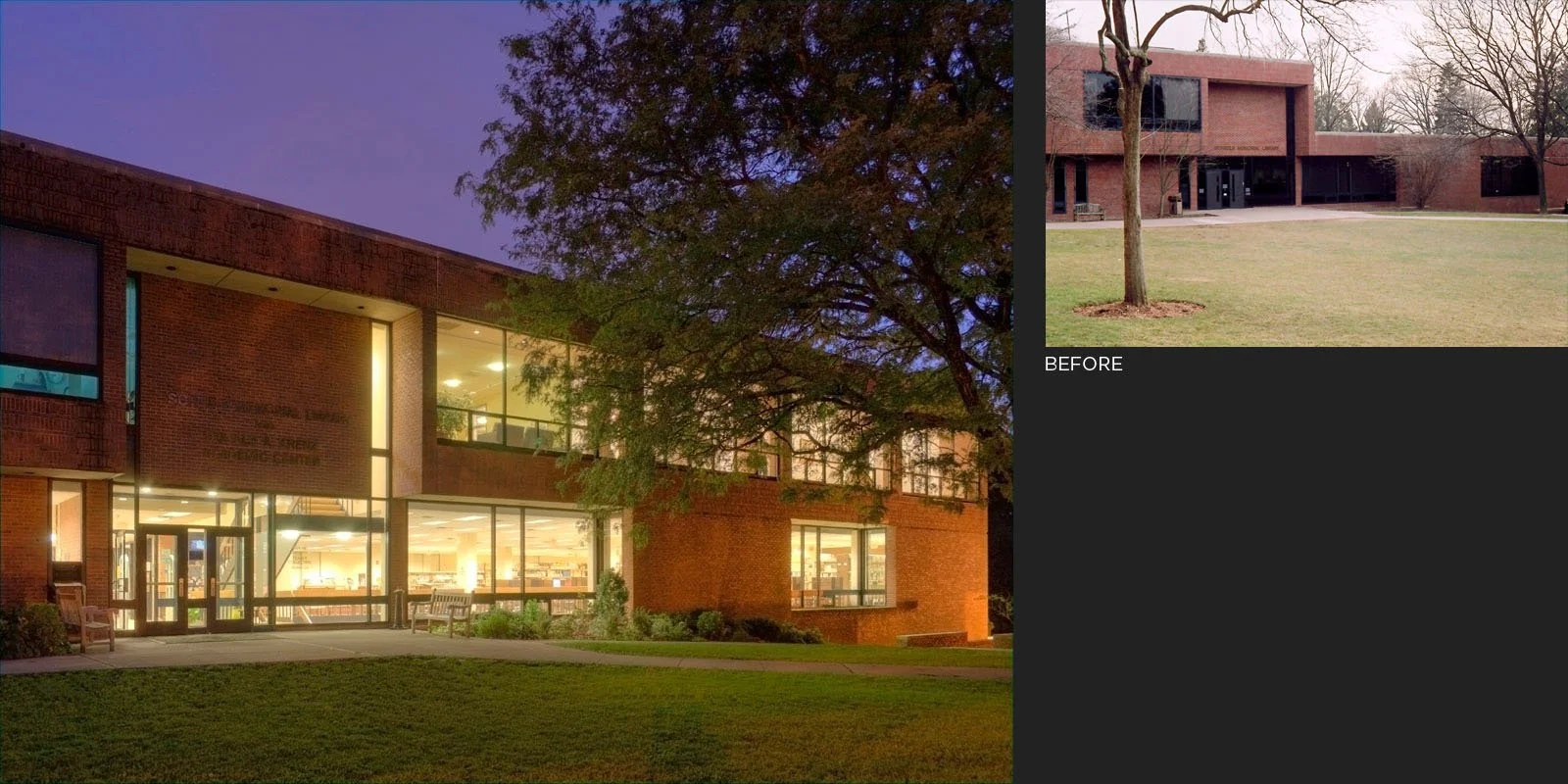
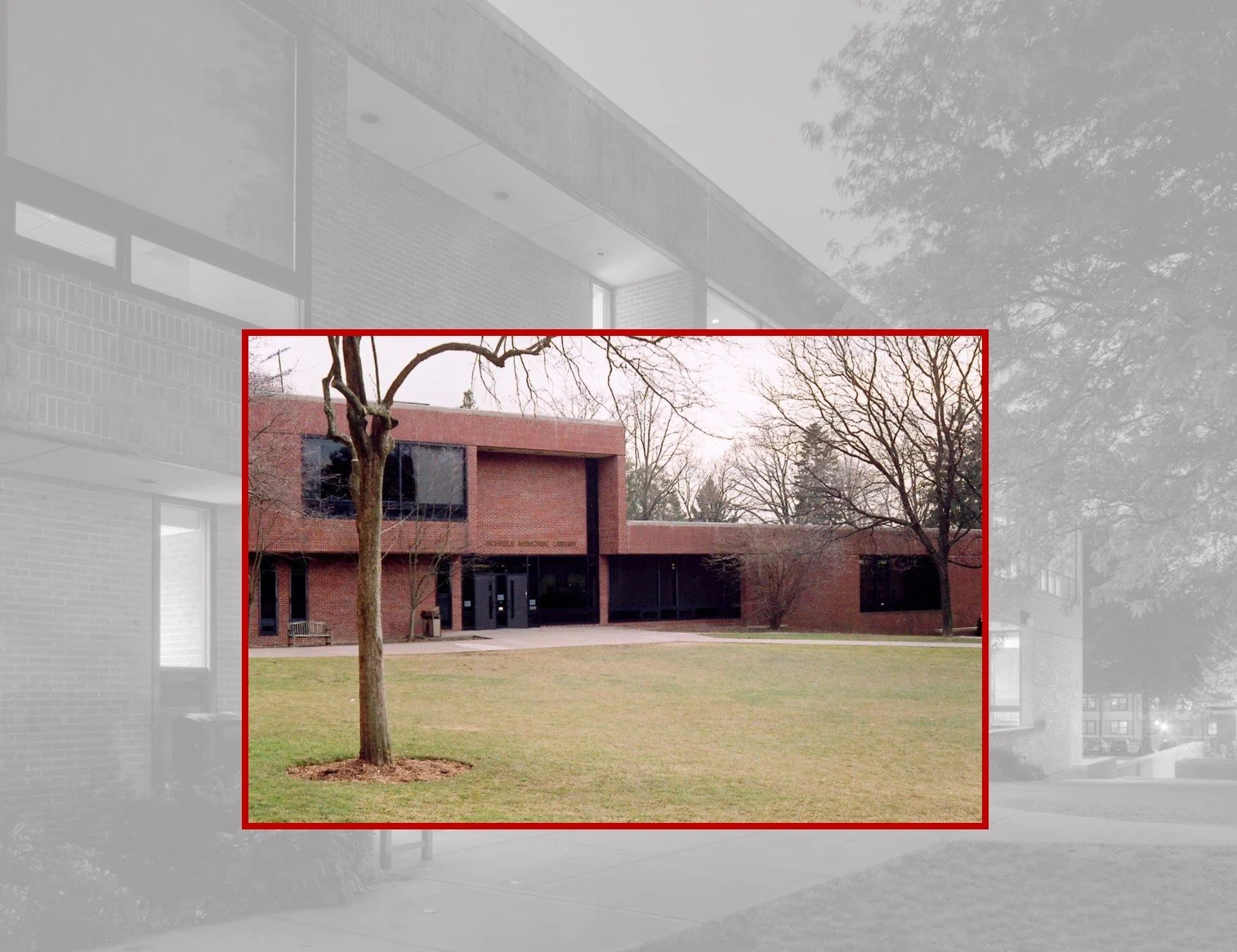
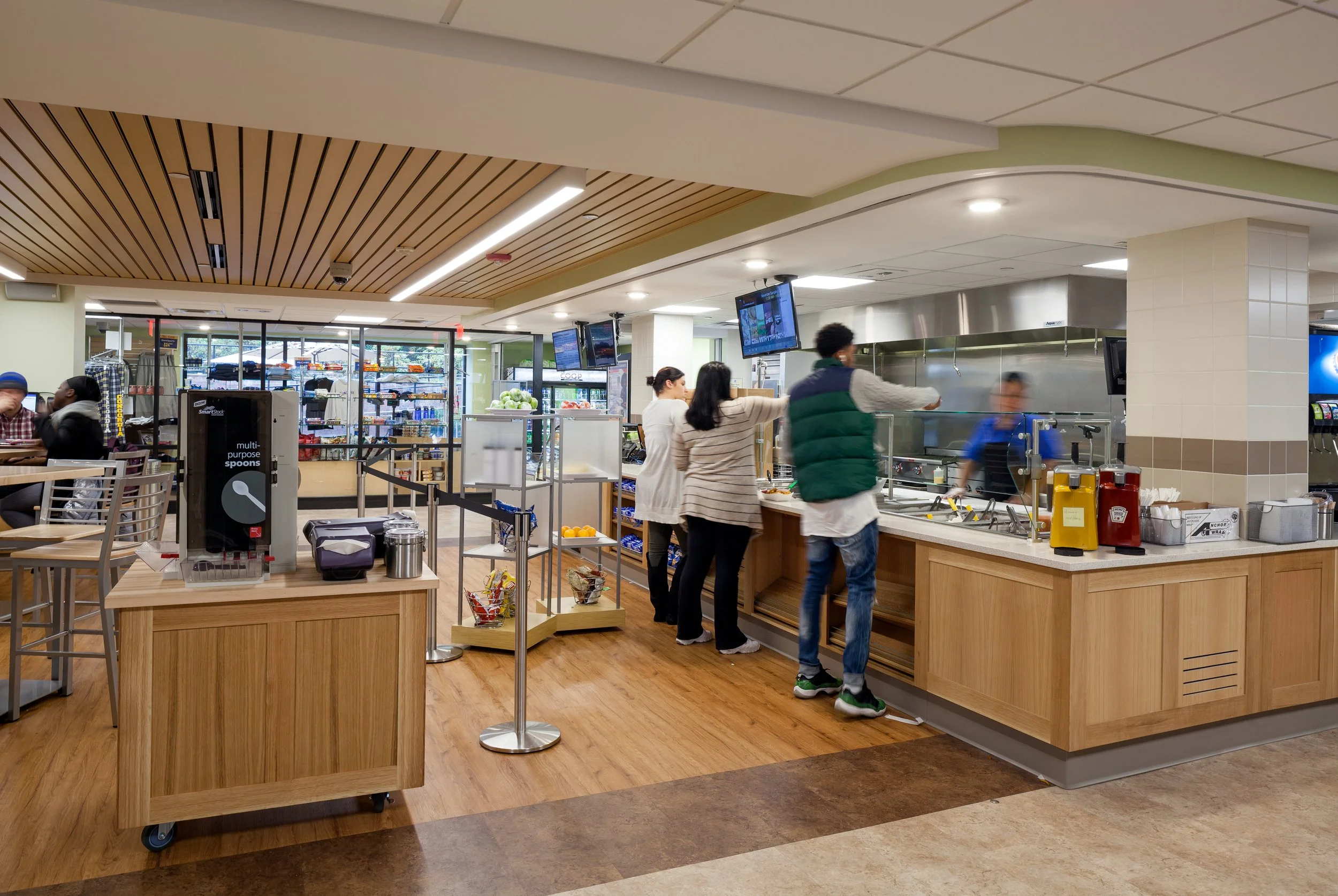
Concordia College is a small liberal arts Lutheran college on a 33-acre campus in Bronxville serving a student body of roughly 1,500. Work since 2001 has incrementally reshaped campus life. Projects include the Krenz Academic Center within the existing Scheele Library and the renovation of Schoenfeld Hall into a campus cafe and lounge.
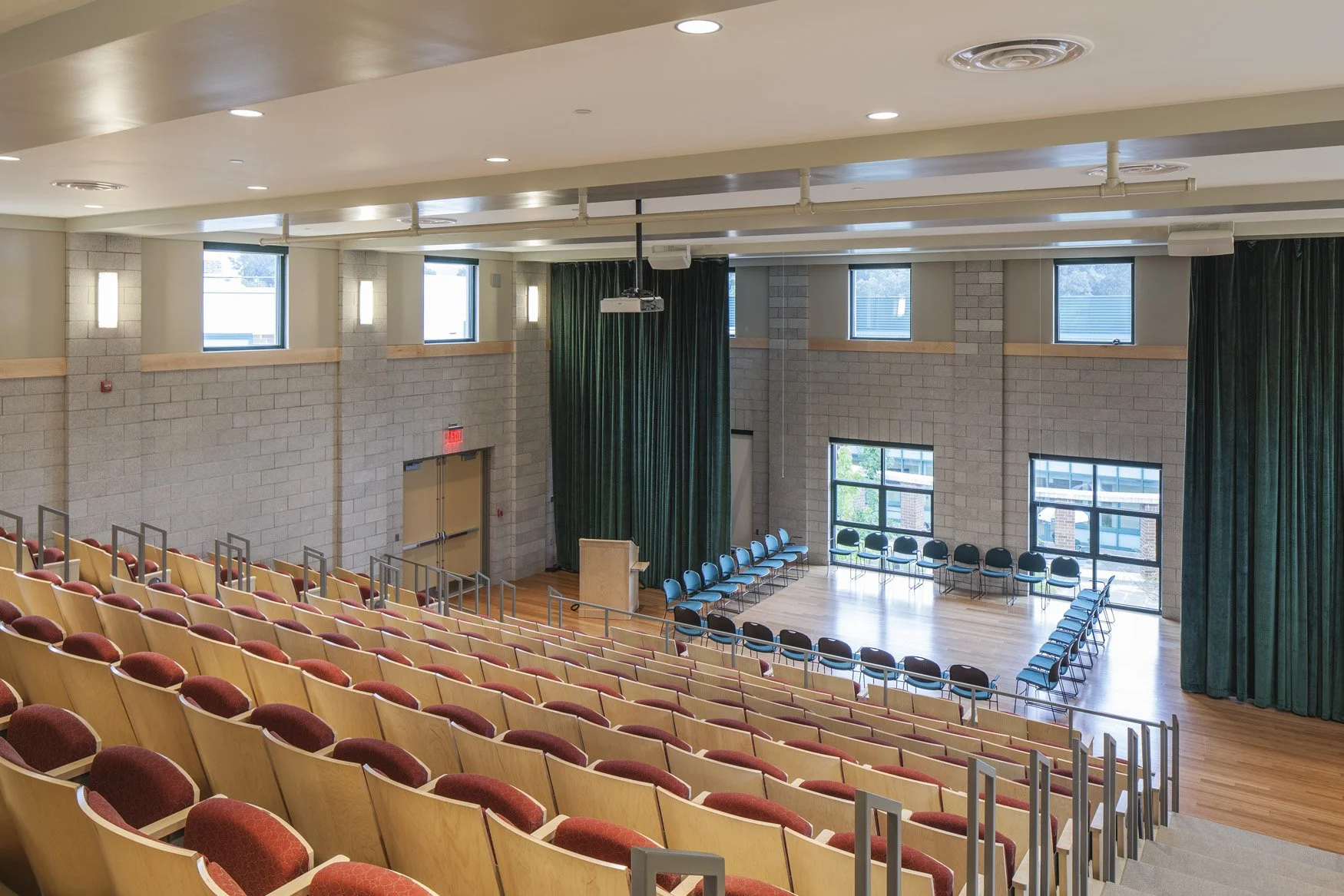
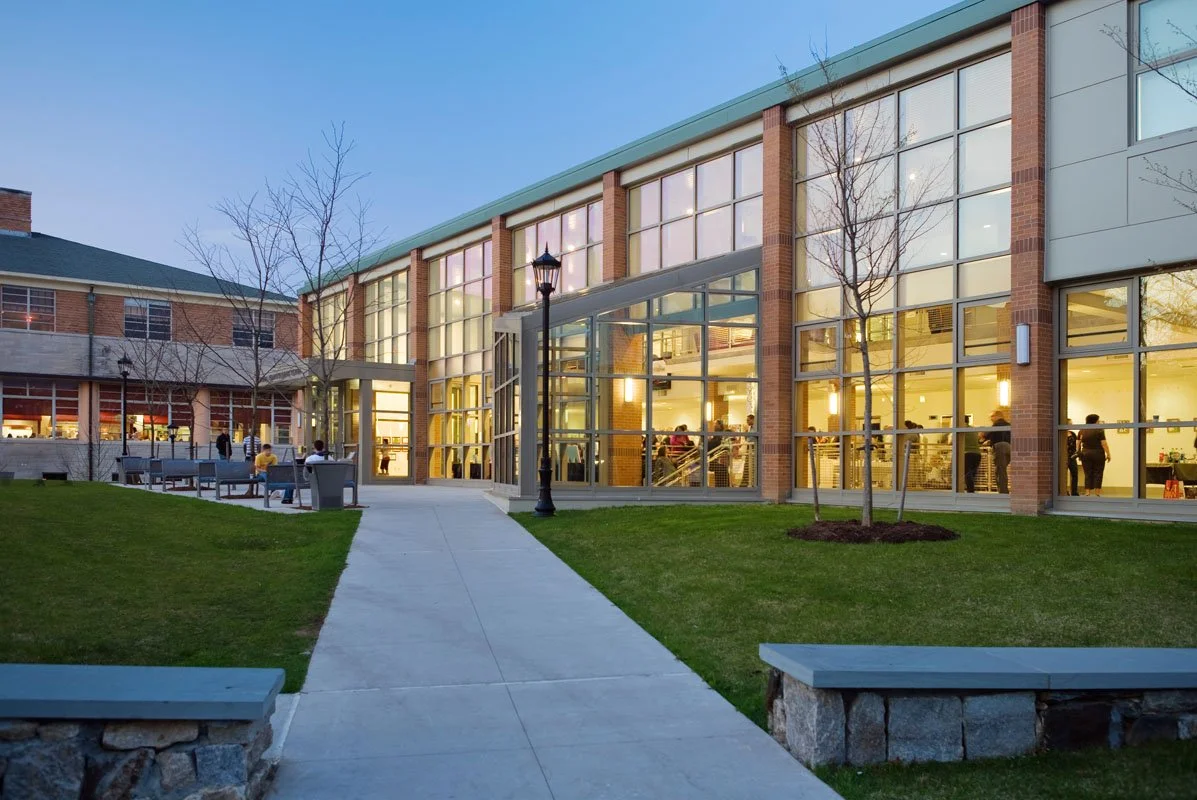
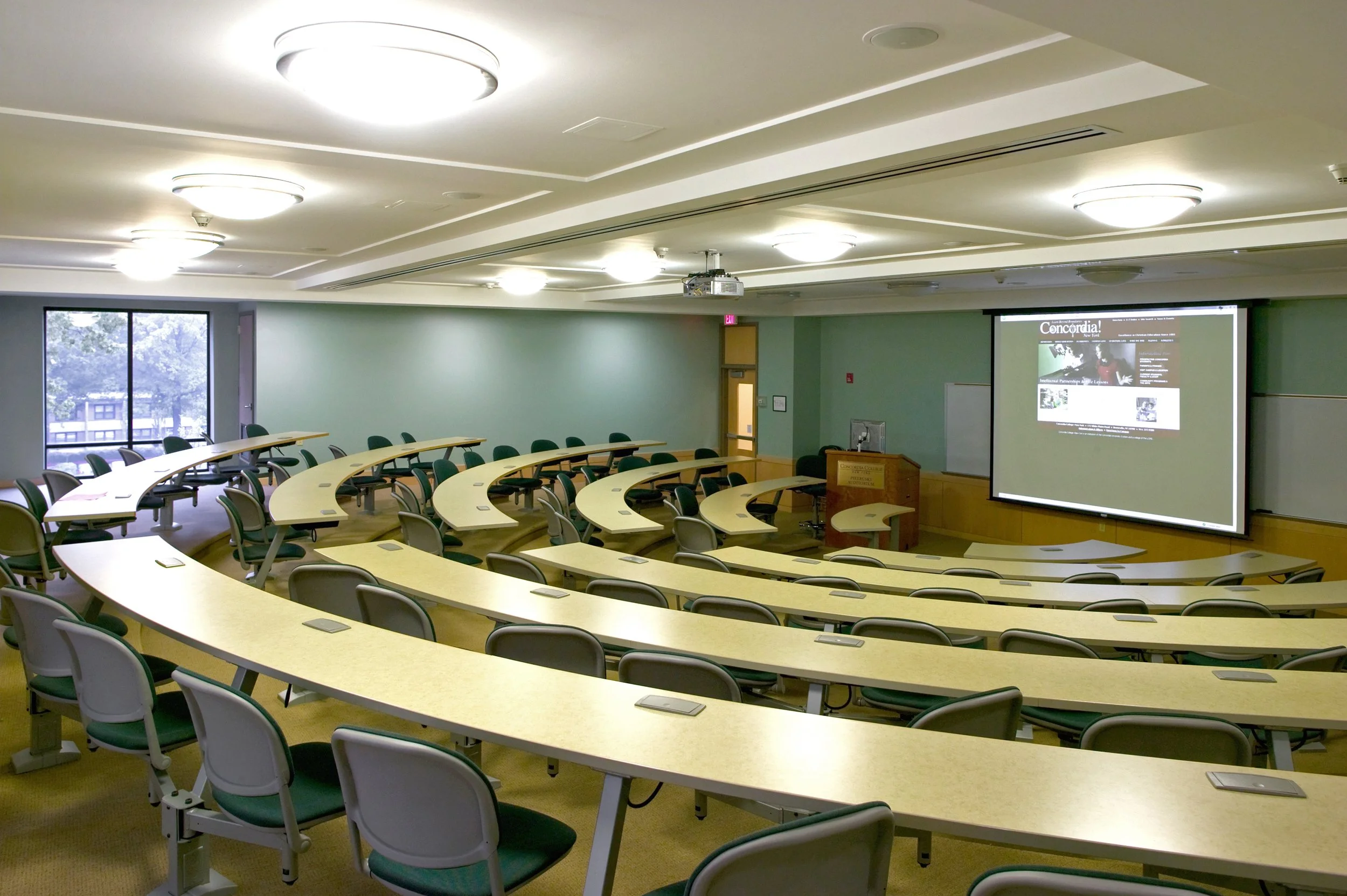
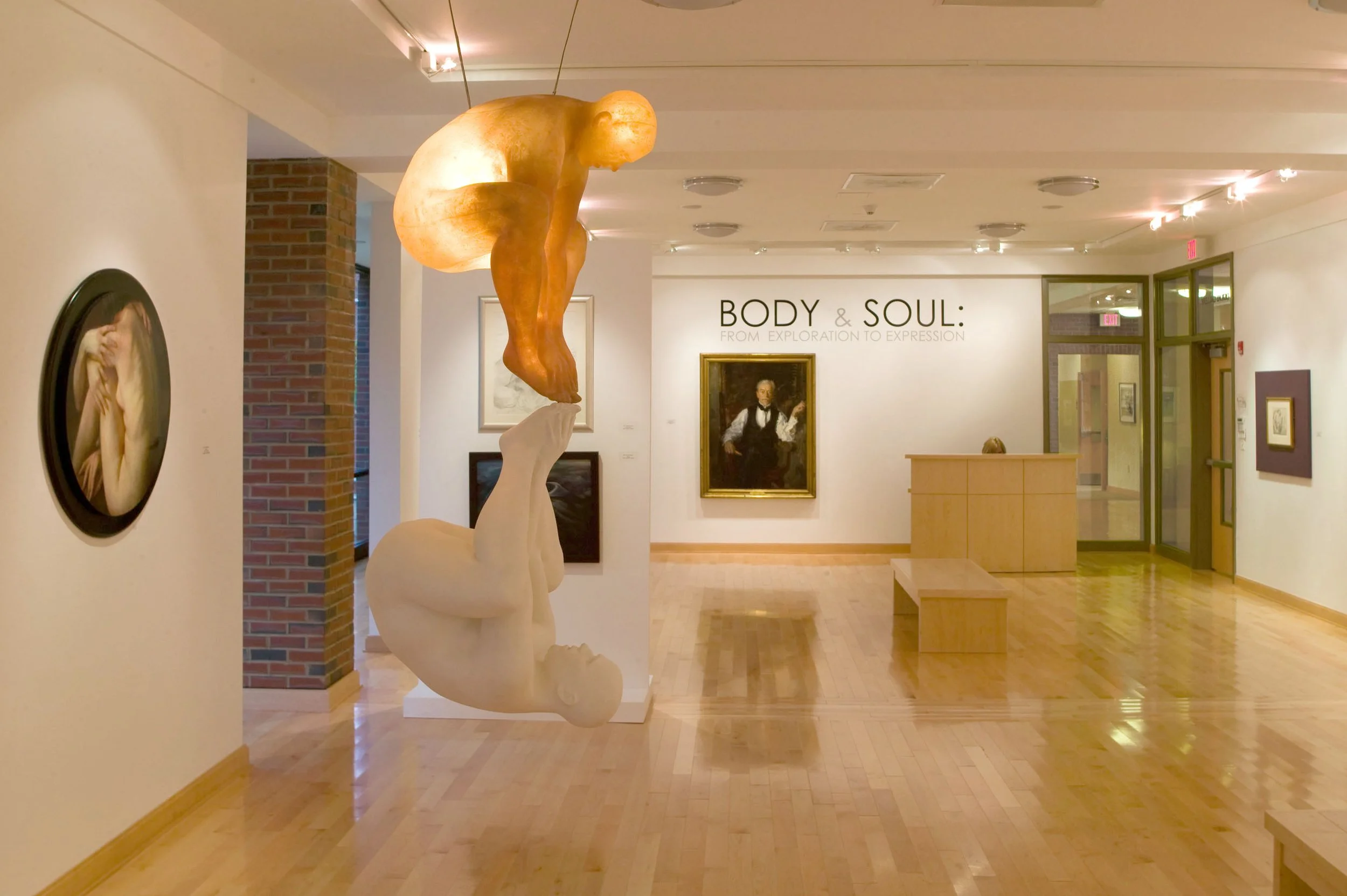
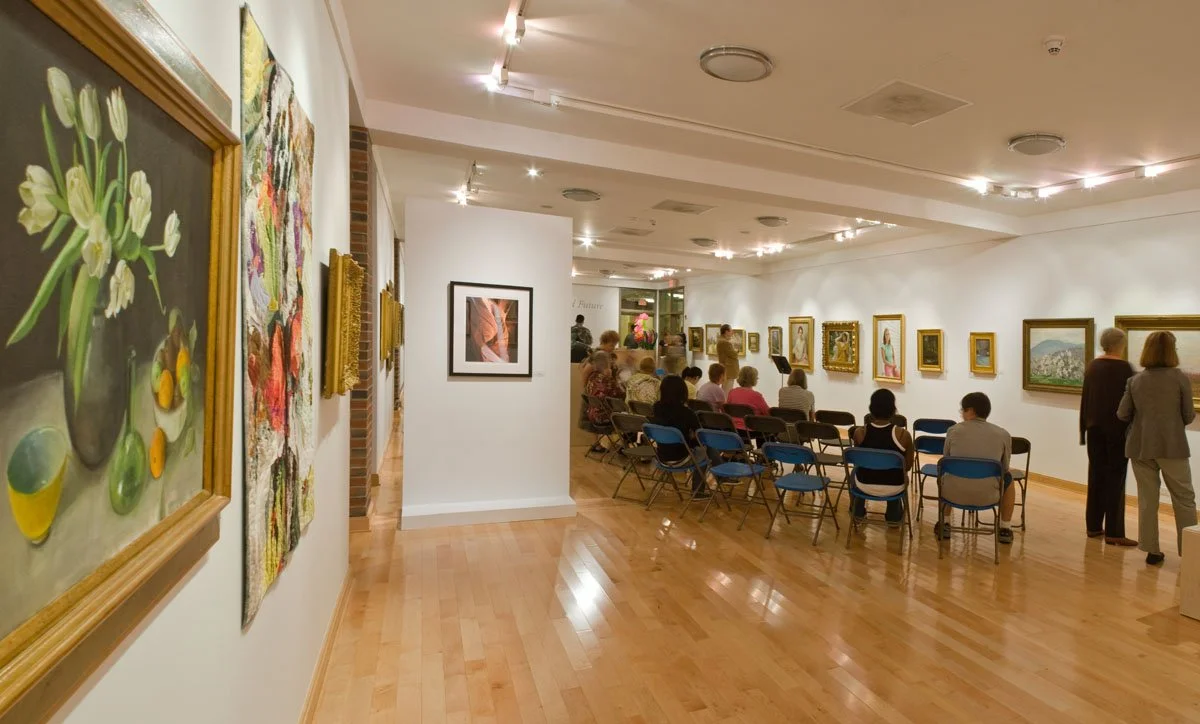
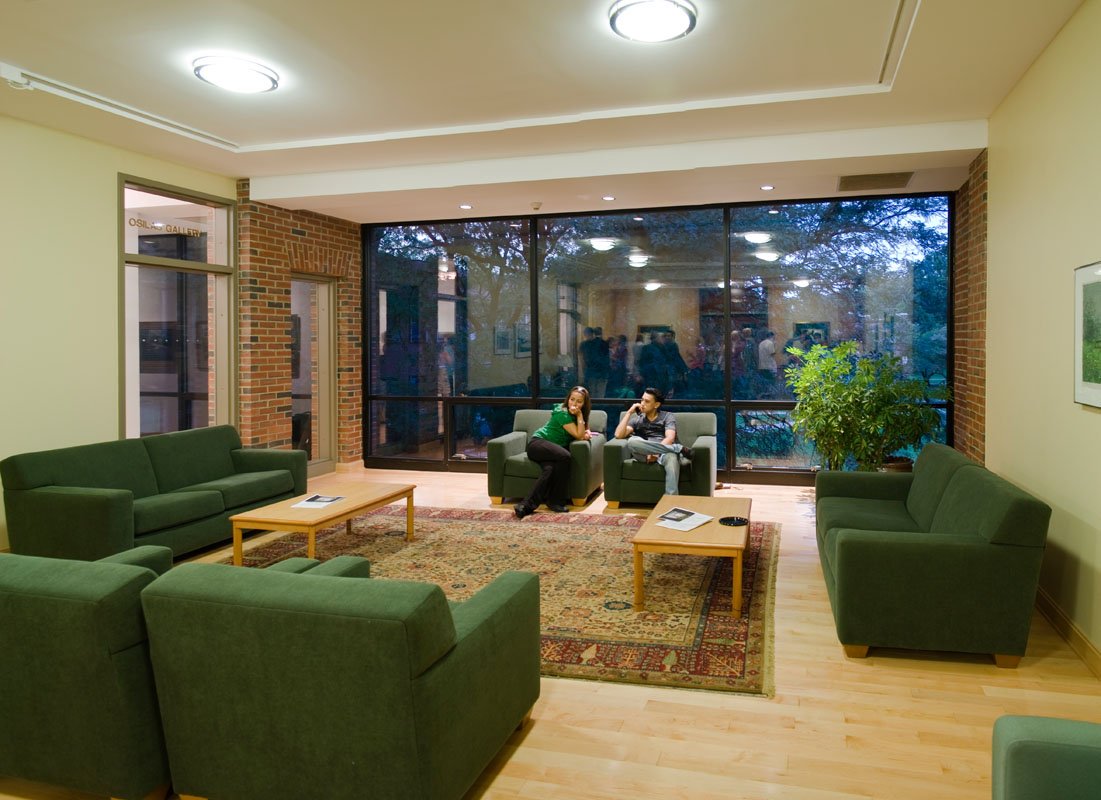
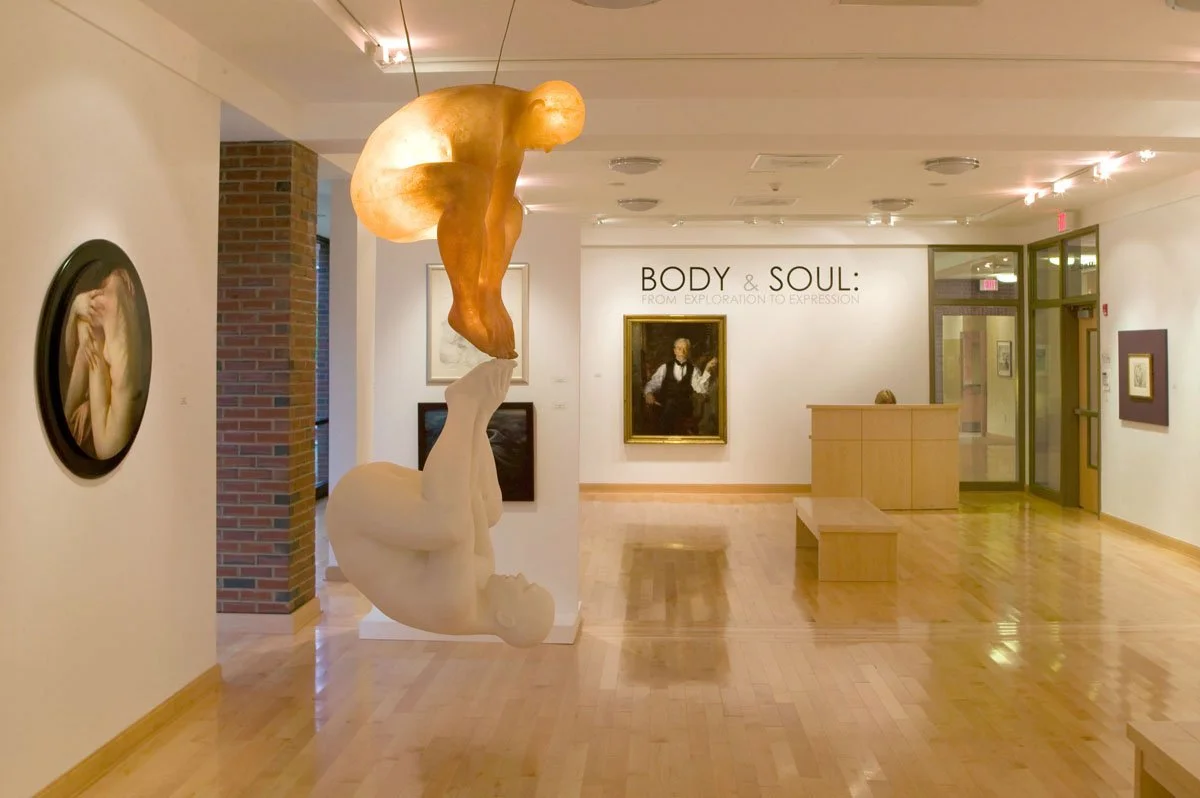
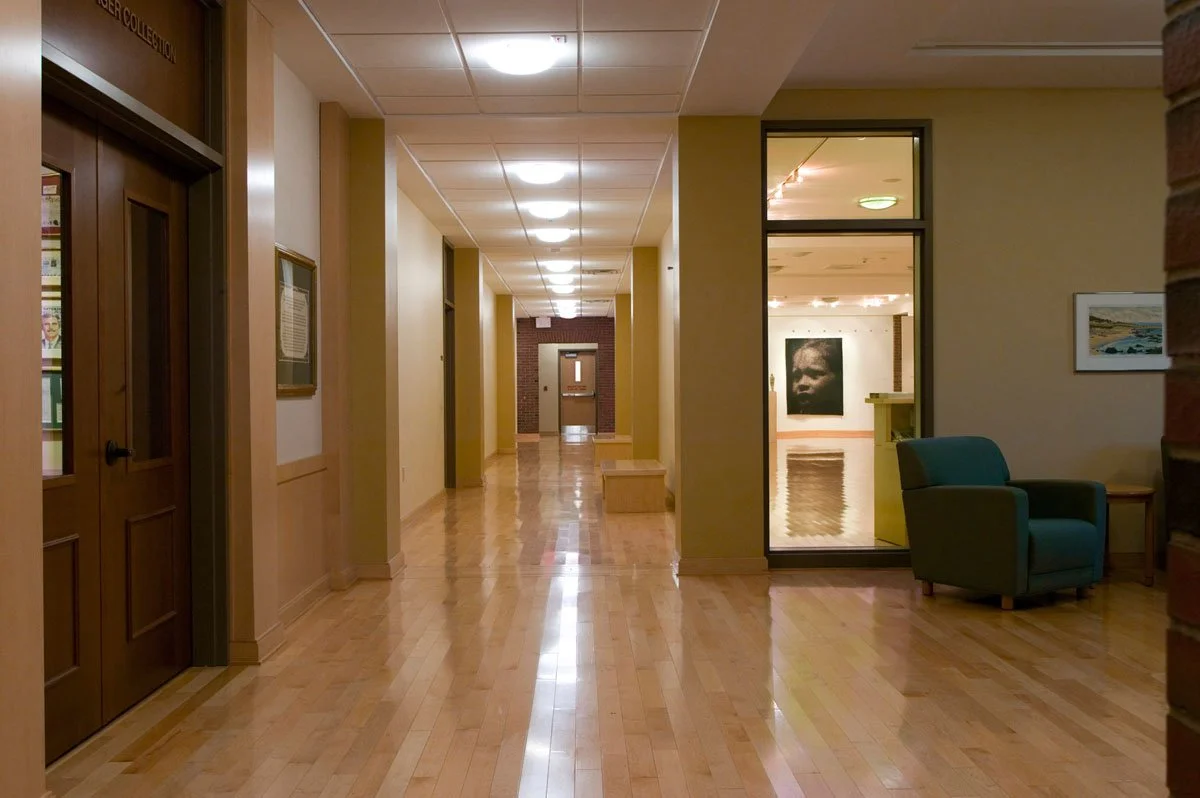
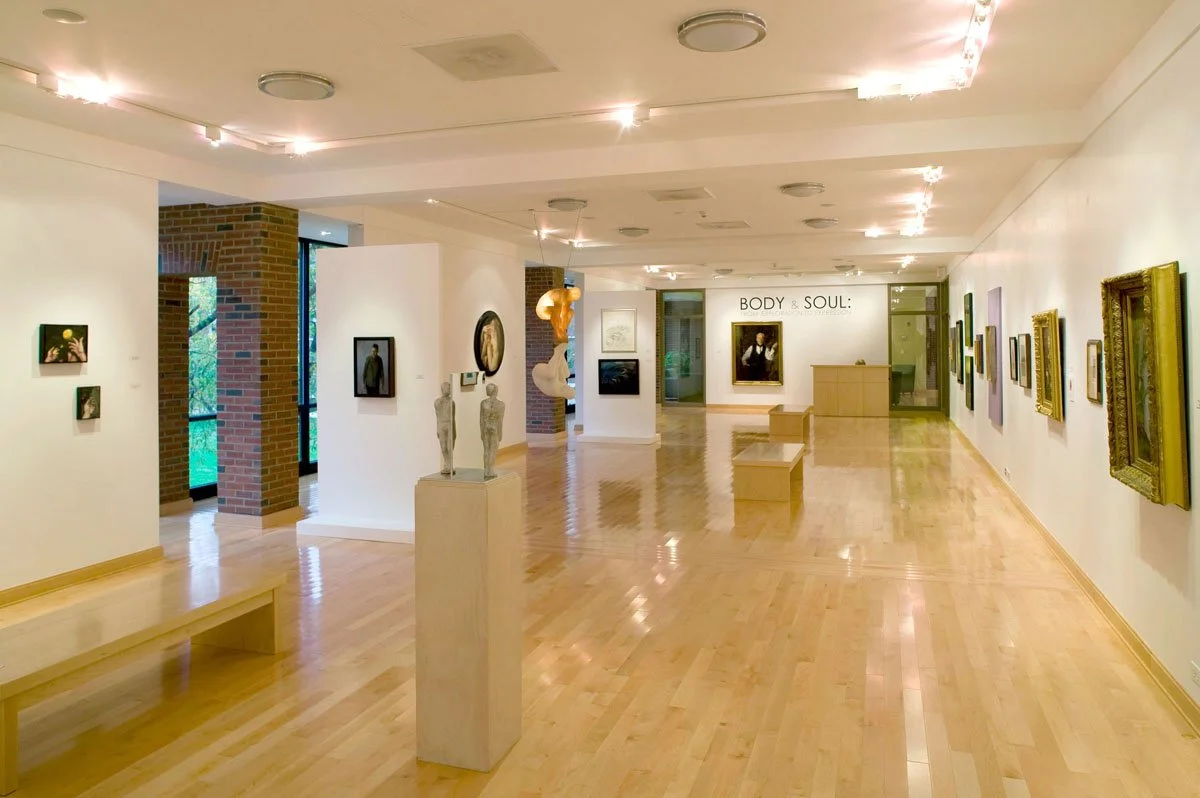
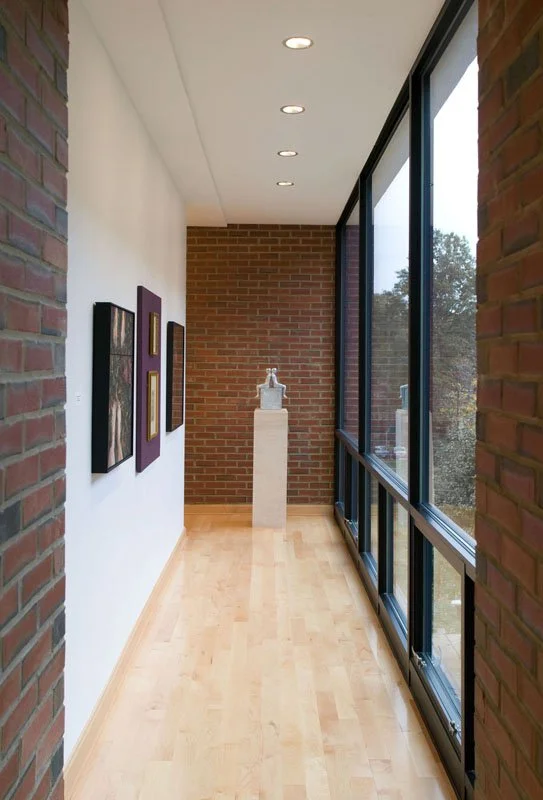
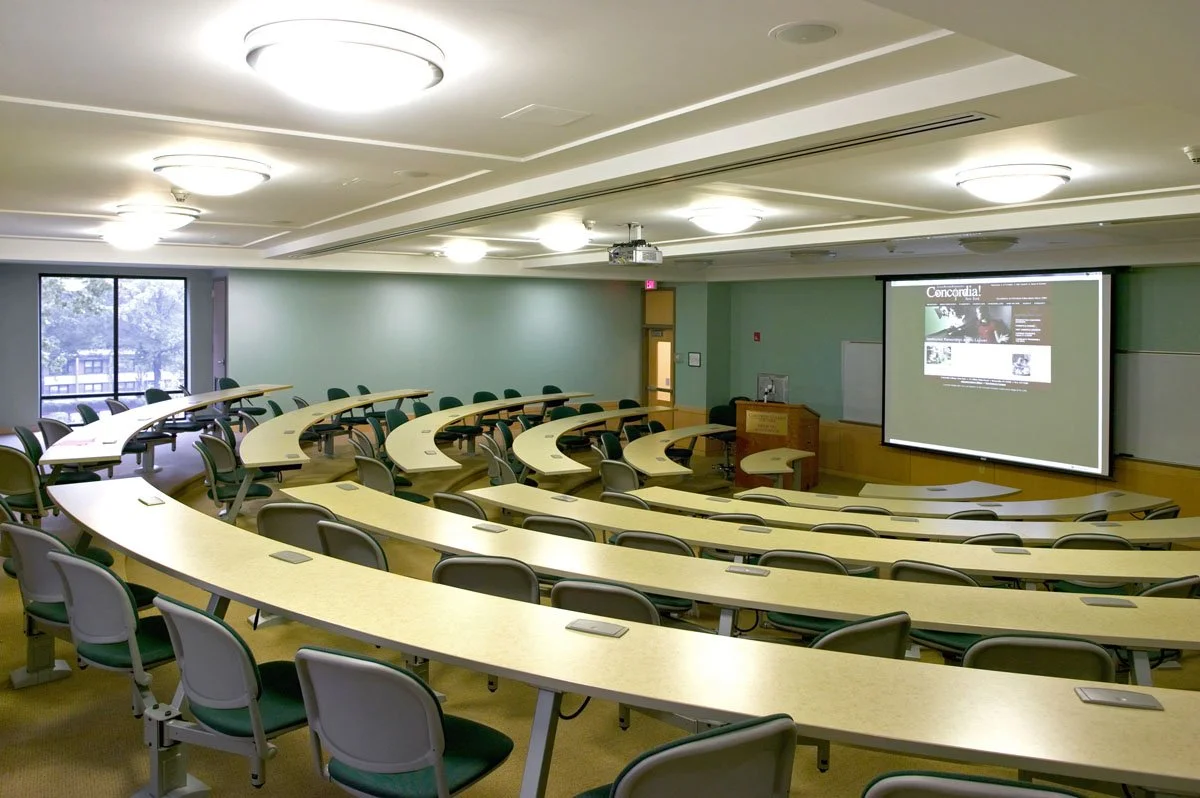
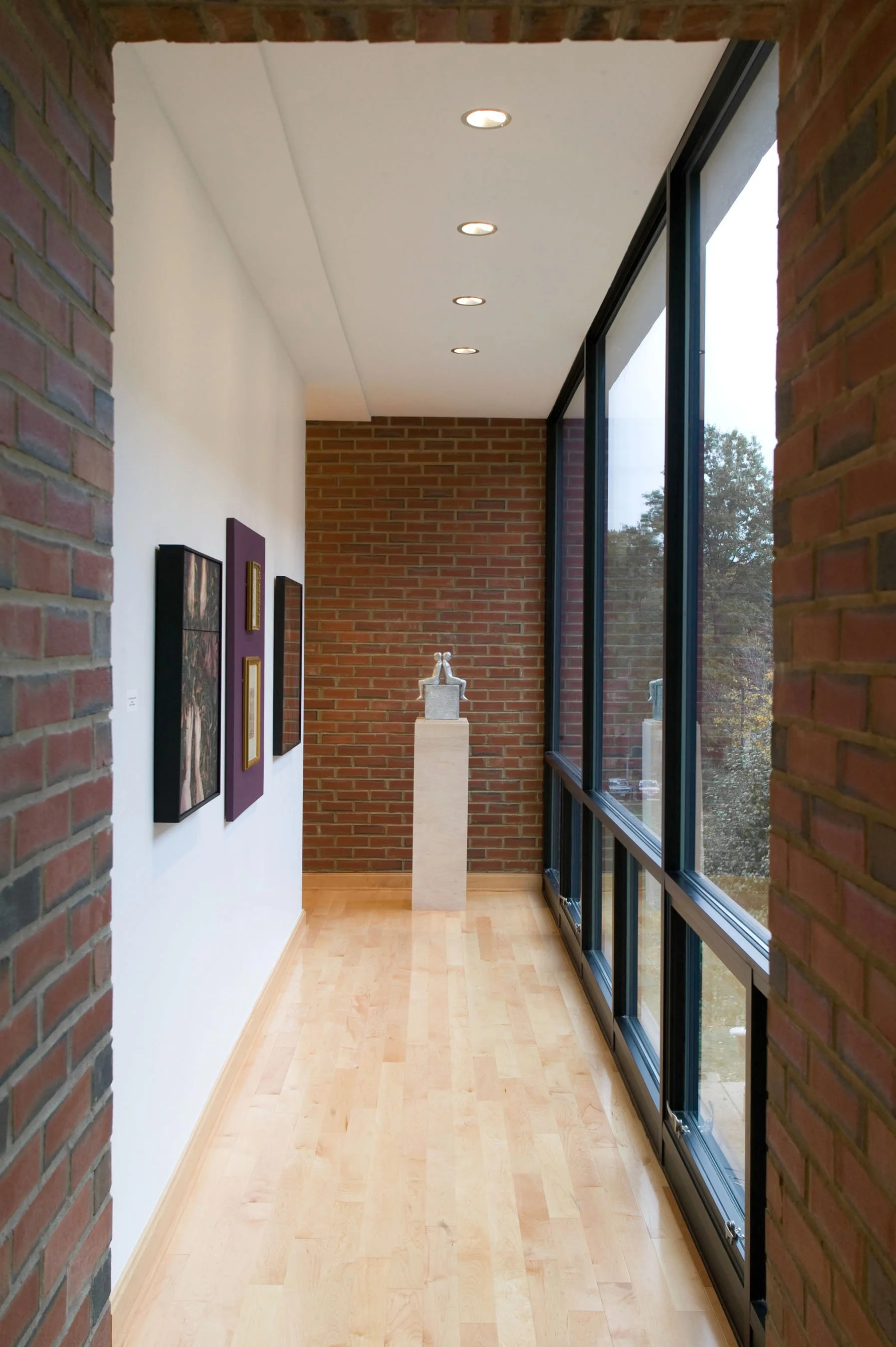
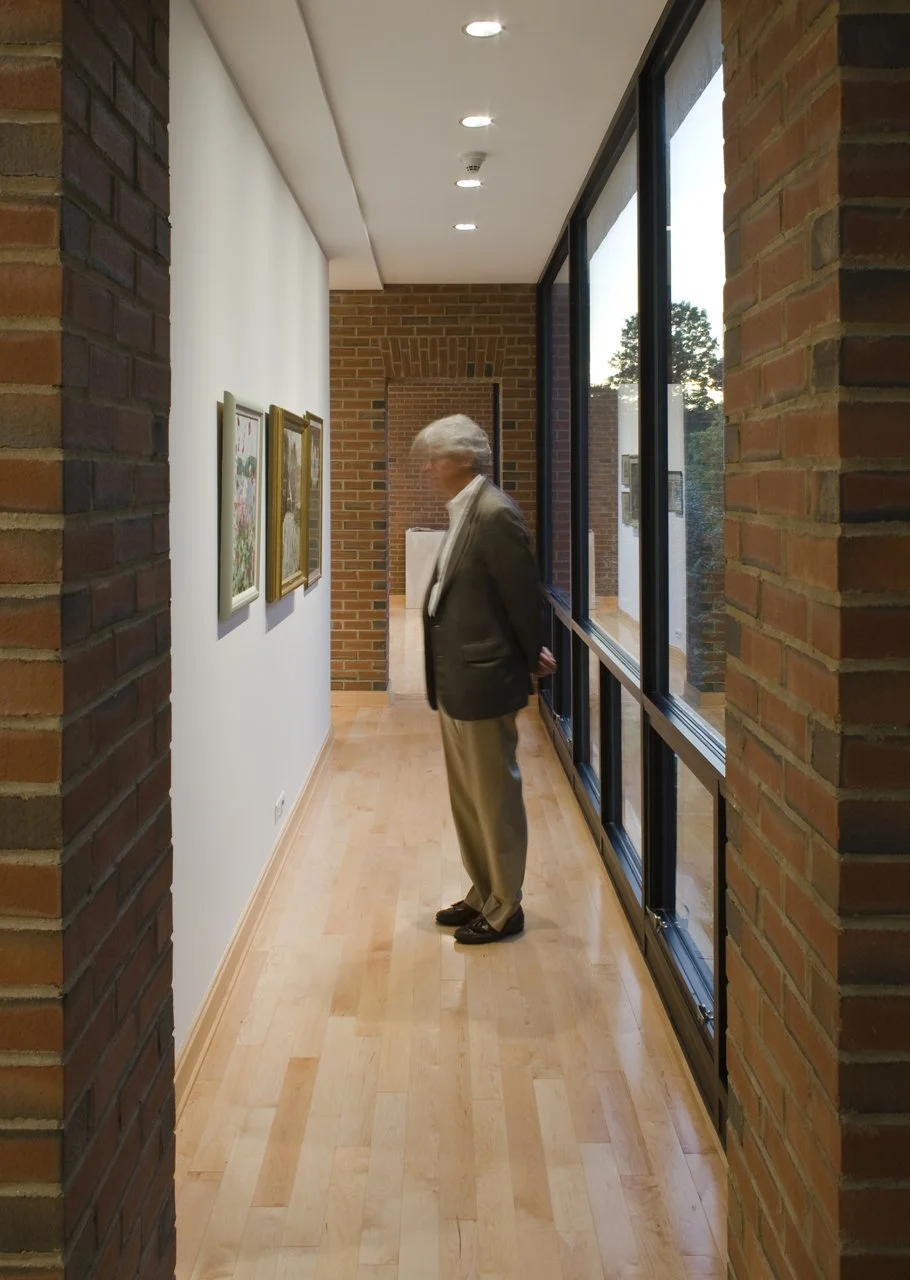
Design moves preserve the main quadrangle by expanding an existing partial third floor rather than adding new footprint. The Krenz Center uses a north-facing transparent gallery to connect interior activity with the campus, includes a terraced auditorium and digital classrooms, and the Schoenfeld Hall renovation reorganizes circulation and seating to support varied social uses.
project narrative
-
Concordia sought additional academic, residential, and social space on a tightly constrained 33-acre campus without compromising the central quadrangle or the residential character of the surrounding neighborhood.
The existing Scheele Library offered underused vertical capacity while Schoenfeld Hall provided an outdated dining environment.
A feasibility study also tested how to add housing, academic programs, and discreet parking within the compact site.
-
Building on the idea of reuse rather than expansion, the project expanded the library’s partial third floor to create the Krenz Academic Center and concentrated new program within existing footprints where possible.
The concept emphasizes transparency and connection, using a north-facing gallery to make internal activity visible from the campus and organizing learning spaces around daylight, clear circulation, and flexible media-rich rooms.
-
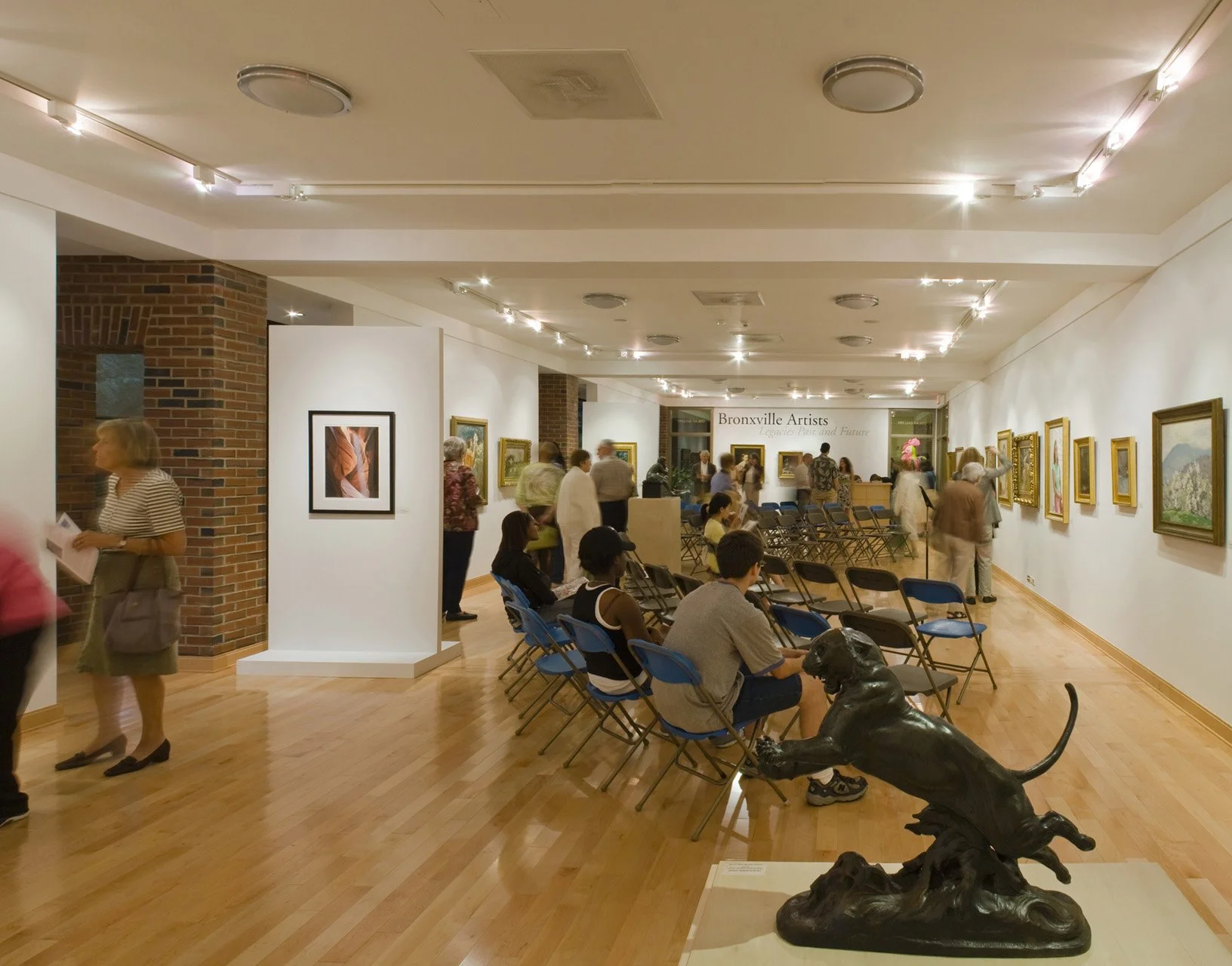
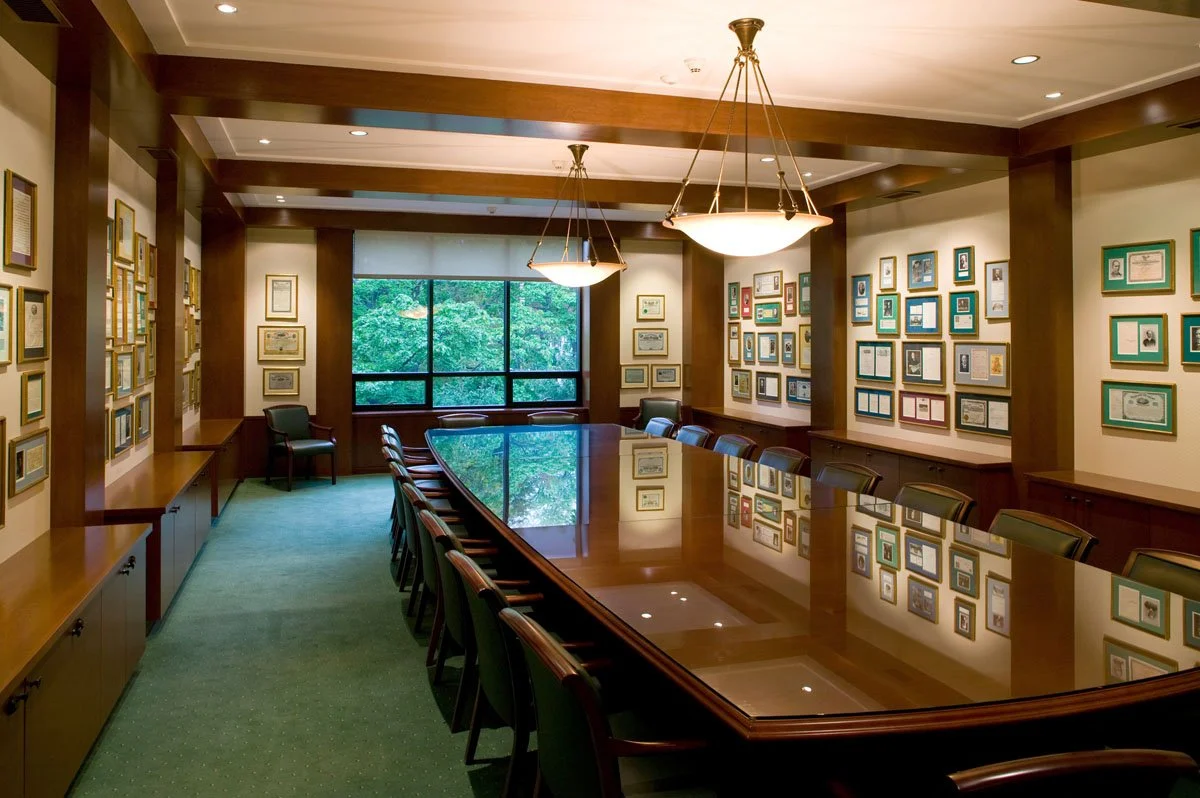
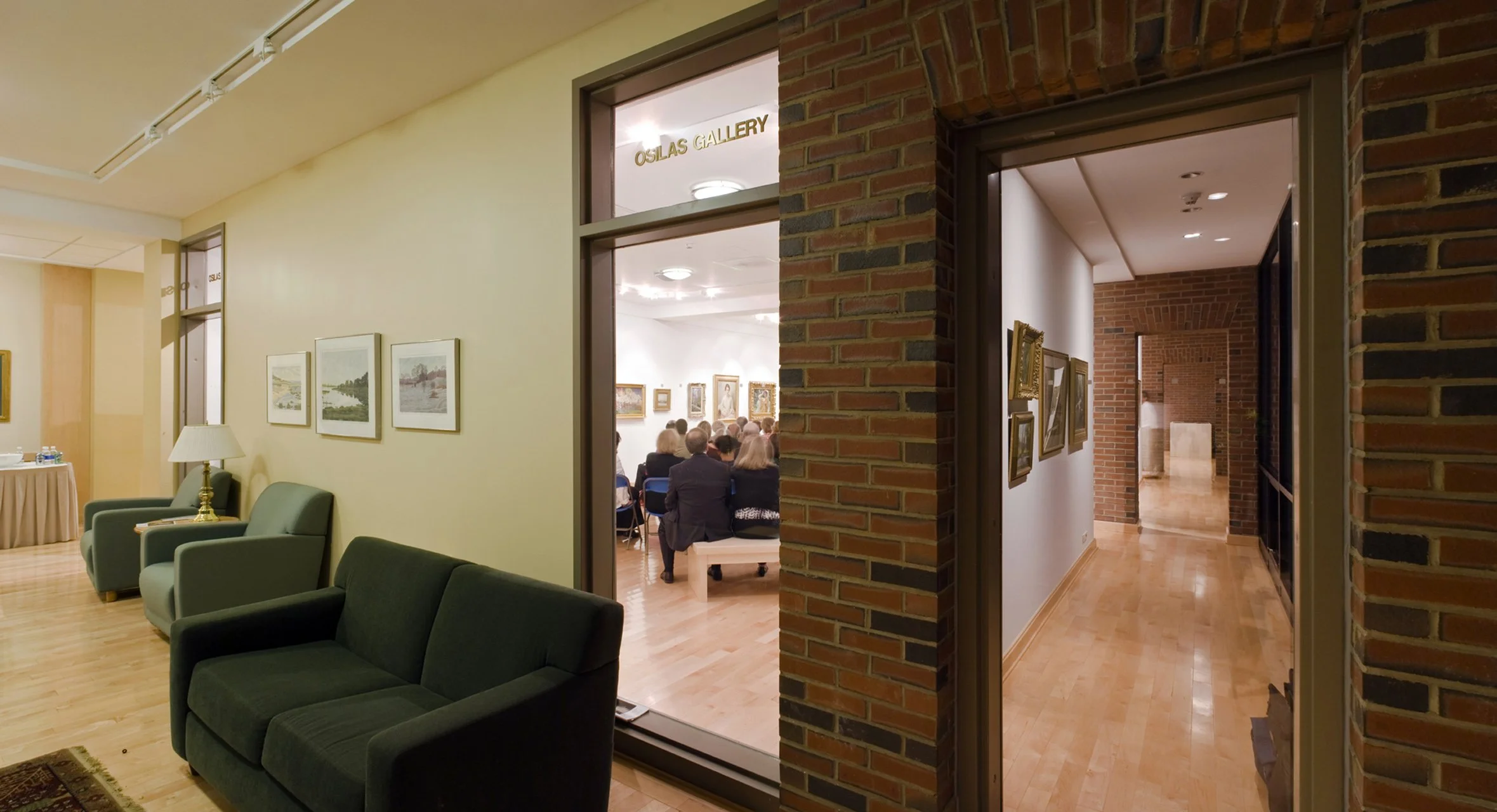
To realize the concept the team enlarged the third-floor plate, inserting galleries, a terraced lecture hall, and media-equipped classrooms while retaining the building’s relationship to the quadrangle.
Schoenfeld Hall was reworked to provide a servery, varied seating, and informal recreation space.
The feasibility study proposed a two-part mixed-use building with separate entries and a discreet open-air parking structure to respect campus scale and circulation.
project outcome
Pedestrian movement across the quadrangle is clear and direct, with primary routes linking academic, residential, and social buildings. Upper-level galleries and aligned circulation clarify orientation and connect visible activity along those routes.
Daylight and outward views shape the interior experience, and north-facing galleries connect interior activity with the campus while providing steady, diffuse light to studios and teaching spaces. The terraced lecture room supports varied sightlines and collaborative use of media. Transparent walls and gallery displays reinforce visibility between gatherings and outdoor paths.
Flexible classroom arrangements and media-rich rooms accommodate different teaching modes and extracurricular events over time. The reworked cafe and lounge support informal social exchange and varied seating configurations that sustain daily use.
let’s continue the conversation
Every project begins with listening. If you’re considering a new campus, building, or landscape, we’d welcome the chance to talk through your goals, challenges, and aspirations. Our team works collaboratively to shape places that feel grounded, connected, and built to serve people well over time.