longwood library
2015
middle island, ny
48,000 sf
renovation, new construction, feasibility study, transformation, landscape
awards
2016, New York Library Association
Public Library Section Building Award
2016, AIA Westchester / Hudson Valley
Honor Award
collaborators
Structural: Anastos Engineering Associates
MEP: Strunk-Albert Engineering
Site/Civil: P. W. Grosser Consulting
Code: Bruce Spiewak
Roofing: Watsky Associates
Geotechnical: Carlin Simpson
Estimating: Danda
a transformed suburban library that opens to a four-acre nature preserve.
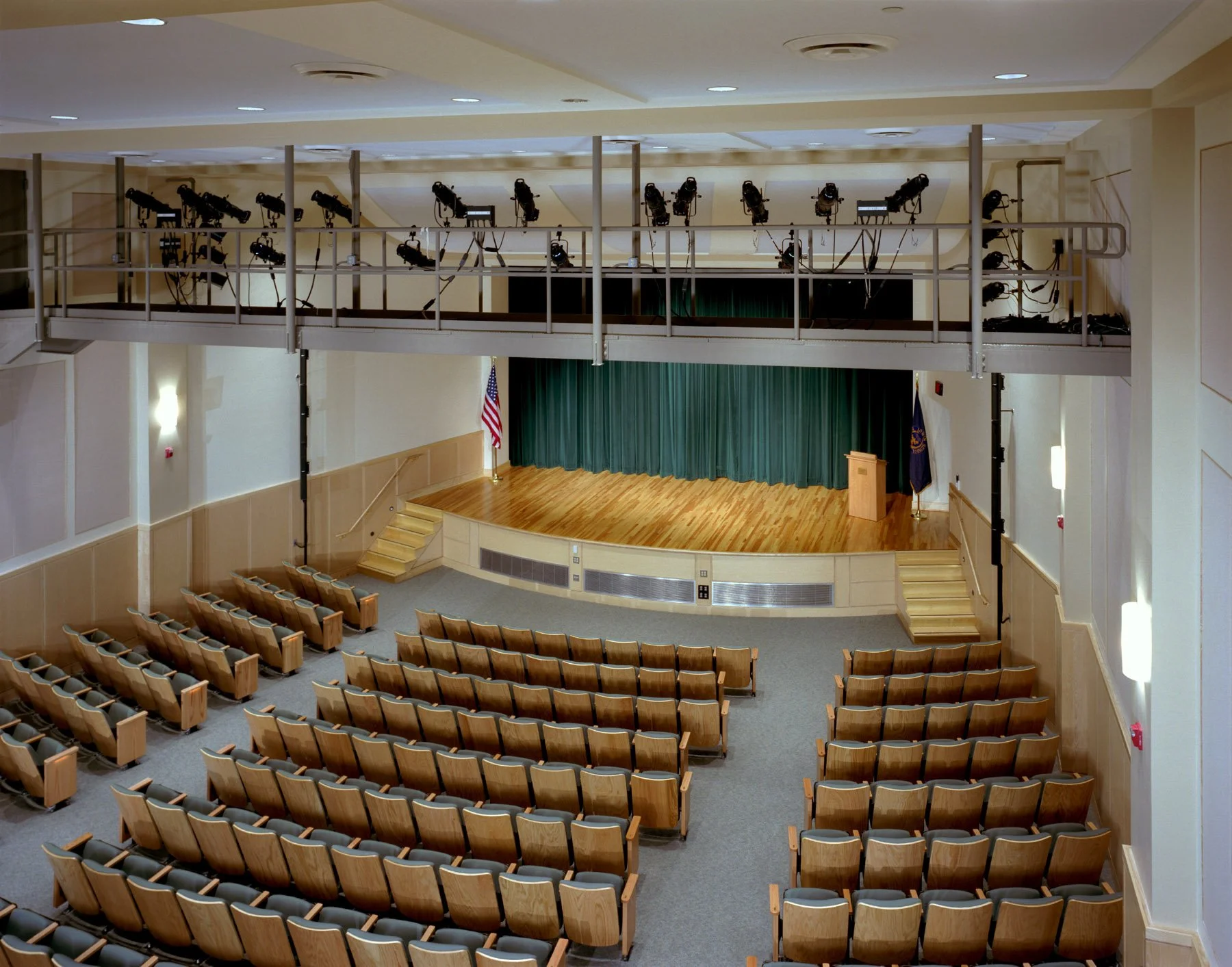
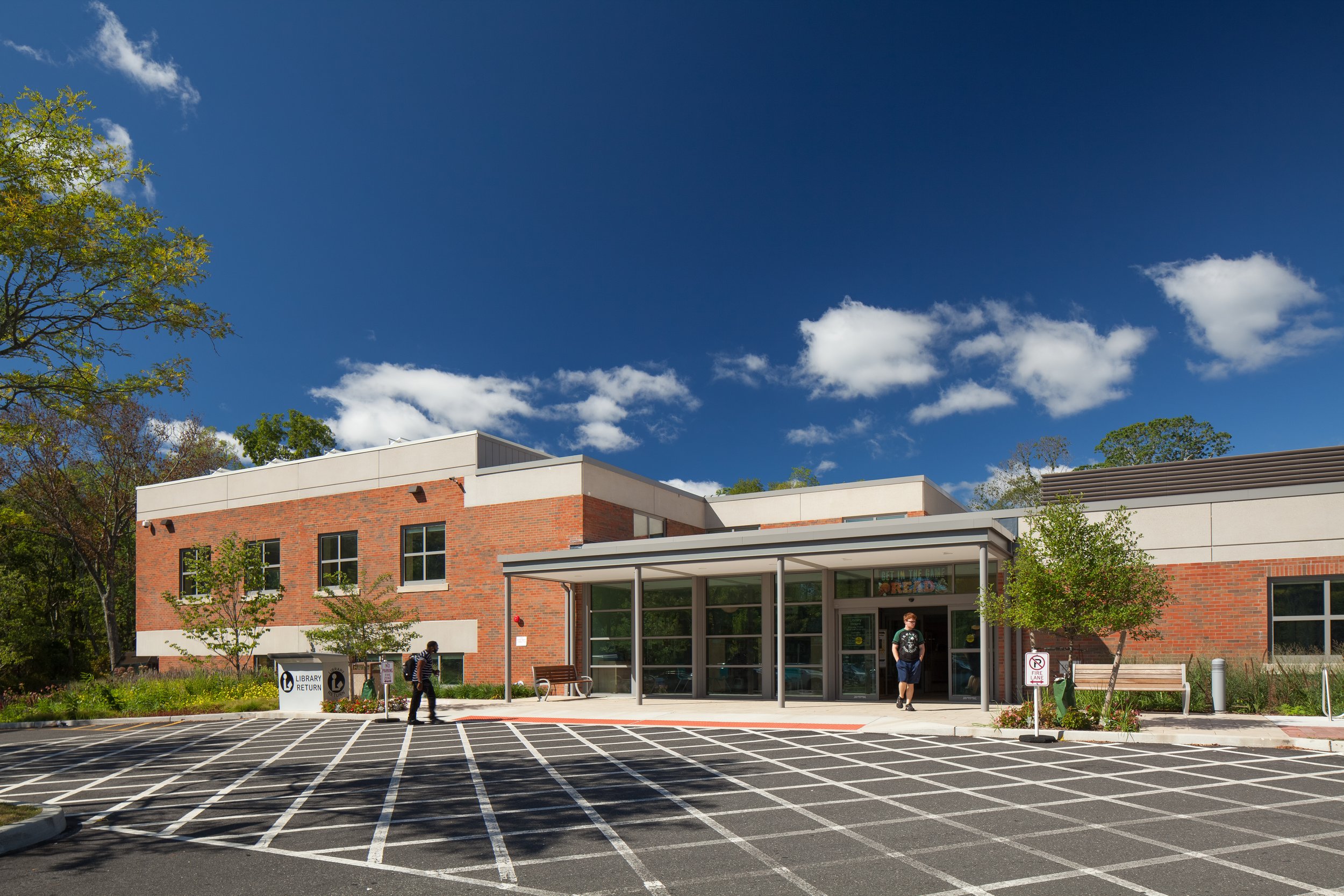
Originally constructed in 1980, the existing facility served a large community but had become inward-facing, cramped, and visually disconnected from its landscape. The project set clear goals: reconnect the building to the adjacent woods, simplify circulation for clarity, establish a civic presence on Route 25, and improve daylighting and energy performance.
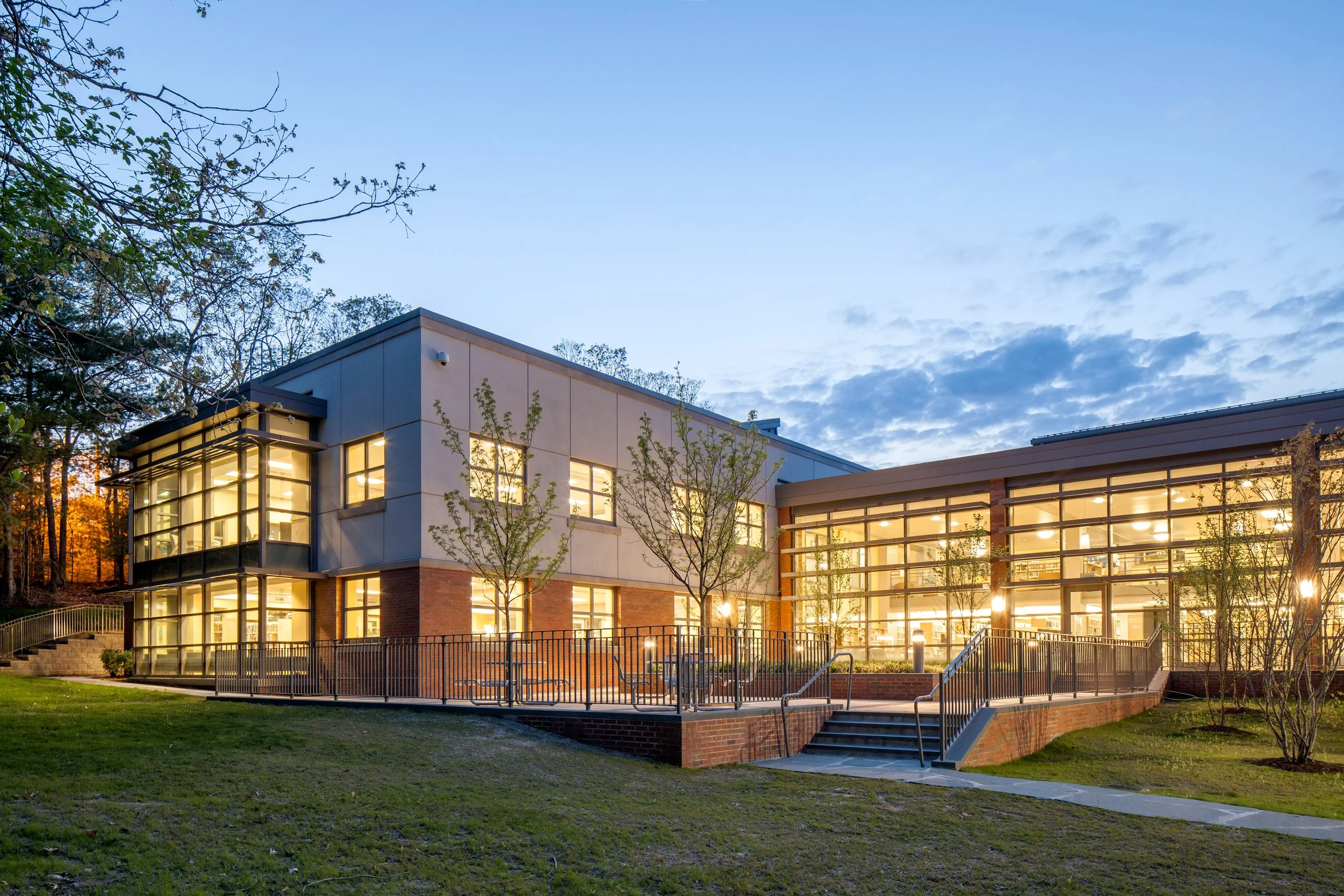
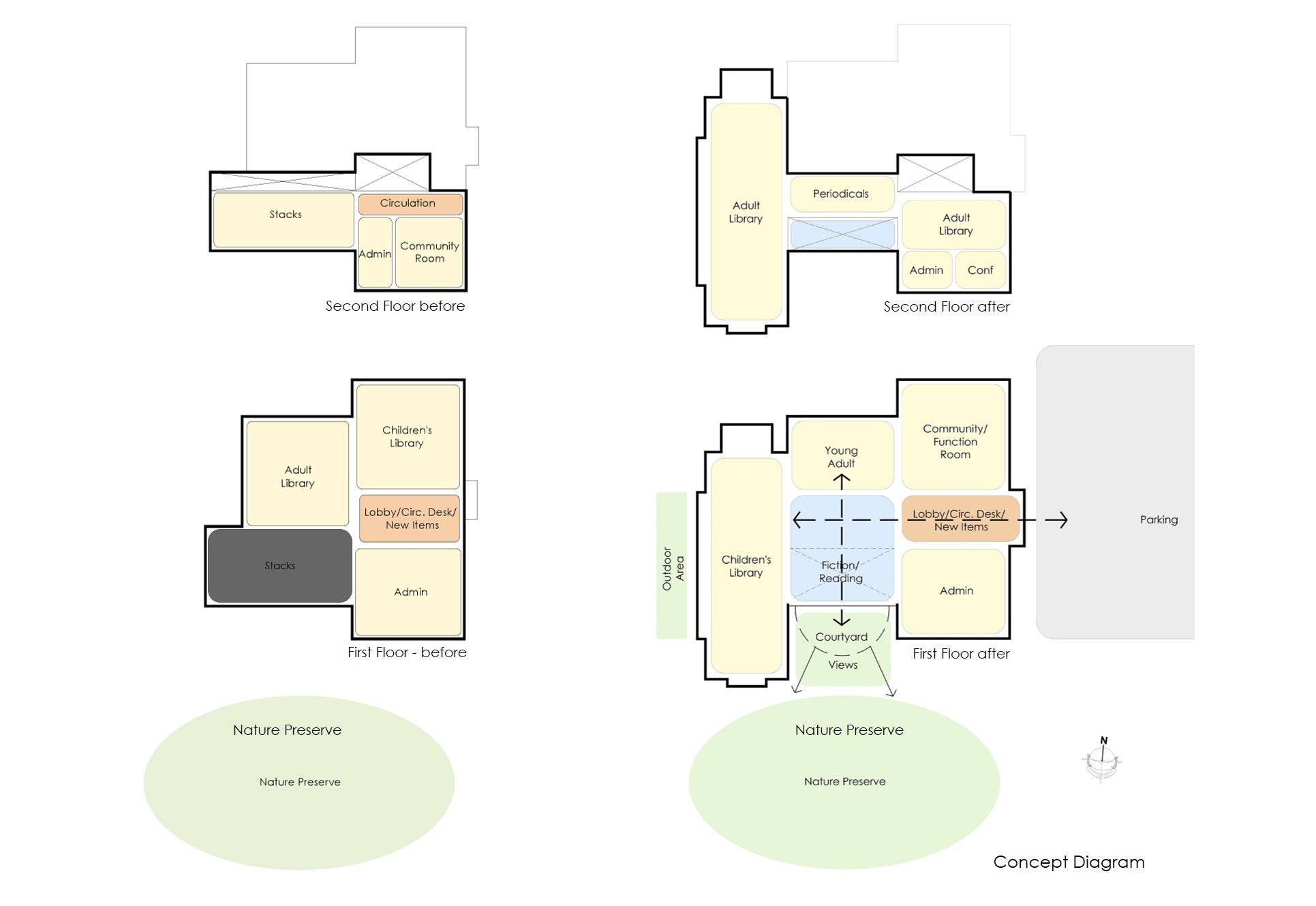
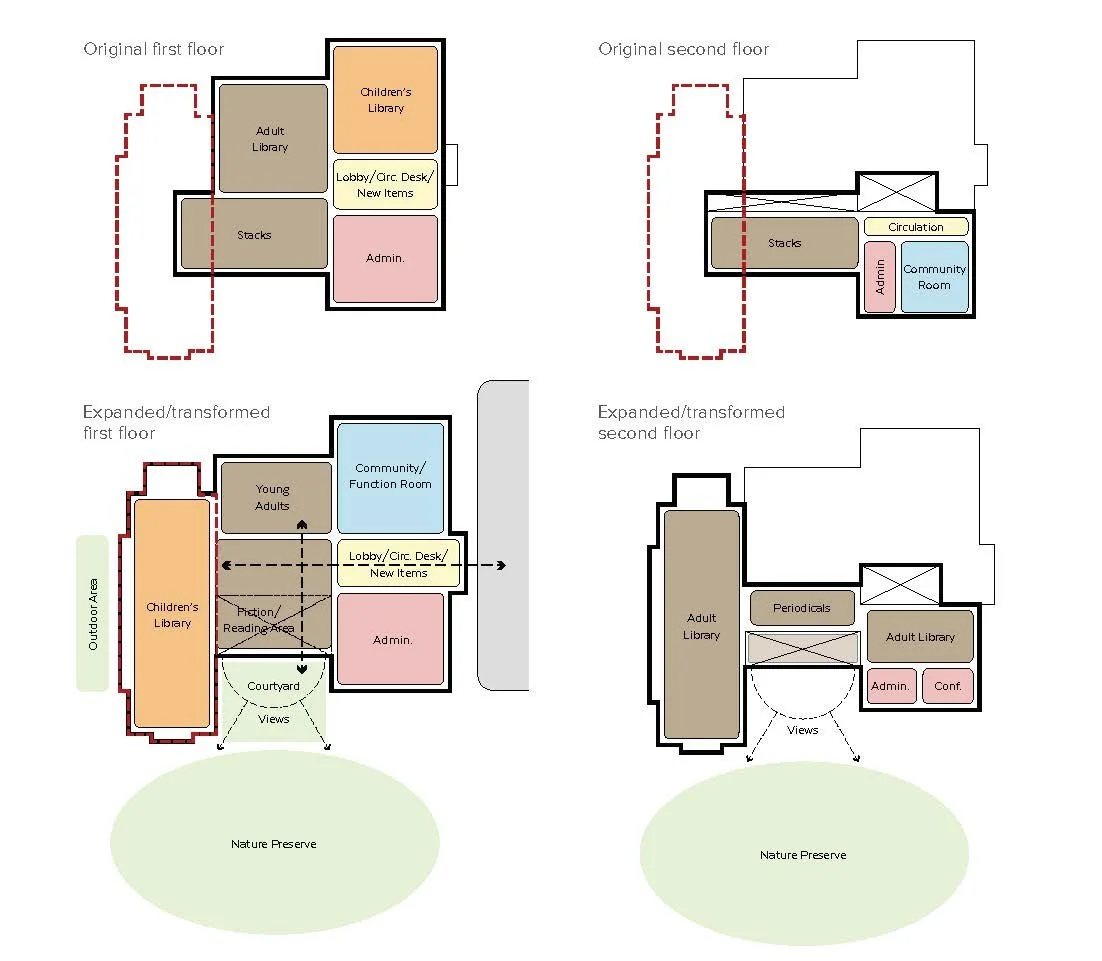
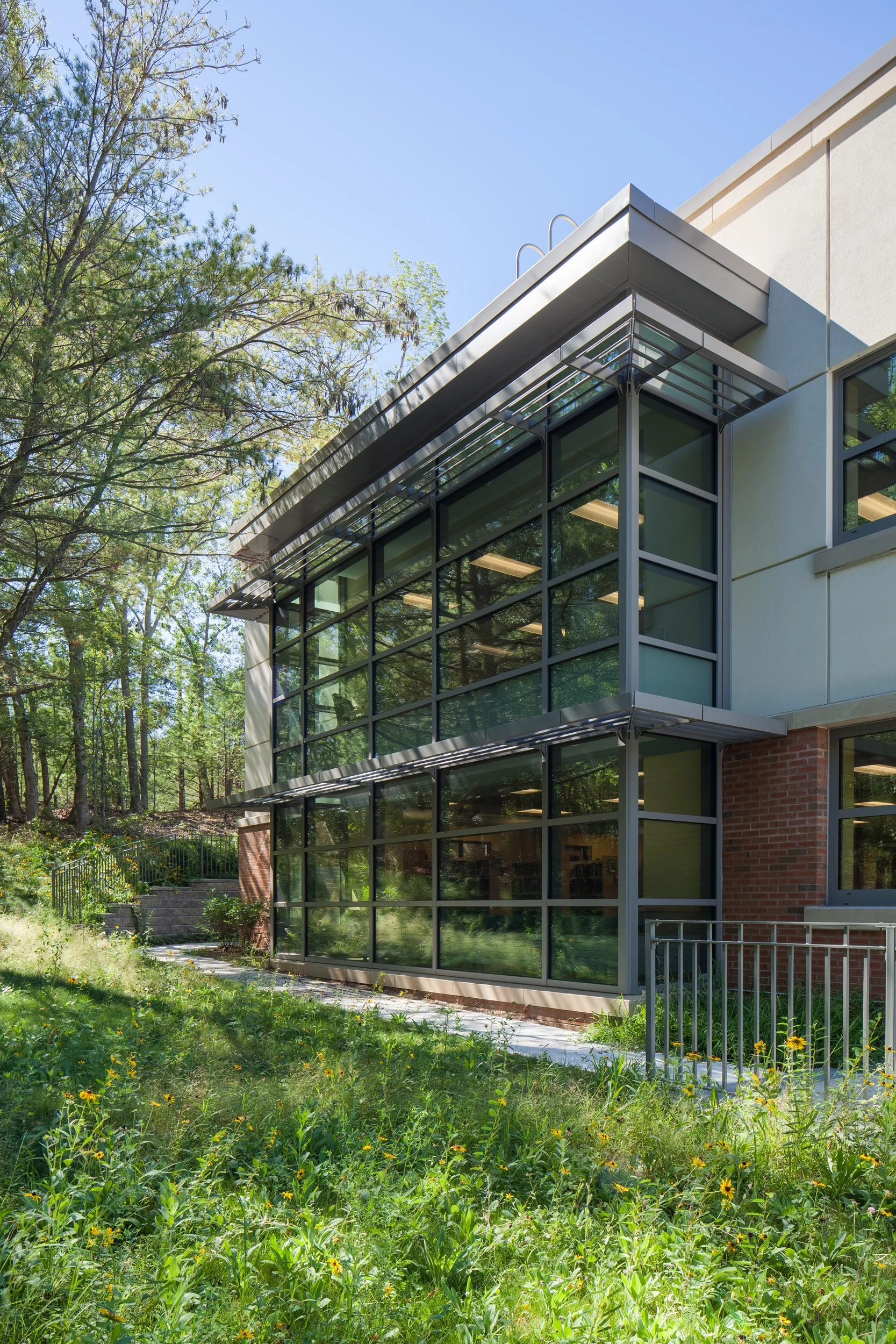
Design moves included expanding the plan with a new two-story wing and converting the former stack area into a south-facing double-height reading room and terrace. Major public spaces were reoriented toward the preserve and detailed for daylight and thermal stability, while systems and lighting were upgraded to support long-term sustainability.
project narrative
-
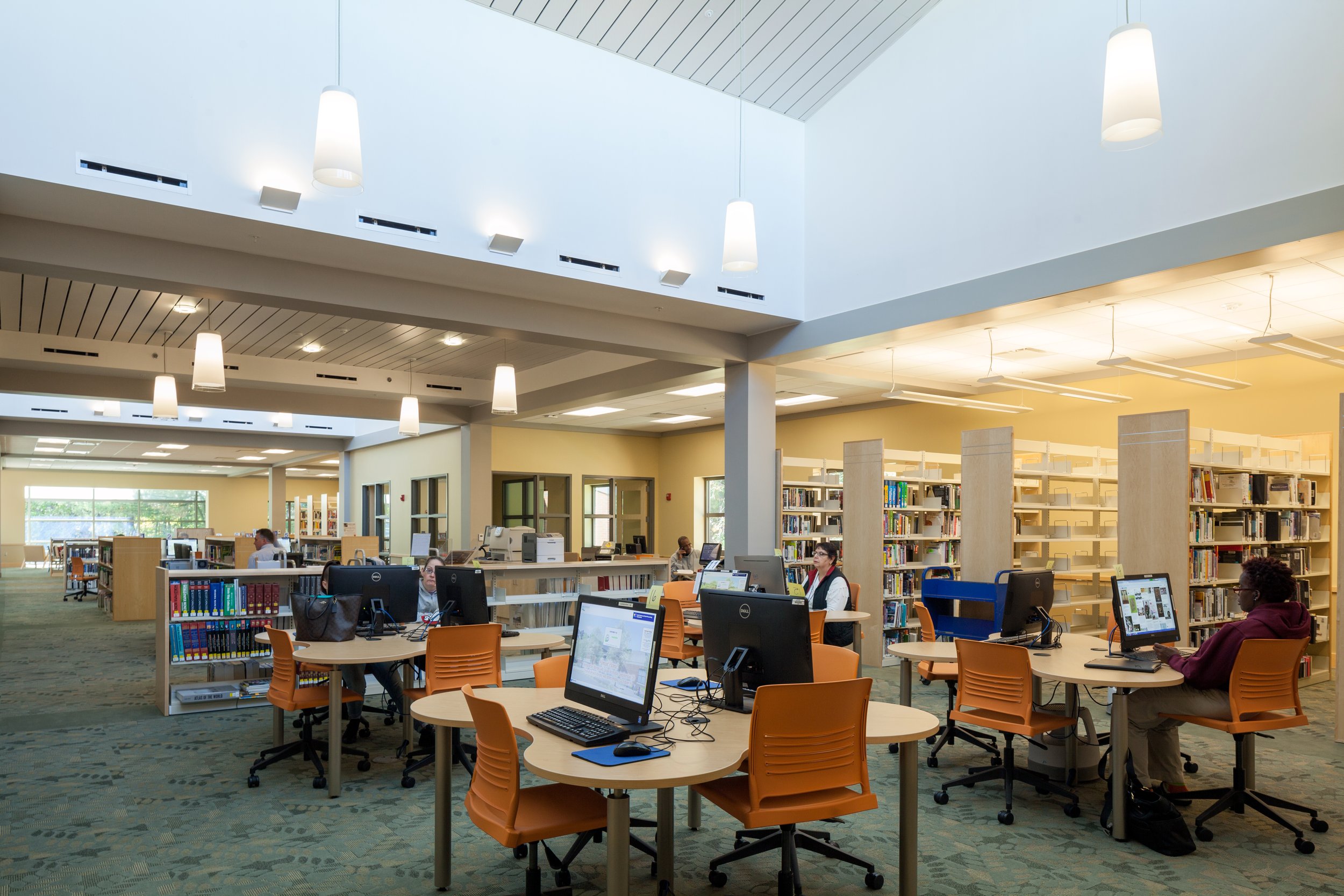
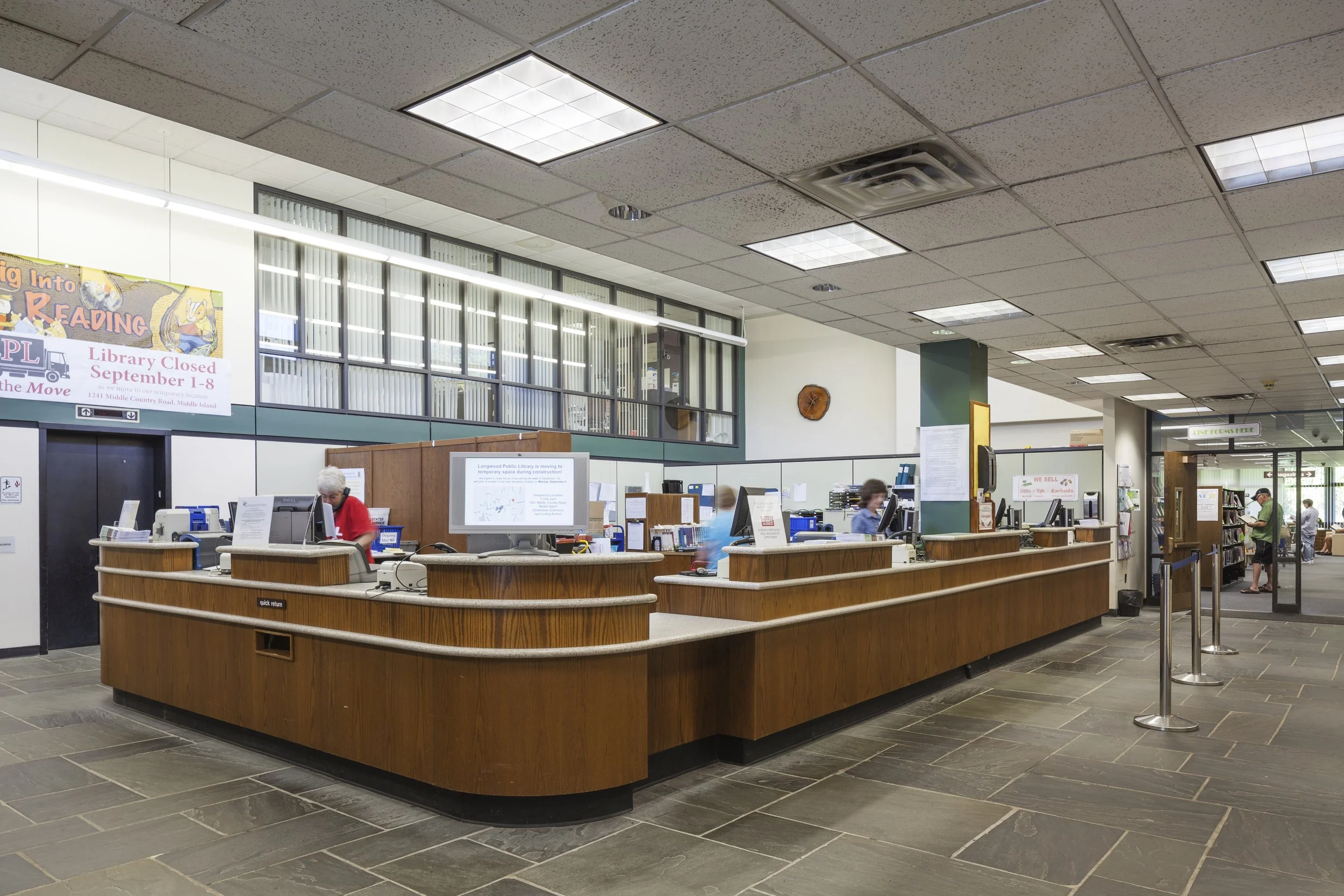
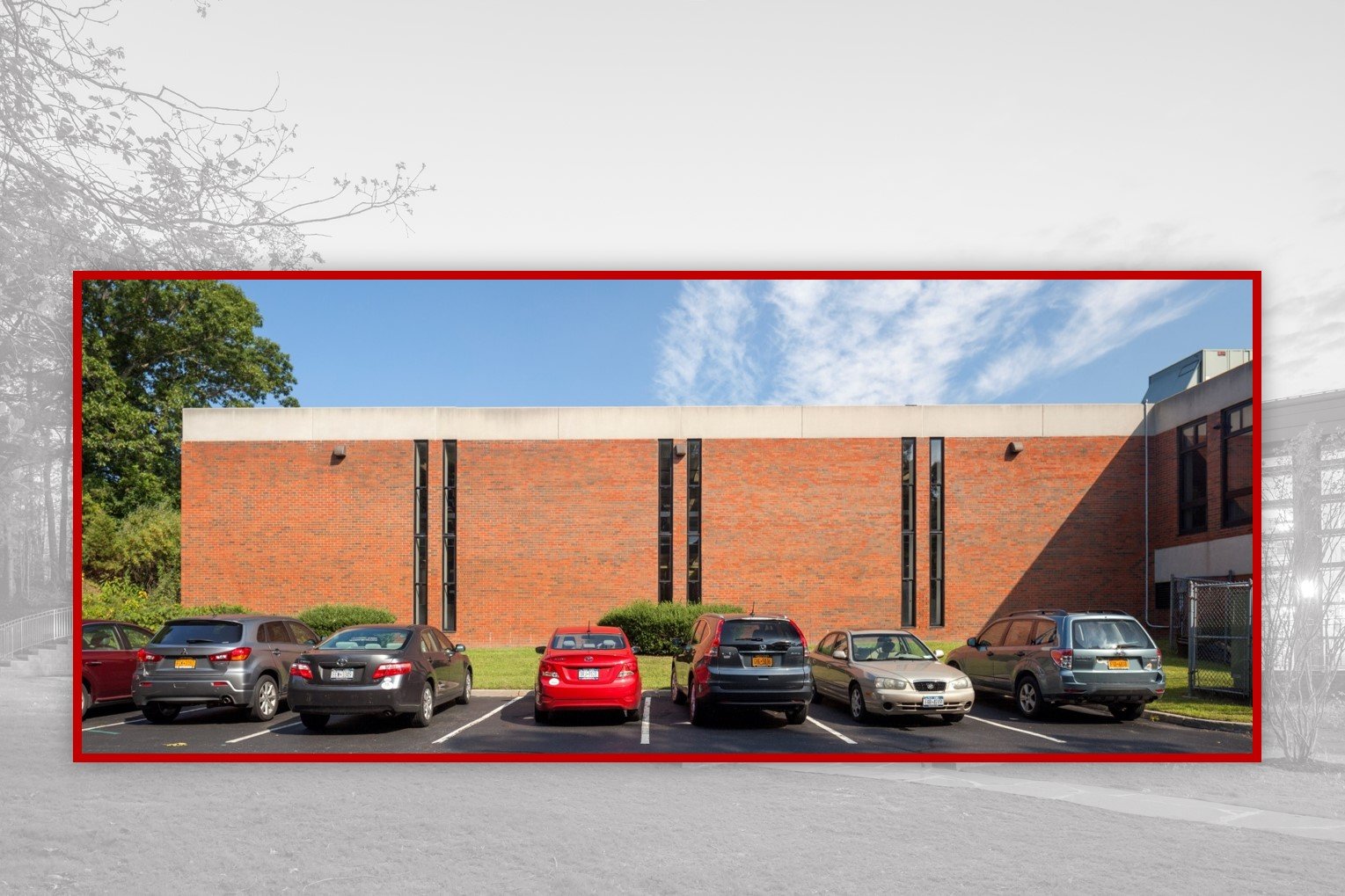
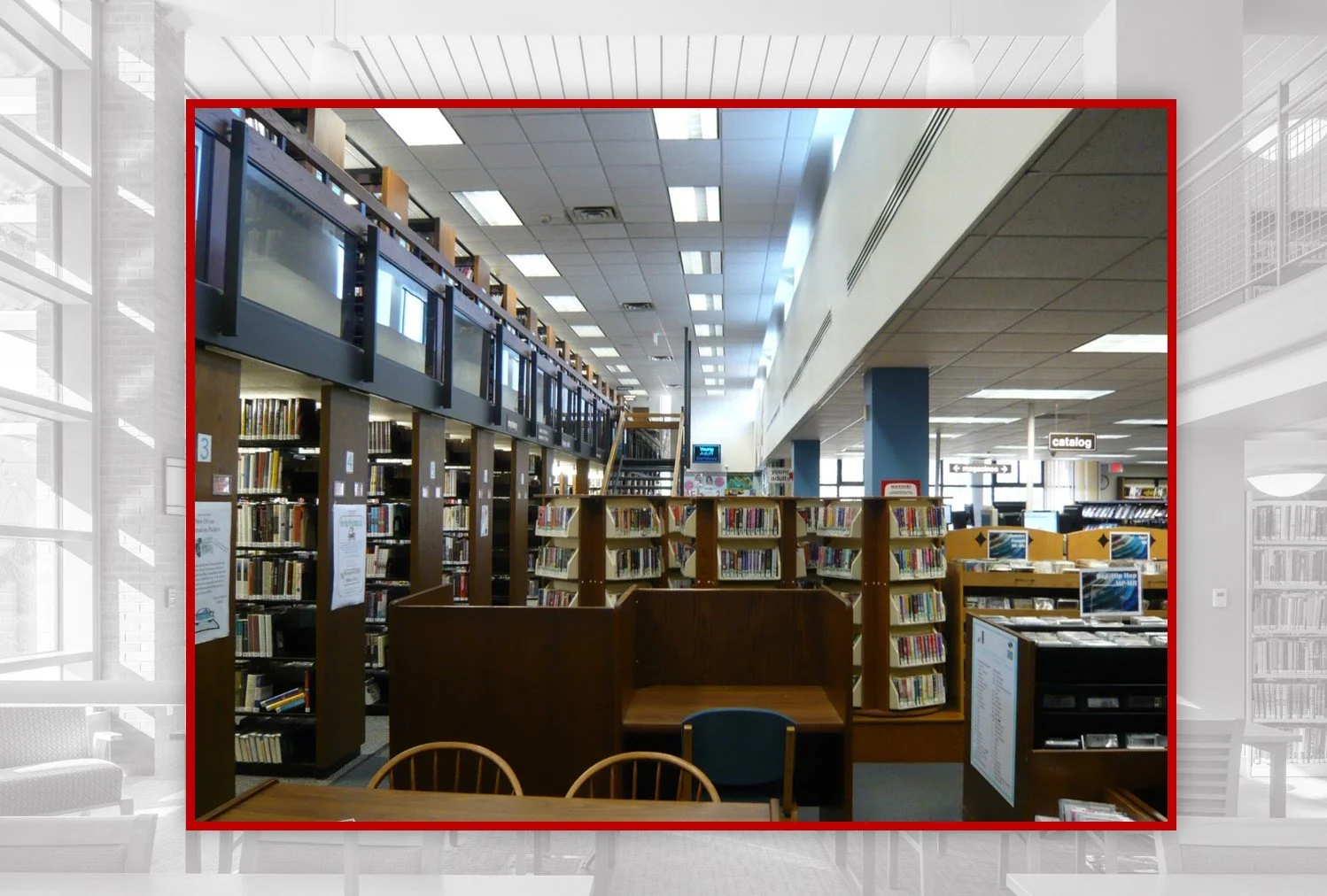
The existing library had been modified over time in ways that reduced daylight and views, with narrow windows and two-story stacks blocking the site’s visual connection to a four-acre nature preserve. Interiors were cramped and difficult to navigate, limiting the building’s potential as a civic gathering place.
To address this, the design needed to open sightlines, reorganize circulation, and reestablish a clear relationship between interior spaces and landscape.
-
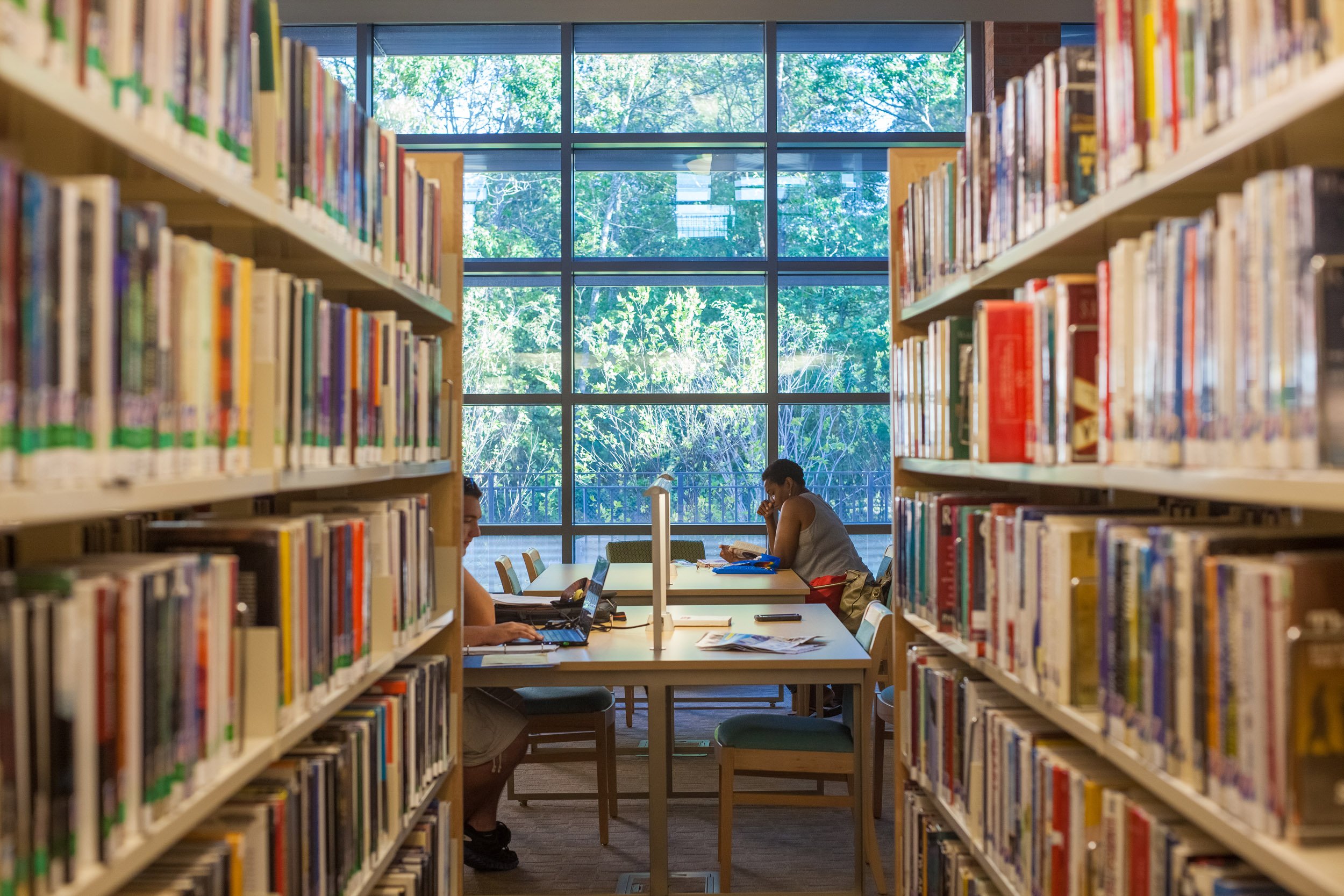
Building on the goal of reconnecting people to place, the concept reverses the original inward focus by opening primary reading and meeting spaces to the south. A new two-story wing and a transformed stack area create a continuous sequence of light-filled public spaces that frame views to the woodland.
This emphasis on transparency, daylight, and legible circulation defines the architectural idea throughout the project.
-
The concept was realized by removing barriers to daylight and adding a two-story addition that anchors new program on the west side.
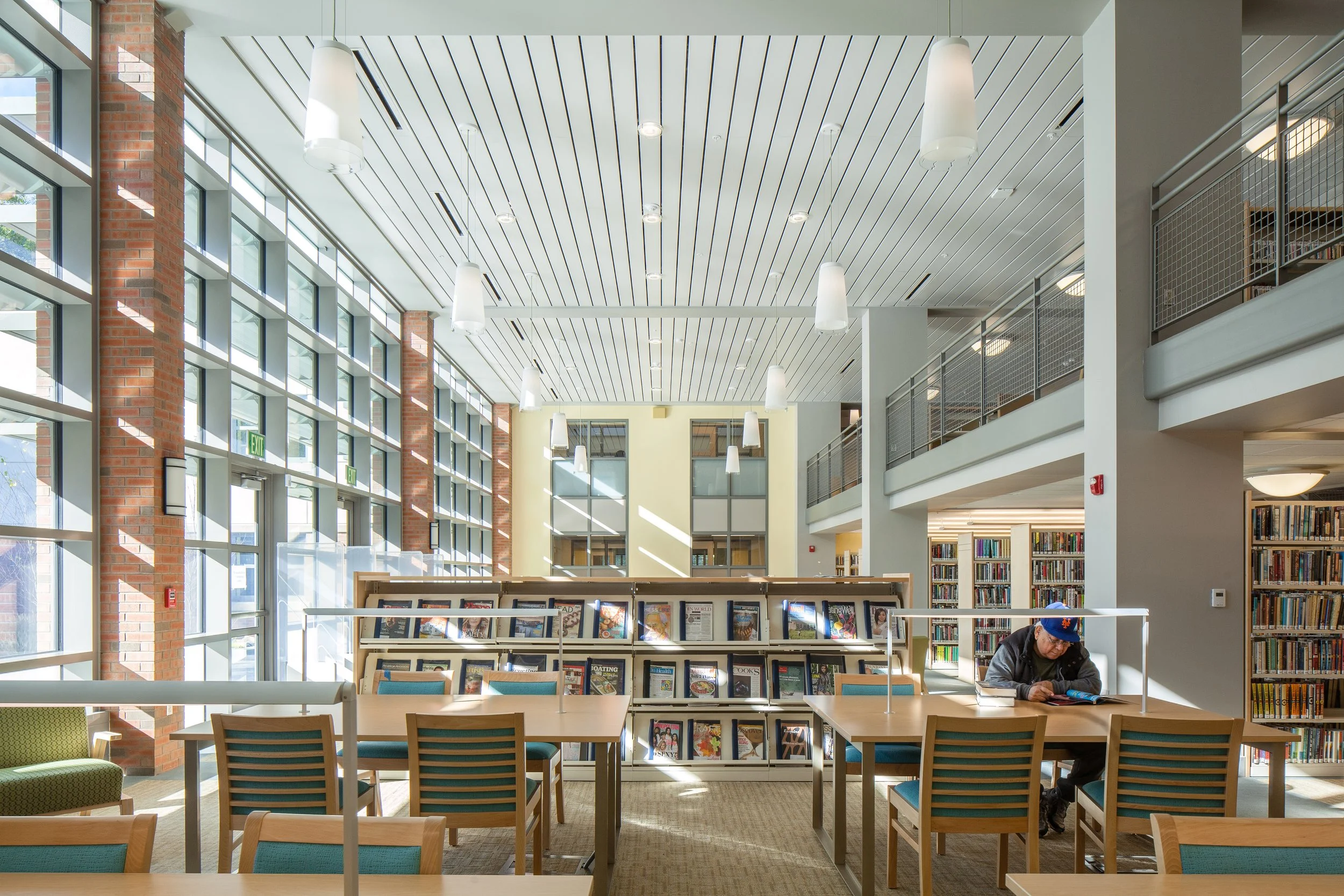
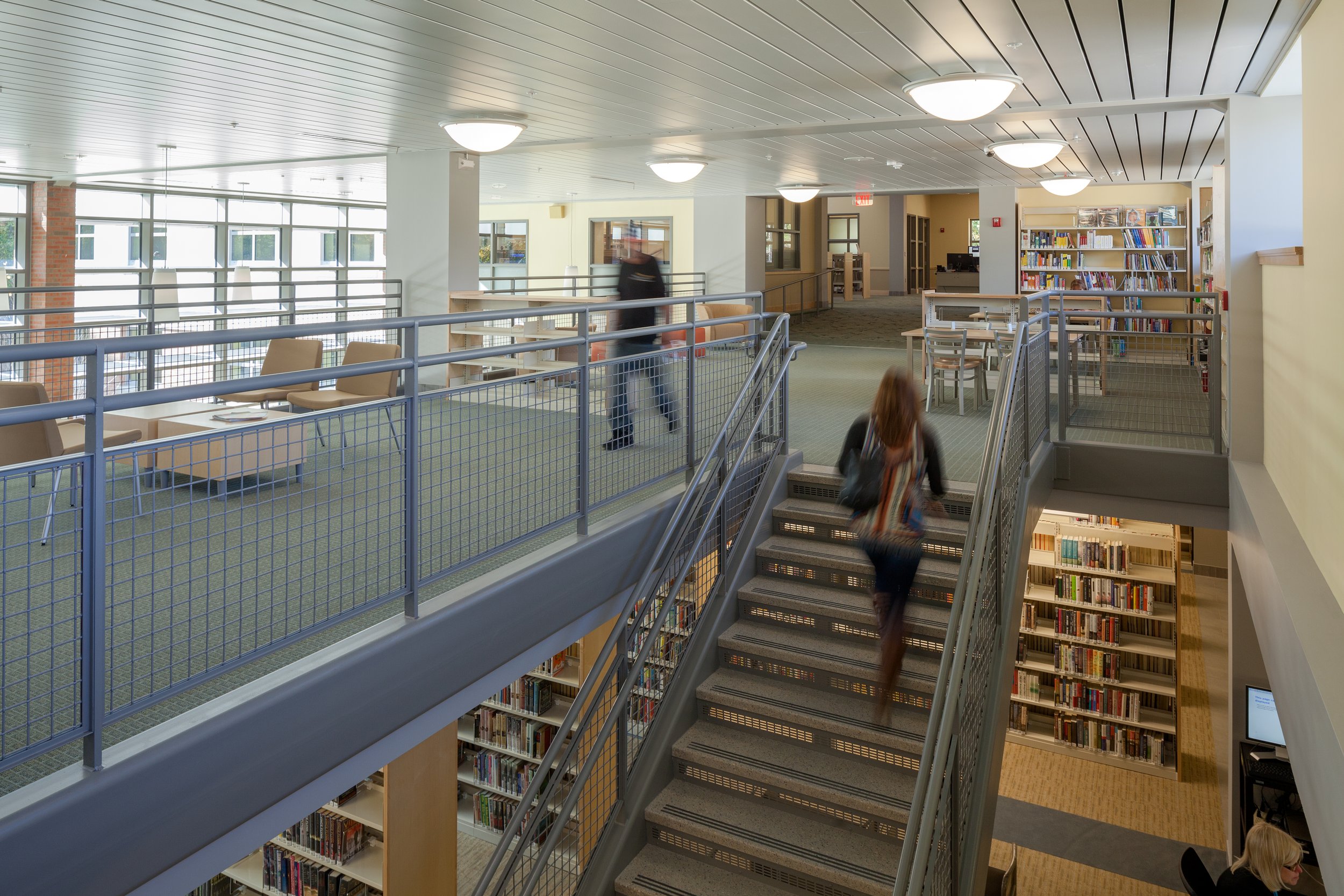
The former stacks were reconfigured into a double-height reading room that steps down to a south-facing terrace, allowing daylight and views to penetrate deep into the plan.
Materials and systems were selected to stabilize interior conditions and support long-term energy efficiency while reinforcing the project’s civic presence.
project outcome
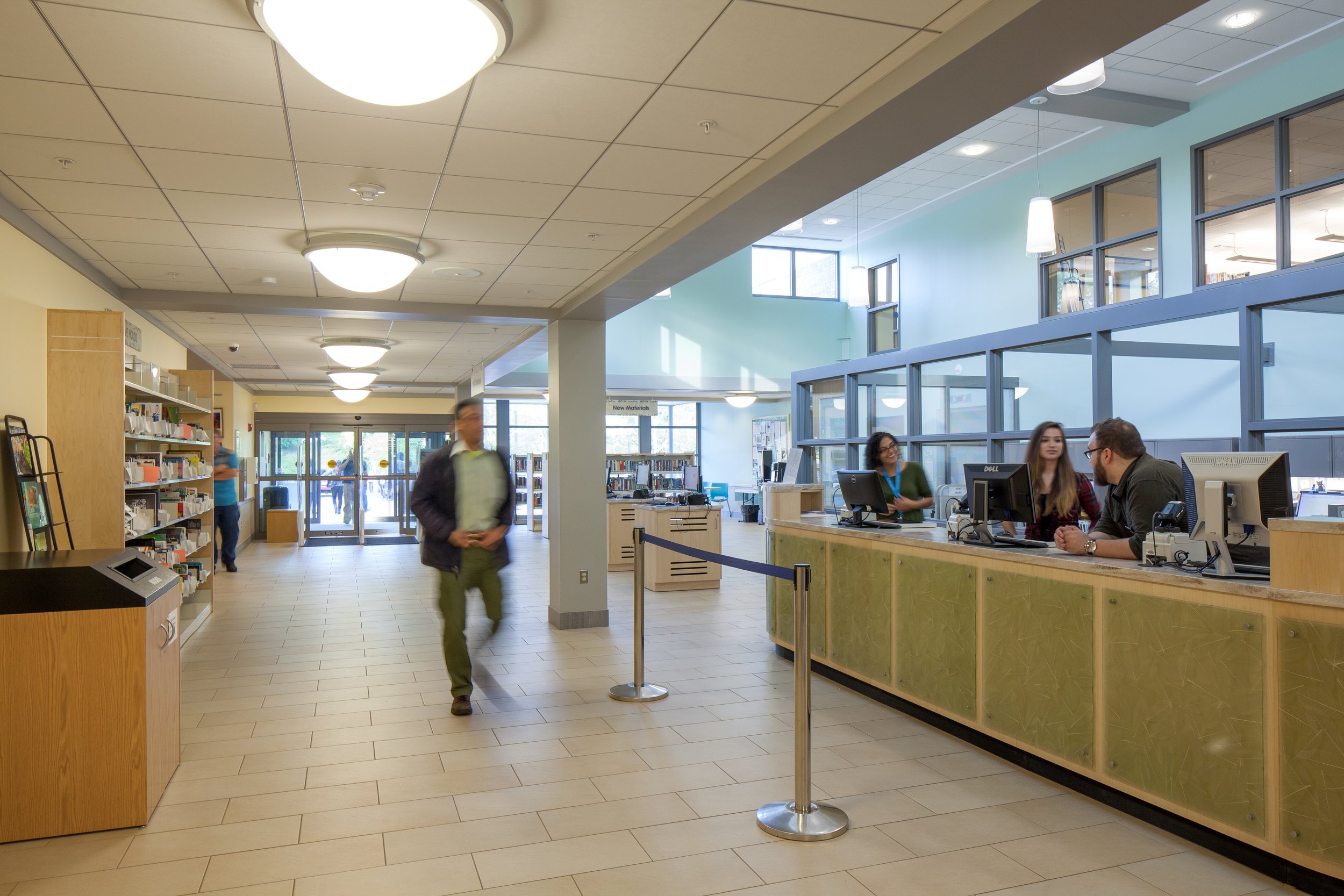
Clear circulation paths guide visitors from the main entry through an ordered sequence of public spaces, which clarifies wayfinding and reduces congestion. The arrangement connects primary reading and meeting areas to the terrace and preserve, supporting intuitive movement across levels.
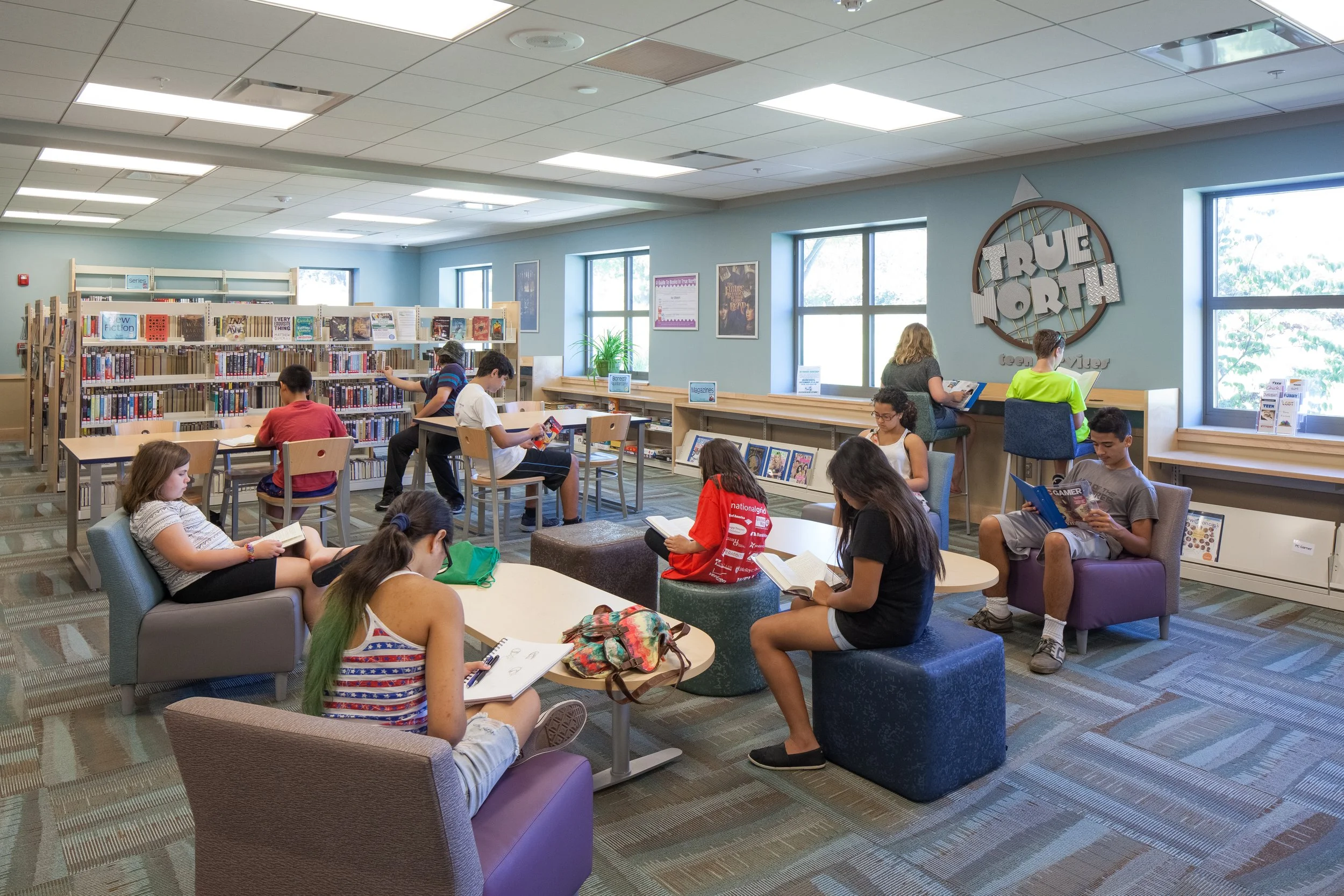
South-facing openings and a stepped double-height reading room bring daylight deep into the plan and improve visibility between zones. Daylight and controlled glazing reinforce thermal stability and maintain comfortable light levels for reading and gathering.
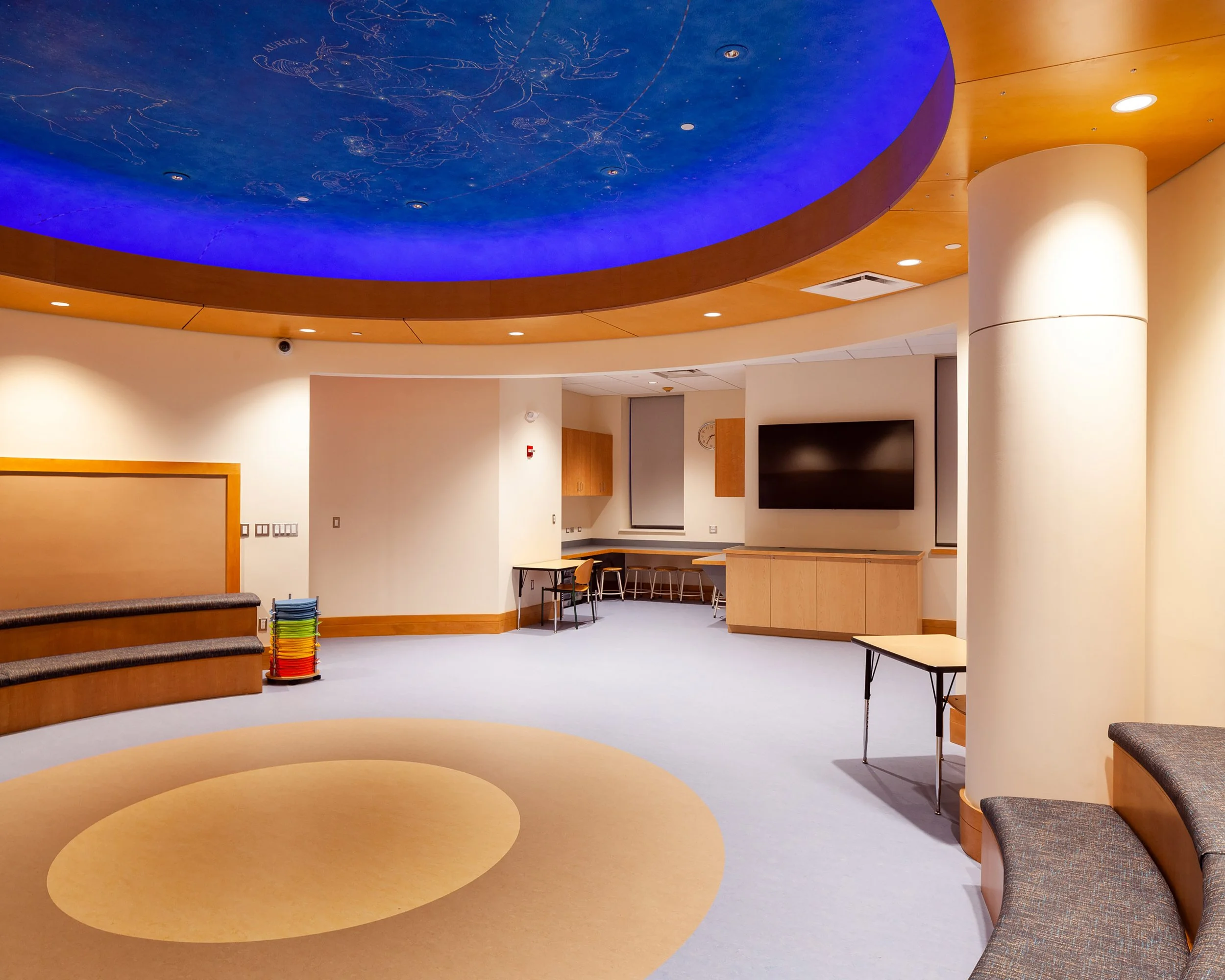
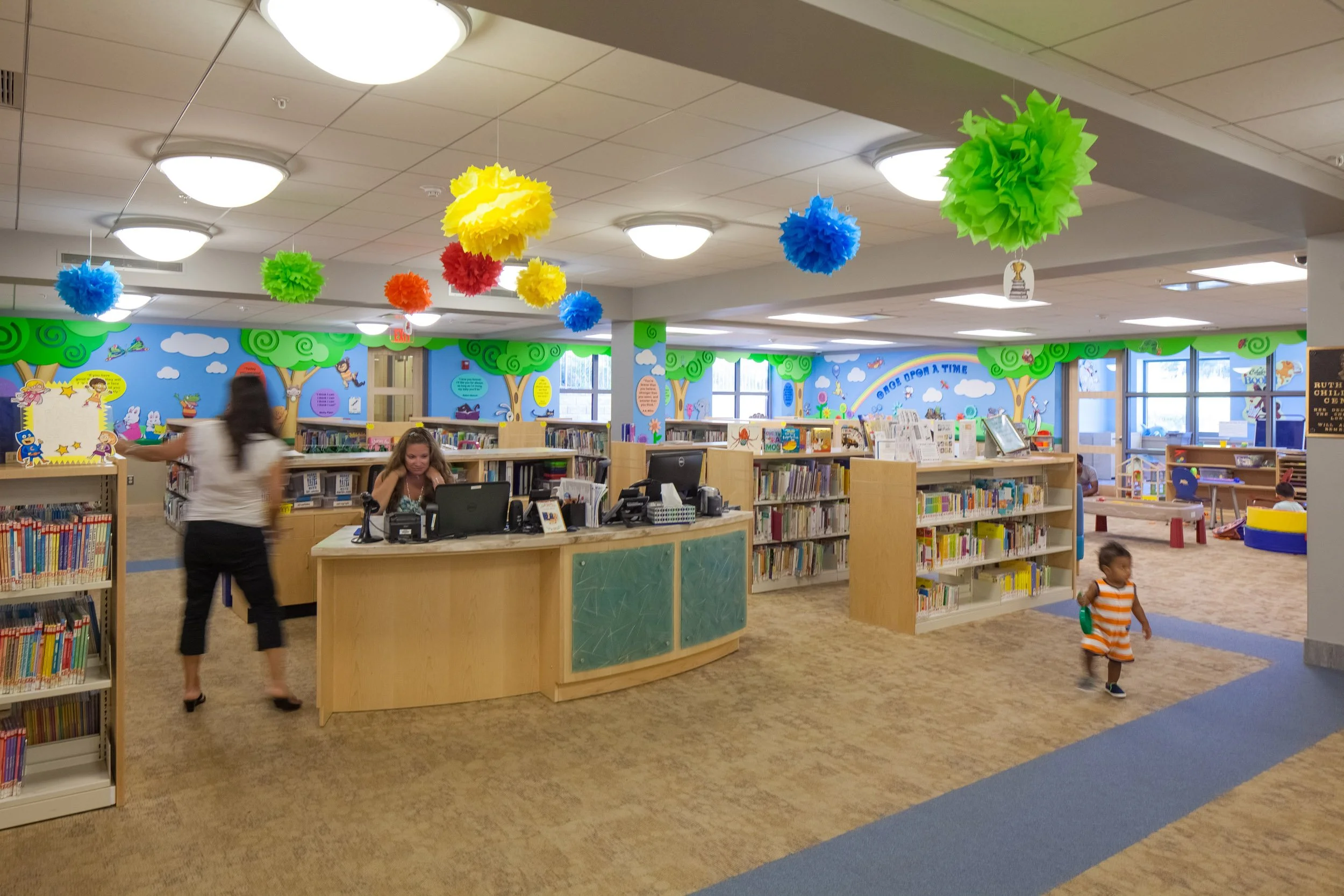
Reconfigured stack areas and open-plan wings accommodate changing program requirements and support varied uses from quiet study to community meetings. Durable finishes and upgraded systems sustain stable interior conditions and simplify long-term operation.
let’s continue the conversation
Every project begins with listening. If you’re considering a new campus, building, or landscape, we’d welcome the chance to talk through your goals, challenges, and aspirations. Our team works collaboratively to shape places that feel grounded, connected, and built to serve people well over time.