rye country day school
2010
rye, ny
20,000 sf existing; 15,000 sf renovation
independent school
Project Manager: Sandra Mintzes
Project Architect: Ari Engleman
Landscape Architect: Ronen Wilk
Danny Lam
Belle Chen Taylor
gisolfi team
2012, American School & University
Outstanding Design
2012, AIA Westcheter / Hudson Valley
Citation
awards
Structural: Anastos Engineering, PC
MEP: AKF Group, LLC
Site/Civil: Stearns & Wheeler
Theatrical Systems: Harvey Marshall Berling
Cost Estimating: Daedalus Projects, Inc.
Sustainability: Viridian
Lighting: Goldstick Lighting Design
collaborators
a multi-project campus effort that consolidates arts, performance, and student spaces.
Rye Country Day School is a college-preparatory campus serving grades pre-K–12. Constrained by adjacent highways and varied site levels, the school sought to expand and reorganize arts and academic space while reinforcing campus connections. Our ongoing campus planning and projects address program growth and the school’s commitment to arts education.
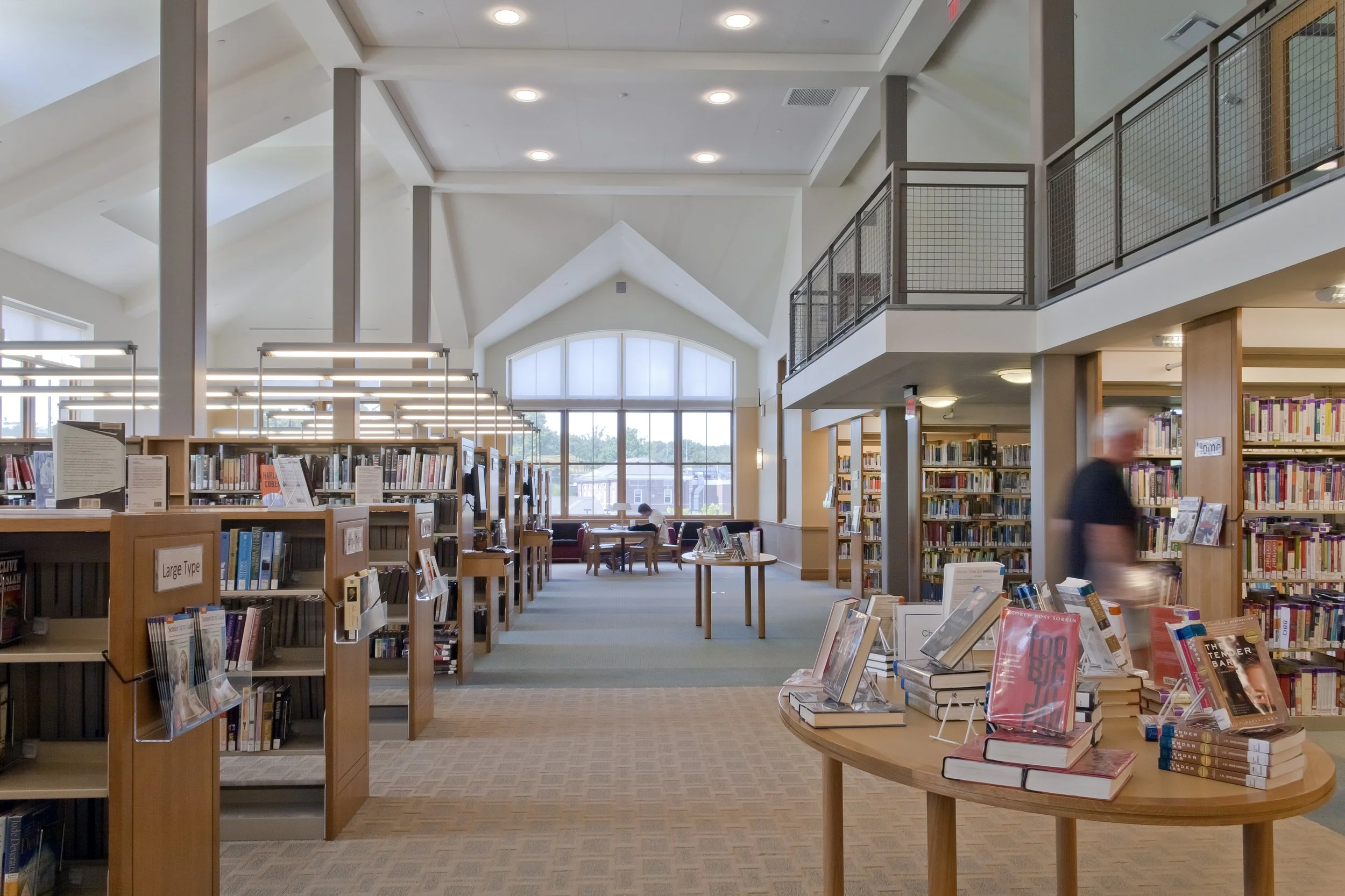
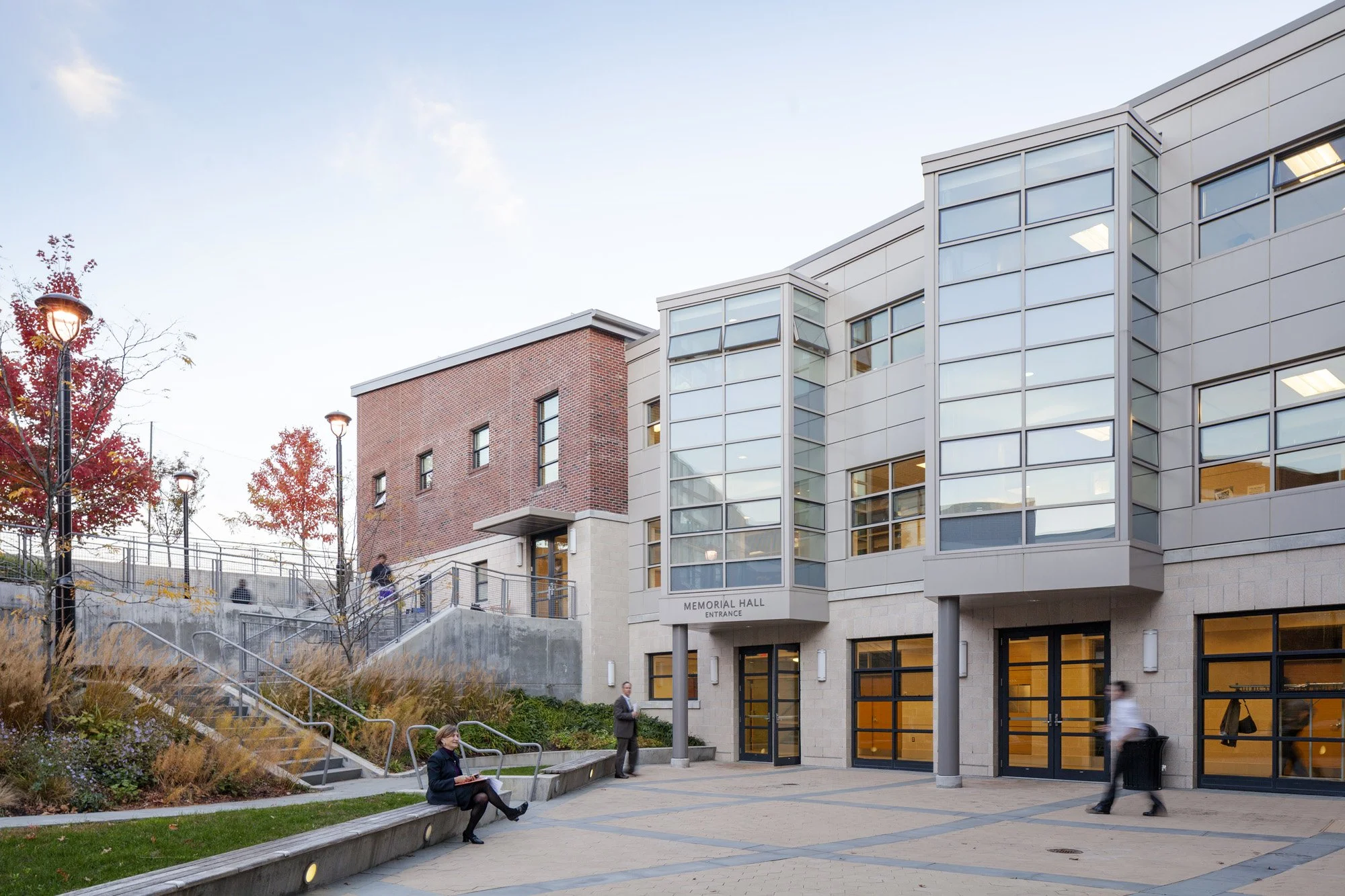
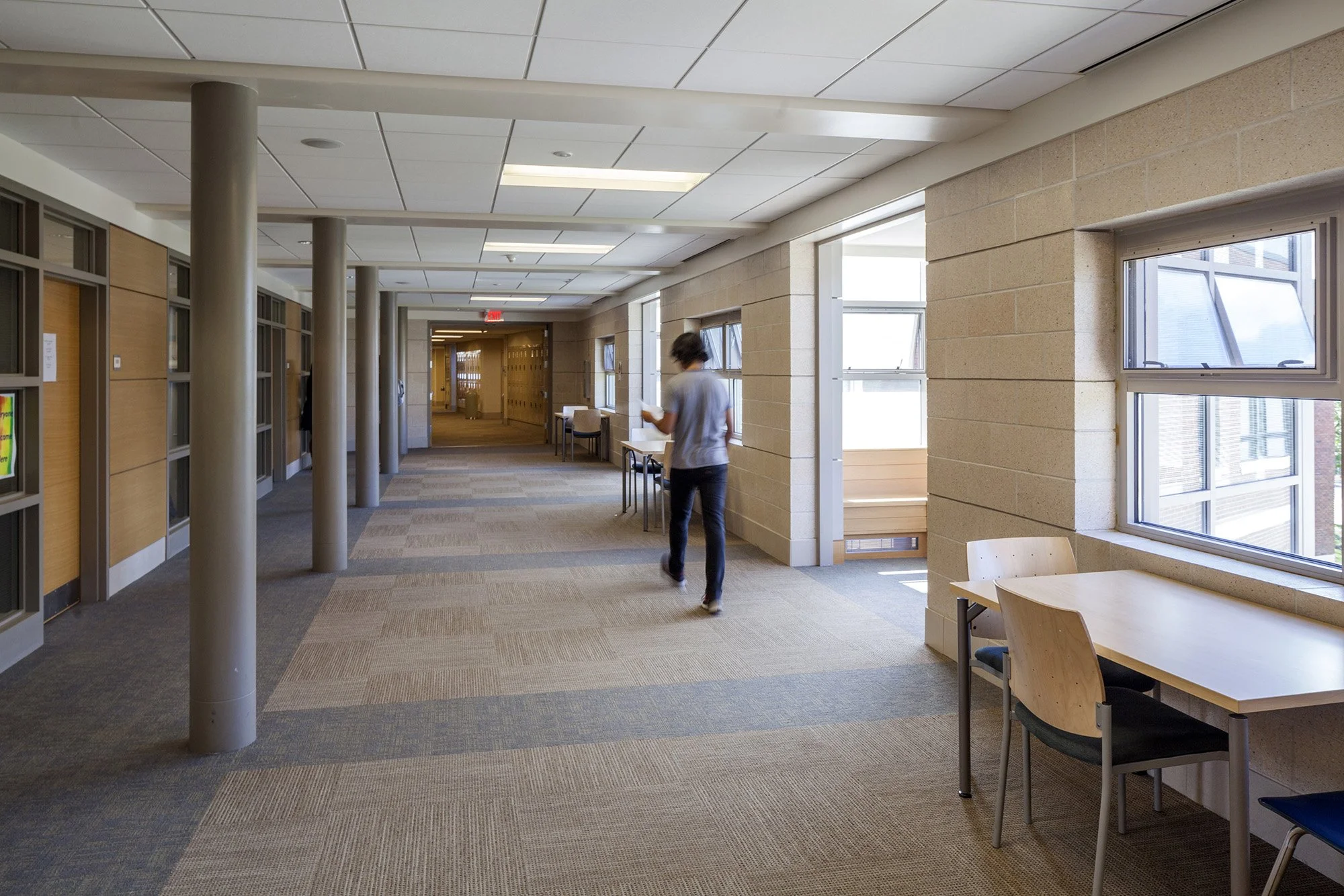
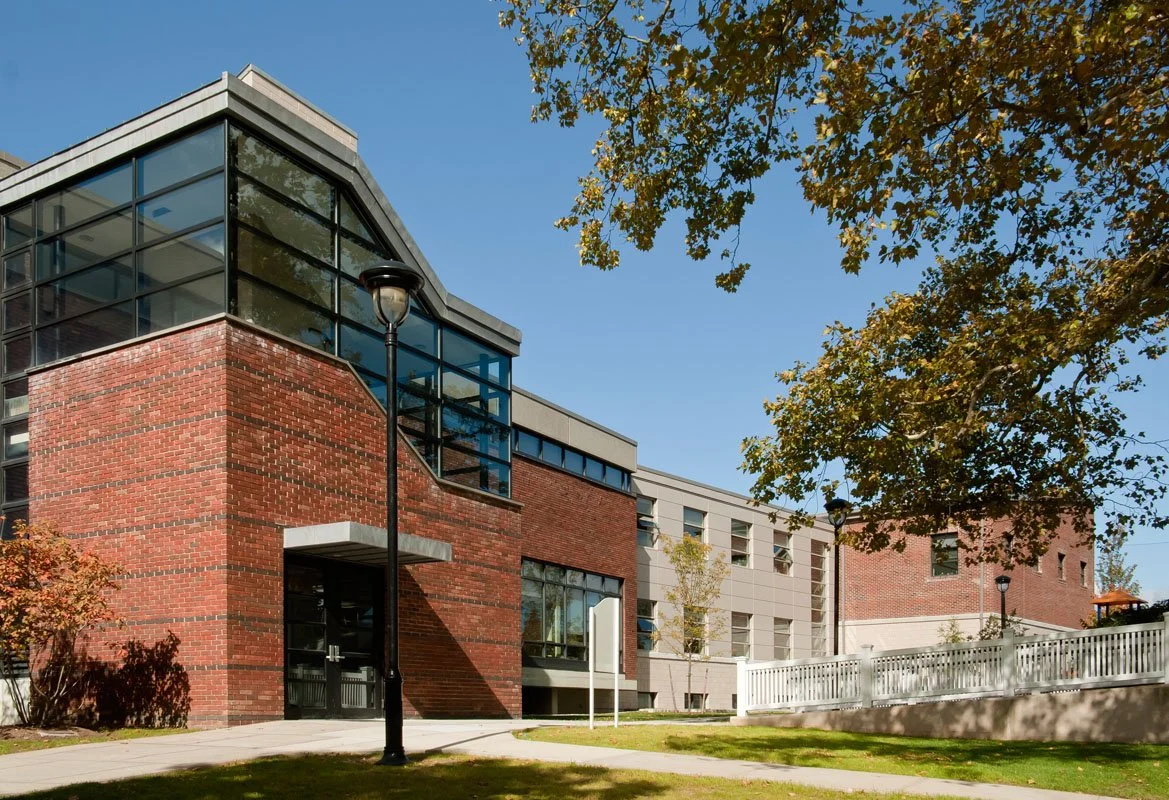
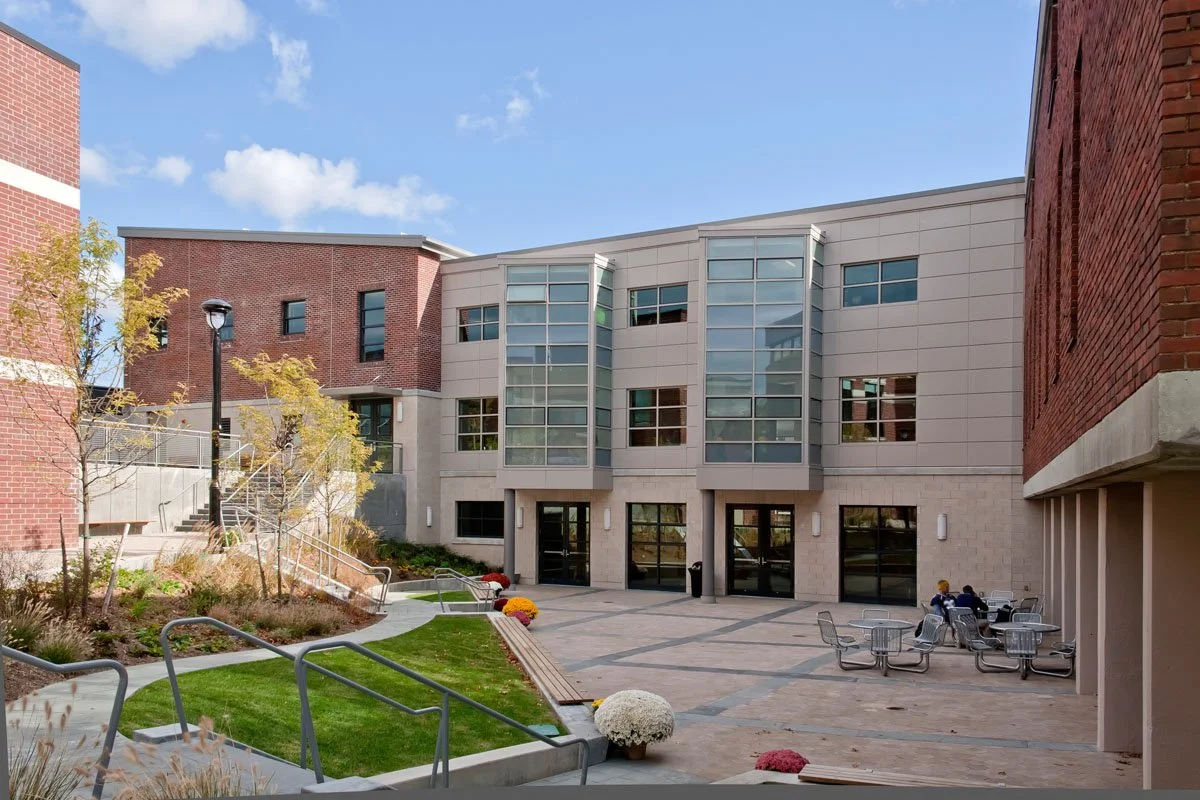
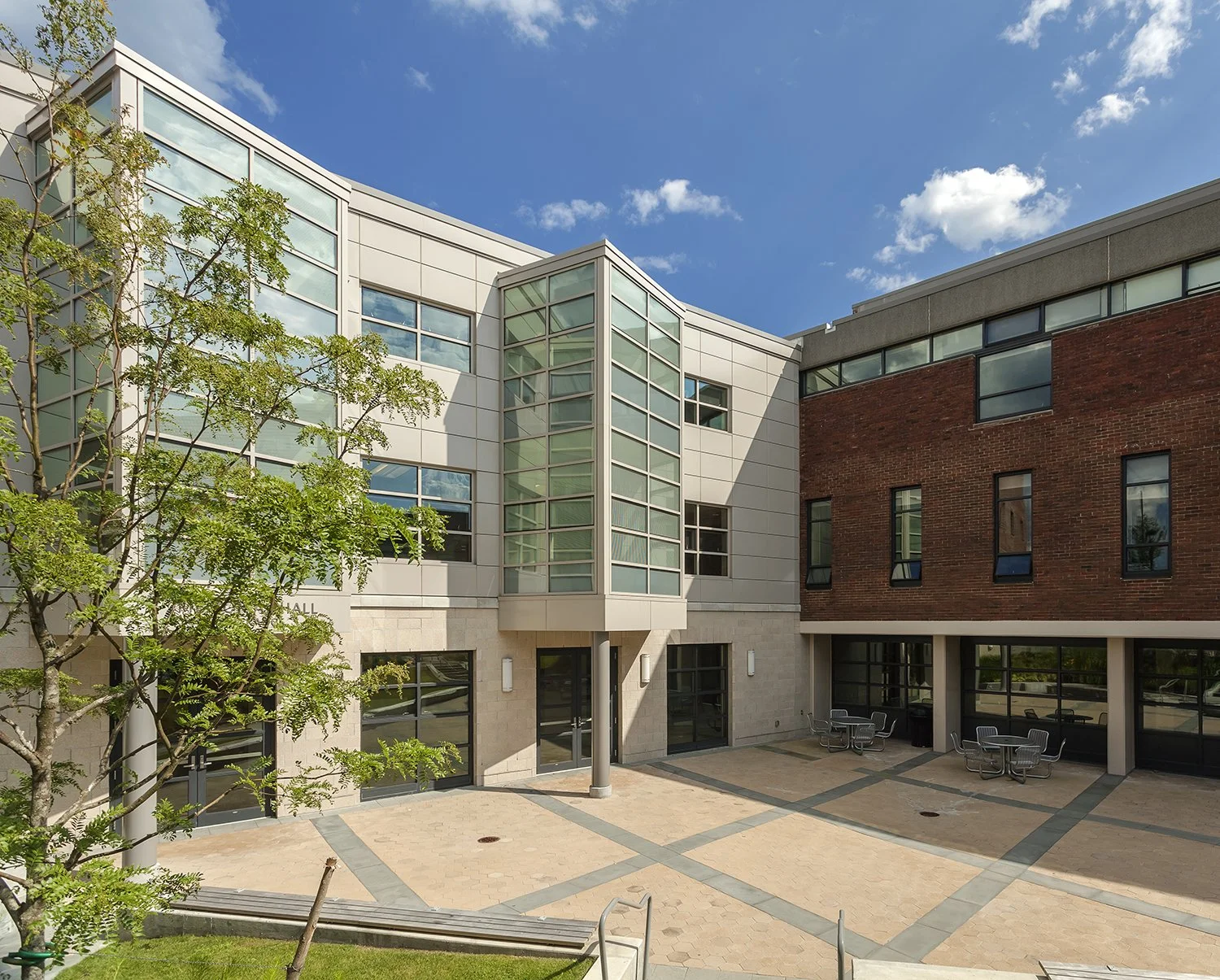
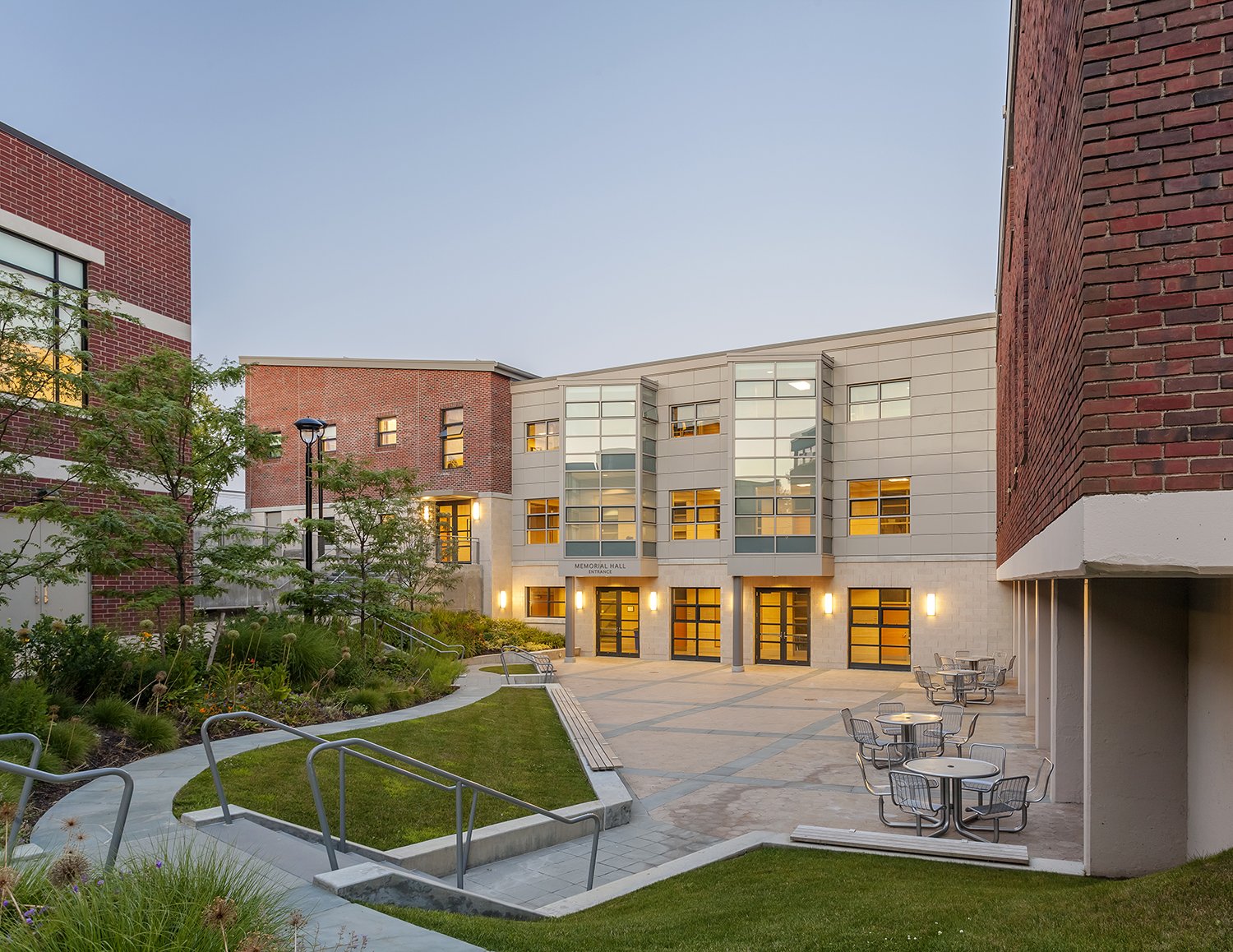
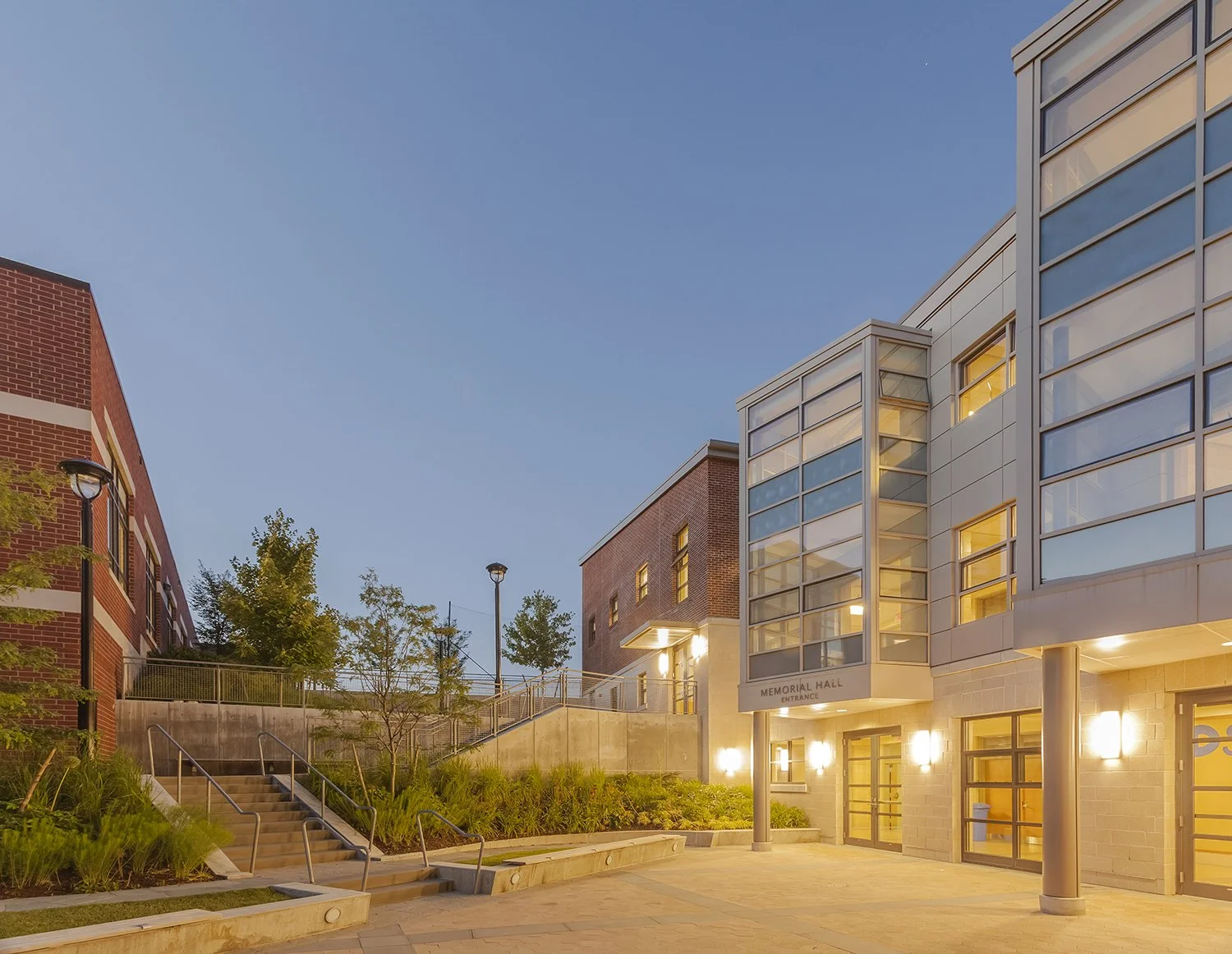
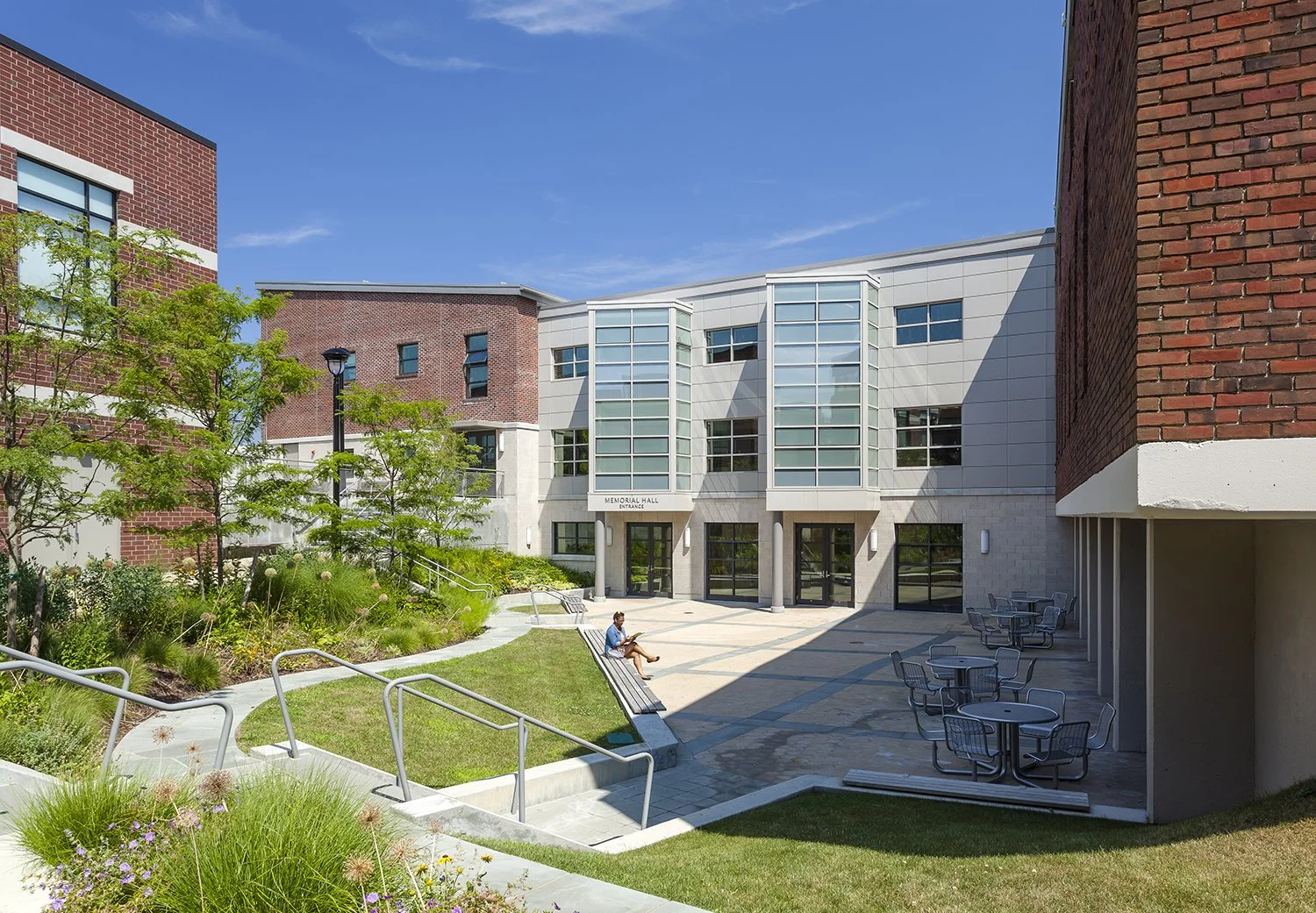
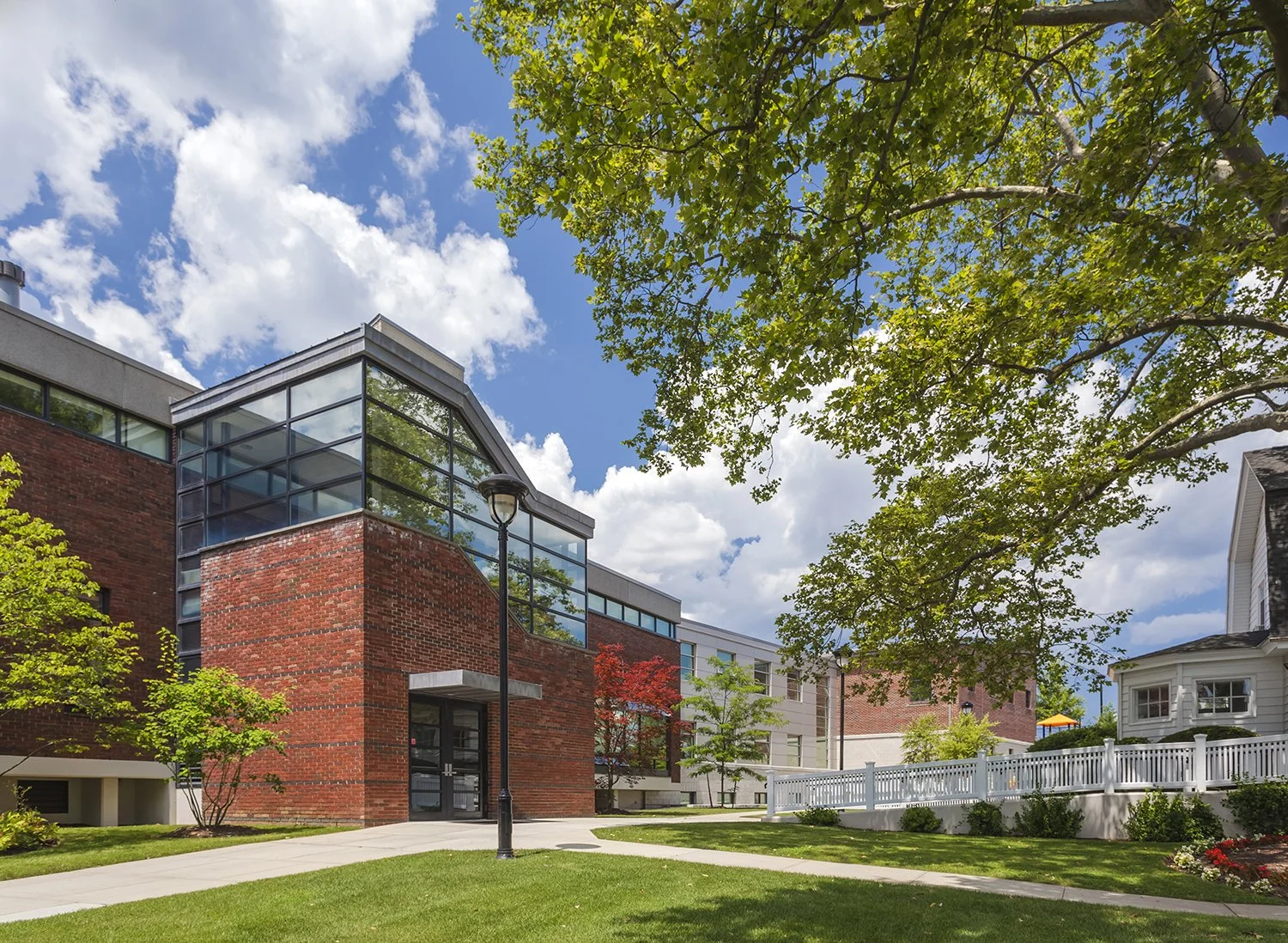
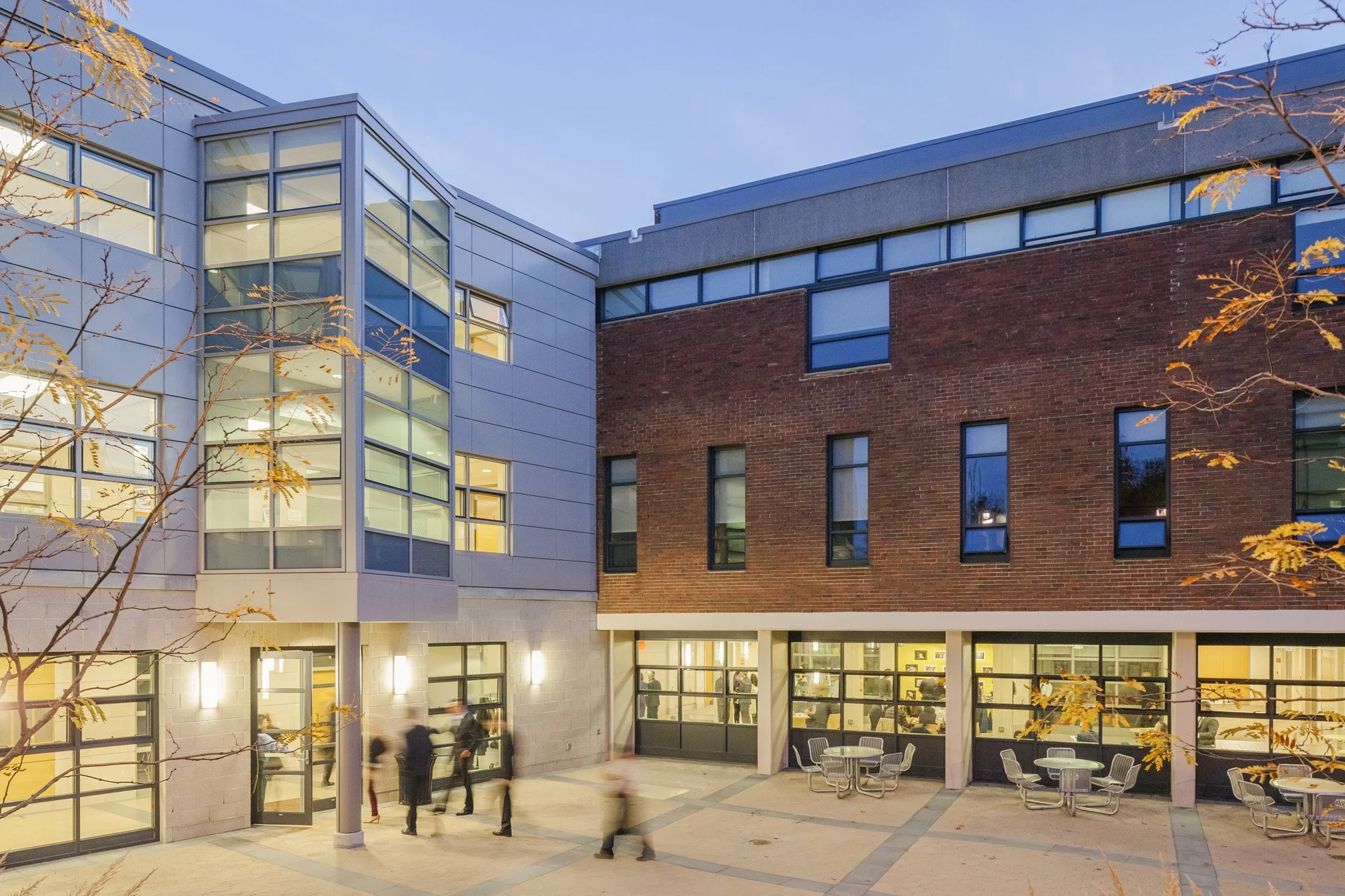
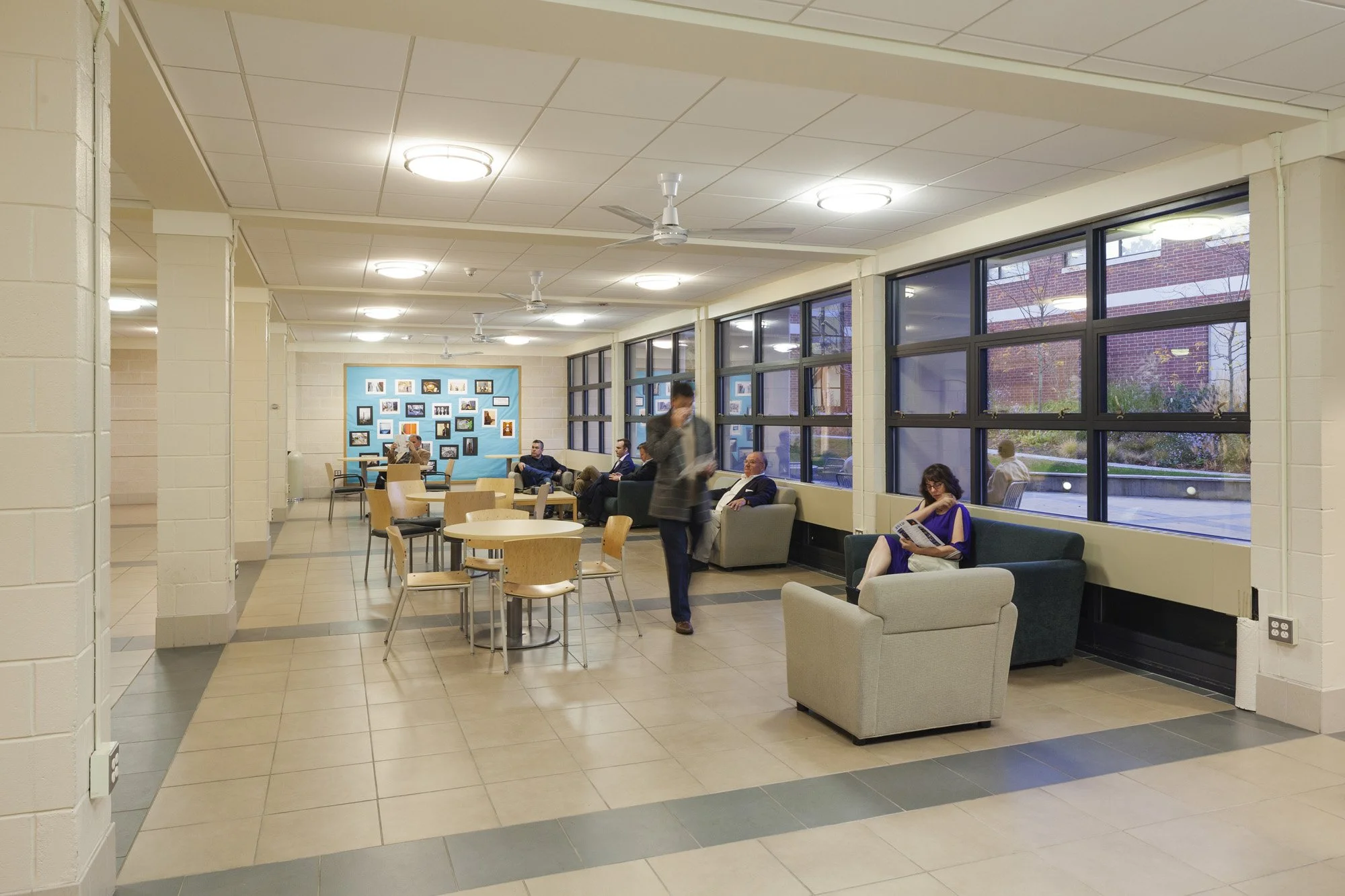
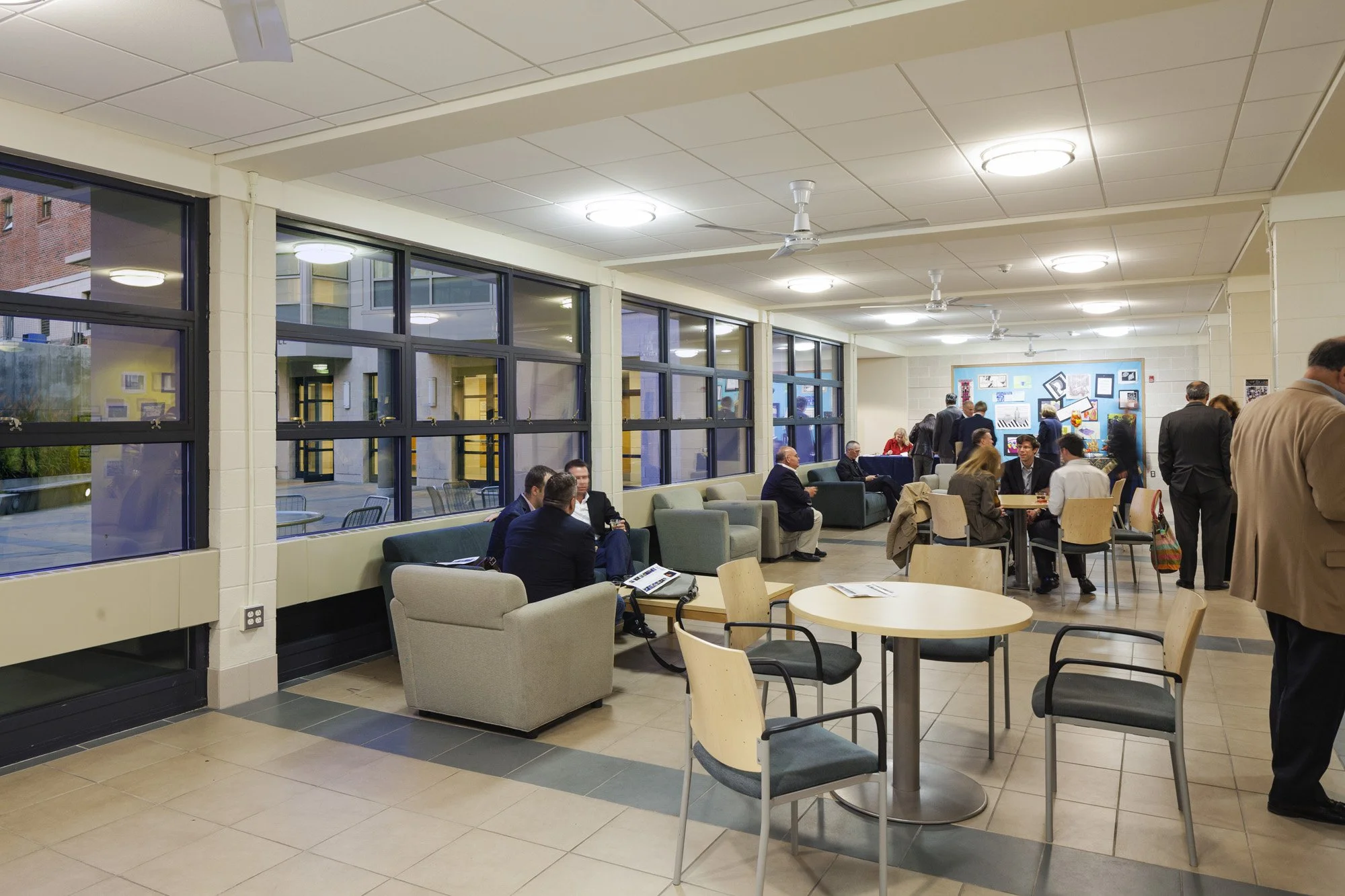
Projects include renovated and expanded performance venues, a new center for the creative arts, and a new wing that frames an outdoor courtyard. Strategies emphasize daylight, clear circulation, and visual connection—including glass-lined galleries and single-loaded corridors that engage the outdoor room and adjacent quadrangles.
project narrative
-
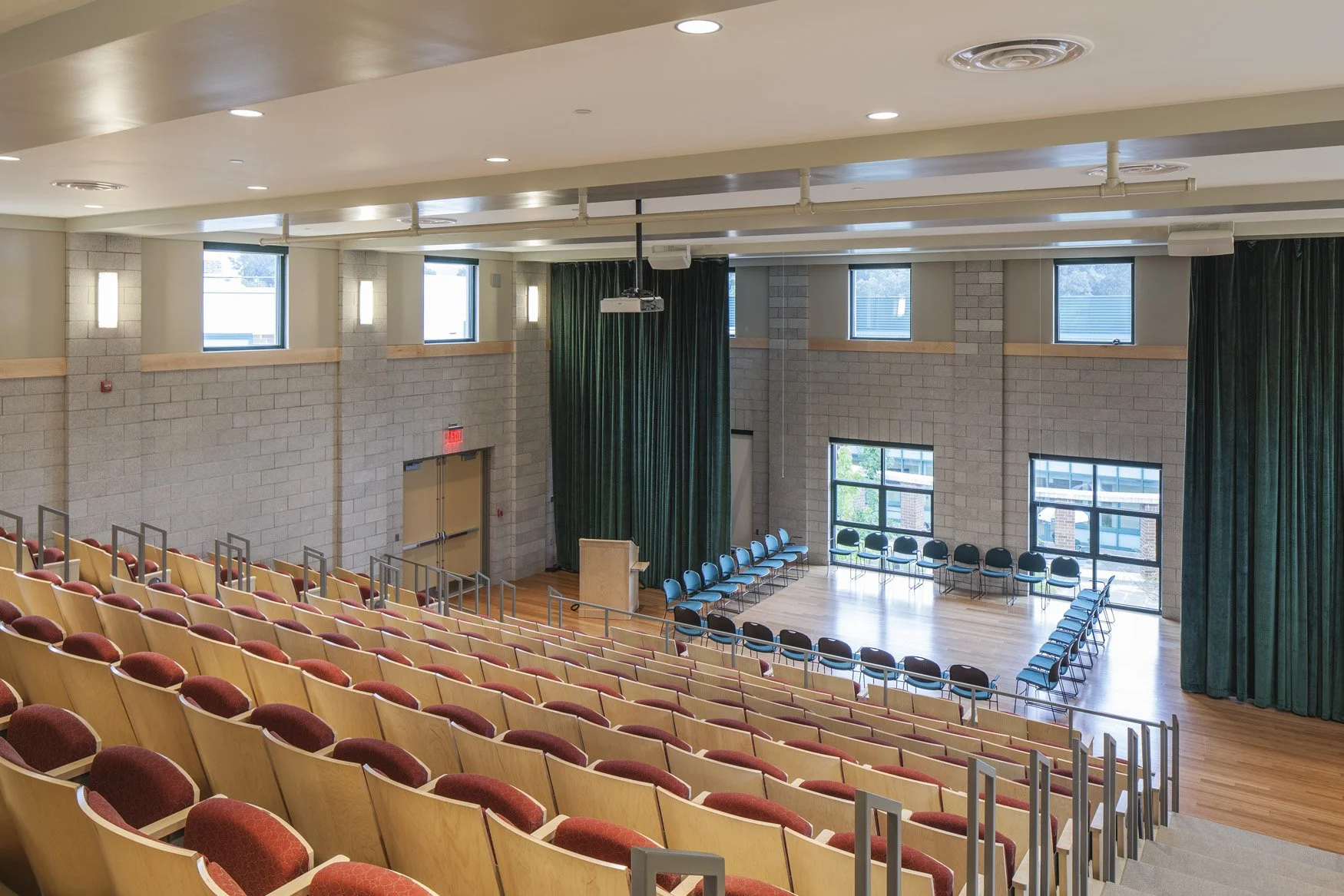
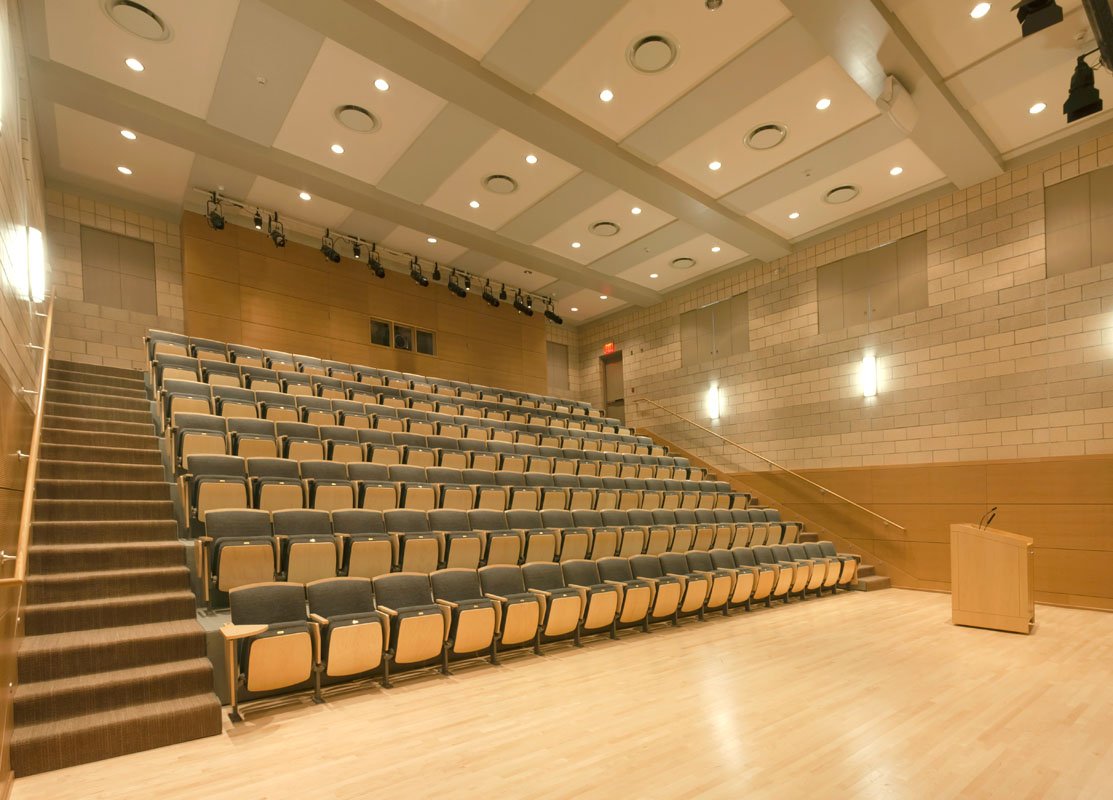
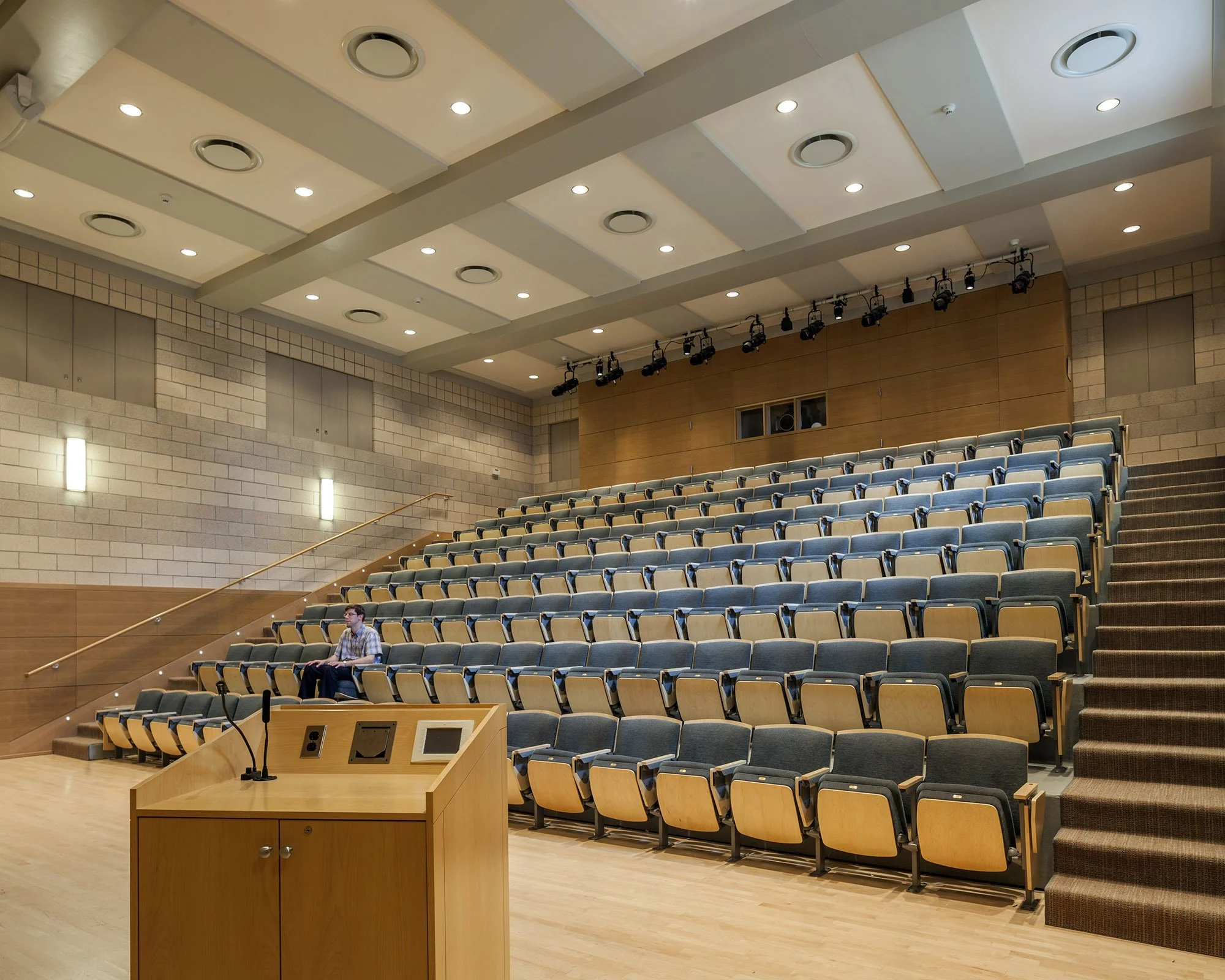
Rye Country Day faced limited opportunities for expansion within a 26-acre campus bounded by major highways and a steeply sloped site with more than 20 feet of grade change. The school also needed to reconcile dispersed arts programs and to repair a theater with poor sightlines and acoustic performance.
To address these constraints, the work had to weave new and renovated buildings into an already complex campus geometry while improving pedagogy and community life.
-
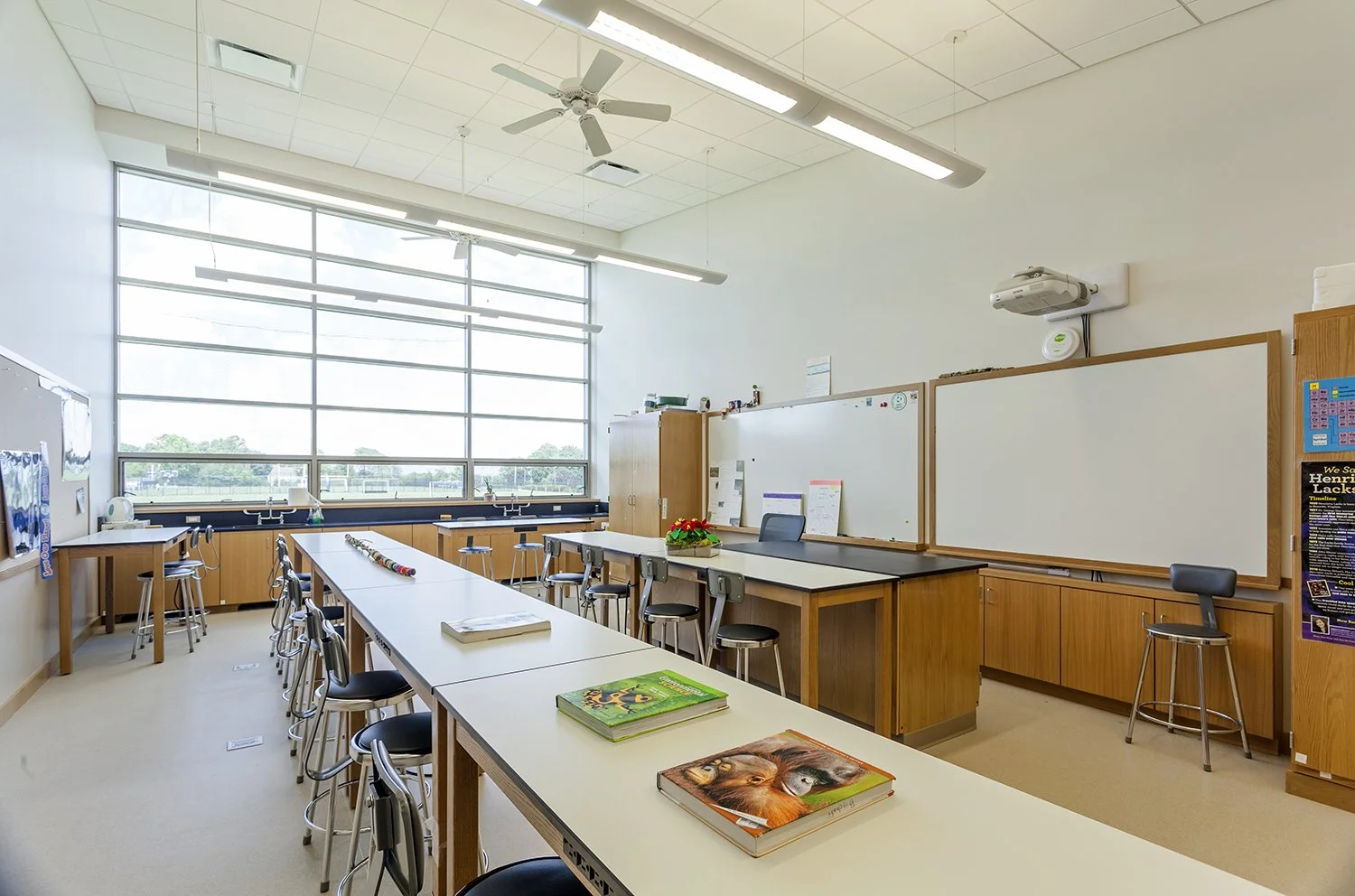
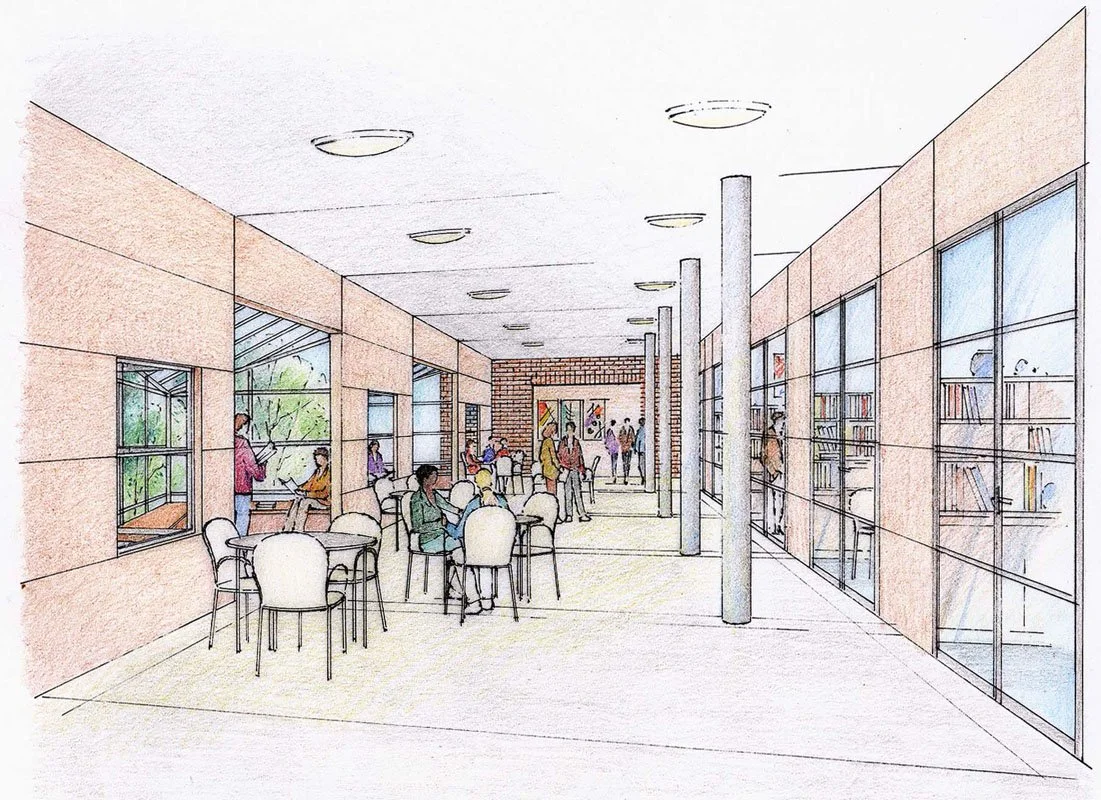
The design centers arts, performance, and social life within a sequence of connected interior and exterior spaces. Building on the idea of a two-story glass gallery, the Cohen Center gathers studios and makerspaces around a transparent corridor that encourages interaction and display.
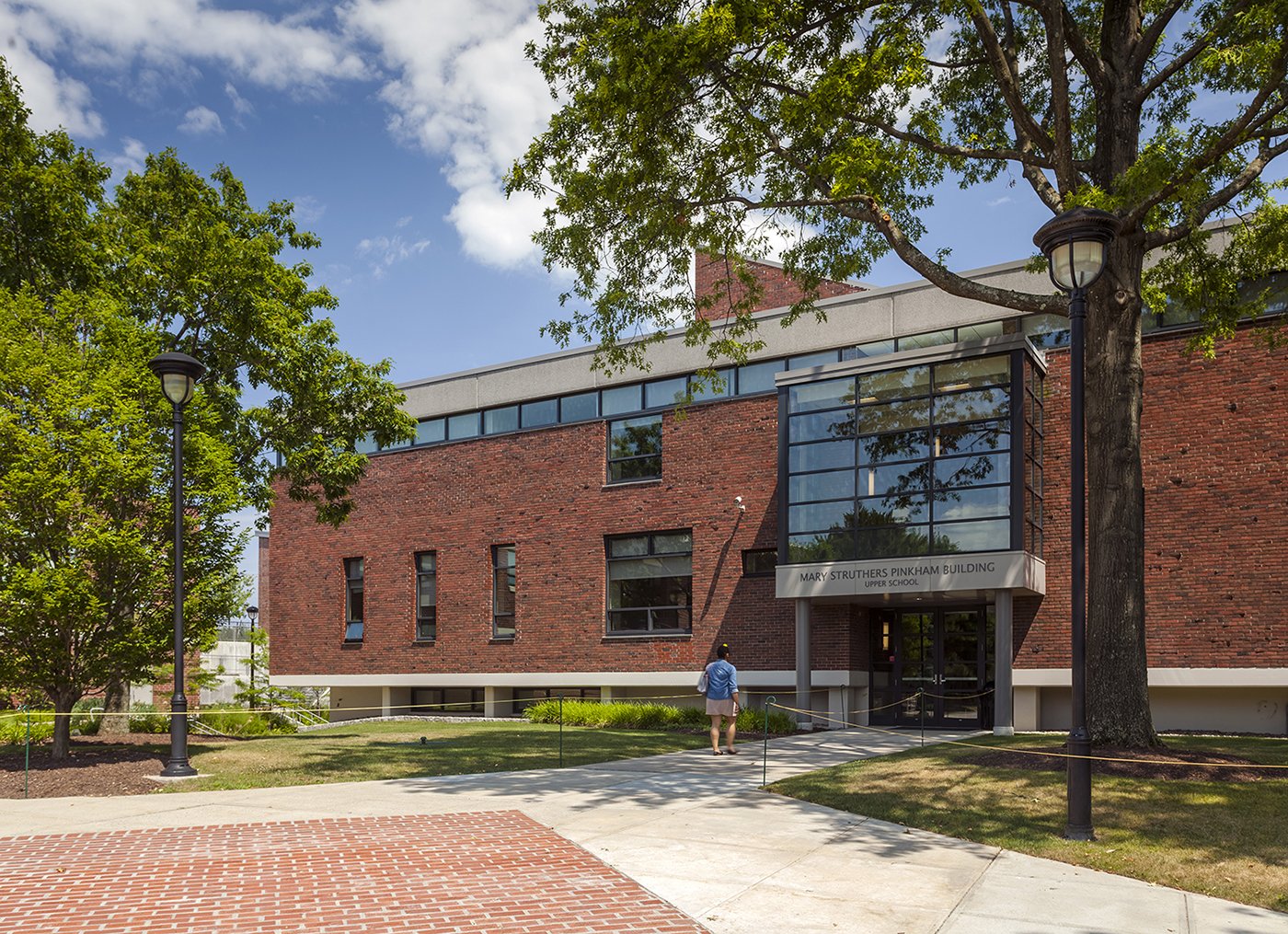
At Pinkham Hall and Dunn, additions and reconfigured interiors create framed outdoor rooms and clarified sightlines that reinforce circulation and program adjacency.
-
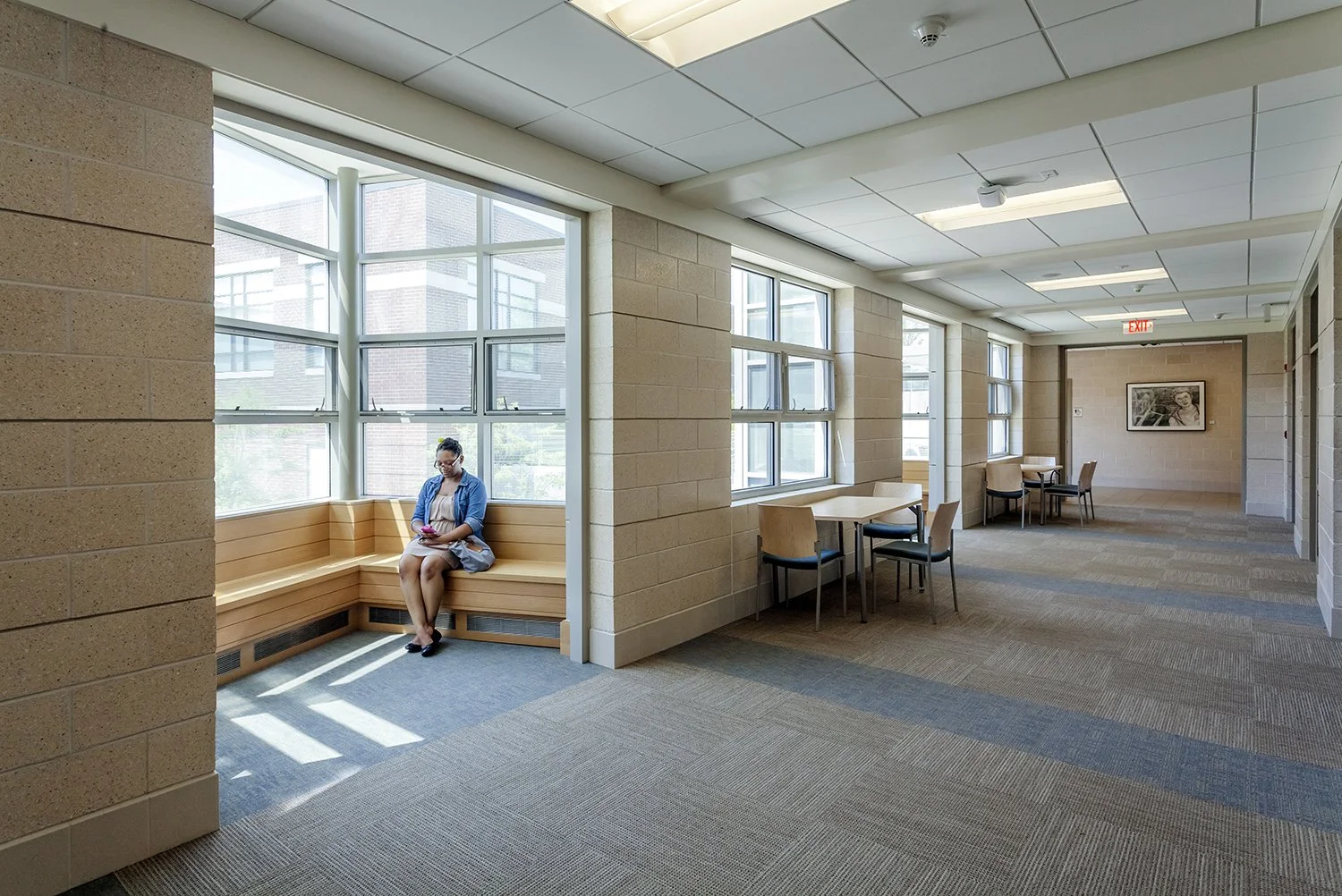
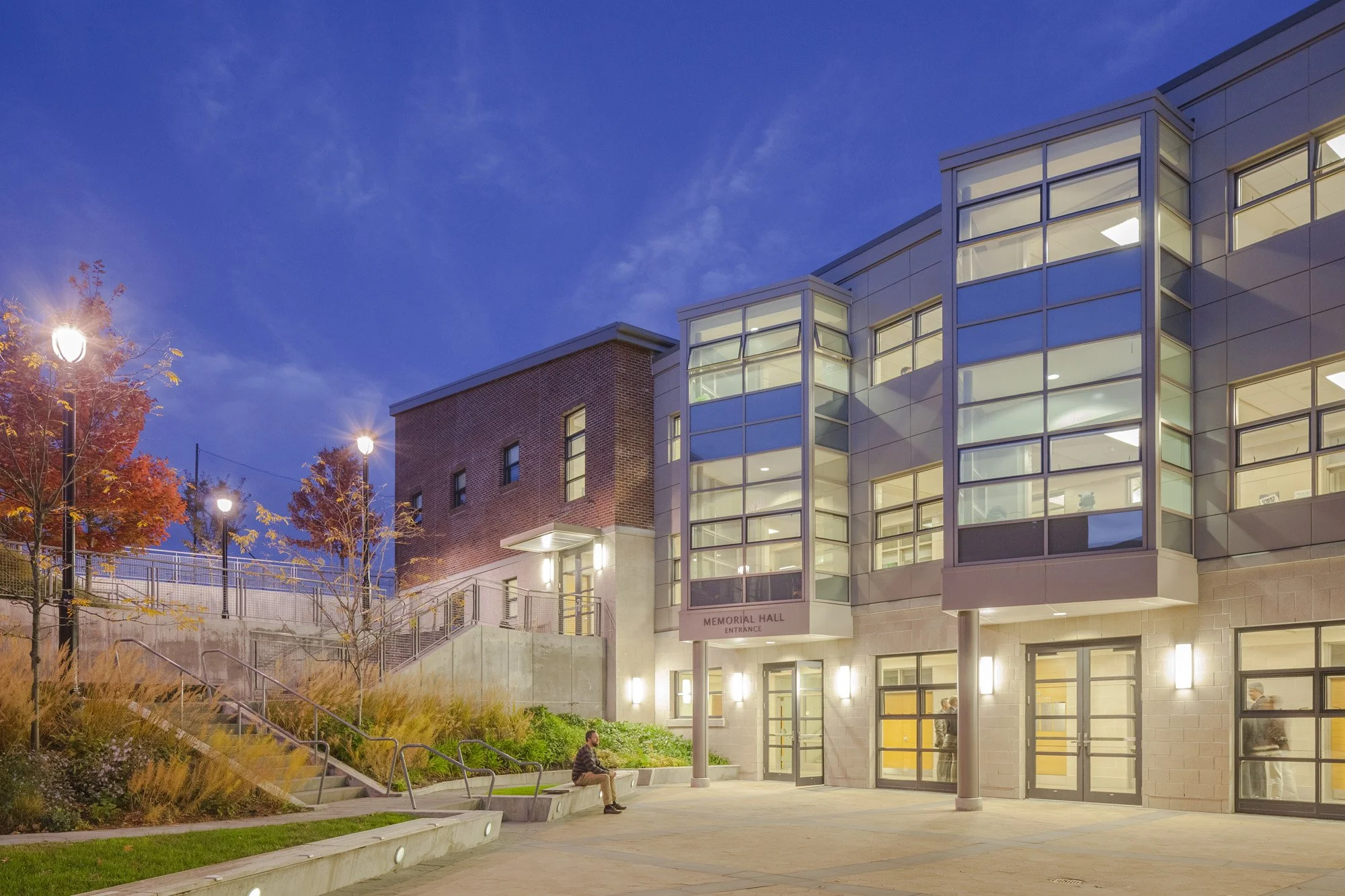
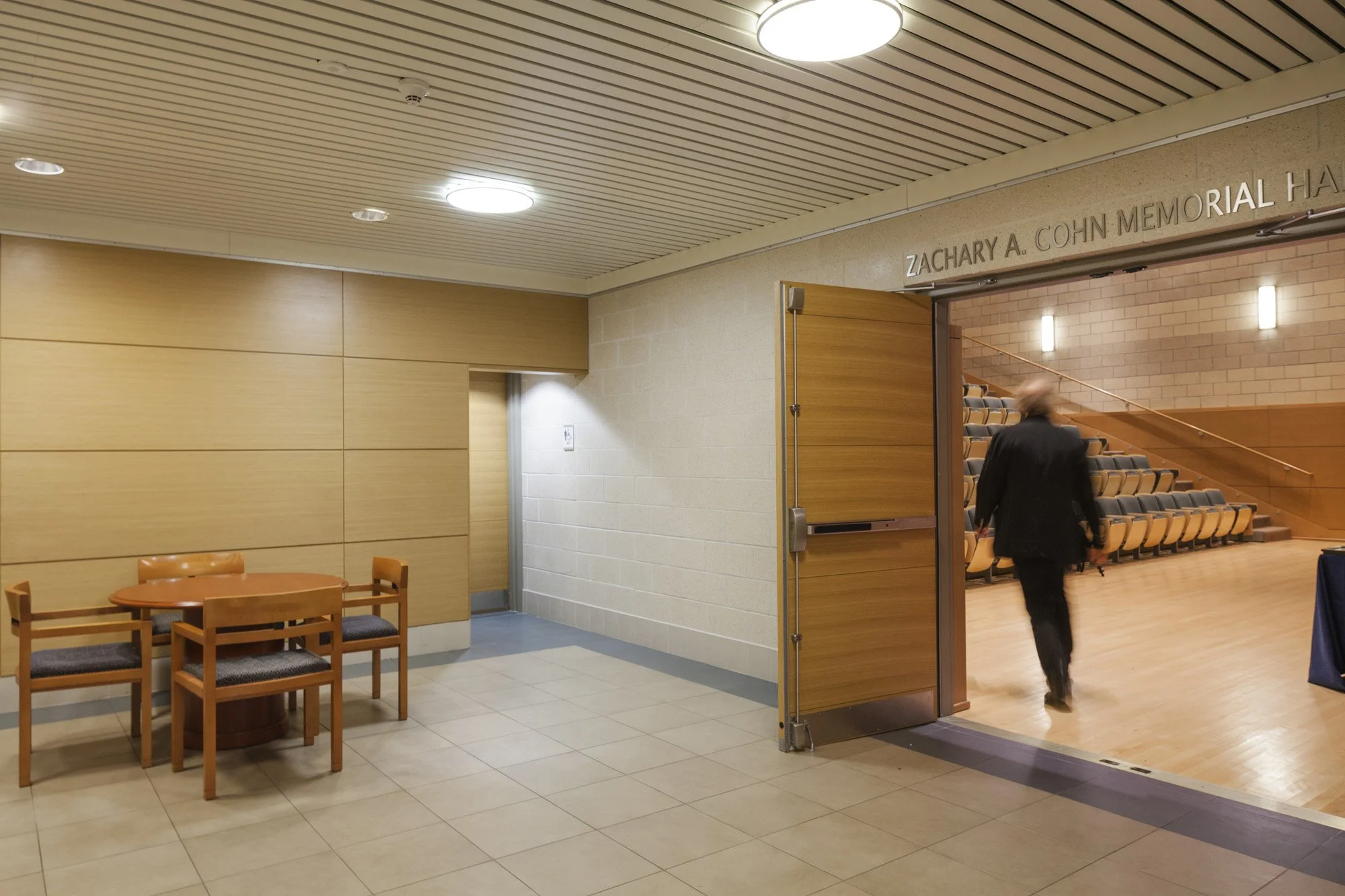
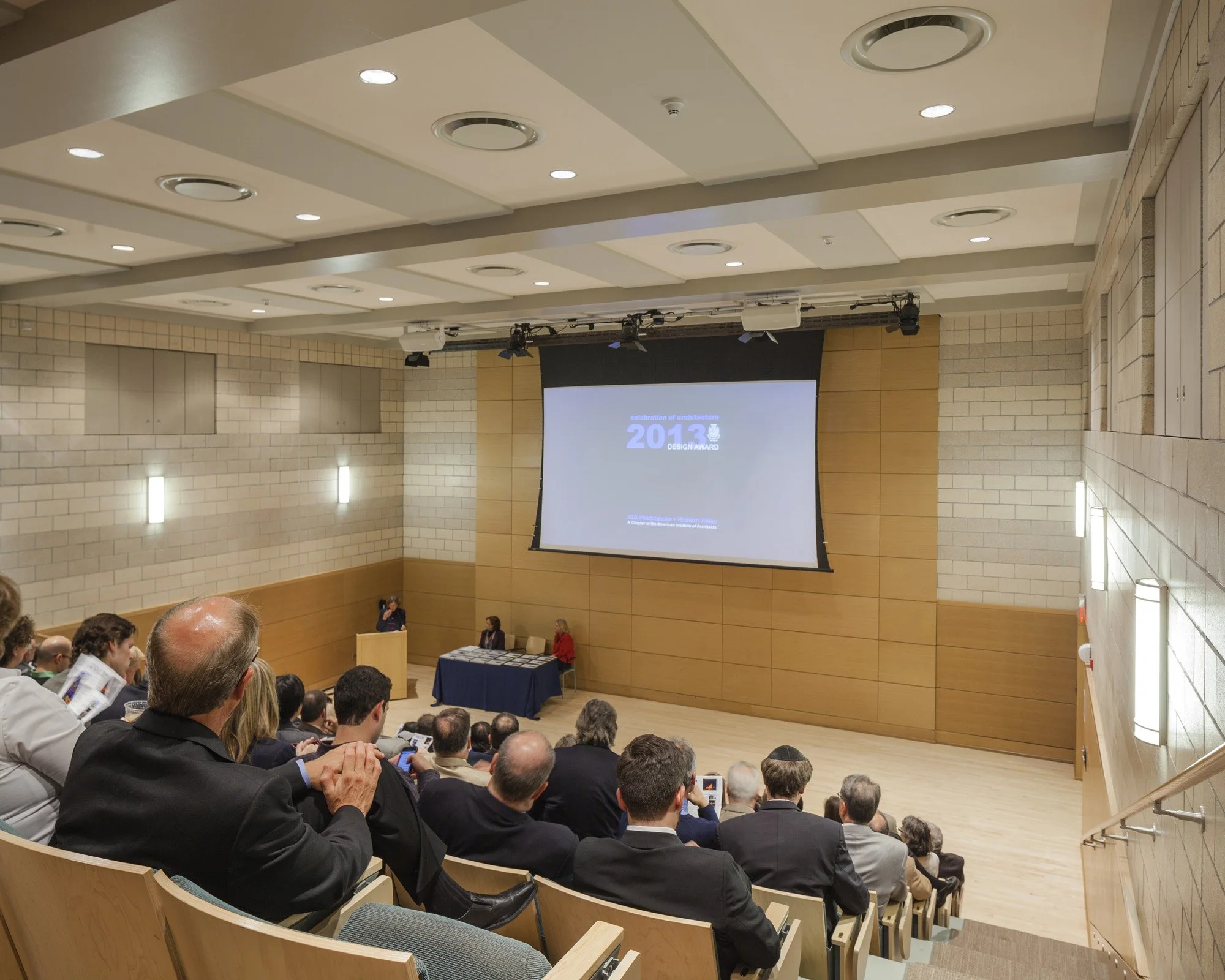
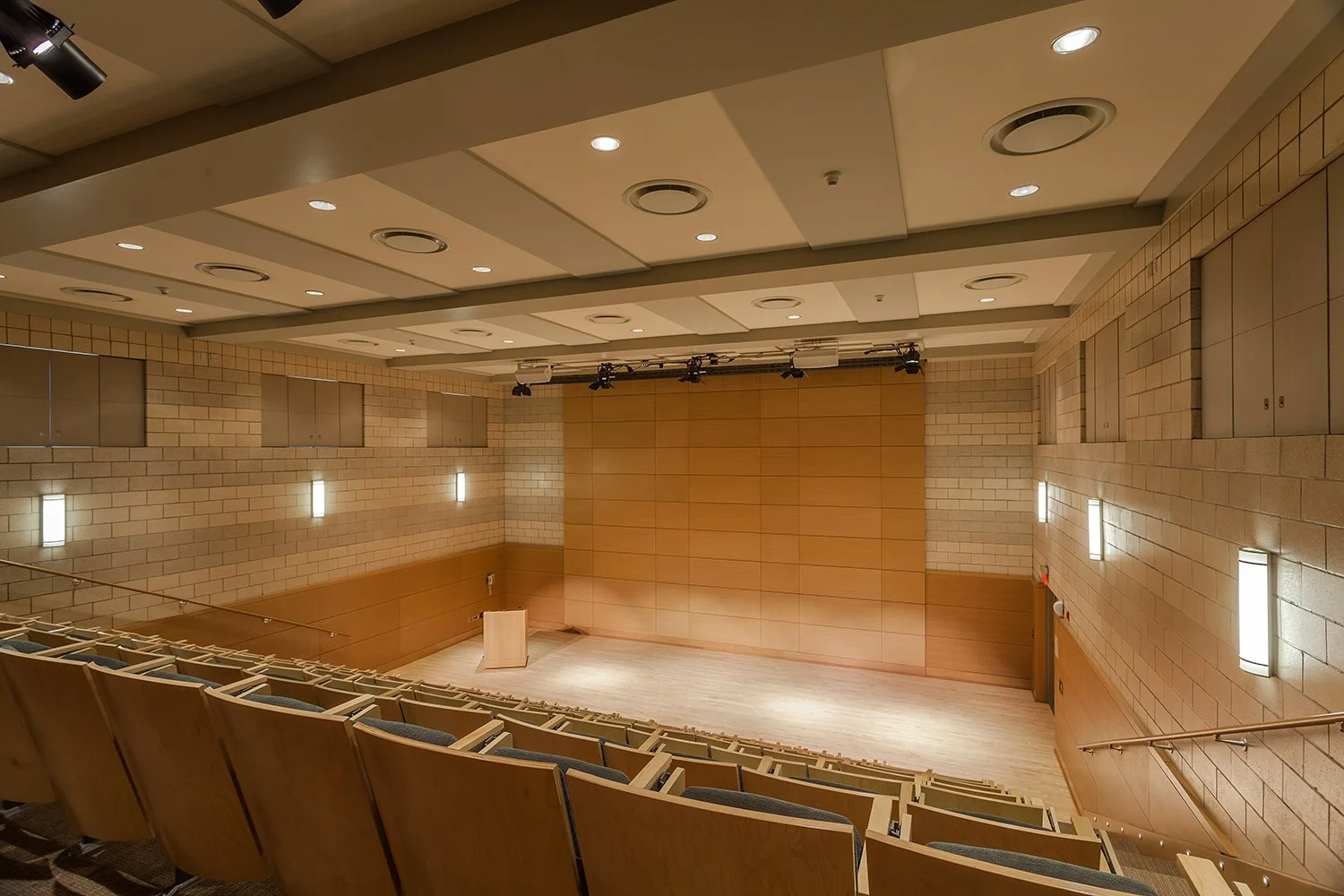
The approach resolves grade and geometry through terraced landscape and a single-loaded corridor that overlooks a protected courtyard. Sculptural glass bays and a glass pavilion articulate study alcoves and entries, while material upgrades and new seating geometry in the theater address acoustics and sightlines.
Together these moves convert previously underused or dark areas into daylit, flexible spaces for instruction, rehearsal, and exhibition.
project outcome
Clear routes link classrooms, studios, and performance venues, so movement across different floor levels feels direct and legible. Terraced exterior connections and staggered entries support intuitive wayfinding and reduce convoluted circulation around the campus.
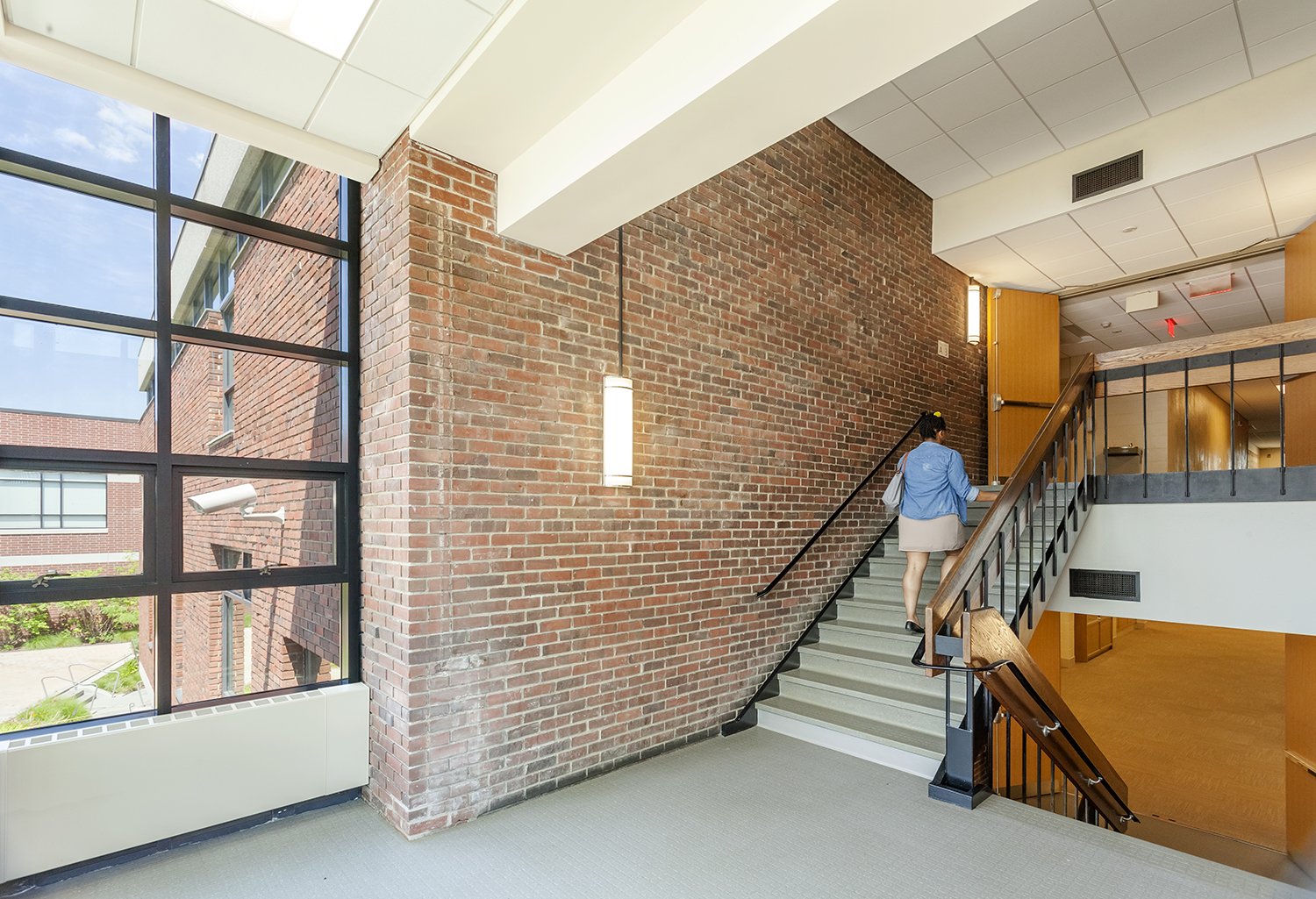
Extensive daylighting and glazed circulation edges bring visual access into studios, galleries, and gathering spaces, increasing awareness of adjacent activities. Light-filled lobbies and study alcoves reinforce spatial legibility and maintain consistent visibility throughout the day.
Large, reconfigurable interiors accommodate rehearsal, instruction, and exhibitions with minimal turnover between uses. Robust finishes and adaptable partitions support ongoing reprogramming and simplify long-term upkeep.
let’s continue the conversation
Every project begins with listening. If you’re considering a new campus, building, or landscape, we’d welcome the chance to talk through your goals, challenges, and aspirations. Our team works collaboratively to shape places that feel grounded, connected, and built to serve people well over time.